
Shaba Safari

Authentic Shaba Safari Tours

Experience Shaba, Beyond Your Imagination

We curate unforgettable nature-based African safaris, shaped by over 25 years of experience and deep local connections. With every adventure designed to leave a lasting impact – on our travellers, the land, and the local communities who call it home.

25+ years of expertise in 15 Africa Countries

1000+ thoughtfully selected travel partners

200,000+ travellers, many of whom return year after year

Years Crafting Personalised African Safaris
0
Client Reviews at 5 Stars on Feefo
0
Globally Recognised Travel Awards Won Last Year
0
Travellers, Many Returning Year After Year
0
Travellers, Many Returning Year After Year
0

Interested to know more? Click the link to find out all about Exodussafaris Big 5 Guarantee

Why Travel With Exodussafaris?

25 Years of Safari Expertise ​

For more than 25 years we've crafted bespoke safaris in Africa, rooted in real field experience and genuine local ties.

We Know Because We Go

With deep foundations in Africa, we bring you insider’s knowledge — every lodge, every trail, every hidden corner we recommend comes from firsthand discovery.

24/7 Support

As part of the Nawiri Group, every safari contributes: helping protect fragile ecosystems and uplifting the local communities who conserve them.

Every Adventure Makes a Difference ​

As part of the Nawiri Group, every trip helps protect vital ecosystems and local communities, supporting them as they thrive together.​

Complete Financial Protection

Your trip is safeguarded from start to finish — from booking to returning home — so you can travel worry‑free.

World-Class Recognition, Trusted by Travellers​

Honoured by Condé Nast Traveler, Travel + Leisure, and the World Travel Awards, but what truly counts are the stories our travellers share after a safari.
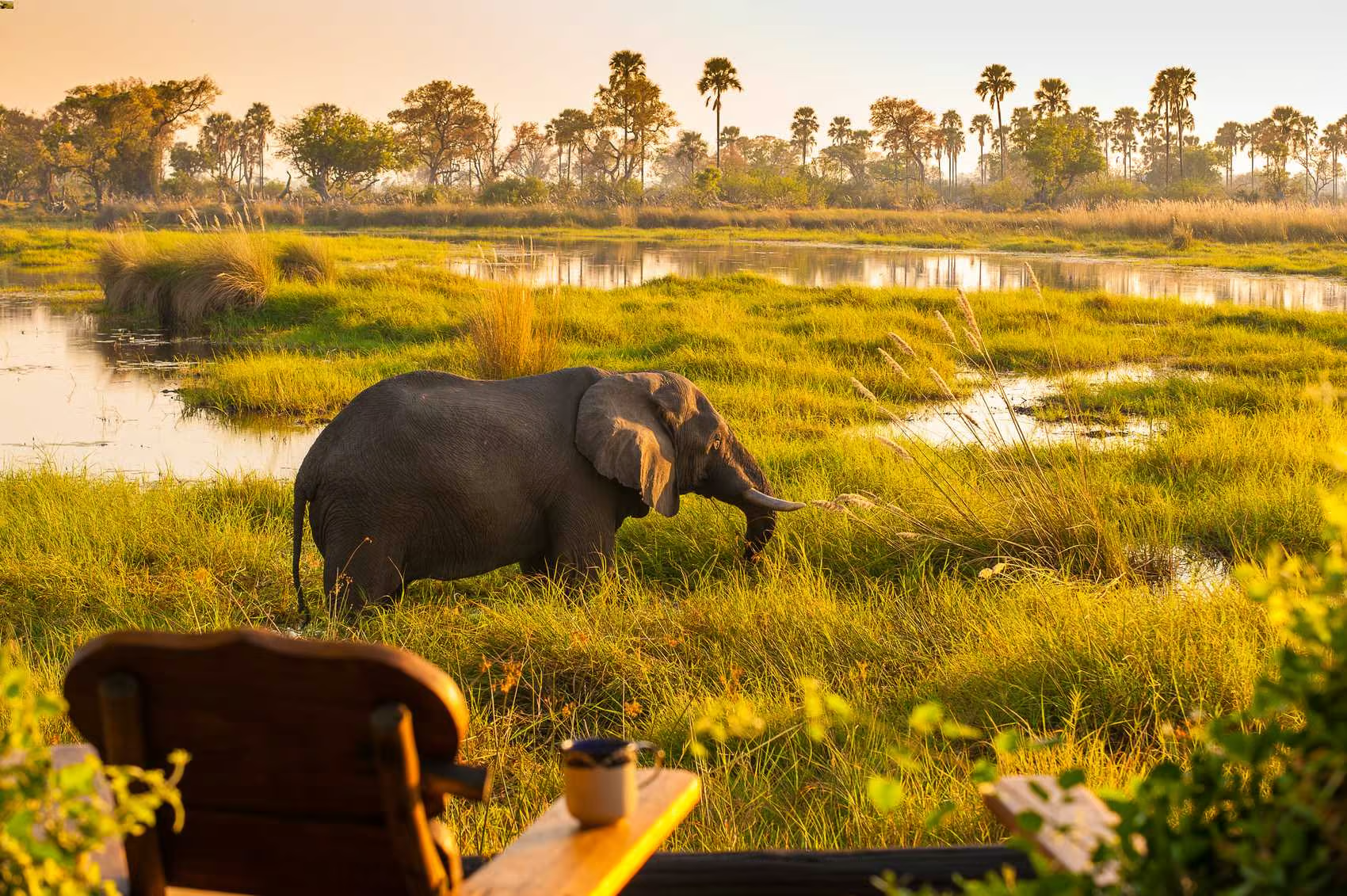
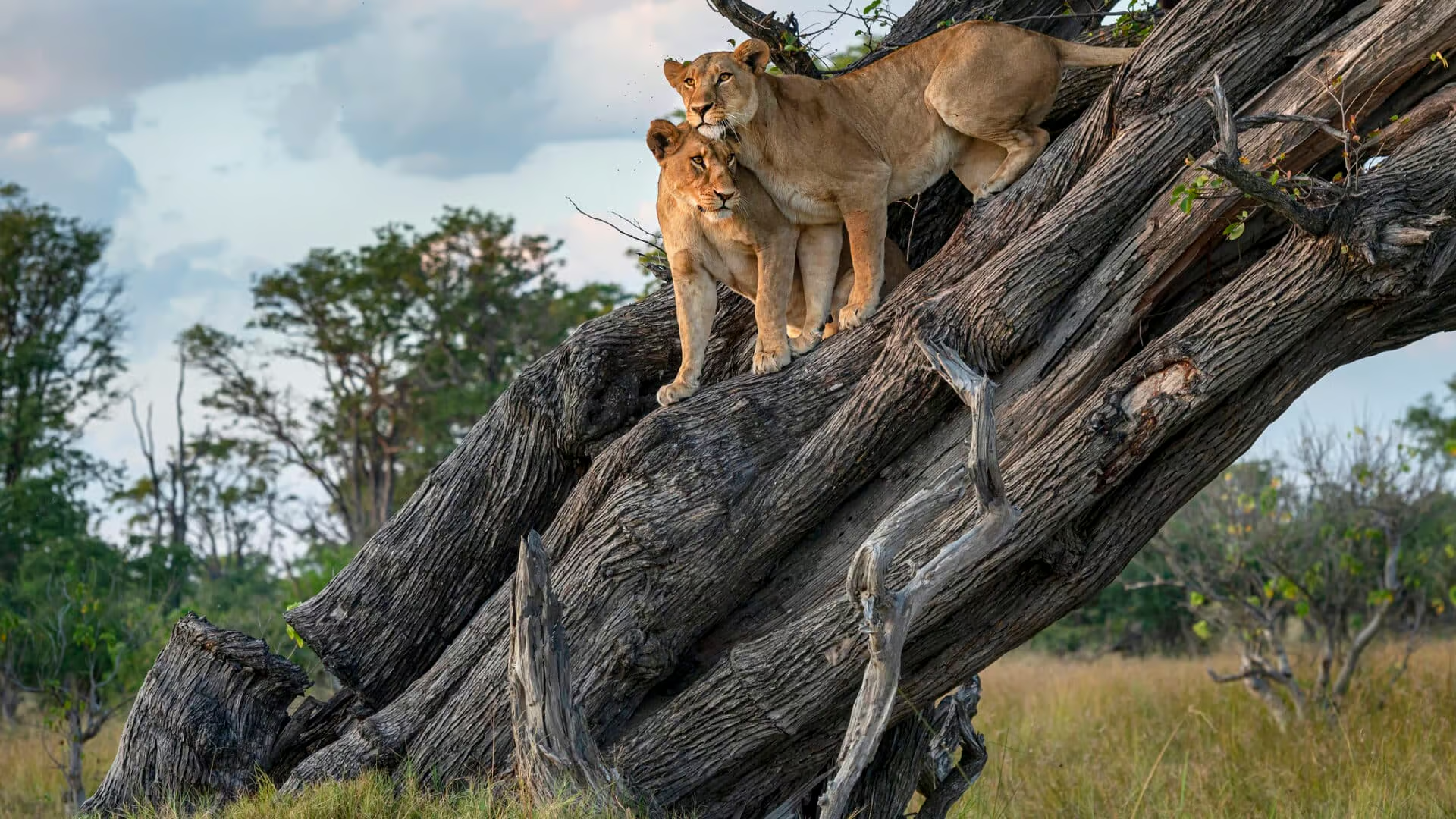
Shaba Gallery

Slide 4
Slide 3
Slide 2
Slide 1

Where To Go In Shaba

Shaba brims with diverse places to explore — from rugged hills and riverbanks to cultural enclaves and bird‑rich forests. Here are 15 highlights:

Shaba Hill

A volcanic cone rising out of the plains, Shaba Hill offers dramatic vistas at sunrise or sunset.

Ewaso Nyiro Riverbanks

Lush palm groves and riverine forest lining the Ewaso Nyiro are magnets for wildlife, especially in dry seasons.

Natorbi Rock

A rocky outcrop with sweeping 360° views — perfect for surveying the reserve and photography.

Chaffa Plateau

Open grasslands stretch across Chaffa Plateau, where oryx, zebra, and gazelles graze and predators prowl.

Crocodile Point

Along the river’s edge, Nile crocodiles sun themselves here; a high‑chance spot to see these ancient reptiles.

Riverside Forests

Thick shady forest lines many river shores — a haven for birds, monkeys, and tranquillity.

Doum Palm Groves

Clusters of doum palms offer shade, character and contrast against the arid backdrop.

Volcanic Lava Flows & Outcrops

Jagged lava fields and rocky terrain provide cover for leopards, small game and rare flora.

Four Natural Springs

Scattered springs bring water even in dry times — these become gathering points for animals.

Alkaline Grasslands

Sparse grasslands with alkaline soil support specialised species adapted to hard conditions.

Small Marsh Areas

Seasonal marshes swell after rains, drawing birds, grazers and the beauty of ephemeral wetlands.

Cultural Samburu Villages

Meet local Samburu communities for dance, crafts, and insight into pastoralist life.

Game Viewing Hides

Concealed hides near waterholes or riverbanks give you up‑close wildlife moments without disturbance.

Scenic Campsites by the River

Spend a night under the stars beside Ewaso Nyiro — sound of river, wildlife at dusk, pure immersion.

Best Time To Visit Shaba

Shaba is a year-round safari destination, but the best time to visit is during the dry seasons (June to October and December to March), when wildlife viewing is at its peak.

Shaba Safari in January

Sunny and dry, January is excellent for wildlife sightings as animals gather at water sources. It’s also a great time for birdwatchers, with migratory species still in the area.

Shaba Safari in February

Dry and warm, February offers exceptional game viewing in Shaba’s open landscapes. This month sees fewer visitors, making it ideal for a quieter, more exclusive experience.

Shaba Safari in March

Early March is still dry, but the short rains may start later in the month. Wildlife remains active, and the landscape begins to green, offering lovely photography opportunities.

Shaba Safari in April

The long rains arrive, bringing lush vegetation and fewer tourists. While some roads may be muddy, it’s a beautiful time for birdwatching and enjoying the reserve’s renewed vibrancy.

Shaba Safari in May

Still within the rainy season, May is Shaba at its greenest. Wildlife may be harder to spot in the thick vegetation, but the scenery is stunning and peaceful.

Shaba Safari in June

The rains subside and cooler temperatures set in. June marks the start of the dry season, making it one of the best times for game drives and walking safaris.

Shaba Safari in July

Dry and clear, July is a top safari month. Game viewing is excellent as animals gather around remaining waterholes, and the landscape is open and accessible.

Shaba Safari in August

Peak safari season continues with warm, dry weather. This is an excellent month for spotting predators and large herds, as well as enjoying cultural excursions.

Shaba Safari in September

Still dry and perfect for safari, September offers great wildlife activity with fewer crowds than August. The landscape begins to hint at the coming short rains.

Shaba Safari in October

Short rains may begin late in the month, but early October is still ideal for safaris. The combination of wildlife movement and mild temperatures makes it very rewarding.

Shaba Safari in November

Short rains arrive, transforming the scenery into a lush haven. While game viewing may be slightly more challenging, the skies and landscapes are dramatic and beautiful.

Shaba Safari in December

The rains taper off and the holiday season begins. Wildlife becomes easier to see again, and festive travel makes this a popular and exciting time to explore Shaba.

Our Recommended Activities In Shaba

Explore our recommended experiences in Shaba and find your perfect way to connect with its natural beauty.

Chief’s Island

Moremi Game Reserve

Makgadikgadi Pans

Chobe National Park and Savuti Marsh

Khwai

Chief’s Island

Our Recommended Activities In Shaba

Explore our recommended experiences in Shaba and find your perfect way to connect with its natural beauty.

Chief’s Island

Moremi Game Reserve

Makgadikgadi Pans

Chobe National Park and Savuti Marsh

Khwai

Chief’s Island

Safari Lodges, Tented Camps and Villas
in Shaba

Savute Elephant Lodge, A Belmond Safari

Belmond Savute Elephant Lodge is a luxury lodge in Chobe National Park known for its...

African Bush Camps Atzaro Okavango Camp

Welcome to Atzaro Okavango, a premier safari destination that offers sustainable luxury in the heart...

Cha Cha Metsi

Explore our most popular safaris in Botswana and experience the magic of its untouched wilderness.cvbcccccccccccccccccccccc

What You Need To Know About Shaba Safaris

Find everything you need to know to plan your Shaba adventure, from travel tips to essential insights for an unforgettable trip.

Shaba Food and Tipping Practices

Expect a mix of local Kenyan cuisine and international dishes at most safari lodges. Meals are often buffet or set menu-style. Tipping is appreciated—USD $10–$20 per day for guides and $5–$10 per day for camp staff is customary.

Shaba Food and Tipping Practices

A mid-range safari costs around $350–$600 per person per day, while luxury experiences can exceed $1,000 per person per day. Prices vary depending on accommodation, transport, season, and exclusivity.

Cost of a Shaba Safari

Bring lightweight, neutral-colored clothing, sturdy walking shoes, a wide-brim hat, sunscreen, insect repellent, binoculars, and a good camera. Evenings can be cool, so include a warm layer. Don’t forget travel documents and any personal medications.

Packing List for Shaba

Shaba has a semi-arid climate—hot and dry most of the year, with two rainy seasons (April–May and November). Daytime temperatures range from 25°C to 35°C (77°F to 95°F), while nights can be cooler, especially from June to August.

Climate in Shaba

Swahili and English are widely spoken, especially in lodges and with guides. The local Samburu people also speak the Samburu dialect, and interactions often include warm traditional greetings.

Languages in Shaba

Yes, Shaba is generally safe for visitors. The region is well-managed with experienced guides and secure lodges. As with any remote travel, it’s important to follow local advice, stay within designated areas, and travel with trusted safari operators.

Is Shaba Safe?

Testimonials

What People Say About Us

We are the leading travel agency offering different programs and higher education diplomas that are designed with global requirements in mind.

Your ultimate guide to exploring the world

Blog and articles

Latest travel tips and blog covering all travel experiences. Check out our mentions in different guides and articles.


Our Trusted Safari Partners in Africa

Latest travel tips and blog covering all travel experiences. Check out our mentions in different guides and articles.