
For more than 25 years we've crafted bespoke safaris in Africa, rooted in real field experience and genuine local ties.
With deep foundations in Africa, we bring you insider’s knowledge — every lodge, every trail, every hidden corner we recommend comes from firsthand discovery.
As part of the Nawiri Group, every safari contributes: helping protect fragile ecosystems and uplifting the local communities who conserve them.
As part of the Nawiri Group, every trip helps protect vital ecosystems and local communities, supporting them as they thrive together.
Your trip is safeguarded from start to finish — from booking to returning home — so you can travel worry‑free.
Honoured by Condé Nast Traveler, Travel + Leisure, and the World Travel Awards, but what truly counts are the stories our travellers share after a safari.
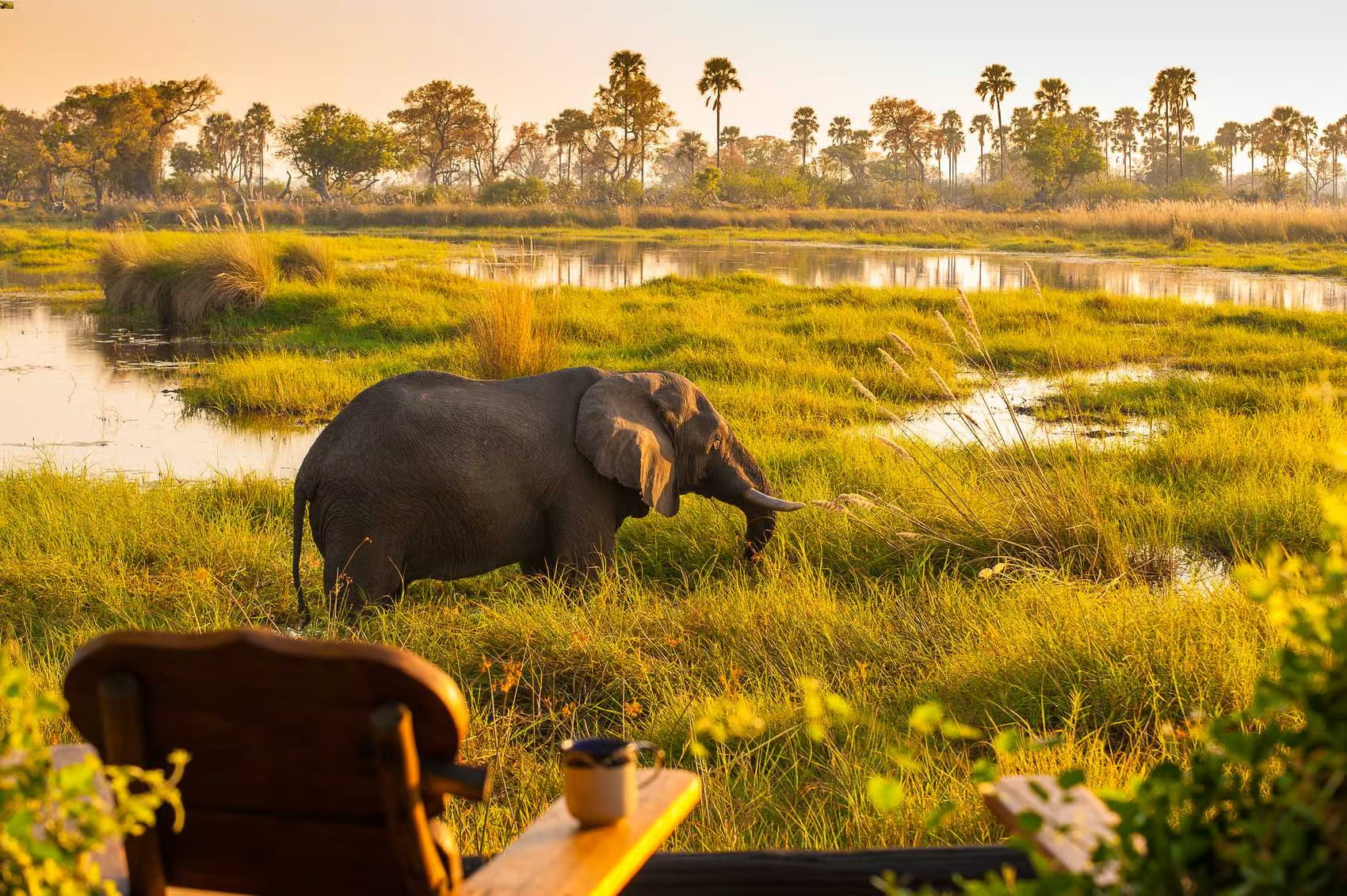
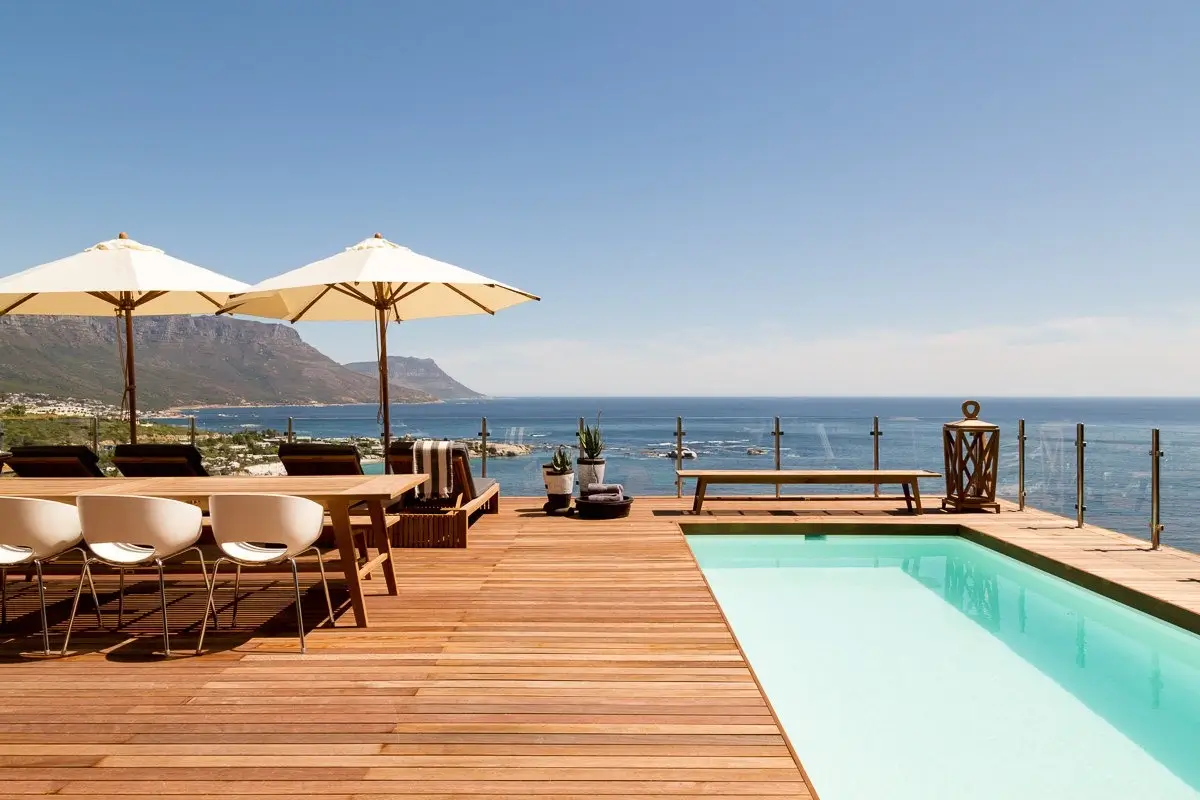

Find everything you need to know to plan your Shaba adventure, from travel tips to essential insights for an unforgettable trip.
Expect a mix of local Kenyan cuisine and international dishes at most safari lodges. Meals are often buffet or set menu-style. Tipping is appreciated—USD $10–$20 per day for guides and $5–$10 per day for camp staff is customary.
Shaba Food and Tipping Practices
A mid-range safari costs around $350–$600 per person per day, while luxury experiences can exceed $1,000 per person per day. Prices vary depending on accommodation, transport, season, and exclusivity.
Cost of a Shaba Safari
Bring lightweight, neutral-colored clothing, sturdy walking shoes, a wide-brim hat, sunscreen, insect repellent, binoculars, and a good camera. Evenings can be cool, so include a warm layer. Don’t forget travel documents and any personal medications.
Packing List for Shaba
Shaba has a semi-arid climate—hot and dry most of the year, with two rainy seasons (April–May and November). Daytime temperatures range from 25°C to 35°C (77°F to 95°F), while nights can be cooler, especially from June to August.
Climate in Shaba
Swahili and English are widely spoken, especially in lodges and with guides. The local Samburu people also speak the Samburu dialect, and interactions often include warm traditional greetings.
Languages in Shaba
Yes, Shaba is generally safe for visitors. The region is well-managed with experienced guides and secure lodges. As with any remote travel, it’s important to follow local advice, stay within designated areas, and travel with trusted safari operators.
Is Shaba Safe?
We are the leading travel agency offering different programs and higher education diplomas that are designed with global requirements in mind.
Latest travel tips and blog covering all travel experiences. Check out our mentions in different guides and articles.
Latest travel tips and blog covering all travel experiences. Check out our mentions in different guides and articles.


















Website Usage Terms & Conditions | Booking Terms & Conditions | Privacy Policy | Notice of Collection | Sitemap


WhatsApp us