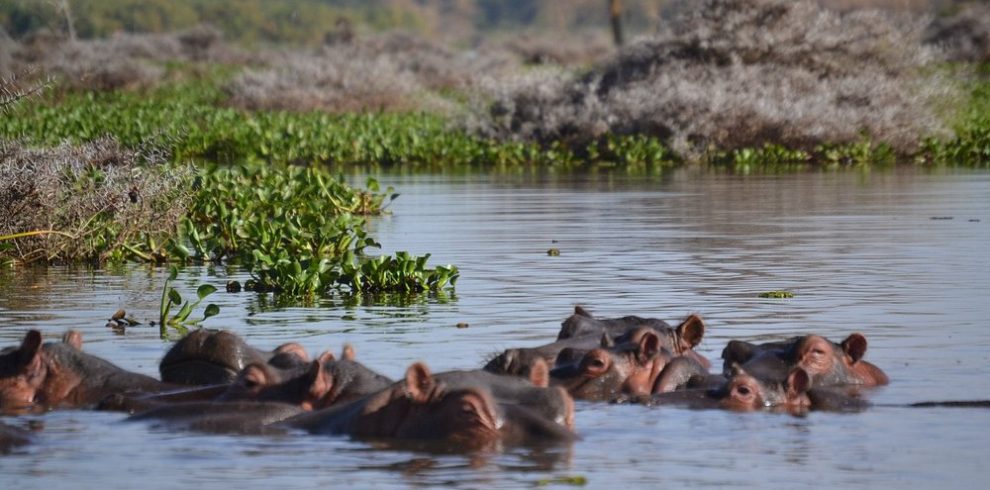
Africa is a diverse continent in the world housing wonderful scenic sceneries, distinctive wildlife and heritage. Many people have always dreamed to travel across Africa, however, with the increasing issues regarding the environment, it is important to be environmentally conscious, have a positive impact on the local people, and at the same time have a trip of a lifetime. 10 Tips to Environmentally Friendly Travel in Africa will enable you to cut down your environmental footprint, do some good to the local population and still have an experience that would last forever. This travel guide includes helpful tips and guides on how an environmentally conscious traveler can use their time responsibly, including by sustainably staying at an accommodation or by engaging in responsible interactions with wildlife.
As Africa struggles with issues such as deforestation, poaching of wild animals, and pollution, the role of a traveler is very important in the conservation of natural and cultural resources in Africa. These tips can ensure that you make positive contributions to conservation and yet you get to do everything that Africa can offer. On the safari, in the mountain, or in the city that is full of colour, these tips will make sure your holiday is a responsible, rewarding and memorable event.

The importance of Environmentally Friendly Travel in Africa.
Becoming sustainable travel is not a mere fad, but an obligation. The ecosystems of Africa are delicate and tourism may affect it in a positive or negative way. Responsible travel guarantees that the locals enjoy the positional economic benefits, the wildlife are conserved, and the natural landscapes are not degraded to be used by the future generations. With a friendly attitude to the environment, you will be helping seal conservation initiatives, cut on carbon emission, as well as boost the local economies.
Biodiversity in the continent is unmatched. The wildlife and ecosystems of Africa are priceless in terms of the presence of elephants and lions in the savannahs, the corals in its coasts and so on. The negative effects of unsustainable tourism may include destruction of habitat, pollution and exploitation. Travelers are extremely important when it comes to preserving the natural heritage in Africa, by putting into consideration environmental friendly issues. By following 10 Tips to be Eco-Friendly when Travelling in Africa, you will make sure your trip is not only fun, but also responsible.
1. Select Green Accommodation

The accommodation mode you subscribe to can also have a great effect on your environmental footprint. Green hotels, eco-lodges, and eco-resorts adopt measures like solar powered energy, water conservation, cutting down, and serving the community. During the booking process, seek certifications or other labels about environmentally friendly operations.
By staying in environmentally friendly lodges you are further cutting back on your carbon footprint as well as helping local communities. Numerous lodges use local employees, purchase food in the neighborhood, and invest in conservation initiatives. The practice is in line with 10 Tips to Environmentally Friendly Travel in Africa in that making your stay in Africa advantageous to the environment and people in the area.
2. Reduce Plastic Usage
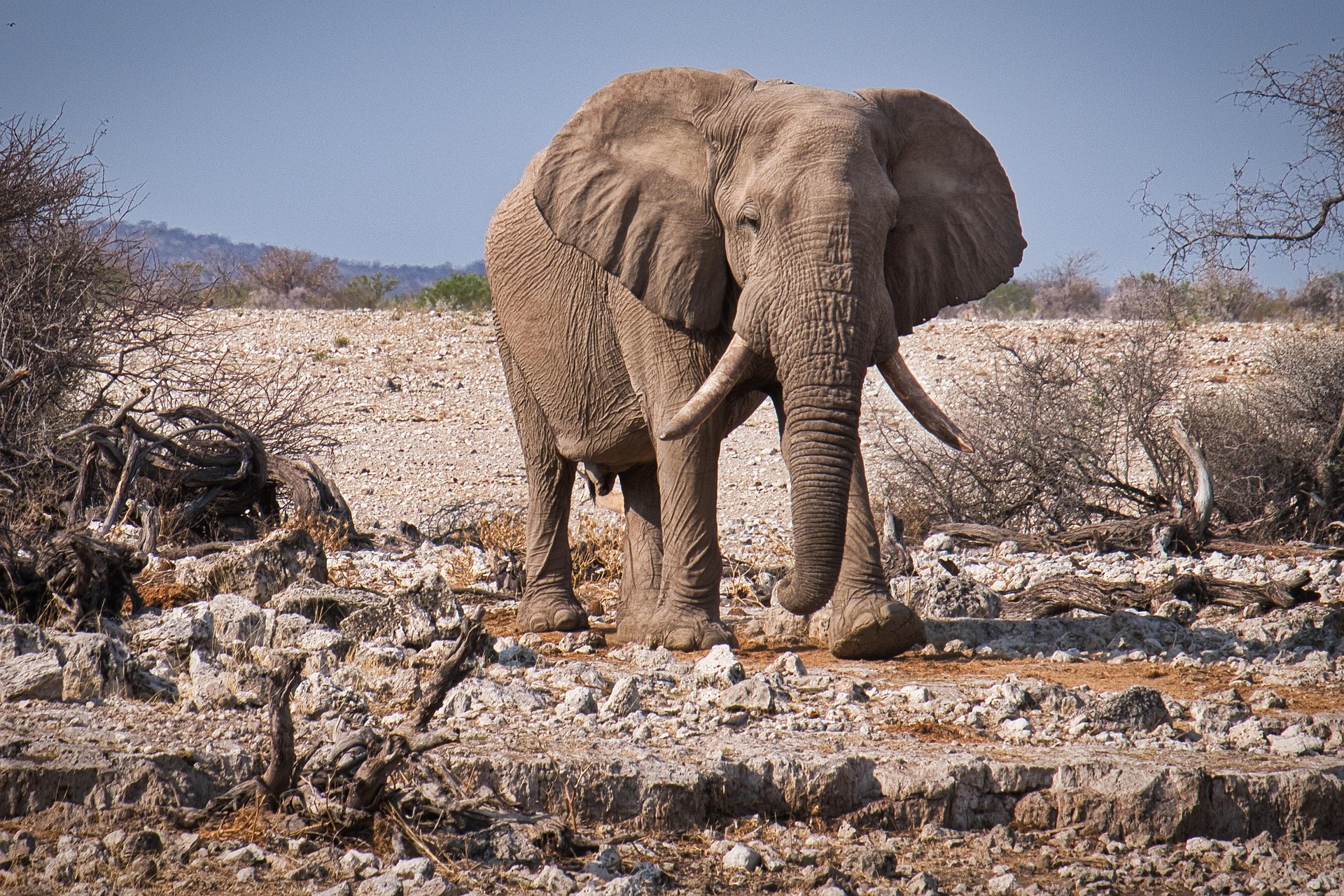
The issue of plastic and its pollution is increasing in Africa, particularly in areas where tourists are attracted to visit. Use store bags, carry shopping bins and containers to reduce one-use plastics. Shun those who use too much plastic to package their products and promote local enterprises that use sustainable packaging.
Free habits (like saying no to bottles and plastic straws) can make a massive difference. In doing so, you retain the rivers, oceans and wildlife habitats in Africa. One of the most feasible yet instant measures presented in 10 Tips for Environmentally Friendly Travel in Africa is reducing plastic.
3. Commute using Public Transport or Environmentally Friendly Methods

During traveling, one of the greatest carbon emissions comes when it comes to transportation. By opting to use public transport, share taxis or use trains, your carbon footprint is less than those of using a personal car or taking a flight. Cycling or walking tours are also a good option of sustainable exploration of landscapes and cities in some of the areas.
Think of trains or buses as alternatives to short-haul flights when travelling over a long distance within Africa. Responsible traveling can also be achieved through carpooling or participating in guided tours, which visit fuel efficient vehicles. The use of greener modes of transport is also a very important aspect of 10 Tips to Environmentally Friendly Travel in Africa.
4. Promote Small, Local and Green Business
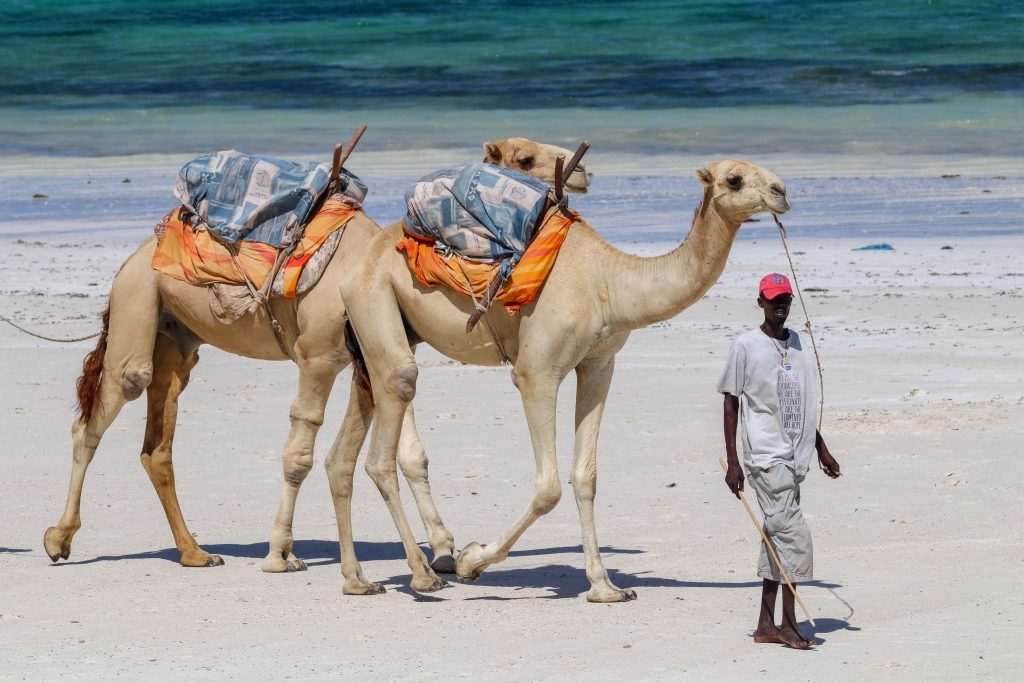
As a tourist, the way you spend can positively impact the community. Buy hand made art, use local guides, dine in locally owned restaurants, and book tours that employ local employees. Do not use large international chains that fail to reinvest in the local economies.
By promoting sustainable businesses, tourism income will stay in the community to support education, health and conservatory efforts. When the traveler is concerned about ethical expenditure, it enhances social and environmental resilience in Africa. The justification of supporting local businesses is in harmony with the main ideas of the 10 Tips to Travel Environmentally Friendly in Africa.
5. Honor Nature and Its Resources

The wildlife is one of the major attractions in Africa. It is an experience that is memorable in places like safari tours in Kenya and Tanzania and gorilla trekking in Uganda as people get to see animals in their natural environment. Nevertheless, to prevent disturbance and destruction of environment of animals, there should be ethical wildlife viewing.
Parks and guides guidelines advise that one should maintain a proper distance between animals and must not feed them. Do not patronize animal exploitation attractions like animal acts or animal manipulation. The biodiversity of Africa is human-friendly through the respect of natural habitats. This is one of the main themes of 10 Tips to Travel environmentally friendly in Africa.
6. Conserve Water and Energy

Regions with water shortages, and energy problem are found in Africa. But it is not only responsible, but also necessary to conserve the resources on your way. Such basic measures as reusing towels, taking shorter baths, switching on lights and fans when not needed, and reducing the amount of air conditioning will help.
The small usage of energy is already being done in many eco-lodges and hotels, however what is also important is individual conduct. Connecting with water and energy use is a pragmatic and efficient measure of sustainable traveling as well as a part of 10 Tips to Environmentally Friendly Travel in Africa.
7. Cut Your Carbon Footprint

One of the greatest sources of greenhouse gas emissions in the case of travelers is air travel. Though air travel cannot be avoided, you can balance your carbon footprint by donating to certified environmental initiatives. The most effective methods of balancing your impact are planting trees, supporting renewable energy programs, or contributing to wildlife conservation programs.
In creating itineraries, pair destinations to reduce on numerous long journeys and unwarranted traveling. Emission reduction is fundamental in conservation of the natural beauty in Africa and this is featured in 10 Tips in Environmentally Friendly Travel in Africa.
8. Select Responsible Safari Tours

African travel is synonymous with safaris, and it is important to make an ethical selection among operators. Choose tour operators which follow conservation policy, hire locals, do not violate laws that protect wildlife. Tours in which wild animals are close to humans should be avoided.
Returning the wildlife to its natural state through responsible safari tours can assist in bettering the lives of the local communities. When you book ethical tours, you know your adventure will be sustainable, which is a major statement in 10 Tips to Travel Green in Africa.
9. Take part in Community-based Tourism
The community-based tourism enables the traveler to interact with the local culture and at the same time contribute toward the well being of the communities. Visiting of artisan workshops, training in local cuisine or initiation into cultural rituals are all immersive activities with economic ends staying local.
The given form of tourism also promotes environmental stewardship because communities have an idea of what a good conservation of natural and cultural resources is. One of the most rewarding things to do in 10 Tips on Environmentally Friendly Travel in Africa is the incorporation of community-focused experiences.
10. Educate Yourself and Others

Lastly, knowledge is one of the most profound methods of travelling responsibly. Research environmental issues, wildlife protection, and cultural issues prior to your visit. Post your experience and knowledge to fellow travelers and bring awareness.
It is once again better options by educated travelers, responsible tourism, sustainable initiatives that promote responsible tourism in the world. Creating awareness enhances the good impact of your visit and it is the last and the most important in 10 Tips to Environmentally Friendly Travel in Africa.
Satellite: 10 Environmentally Friendly Africa Travel Tips
Africa is the most beautiful, adventurous and culturally rich destination, but responsible traveling is essential to preserve it. Through a visit to Africa, you can have a wonderful experience by reducing the effects on the environment, intended to help locals, and to protect wildlife and so on, by using 10 Tips to Environmentally Friendly Travel.
Opting to stay in an eco-friendly hotel or minimize the consumption of plastics, patronizing the local business and a humane safari excursion is a step in the right direction towards sustainability. Through conservation, culture and conscious tourism, Africa will be a treasure to the future generation.
Your travel choices matter. Through such green practices, not only do you explore Africa on its real face but you also leave your own positive legacy. As an adventure, you can tour savannahs, climb mountains, or explore the local culture, but with 10 Tips to Environmentally Friendly Travel in Africa, you will be assured that your exploration will be both rewarding and accountable. Africa is there–waiting to be discovered, explored, and sustainably explored.