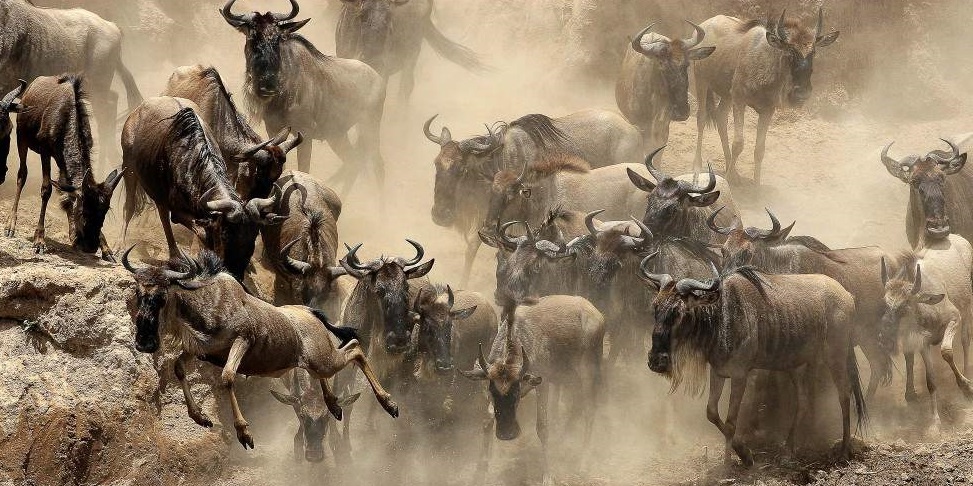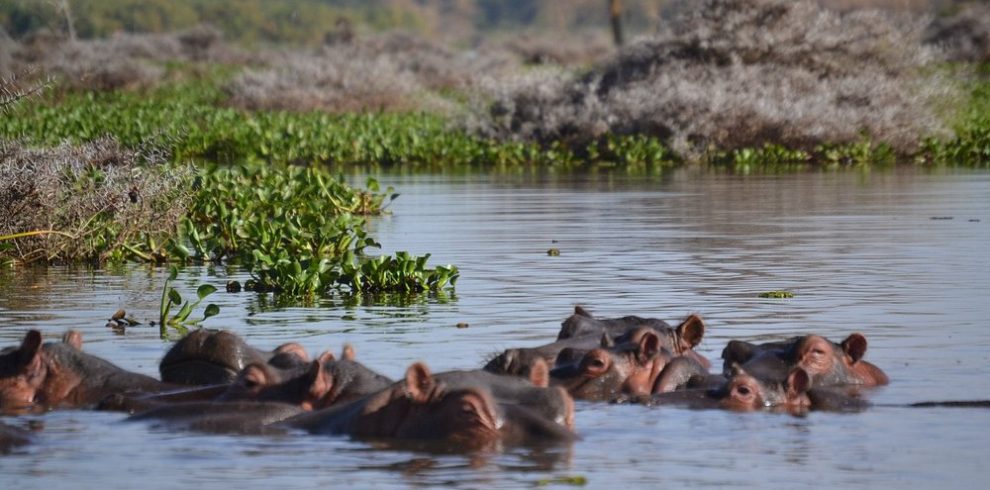
Tanzania also boasts of some of the most recognizable wildlife in Africa with extensive plains abounding with elephants, buffaloes, giraffes, and most importantly, the all-powerful lions. Over the years, however, these apex predators have deteriorated drastically owing to several aspects which include loss of their habitat, man-wildlife confrontation, poaching, and loss of prey. Conservationists and wildlife organizations in reaction to this mounting crisis have intensified their campaigns to conserve lions and other carnivores in Tanzania and the Ruaha Carnivore Project (RCP) is one of the most effective project. The paper examines the history of the Ruaha Carnivore Project, how it is preserving lions in Tanzania, its creative approaches, achievements, as well as difficulties.
The Fate of Lions in Tanzania.
Tanzania which is home to an estimated 16,000 lions is regarded as one of the remaining strongholds of the mighty animals in Africa. This population has however declined drastically in recent decades. The International Union of Conservation of Nature (IUCN), has classed lions as vulnerable and there are currently no more than 23 thousand lions on the entire continent of Africa. Ruaha National Park is one of the most significant safeguarded locations in Tanzania, and the lion population is dependent on the park; however, the species is endangered severely.
Human-Wildlife Conflict: expand As human communities grow around the national parks and game reserves, lions are finding themselves in unprecedented clashes with the local populations. To protect the livestock, farmers usually retaliate by using poison on the lions or in killing them in an attempt to keep away the lions.
Loss of Prey: Lions require a healthy population of the herbivores (zebra, buffalo and gazelles). Due to overhunting and destruction of habitats, the available prey has decreased, and this produces unimaginable pressure on the lions to explore the regions of human settlements to get food.
Poaching and Illegal Hunting: Lions too are victims of illegal hunting and/or trophy hunting. Although there are laws against uncontrolled hunting, poaching of body parts as an alternative medicine including teeth, claws, and even skins are an on-going menace.
Ruaha Carnivore Project (RCP): An Overview.
The Ruaha Carnivore Project was initiated in 2009 with the aim of preserving carnivores particularly lions in the Ruaha ecosystem in Tanzania. The project aims at learning the dynamics of human-wildlife conflict, tracking the populations of the lions, and dealing with the factors, which fluctuate behind the carnivore populations decrease. RCP has its headquarters in the Ruaha National Park, although it operates on adjacent territories engaging communities, government agencies, and conservation bodies in its endeavours to guarantee the existence of these legendary predators.
The project is under the umbrella of Tanzania Wildlife Research Institute (TAWIRI) and works with other wildlife organizations in Tanzania, namely, Tanzania National Parks (TANAPA) and Tanzania Wildlife Authority (TAWA). Moreover, RCP collaborates with global organizations including the Wildlife Conservation Society (WCS) and the African Wildlife Foundation (AWF) in order to implement successful conservation policies.
Some Strategies of the Ruaha Carnivore Project.
The multi faceted nature of the Ruaha Carnivore Project made it succeed in conservation of lions. The project has executed a mixture of proposal, community intervention, and feasible interventions in reducing the risk that the lions face and their habitat. The following are the important plans that make RCP a ray of hope to save the lions in Tanzania.
1. Human-Wildlife Conflict Reduction.
Instead of hunting and being hunted, the human-wildlife conflict especially between the lions and the local farmers seems to pose one of the biggest threats to the Ruaha Carnivore Project. Lions tend to attack livestock in rural places near Ruaha National Park resulting in revenge murders among farmers. To resolve this, the RCP has been the first to develop a number of programs focused on mitigating conflict and safeguarding the livelihoods of the local communities along with the lions:
Livestock Enclosures (Bomas): This project encourages the building of livestock enclosures that are lion-proofed (bomas). The materials used in construction of these bomas include thorn bushes or steel mesh that guard livestock against attacks by lions at night. Through the implementation of practical and affordable solutions such as RCP has eased the occurrence of lion attacks on livestock.
• Lost Livestock Compensation: RCP extends its collaboration with the local authorities to compensate the farmers whose livestock is attacked by lions. Such compensation is intended to support the mitigation of financial losses and minimize the urge to kill in revenge.
• Community Outreach and Education: The project holds outreach campaigns in which local communities are sensitized about the significance of lions and their function in the ecosystem. It is also through education campaigns that educators teach farmers non-lethal ways of keeping their livestock safe, just to mention that coexistence with wildlife is a great thing to do.
2. Lion Surveillance and study.
Ruaha Carnivore Project gives much emphasis to the lion population and behavioral studies. Through the reliance on GPS collars, camera traps, and field surveys RCP monitors the lion movement, population density, and interaction with human settlements. The information can be extremely essential in attaining informed conservation decisions and intervention design.
GPS Collaring – RCP has been able to equip a few of the lions with GPS collars to monitor them on their movements in real-time. The technology provides the project team with the ability to track the whereabouts and behavior of lions, enabling them to be able to predict possible areas of human-wildlife conflict. GPS information is also used to identify areas of wildlife movement that are vital in ensuring that lions move freely and hunt their prey without entering into the regions where humans reside.
Population Surveys: The project carries out frequent surveys as an estimative of the lion population in the Ruvu area and in the Ruaha. Such surveys are useful in determining the trends in population growth or fall and also gauge the efficiency of the conservation efforts.
• Behavioral Research: Learning how lions behave is important in the creation of methods of their conservation. The research teams of RCP focus on the dynamics of lion pride, its hunting, and relationships with other carnivores. This information is exploited to make decisions on how to control the population of lions and minimize the threats endangered on their existence.
3. Environmental Recovery and Land Conservation.
Preservation of the lions of RU do not only concern the management of the human-wildlife conflict, but also the habitat of the lion. Ruaha ecosystem has a rich variety of wildlife occupying an area of above 20000 square kilometers. But fragmentation of habitat, poaching, and agricultural land development to agricultural industry is a big threat to the survival of the lion among other wildlife species.
In its effort to mitigate these issues, RCP is engaged in a number of ecological restoration projects:
Wildlife Corridors: The project has contributed a lot on the identification and protection of wildlife corridors where the lions and other animals get to move across protected areas freely. These corridors are essential in genetic diversity and they aids in ensuring that the lions have access to diversified habitats and predators.
• Anti-Poaching activities: RCP assists with anti-poaching patrols and collaborates with local governments to ensure the decrease of illegal hunting and trafficking of wildlife. The project is beneficial in terms of ensuring that lions are not poached by increasing the number of rangers and providing them with the capacity to guard the animals.
• Rewarding Conservation with Ecotourism: RCP facilitates ecotourism sustainability, where the ecotourism funds conservation activities and is another source of income to the local community. The project assists in changing the mindset of communities that engage in livestock farming to the one that focuses on conservancy by including them in wildlife based tourism.
4. Livelihood and Community Involvement.
The active involvement of the local communities in conservation is the key to the achievement of conservation. The Ruaha Carnivore Project realizes that to make lions successful, local residents of conservation zones must feel positive consequences of the protection program.
The Community Based Conservation Initiatives: RCP identifies with the local community in order to create community based conservation projects wherein the community takes a direct involvement in wildlife conservation and also enjoys the requirements of the ecotourism projects. These initiatives enable communities by establishing employment opportunities in the tourism industry, including in guiding, hospitality and crafts.
– Alternative Livelihood Programs: RCP assists communities in establishing alternative livelihoods, which includes beekeeping, farming, and small scale business enterprises, as a way of livelihood compared to the overdependence on livestock farming. The project assists in increasing the household earnings and enhancing the living standard through training and provision of resources.
Ruaha Carnivore Project Successes and Impact.
The work of the Ruaha Carnivore Project has resulted in many achievements in the protection of lions and other carnivores in the area:
The lion population in the ruaha ecosystem has been observed to stabilize although some groups have even grown in number due to effective conflict mitigation activities and habitat protection.
Improved Community-Lion Relations:
qualities and changes in people local communities have tried to minimize the human-wildlife conflict, and hence people have better attitudes towards lions and are more prepared to share the wild animal.
Global Recognition: The Ruaha Carnivore Project has been able to enjoy international recognition over its innovative methods of conservation. It has been demonstrated as an example to other conservation efforts in East Africa and other locations.
Difficulties and the Way to Go.
Although the Ruaha Carnivore Project has already achieved its success, there are still some major challenges that it has to confront. Poaching is one of the long-running threats, so is the growing incursion of human settlements into the animal territory. There are also issues of climate change and habitat fragmentation.
Nevertheless, with the ongoing management of local communities, conservation agencies and the Tanzanian government, the Ruaha Carnivore Project is optimistic that it can keep on making progress in conservation of the lions. Provided that the lions of Ruaha and the ecosystem are provided with attention that they deserve, one can still count on the future of these amazing predators.
Conclusion
Conclusively, the Ruaha Carnivore Project is greatly contributing towards the rescue of the lion in Tanzania. The project has in various ways pioneered the survival of the lions in one of the most significant wildlife habitats in Africa through concrete approaches that include human-wildlife conflict reduction, habitat conservation, and community empowerment. Through constant encouragement and cooperation, the RCP has seen a light at the end of the tunnel in conservation of not only lion but the whole ecosystem of the Ruaha region so that future generations can enjoy the grandeur of the king of the jungle in the wild.