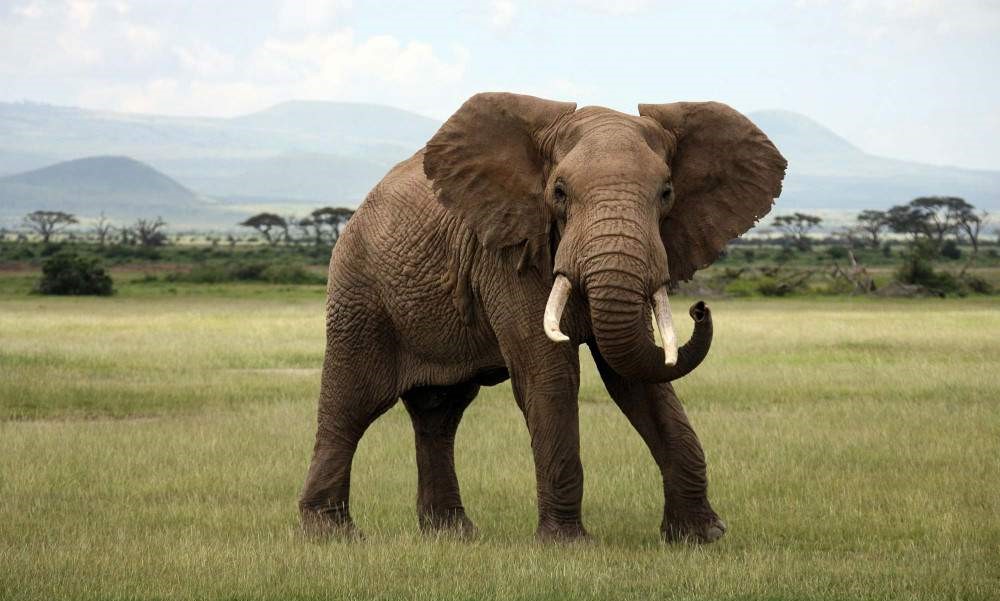
Elephants are the most iconic and glamorous creatures on this planet, which manage to seize the minds of both wildlife admirers and photographers as well as travelers. They represent a favorite and interesting animal in Africa as they are very large, intelligent and have elaborate social organization. Nevertheless, there are many threats that affect the elephants such as loss of habitat, poaching and human-wildlife conflict that have affected the population of the elephants in certain areas to a great extent.
Nevertheless, Africa has the most number of elephants in the world and this presents numerous chances of viewing the wonderful animals in the wild. Africa boasts of numerous elephant gazing sites whether in the savannahs, heavy forests or the wetlands, to those who are willing to see the animals in real life. After being the source of your inquiries of where to go in Africa to see the elephants, this detailed guide will lead you in some of the most amazing places in the continent that you can find these amazing animals.
1. Amboseli National Park, Kenya
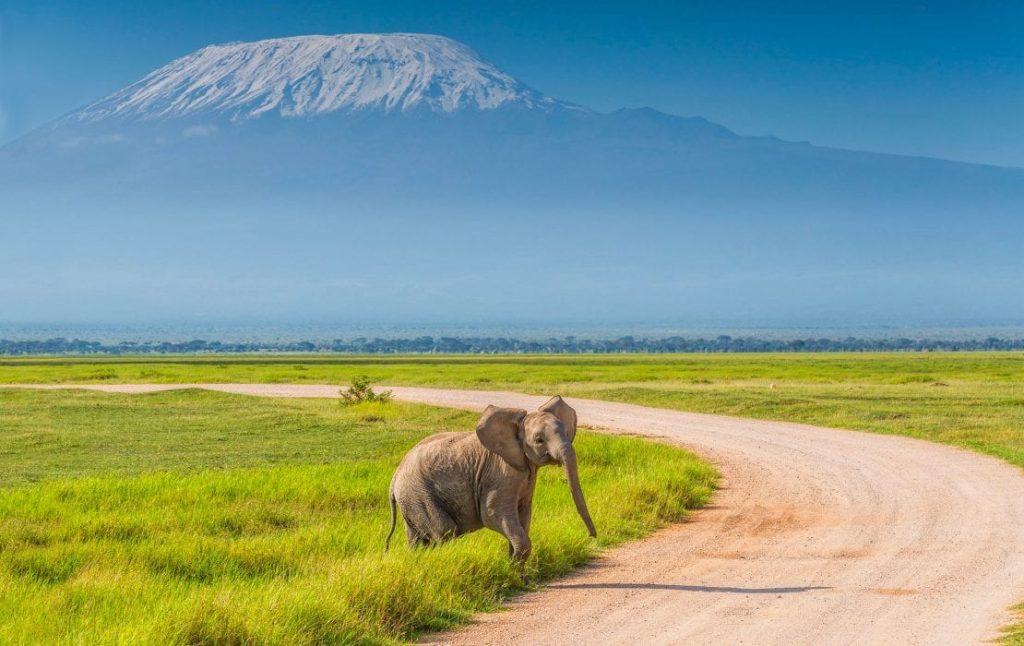
Amboseli National Park is one of Kenya’s most famous wildlife reserves and is renowned for its stunning views of Mount Kilimanjaro, Africa’s highest peak. Situated in southern Kenya, near the border with Tanzania, Amboseli is home to one of the largest elephant populations in the world, making it an ideal destination for those wondering where to see elephants in Africa.
The park has an area of 392 square kilometers and it is typified by open savannah lands, swamps and grasslands. The elephants in Amboseli are also known to have giant sized tusks and most of the elephants in this area belong to renowned family groups by which conservationists and researchers have studied over the years. Tourists going to the Amboseli will also get a chance to view extensive numbers of free roaming elephants in the plains, with the backdrop of the grandiose mountain, Kilimanjaro. The park is also very open and gives an incredible photo shooting experience since you can get the elephants in the view and capture them during the sunrise and set up.
The conservation works are also well-known in Amboseli. Amboseli Trust of Elephants has been researching and conserving the animals in the immunity since 1972; it has been in the business of conserving animals since time immemorial.
2. Chobe National Park, Botswana
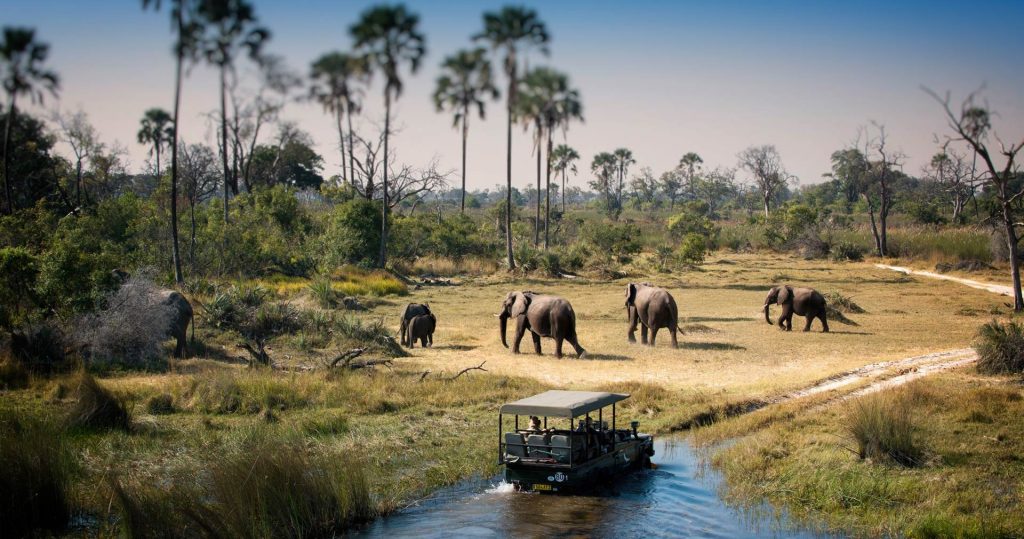
Located in northern Botswana, Chobe National Park is one of the best places to see elephants in Africa. The park is also associated with huge herds of elephants especially in the Chobe river whereby the elephants gather in huge numbers during the dry season. This is a radical habitat where the water sources, dense plants and a large number of wildlife make it the location of choice by the elephants.
There is also an approximate of 120,000 elephants in Chobe which is one of the best animals concentration in Africa. The rich ecosystems in the park including riverine mazes and floodplains and savannahs represent a good variety of animals such as lions, buffaloes, and hippos not to mention elephants. Tourists can have boat safari across Chobe River where they can observe elephants drinking and bathing, and in many cases in unbelievable close proximity. Another service that Chobe provides is the traditional game drives which enables the visitors to follow the elephants moving across the large landscapes of the park.
The park is part of the Kavango-Zambezi Transfrontier Conservation Area (KAZA), which facilitates cross-border conservation efforts and helps manage the elephant populations that roam across multiple countries, including Botswana, Zambia, Zimbabwe, and Namibia.
3. Addo Elephant National Park, South Africa
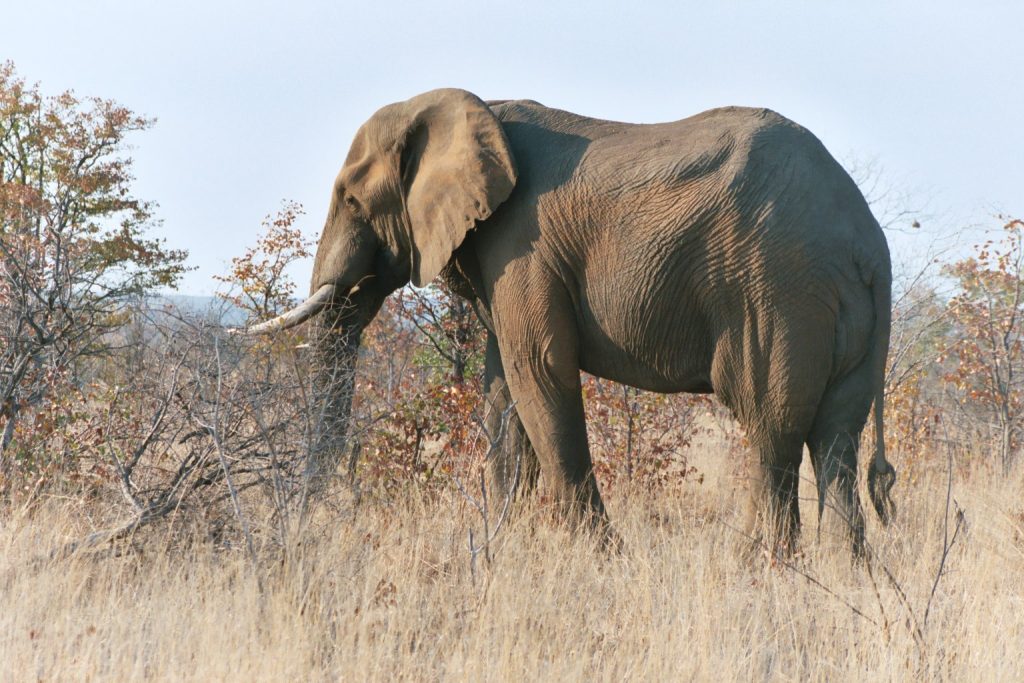
Situated in the Eastern Cape, Addo Elephant National Park is one of South Africa’s best-known reserves for elephant viewing. Initially designed in 1931 to preserve the small number of 11 elephants, Addo is currently the home of one of the largest elephant groups in the country, as there are many more than 600 of them inhabiting the park at the moment. It is among the few locations where the visitors get to view the African elephants in their natural habitat which is malaria free area which makes it a good option among families and individuals who want to have more relaxed experience in the safari.
The various scenery of Addo has different places where the elephants can be found due to the various features that the scenery contains like forest cover, grasslands and wetlands. The park also boasts other assortment of wildlife, and thus, in the same way, would be a great place to be when in search of a complete safari adventure, including lions, buffaloes, and antelope. The activities that the visitors can indulge in include game drives, walking as well as horse back safaris which are very good places to see the elephants.
It is also a great tale of conservation at the park. Over the years, the elephant population has rebounded significantly due to effective management and protection, making Addo an important model for elephant conservation in South Africa.
4. Hwange National Park, Zimbabwe
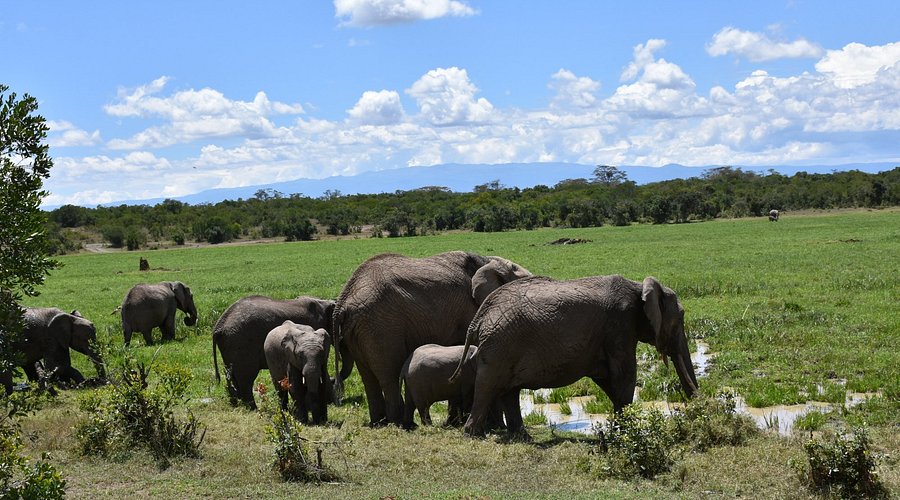
Hwange National Park is Zimbabwe’s largest national park and one of Africa’s top destinations for seeing elephants. Located in the northwest of the country, close to the border with Botswana, Hwange covers nearly 14,000 square kilometers of diverse landscapes, from arid desert regions to lush forests and grasslands.
The Hwange park is home to about 50,000 of the elephants making it one of the largest densities of elephants in Africa. The park is particularly well known on its huge herds which are seen flocking around waterholes in the dry season. The geographical position of the park is close to the Kalahari desert and as a result, it serves as a key water source to the elephants and other wild animals and hence wildlife viewing is best done in this park. Tourists are also able to get on to the conventional game drives or guided walking safaris to stalk the elephants and other wild animals occupying the large areas of the park.
Hwange has also engaged in conservation activities and the conservation efforts are directed to water source conservation as well as lessening human-wildlife antagonism. Poaching and loss of habitats were some obstacles to the population of elephants in the park, but the efforts made in conserving have shown some positive results, which means the survival of these magnificent animals would be ensured in the long-term.
5. Bili-Uele, Democratic Republic of Congo (DRC)
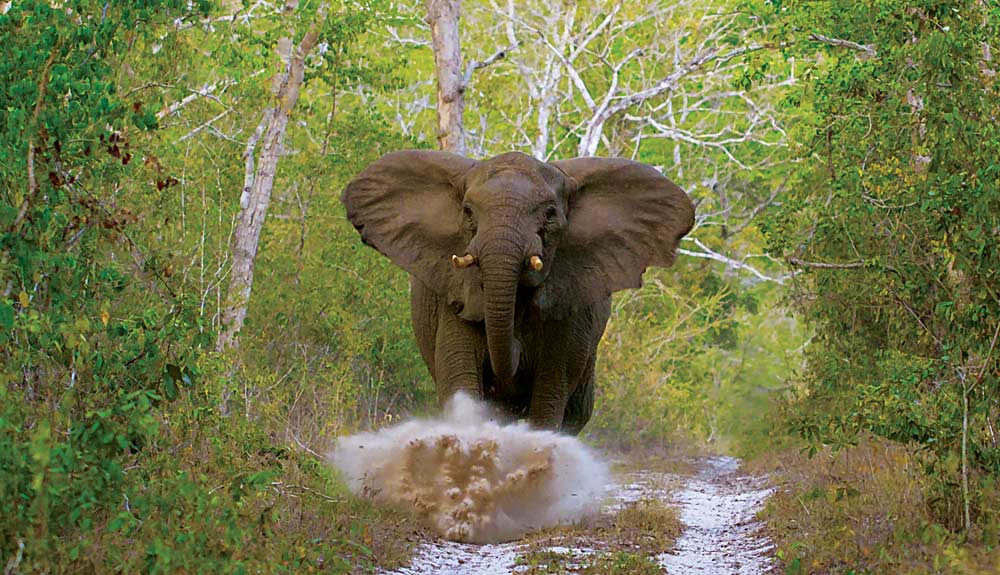
For those seeking a truly off-the-beaten-path adventure and an opportunity to see elephants in a more remote and untouched environment, Bili-Uele in the Democratic Republic of Congo offers an exciting option. The Bili-Uele region, located in the northern DRC, is home to the rare and elusive forest elephants (Loxodonta cyclotis). Forest elephants are smaller and live in the tropical forest of Central Africa as opposed to those living in the savannah.
Bili-Uele is a lesser-known region for wildlife tourism, and it is not as developed as other African safari destinations, but its isolation and pristine habitats make it one of the last frontiers for seeing elephants in a truly wild environment. The forest elephants of Bili-Uele are notoriously difficult to track due to the dense forest, but with the guidance of local experts, visitors can enjoy rare sightings of these forest giants.
The conservation of the endangered forest elephants through the region is still going on to stop poaching and destruction of the habitat, and DRC is a significant component of the larger Central African elephant conservation effort.
6. Virunga National Park, Democratic Republic of Congo (DRC)
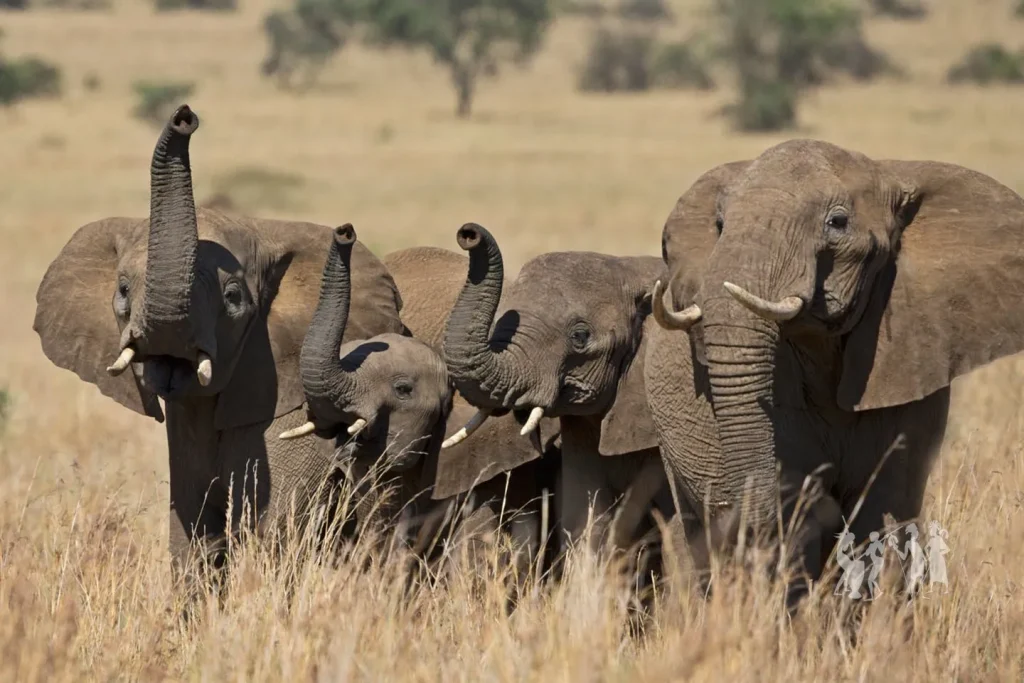
Located in the eastern part of the Democratic Republic of Congo, Virunga National Park is one of Africa’s most biodiverse and significant parks. Even though the park is also well known due to the number of gorillas inhabiting it, Virunga also hosts a healthy elephant population. These elephants can be found in the savannahs and wetlands of the park; mostly they are seen in company of other animals like the buffalo, gazelles and lions.
Virunga is especially unique in the sense that the elephants of the park are vulnerable since the park has had political instability and poaching over the past few years. Nonetheless, the conservation in Virunga has been in the continuous progress and the anti-poaching units, surveillance and community-based programs have been protecting the wildlife of the park. Tourists, who dare to explore the Virunga, are able to enjoy the expansive sceneries of the region, in addition to the elephants, they come across the activities of other endangered species such as the mountain gorillas.
7. Murchison Falls National Park, Uganda
Located in the northwest of Uganda, Murchison Falls National Park is another top destination for elephant viewing in Africa. Known for its stunning waterfall and rich biodiversity, Murchison Falls is one of Uganda’s largest and most popular parks. The Egyptians usually observe the large herds of and an elephant especially near the Nile river as they go to drink and bathe.
Other types of wildlife such as lions, giraffes, hippos, and also crocodiles are also found in the park. Game drives and boat safaris along the Nile are the best packages to see the animals which are also active in their course of action; more so when they are observed in the water or at a close to the falls.
8. Tarangire National Park, Tanzania

Tarangire National Park is a lesser-known gem in Tanzania’s northern safari circuit, yet it offers some of the best opportunities to see elephants in Africa. The park is found in the Maasai Steppe and is known to be the fun place to be in especially in the dry season whereby the elephants can be found at the Tarangire River to drink and have some rest.
The diverse topography of the park such as baobabs-infested savannahs, swamps and woodlands offer a great habitat to the entrepreneurs of poaching such as the elephants and other wild animals. Tarangire is known for having one of the highest concentrations of elephants in Tanzania, making it a must-visit destination for those seeking a more intimate, less crowded elephant experience.
Conclusion
The African continent is composed of the most diverse landscapes and ecosystems which offer refuge to its elephant species. The African continent provides some of the best locations to view the wild elephants whether you are walking in the vast rainforests or driving through the wide ranges of savannahs. From the iconic herds of Amboseli National Park to the remote forests of the DRC, there are countless places to observe these majestic creatures in their natural habitat.
Though the future of the elephant in Africa is still not clear given the way they are struggling, efforts in conserving the animals are ever increasing meaning that the future generation can be able to experience the beauty and magnificence of such magnificent creatures. It is upon these amazing destinations that the travelers have an opportunity of not only getting a close look at all the elephants but also help in protecting and conserving the said great animals.