
Experience Mikumi, Beyond Your Imagination
25+ years of expertise in 15 Africa Countries
1000+ thoughtfully selected travel partners
200,000+ travellers, many of whom return year after year

Why Travel With Exodussafaris?
25 Years of Safari Expertise
With more than 25 years of hands-on experience, we design tailor-made African safaris rooted in genuine local insight and trusted relationships.
We Know Because We Go
Our deep connection to Africa means we offer authentic, first-hand knowledge of every destination, lodge, and unique experience—including hidden treasures few others know.
24/7 Support
From your first inquiry to your safe return, we provide continuous support every step of the way, working closely with reliable local partners who share our commitment to excellence.
Every Adventure Makes a Difference
Every journey contributes to the preservation of natural habitats and the wellbeing of surrounding communities, ensuring tourism benefits both people and wildlife.
Complete Financial Protection
We prioritise your peace of mind with comprehensive financial protection, so you can plan your safari with complete confidence.
World-Class Recognition, Trusted by Travellers
Celebrated by respected travel authorities such as Condé Nast Traveler, Travel + Leisure, and the World Travel Awards, our reputation is built on both industry recognition and the trust of our travellers.
Mikumi Gallery
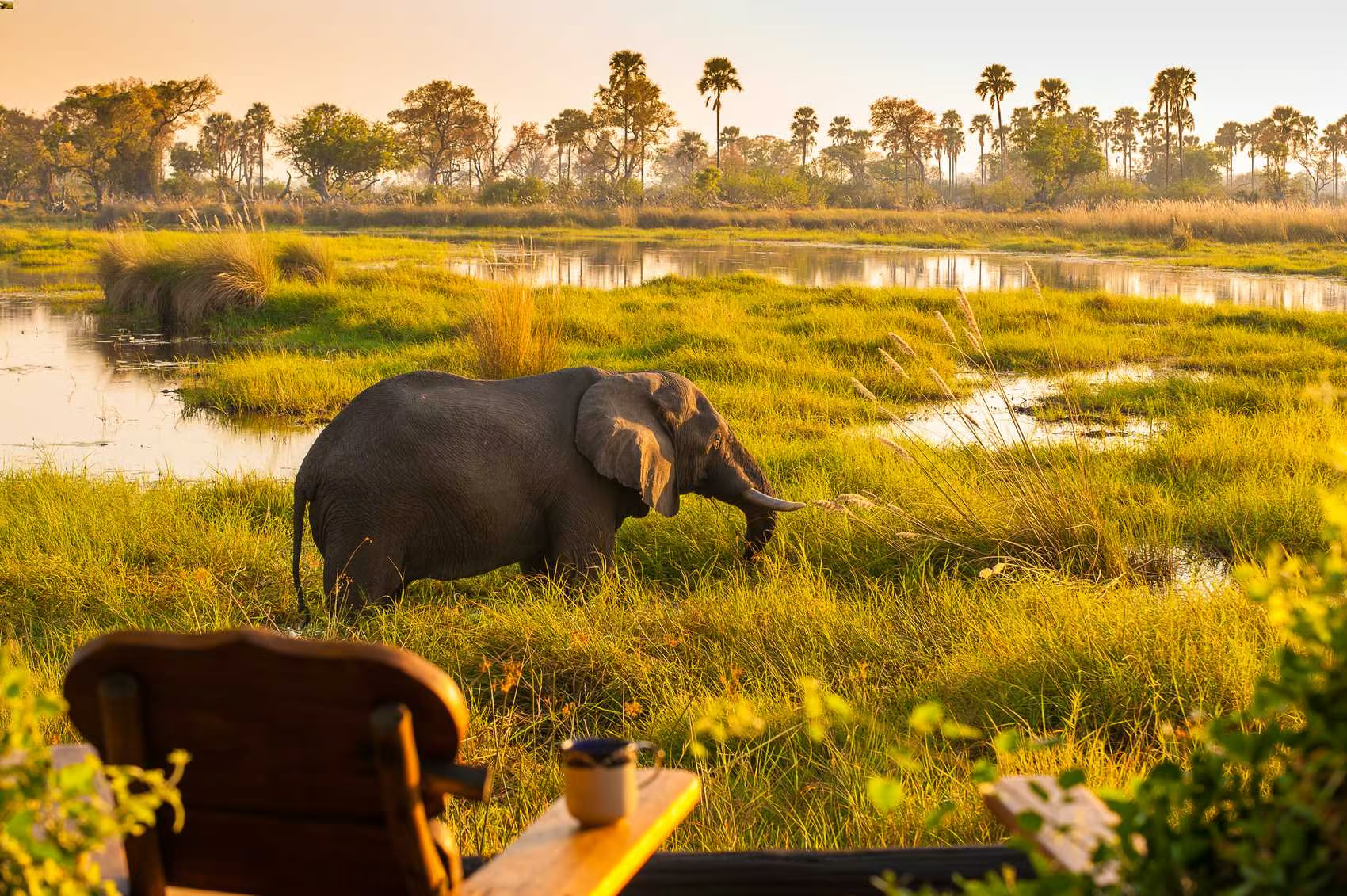
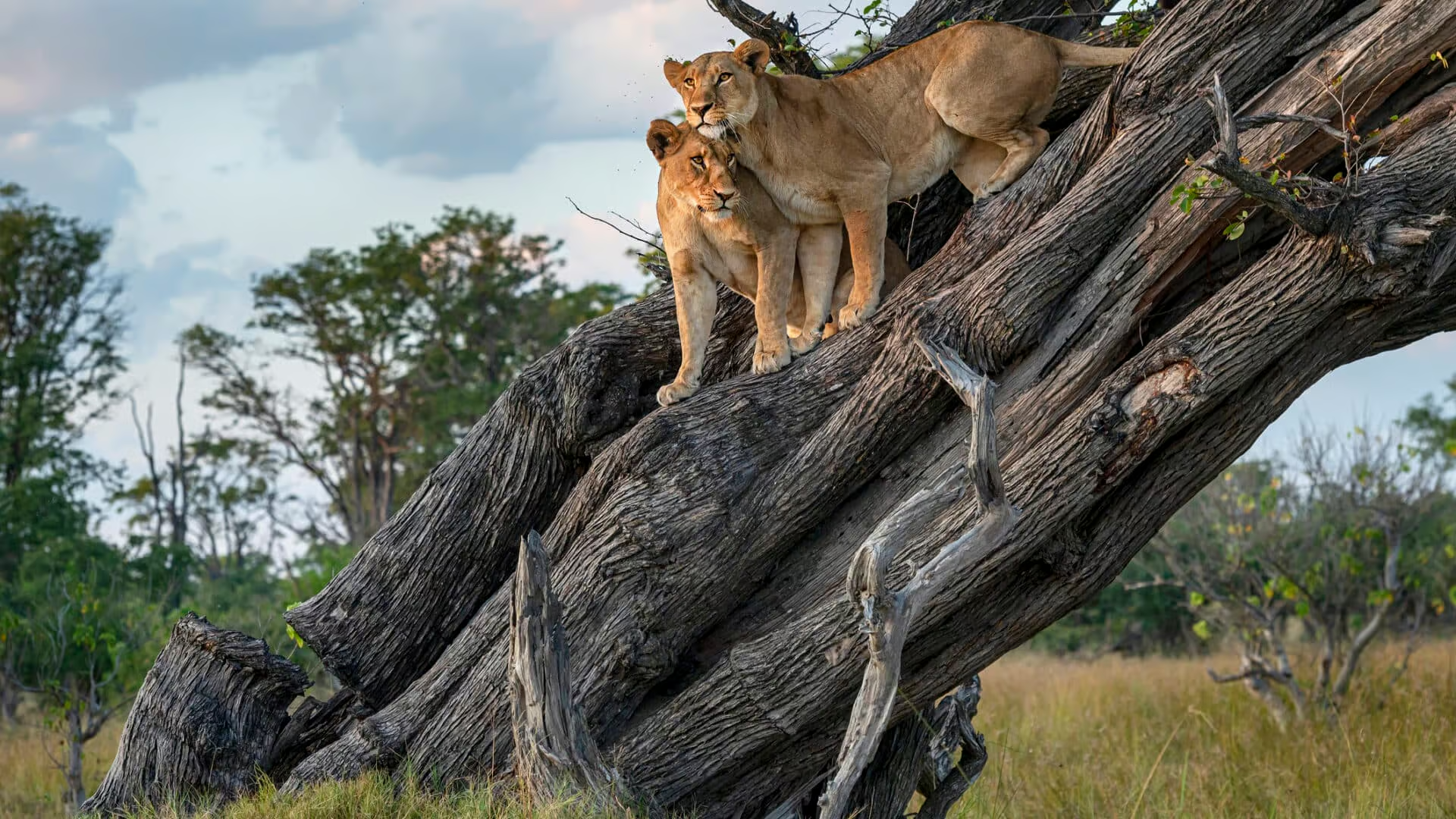
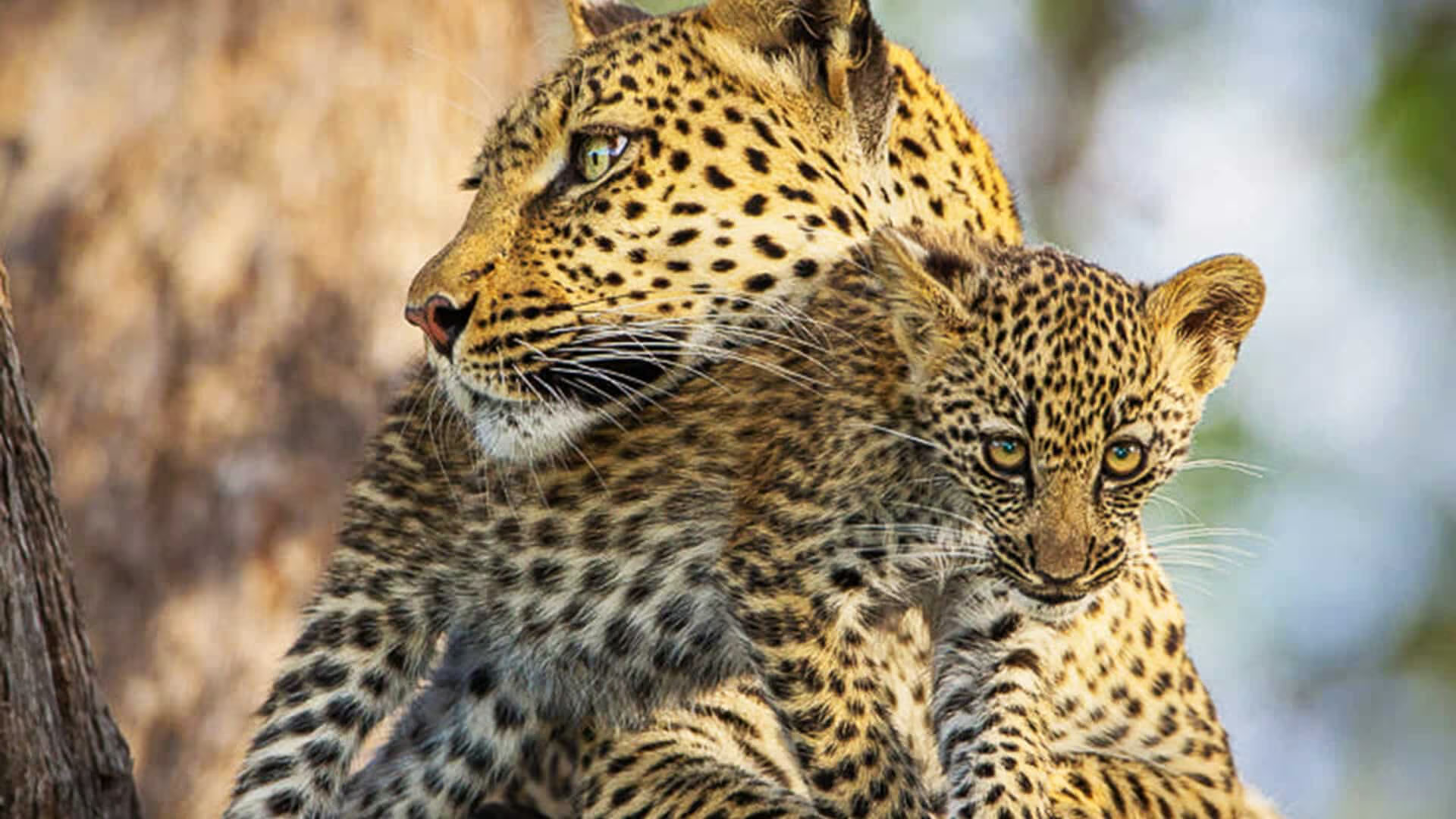
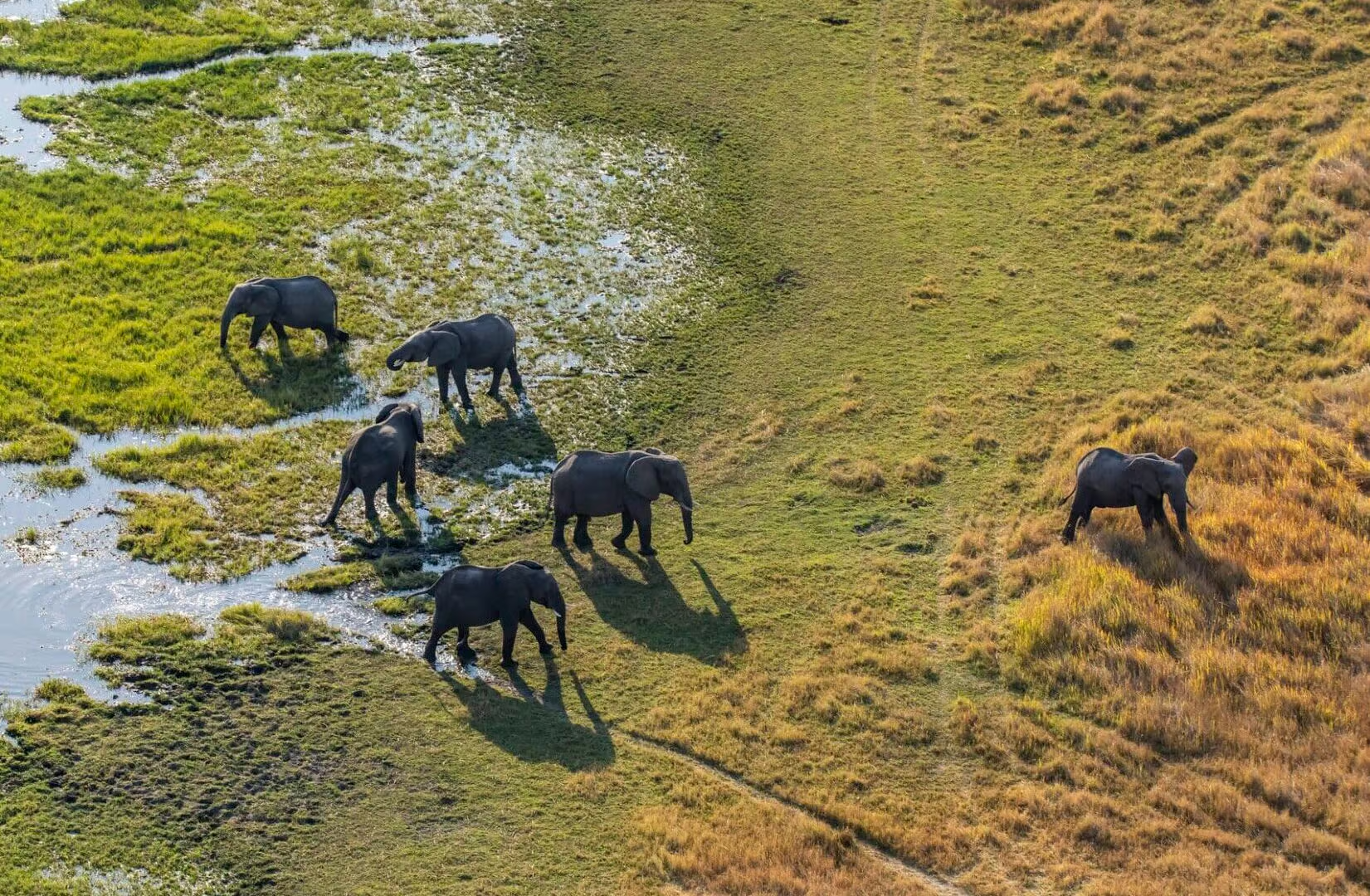
Where To Go In Mikumi
Mikumi offers a rich variety of landscapes and wildlife hotspots, making it a destination filled with diverse and rewarding places to explore.
Mkata Floodplain
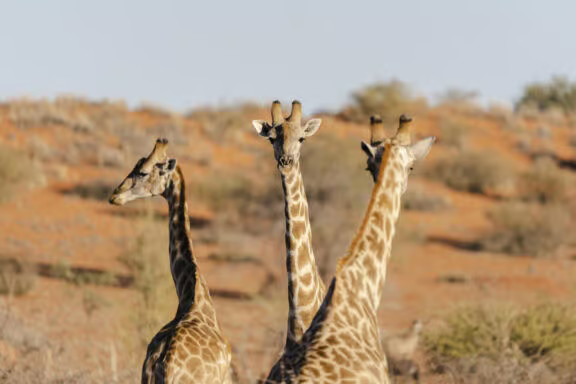
This vast open plain is the heart of Mikumi and one of the best places for wildlife viewing. Herds of elephants, zebras, and buffalo roam freely across the grasslands. Predators such as lions are often spotted here, making it ideal for game drives. The scenery closely resembles the Serengeti, offering sweeping, photogenic vistas.
Hippo Pools
Located near the main park entrance, these pools are home to large groups of hippos. Visitors can observe these fascinating animals as they wallow and interact in the water. Birdlife is abundant, with kingfishers and storks frequently seen nearby. It’s one of the easiest and most rewarding stops in the park.
Vuma Hills
Rising gently above the plains, the Vuma Hills provide a scenic contrast to the flat savannah. The area offers excellent viewpoints for panoramic photography. It’s also a quieter region where visitors can enjoy a more peaceful safari experience. Wildlife sightings here often include giraffes and antelope.
Uluguru Mountains (Viewpoints)
Although not within the park itself, the nearby Uluguru Mountains create a dramatic backdrop. Their presence enhances the beauty of Mikumi’s landscapes. On clear days, the views are stunning and worth capturing. The mountains also influence the region’s climate and biodiversity.
Mikumi Airstrip Area
This area is often a surprising hotspot for wildlife activity. Animals frequently gather near the airstrip, especially during early mornings and late afternoons. It’s not unusual to see giraffes or antelope crossing nearby. The open space provides excellent visibility for photography.
Baobab Valley
Scattered with iconic baobab trees, this area offers a unique and memorable landscape. These ancient trees add character and a sense of timelessness to the safari experience. Wildlife often gathers around them for shade. It’s a great place for both relaxation and photography.
Waterholes of Mikumi
Seasonal waterholes attract a wide variety of animals throughout the year. During the dry season, they become essential gathering points for wildlife. This increases your chances of spotting multiple species in one location. It’s also an excellent place to observe animal interactions.
Open Savannah Grasslands
The expansive grasslands dominate much of the park and are ideal for game drives. Large herbivores graze here in significant numbers. Predators are never far behind, creating thrilling wildlife encounters. The open terrain makes it easy to spot animals from a distance.
Woodland Areas
These slightly denser regions provide shelter for smaller animals and bird species. They offer a different safari atmosphere compared to the open plains. Visitors can enjoy quieter, more intimate wildlife experiences here. It’s also a great area for birdwatching.
Ruaha River (Nearby Influence)
Although primarily associated with Ruaha National Park, the river system influences ecosystems around Mikumi. It supports biodiversity and seasonal wildlife movements. The connection between parks enriches the overall safari experience. It highlights Tanzania’s interconnected natural habitats.
Mikumi Gate Area
The park’s entrance area is more than just a checkpoint. It often provides early wildlife sightings as animals roam freely nearby. It’s a great place to begin or end a safari drive. The surrounding scenery sets the tone for what lies ahead.
Birdwatching Spots
Mikumi is a paradise for bird enthusiasts, with over 400 species recorded. Various habitats across the park offer excellent birdwatching opportunities. From wetlands to woodlands, each area hosts unique species. It’s a rewarding experience even for casual visitors.
Sunset Viewpoints
The park offers several ideal spots for watching the sunset. As the sun dips below the horizon, the landscape transforms into warm hues. Wildlife silhouettes create unforgettable scenes. It’s a perfect way to end a day on safari.
Camping Sites
Designated camping areas allow visitors to experience the wild more intimately. Falling asleep to the sounds of nature adds a unique dimension to the safari. Facilities are basic but sufficient for an authentic adventure. It’s ideal for those seeking a closer connection to nature.
Best Time To Visit Mikumi
The best time to visit Mikumi is during the dry season from June to October, when wildlife is easier to spot as animals gather around water sources.
Mikumi Safari in January
January is part of the short dry season, offering good wildlife viewing conditions. The vegetation is still relatively green, providing a beautiful backdrop for photography. Animals are easier to spot compared to wetter months. Temperatures are warm but generally comfortable for game drives.
Mikumi Safari in February
February continues the dry conditions, making it another excellent time for safaris. Wildlife remains active and visible, especially around water sources. Birdwatching is still rewarding, with many species present. The weather is warm, with minimal rainfall interruptions.
Mikumi Safari in March
March marks the beginning of the long rainy season. The park becomes lush and vibrant, transforming the landscape dramatically. Wildlife is still present but may be harder to spot due to dense vegetation. Travel conditions can be more challenging due to muddy roads.
Mikumi Safari in April
April experiences heavier rainfall, making it one of the wettest months. The scenery is at its greenest, offering stunning views for photographers. However, some areas may become inaccessible. Wildlife viewing can be more difficult, but the park is quieter with fewer visitors.
Mikumi Safari in May
Rainfall continues into May, though it begins to ease towards the end of the month. The park remains lush and less crowded. Roads can still be muddy, requiring careful travel planning. It’s a good time for those seeking solitude and scenic beauty.
Mikumi Safari in June
June marks the start of the dry season, bringing improved road conditions. Wildlife begins to gather around water sources, making sightings easier. The weather is cooler and more comfortable. It’s an excellent time to visit with fewer crowds than peak months.
Mikumi Safari in July
July offers prime safari conditions with dry weather and excellent wildlife visibility. Animals are easier to spot as vegetation thins out. The cooler temperatures make game drives more enjoyable. It’s a popular month, so expect more visitors.
Mikumi Safari in August
August continues the peak safari season with outstanding wildlife viewing. Large herds are commonly seen across the plains. The dry conditions ensure easy access throughout the park. It’s ideal for first-time visitors seeking classic safari experiences.
Mikumi Safari in September
September remains one of the best months for wildlife sightings. Water sources become scarce, concentrating animals in predictable areas. The weather is dry and sunny, perfect for extended game drives. It’s a great time for photography.
Mikumi Safari in October
October is the end of the dry season and offers exceptional game viewing. Wildlife is highly concentrated around remaining water sources. Temperatures begin to rise, making it warmer than previous months. It’s still a highly recommended time to visit.
Mikumi Safari in November
November marks the start of the short rains. The landscape begins to turn green again, revitalising the park. Wildlife disperses slightly, but sightings are still possible. It’s a quieter period with fewer tourists.
Mikumi Safari in December
December features intermittent rainfall, creating a mix of green scenery and wildlife activity. Birdwatching is particularly good during this time. The park feels fresh and vibrant. It’s a pleasant time to visit for those who enjoy a quieter safari experience.
Our Recommended Activities In Mikumi
Explore our recommended experiences in Mikumi and find your perfect way to connect with its natural beauty.
Chief’s Island
Moremi Game Reserve
Makgadikgadi Pans
Chobe National Park and Savuti Marsh
Khwai
Chief’s Island
Our Recommended Activities In Mikumi
Explore our recommended experiences in Mikumi and find your perfect way to connect with its natural beauty.
Chief’s Island
Moremi Game Reserve
Makgadikgadi Pans
Chobe National Park and Savuti Marsh
Khwai
Chief’s Island
Safari Lodges, Tented Camps and Villas
in Mikumi
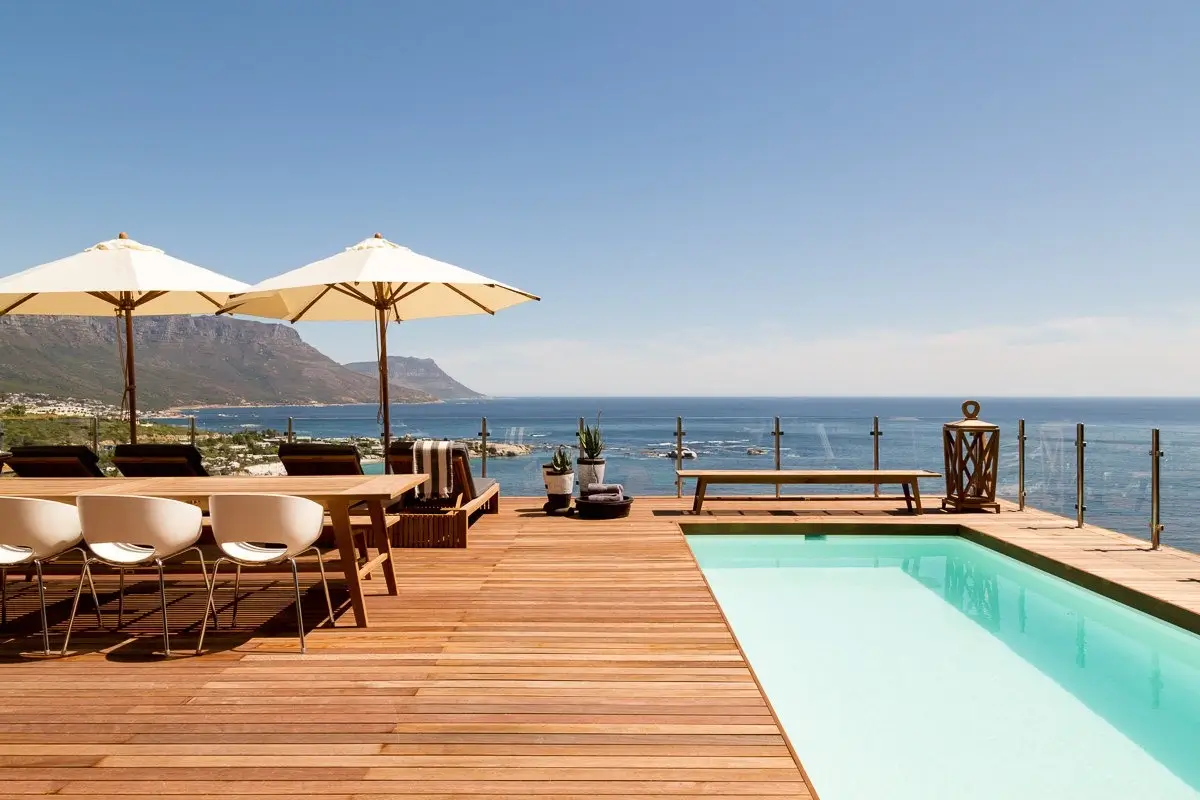
Savute Elephant Lodge, A Belmond Safari
- Botswana Chobe National Park
Belmond Savute Elephant Lodge is a luxury lodge in Chobe National Park known for its...

Luxury
African Bush Camps Atzaro Okavango Camp
- Botswana
Welcome to Atzaro Okavango, a premier safari destination that offers sustainable luxury in the heart...
Luxury
Cha Cha Metsi
- Botswana Okavango Delta
Explore our most popular safaris in Botswana and experience the magic of its untouched wilderness.cvbcccccccccccccccccccccc
Luxury
What You Need To Know About Mikumi Safaris
Find everything you need to know to plan your Mikumi adventure, from travel tips to essential insights for an unforgettable trip.
Mikumi Food and Tipping Practices
Meals on a Mikumi safari typically combine international cuisine with local Tanzanian flavours. Most lodges and camps provide full-board options, including breakfast, lunch, and dinner. Tipping is customary but not mandatory, with guides, drivers, and lodge staff usually receiving gratuities based on service quality. It’s advisable to carry small denominations of US dollars or Tanzanian shillings for convenience.
Mikumi Food and Tipping Practices
Cost of a Mikumi Safari
The cost of a Mikumi safari varies depending on accommodation, travel style, and duration. Budget safaris can start from moderate rates, while luxury experiences significantly increase the price. Costs typically include park fees, accommodation, meals, and guided game drives. Transport to and from the park may be an additional expense, especially for fly-in safaris.
Cost of a Mikumi Safari
Packing List for Mikumi
Packing for Mikumi requires lightweight, breathable clothing in neutral colours. Essentials include a wide-brim hat, sunglasses, sunscreen, and insect repellent. Comfortable walking shoes and a light jacket for early mornings are recommended. Don’t forget binoculars, a camera, and necessary travel documents.
Packing List for Mikumi
Climate in Mikumi
Mikumi has a tropical savannah climate with distinct wet and dry seasons. Temperatures are generally warm throughout the year, with cooler mornings and evenings. The dry season offers more predictable weather, while the rainy season brings lush landscapes. Visitors should prepare for varying conditions depending on the time of year.
Climate in Mikumi
Languages in Mikumi
The primary language spoken in the region is Swahili, which is widely used across Tanzania. English is also commonly spoken, especially in tourist areas, lodges, and by guides. Learning a few basic Swahili phrases can enhance your experience. Communication is generally easy for international visitors.
Languages in Mikumi
Is Mikumi Safe?
Mikumi is considered a safe safari destination when proper guidelines are followed. Visitors are advised to stay within designated areas and follow instructions from guides. Wildlife should always be observed from a safe distance. General travel precautions, such as securing valuables, are recommended for a smooth and enjoyable experience.
Is Mikumi Safe?
What People Say About Us
We are the leading travel agency offering different programs and higher education diplomas that are designed with global requirements in mind.
Unforgettable Safari Experience!
— Jennifer L., USA
Incredible Service from Start to Finish
— Thomas K., Germany
Wildlife Like You’ve Never Seen!
— Sarah M., Australia
Perfect for First-Time Safari Travelers
— Mark & Ellie B., UK
A Dream Honeymoon!
— Nadia & Carlos R., Spain
Blog and articles
Latest travel tips and blog covering all travel experiences. Check out our mentions in different guides and articles.
Our Trusted Safari Partners in Africa
Latest travel tips and blog covering all travel experiences. Check out our mentions in different guides and articles.