
Experience Liwonde, Beyond Your Imagination
Discover exceptional, nature-focused safaris in Liwonde, thoughtfully designed through more than 25 years of hands-on expertise and strong local partnerships. Each journey is carefully crafted to create meaningful experiences that benefit not only our travellers, but also the environment and the communities that make this remarkable destination their home.
25+ years of expertise in 15 Africa Countries
1000+ thoughtfully selected travel partners
200,000+ travellers, many of whom return year after year

Why Travel With Exodussafaris?
25 Years of Safari Expertise
With over 25 years of experience, we design tailor-made African safaris built on deep regional insight and trusted local relationships.
We Know Because We Go
Our long-standing presence across Africa gives us unmatched knowledge of destinations, lodges, activities, and those lesser-known treasures that elevate your journey.
24/7 Support
From the moment you reach out to your safe return, we provide continuous support. Our strong partnerships on the ground ensure seamless service and exceptional care throughout your trip.
Every Adventure Makes a Difference
Every journey contributes to the protection of wildlife habitats and the well-being of local communities, helping preserve these landscapes for generations to come.
Complete Financial Protection
Book with confidence knowing your safari is fully secured, giving you peace of mind every step of the way.
World-Class Recognition, Trusted by Travellers
Celebrated by leading travel authorities such as Condé Nast Traveler, Travel + Leisure, and the World Travel Awards, our reputation is built not only on accolades but on the satisfaction of our travellers.
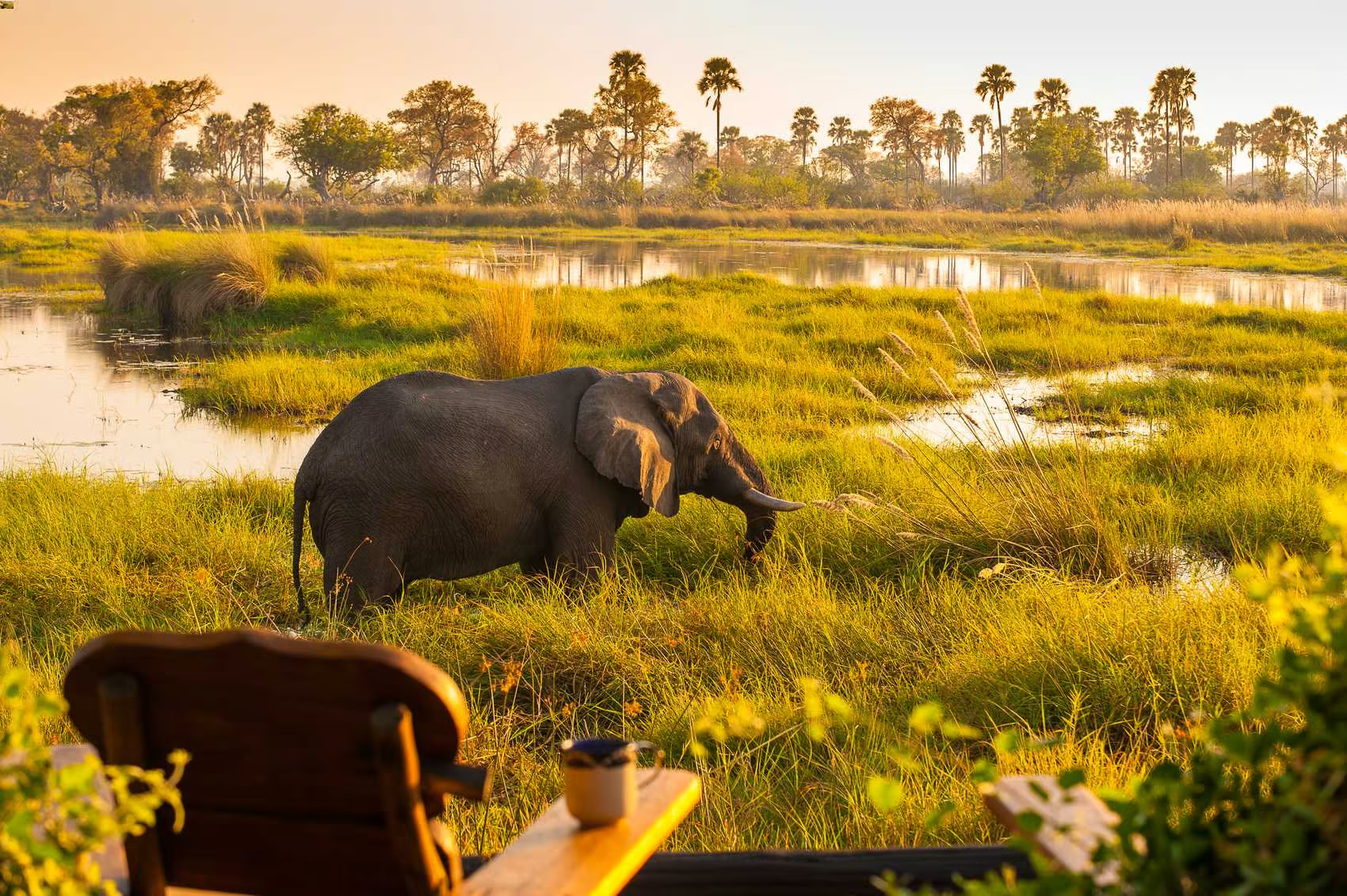
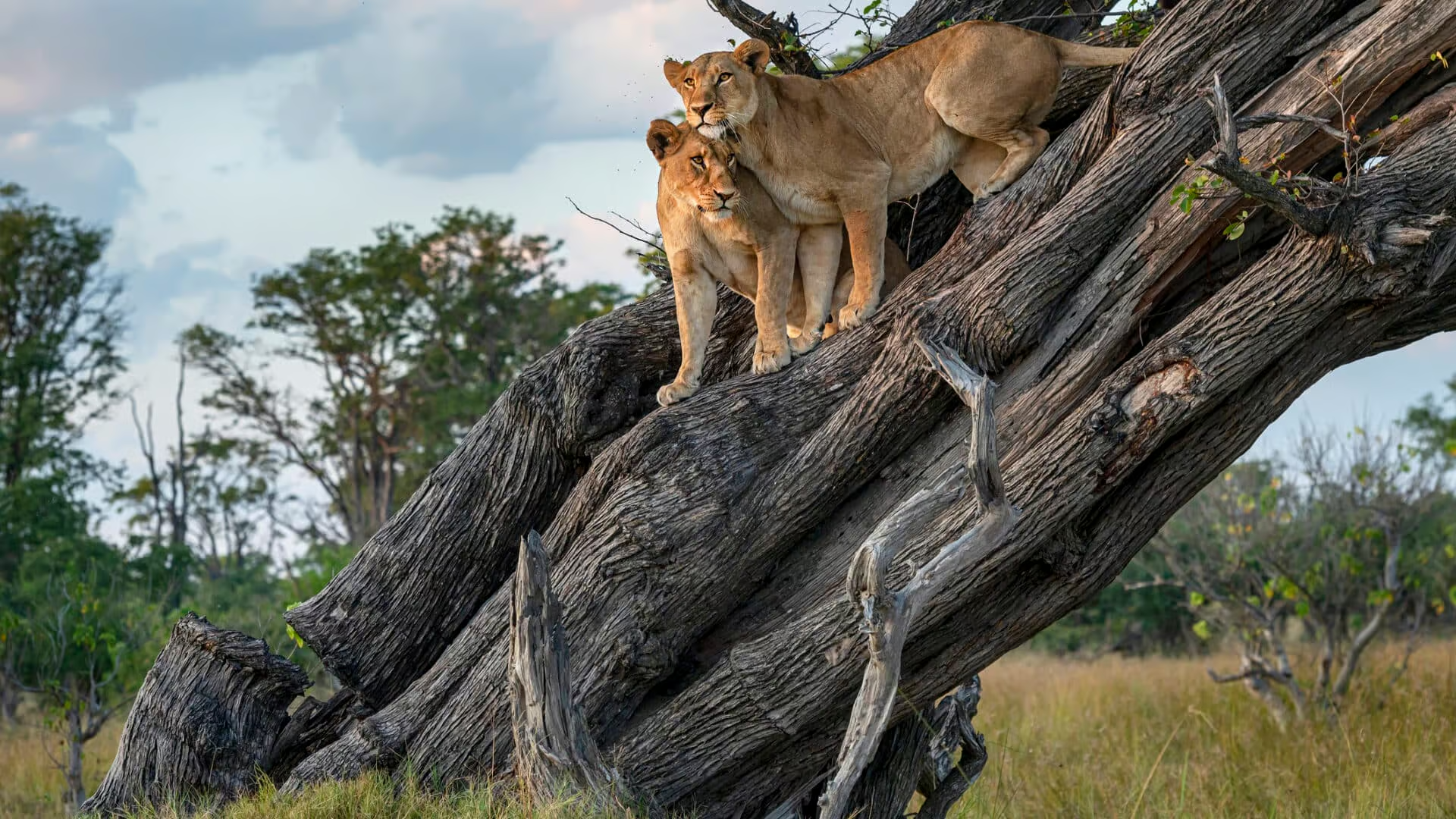
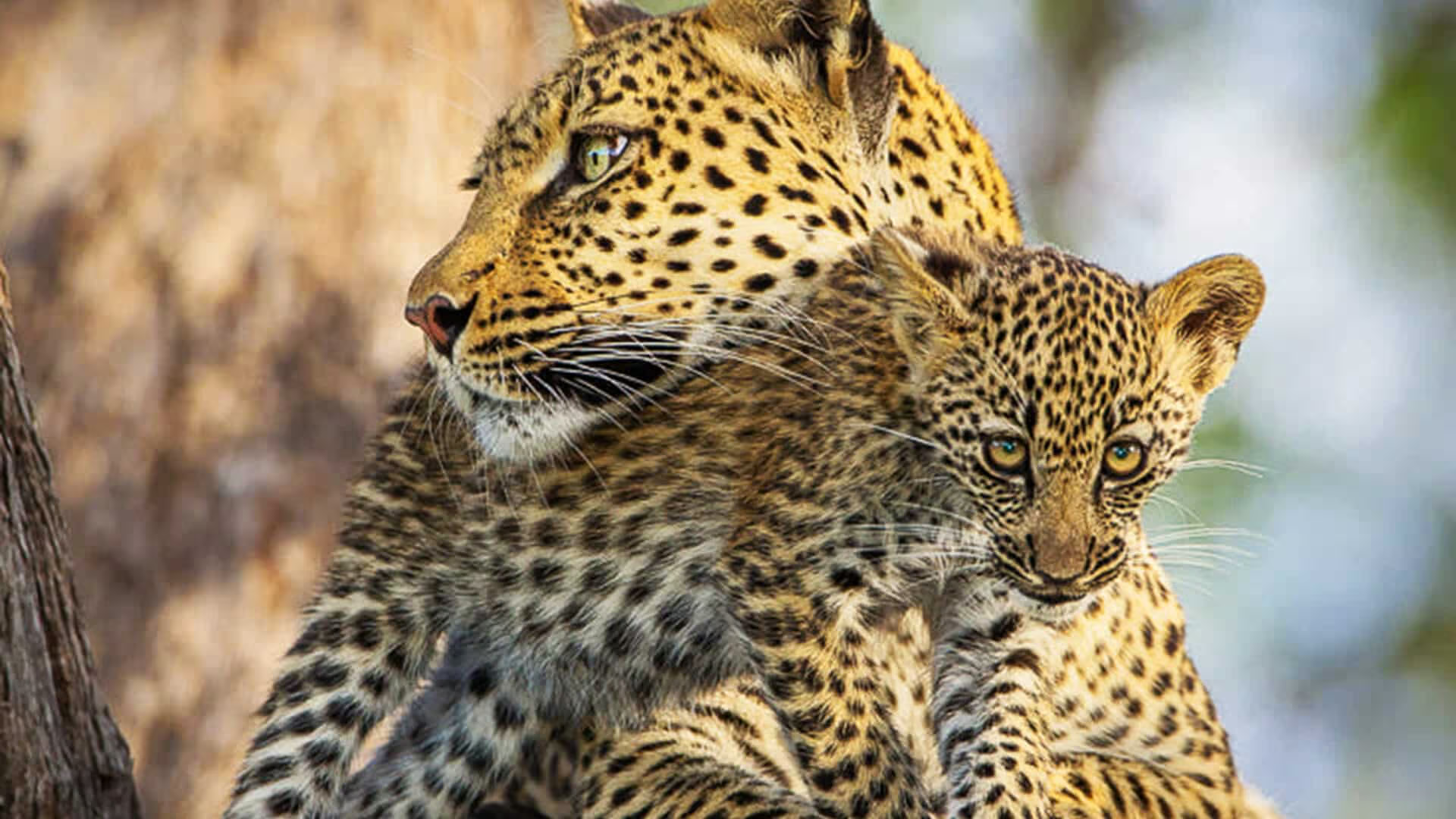
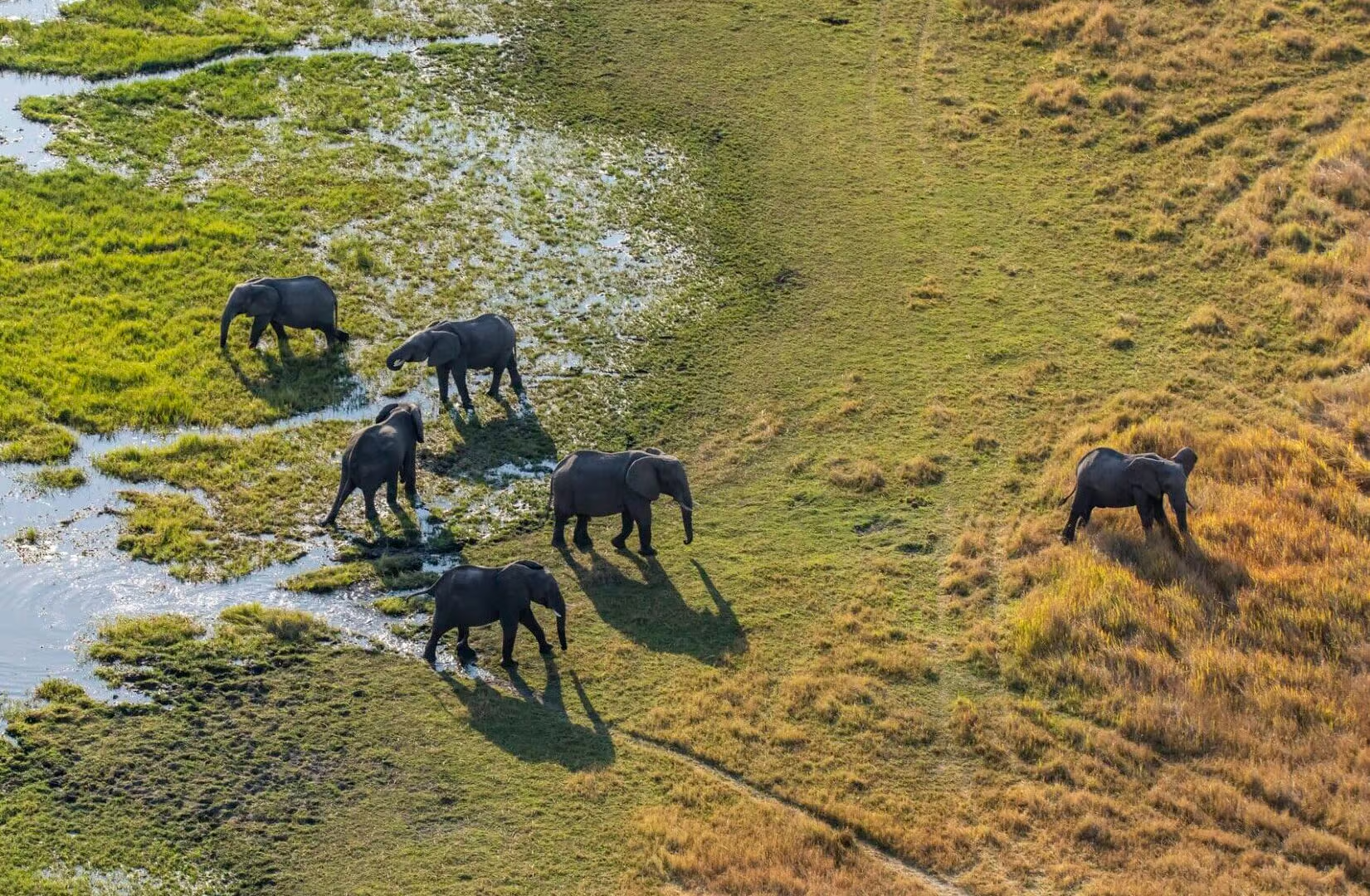
Liwonde Gallery
Where To Go In Liwonde
Liwonde offers a rich variety of landscapes and experiences, with diverse locations that showcase the very best of Malawi’s wildlife, culture, and scenery.
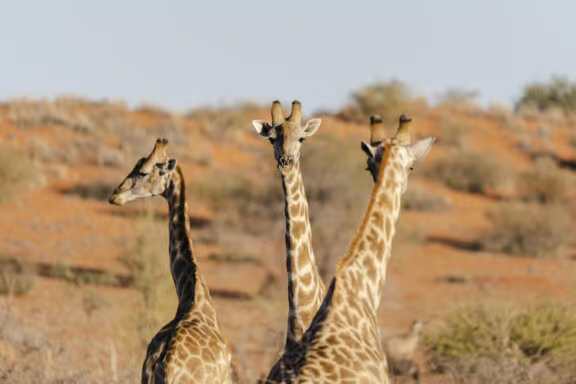
Liwonde National Park
This is the heart of the region and one of Malawi’s top wildlife destinations. Expect sightings of elephants, hippos, crocodiles, and a wide range of birdlife along the Shire River. Game drives and boat safaris provide different perspectives of the park. It’s a must-visit for anyone seeking an authentic safari experience.
Shire River
Flowing through the park, the Shire River is a lifeline for wildlife. Boat safaris here offer close-up encounters with hippos, crocodiles, and elephants cooling off at the banks. The river also attracts abundant birdlife, making it ideal for photography. Sunset cruises are particularly memorable.
Mvuu Camp Area
Located within the park, this area combines comfort with wilderness immersion. It serves as a base for game drives, boat safaris, and walking tours. The surrounding landscape is rich in wildlife activity. It’s perfect for travellers seeking both adventure and relaxation.
Chinguni Hills
These hills provide scenic views over the park and surrounding plains. The area is less frequented, offering a more secluded experience. It’s ideal for guided walks and nature exploration. The landscape is dotted with unique vegetation and bird species.
Nanthomba Island
A peaceful and remote spot in the Shire River, ideal for those wanting solitude. It offers a unique perspective of the park’s waterways. Wildlife sightings are common along the shores. It’s also a great place for birdwatching.
Machinga Forest Edge
Bordering the park, this forested area contrasts with the open savannah. It’s home to different species of birds and small mammals. Guided walks here provide insight into the region’s flora. The cooler environment makes it a refreshing escape.
Chiunguni Cultural Village
This nearby village offers a glimpse into local Malawian life. Visitors can experience traditional dances, crafts, and daily routines. It’s a meaningful way to connect with the community. Cultural tours here support local livelihoods.
Liwonde Airstrip Area
Though primarily a transit point, the surrounding area often hosts wildlife sightings. It’s not uncommon to see antelope and elephants nearby. The open terrain makes spotting animals easier. It’s a surprising introduction to the park.
Kuthengo Area
Known for its quieter atmosphere, this area is perfect for exclusive safari experiences. Wildlife sightings are frequent, especially in the early morning. It offers excellent opportunities for photography. The scenery is both serene and dramatic.
Chikwawa Plains
These plains stretch beyond the park and offer expansive views. They are home to grazing animals and seasonal birdlife. It’s a great place to witness the scale of Malawi’s landscapes. The open space creates a sense of freedom and calm.
Nsanje Riverbanks
Located further along the river system, this area is rich in biodiversity. It’s less visited, making it ideal for off-the-beaten-path exploration. Fishing and birdwatching are popular activities. The natural beauty is untouched and tranquil.
Balaka Market Town
A lively stop outside the park, offering a taste of local commerce. Visitors can explore markets filled with fresh produce and crafts. It’s a great place to interact with locals. The vibrant atmosphere contrasts with the quiet wilderness.
Mangochi Lakeshore Extension
Though slightly further afield, this area connects safari with lakeside relaxation. It’s perfect for unwinding after time in the bush. Water activities and scenic views are highlights. It adds variety to a Liwonde itinerary.
Zomba Plateau Access Point
A short journey from Liwonde, this highland area offers cooler temperatures and stunning views. It’s ideal for hiking and nature walks. The lush environment contrasts with the park’s dry landscapes. It’s a refreshing extension to your trip.
Best Time To Visit Liwonde
The best time to visit Liwonde is during the dry season from May to October, when wildlife viewing is at its peak.
Liwonde Safari in January
January falls in the rainy season, bringing lush greenery and dramatic skies to Liwonde. While wildlife can be harder to spot due to dense vegetation, birdwatching is exceptional, with migratory species in full display. Roads may become challenging, and some areas can be less accessible. However, the park is beautifully vibrant, offering a quieter and more intimate safari experience.
Liwonde Safari in February
February continues the rainy season with similar conditions to January. The landscape remains lush, and water sources are abundant, dispersing wildlife. Birdlife thrives, making it a prime month for enthusiasts. Travel logistics may require flexibility due to occasional heavy rains. It’s ideal for those seeking fewer crowds and scenic beauty.
Liwonde Safari in March
Rainfall begins to ease toward the end of March, and the park starts transitioning. Vegetation is still thick, but accessibility improves. Wildlife sightings gradually become more frequent. Birdwatching remains excellent. It’s a good time for travellers who want a balance between greenery and improving safari conditions.
Liwonde Safari in April
April marks the end of the rainy season, with clearer skies and fresh landscapes. Wildlife starts to gather near water sources again. Roads become more accessible, and conditions improve for game drives. The scenery is still lush, offering stunning photography opportunities. It’s a transitional but rewarding time to visit.
Liwonde Safari in May
May signals the beginning of the dry season, making it one of the best times to visit. Vegetation begins to thin, improving wildlife visibility. Temperatures are comfortable, and conditions are ideal for both game drives and boat safaris. It’s a great month for a well-rounded safari experience.
Liwonde Safari in June
June offers cooler temperatures and excellent wildlife viewing. Animals are more concentrated around water sources, making sightings easier. The dry conditions ensure smooth travel within the park. Birdlife is still present, though less abundant than in the wet season. It’s a popular and highly recommended month.
Liwonde Safari in July
July is peak dry season, with optimal conditions for safaris. Wildlife sightings are consistent, and the weather is cool and pleasant. Vegetation is sparse, enhancing visibility. It’s an excellent time for photography and guided walks. Expect more visitors, but the experience remains rewarding.
Liwonde Safari in August
August continues the dry season with slightly warmer temperatures. Wildlife activity remains high, especially around the Shire River. Conditions are ideal for boat safaris and game drives. The landscape takes on a golden hue, adding to its beauty. It’s one of the best months for a classic safari.
Liwonde Safari in September
September is hot and dry, with wildlife heavily concentrated near water. This makes animal sightings frequent and dramatic. The heat can be intense, but early morning and evening safaris are highly productive. It’s a prime time for experienced safari-goers.
Liwonde Safari in October
October is the hottest month, but also one of the best for wildlife viewing. Animals gather in large numbers around remaining water sources. The dry conditions make sightings predictable. However, the heat can be challenging, so preparation is key. It’s a rewarding time for dedicated travellers.
Liwonde Safari in November
November marks the start of the rainy season, bringing relief from the heat. The landscape begins to green again. Wildlife disperses slightly, but sightings are still possible. Birdlife returns in greater numbers. It’s a quieter time to visit with fewer tourists.
Liwonde Safari in December
December sees increased rainfall and lush scenery. While wildlife viewing can be less predictable, the park is vibrant and full of life. Birdwatching is excellent, and the atmosphere is peaceful. It’s ideal for travellers who enjoy nature at its most vivid and don’t mind occasional.
Our Recommended Activities In Liwonde
Explore our recommended experiences in Liwonde and find your perfect way to connect with its natural beauty.
Chief’s Island
Moremi Game Reserve
Makgadikgadi Pans
Chobe National Park and Savuti Marsh
Khwai
Chief’s Island
Our Recommended Activities In Liwonde
Explore our recommended experiences in Liwonde and find your perfect way to connect with its natural beauty.
Chief’s Island
Moremi Game Reserve
Makgadikgadi Pans
Chobe National Park and Savuti Marsh
Khwai
Chief’s Island
Safari Lodges, Tented Camps and Villas
in Liwonde
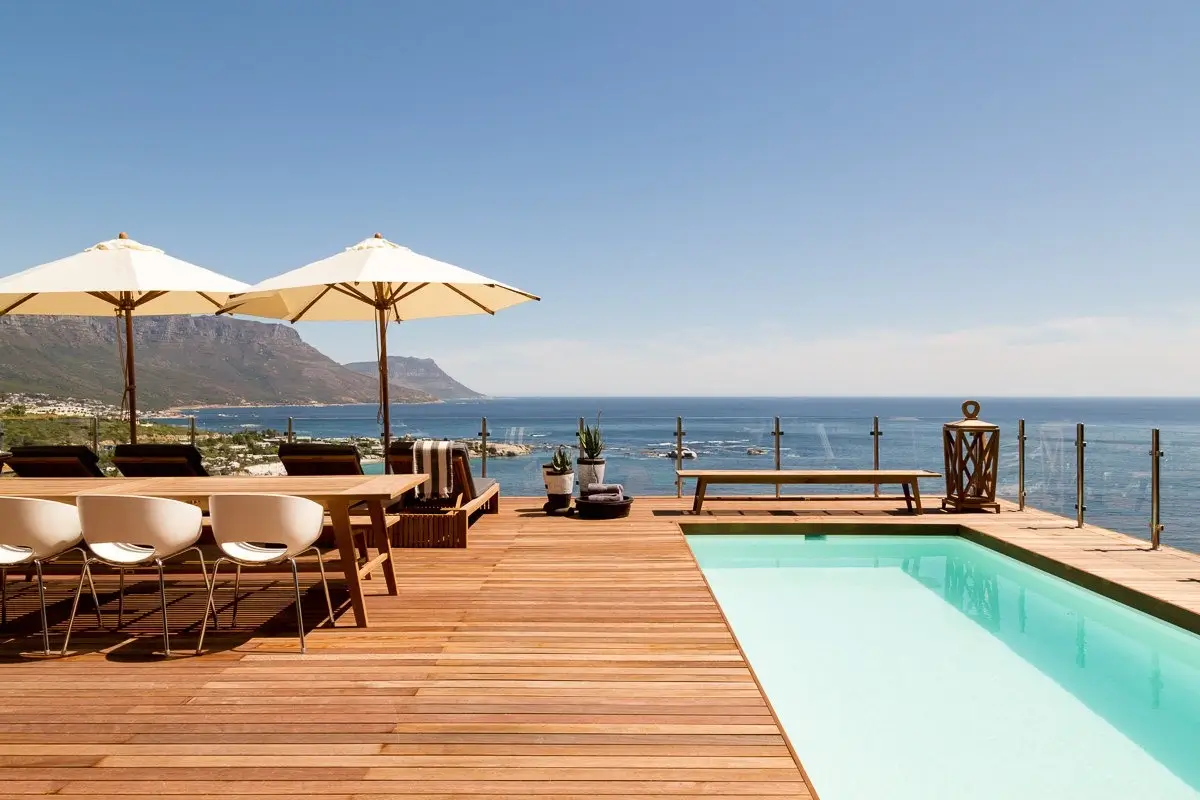
Savute Elephant Lodge, A Belmond Safari
- Botswana Chobe National Park
Belmond Savute Elephant Lodge is a luxury lodge in Chobe National Park known for its...

Luxury
African Bush Camps Atzaro Okavango Camp
- Botswana
Welcome to Atzaro Okavango, a premier safari destination that offers sustainable luxury in the heart...
Luxury
Cha Cha Metsi
- Botswana Okavango Delta
Explore our most popular safaris in Botswana and experience the magic of its untouched wilderness.cvbcccccccccccccccccccccc
Luxury
What You Need To Know About Liwonde Safaris
Find everything you need to know to plan your Liwonde adventure, from travel tips to essential insights for an unforgettable trip.
Liwonde Food and Tipping Practices
Food in Liwonde typically reflects a mix of international and local Malawian cuisine, with lodges offering fresh, seasonal ingredients. Meals are often included in safari packages, especially in mid-range and luxury camps. Tipping is customary but not mandatory; guides, drivers, and lodge staff usually receive small gratuities as a gesture of appreciation. It’s best to carry small denominations of US dollars or local currency for this purpose.
Liwonde Food and Tipping Practices
Cost of a Liwonde Safari
The cost of a Liwonde safari varies depending on the level of accommodation and travel style. Budget options can start from a few hundred dollars per day, while luxury safaris can reach several thousand. Prices often include accommodation, meals, park fees, and guided activities. Flights and transfers may be additional. Booking in advance and traveling in shoulder seasons can help manage costs.
Cost of a Liwonde Safari
Packing List for Liwonde
Packing for Liwonde requires practical, lightweight clothing in neutral colours. Include a wide-brim hat, sunglasses, sunscreen, and insect repellent. Comfortable walking shoes are essential for excursions. A light jacket is useful for cooler mornings and evenings. Don’t forget binoculars, a camera, and necessary travel documents. A small medical kit is also recommended.
Packing List for Liwonde
Climate in Liwonde
Liwonde has a tropical climate with distinct wet and dry seasons. The dry season, from May to October, is cooler and ideal for wildlife viewing. The rainy season, from November to April, brings lush vegetation and occasional heavy showers. Temperatures can be high, especially before the rains begin. Humidity levels vary depending on the season.
Climate in Liwonde
Languages in Liwonde
The main language spoken in Liwonde is Chichewa, widely used across Malawi. English is also commonly spoken, especially in tourist areas, lodges, and by guides. This makes communication easy for international visitors. Learning a few local phrases can enhance your experience and connection with the community.
Languages in Liwonde
Is Liwonde Safe?
Liwonde is generally considered a safe destination for travellers, especially within the national park and established lodges. Guides and staff are trained to ensure visitor safety during activities. As with any travel, basic precautions should be taken, such as securing valuables and following local advice. Health precautions, including vaccinations and mosquito protection, are also important.
Is Liwonde Safe?
What People Say About Us
We are the leading travel agency offering different programs and higher education diplomas that are designed with global requirements in mind.
Unforgettable Safari Experience!
— Jennifer L., USA
Incredible Service from Start to Finish
— Thomas K., Germany
Wildlife Like You’ve Never Seen!
— Sarah M., Australia
Perfect for First-Time Safari Travelers
— Mark & Ellie B., UK
A Dream Honeymoon!
— Nadia & Carlos R., Spain
Blog and articles
Latest travel tips and blog covering all travel experiences. Check out our mentions in different guides and articles.
Our Trusted Safari Partners in Africa
Latest travel tips and blog covering all travel experiences. Check out our mentions in different guides and articles.