
Experience Kaokoland, Beyond Your Imagination
Discover extraordinary, nature-driven safaris in Kaokoland, thoughtfully crafted through decades of hands-on expertise and strong local relationships. Each journey is designed to create meaningful connections—leaving a positive imprint on travellers, preserving the environment, and uplifting the communities that call this remote region home.
25+ years of expertise in 15 Africa Countries
1000+ thoughtfully selected travel partners
200,000+ travellers, many of whom return year after year

Why Travel With Exodussafaris?
25 Years of Safari Expertise
With more than two decades of experience, we design tailor-made African safaris informed by deep regional insight and long-standing local partnerships.
We Know Because We Go
Our extensive presence across Africa gives us unmatched, first-hand knowledge of every destination, lodge, activity, and hidden treasure we recommend.
24/7 Support
From your initial enquiry to your return journey, we provide round-the-clock assistance, ensuring every detail is managed seamlessly while our trusted local partners deliver exceptional care on the ground.
Every Adventure Makes a Difference
Each journey contributes to the protection of fragile ecosystems and supports the well-being and sustainability of local communities.
Complete Financial Protection
Travel with confidence knowing your investment is secure, backed by reliable systems that safeguard your safari from start to finish.
World-Class Recognition, Trusted by Travellers
Celebrated by leading global travel authorities, our reputation reflects both industry recognition and the genuine experiences of travellers who trust us to deliver unforgettable safaris.
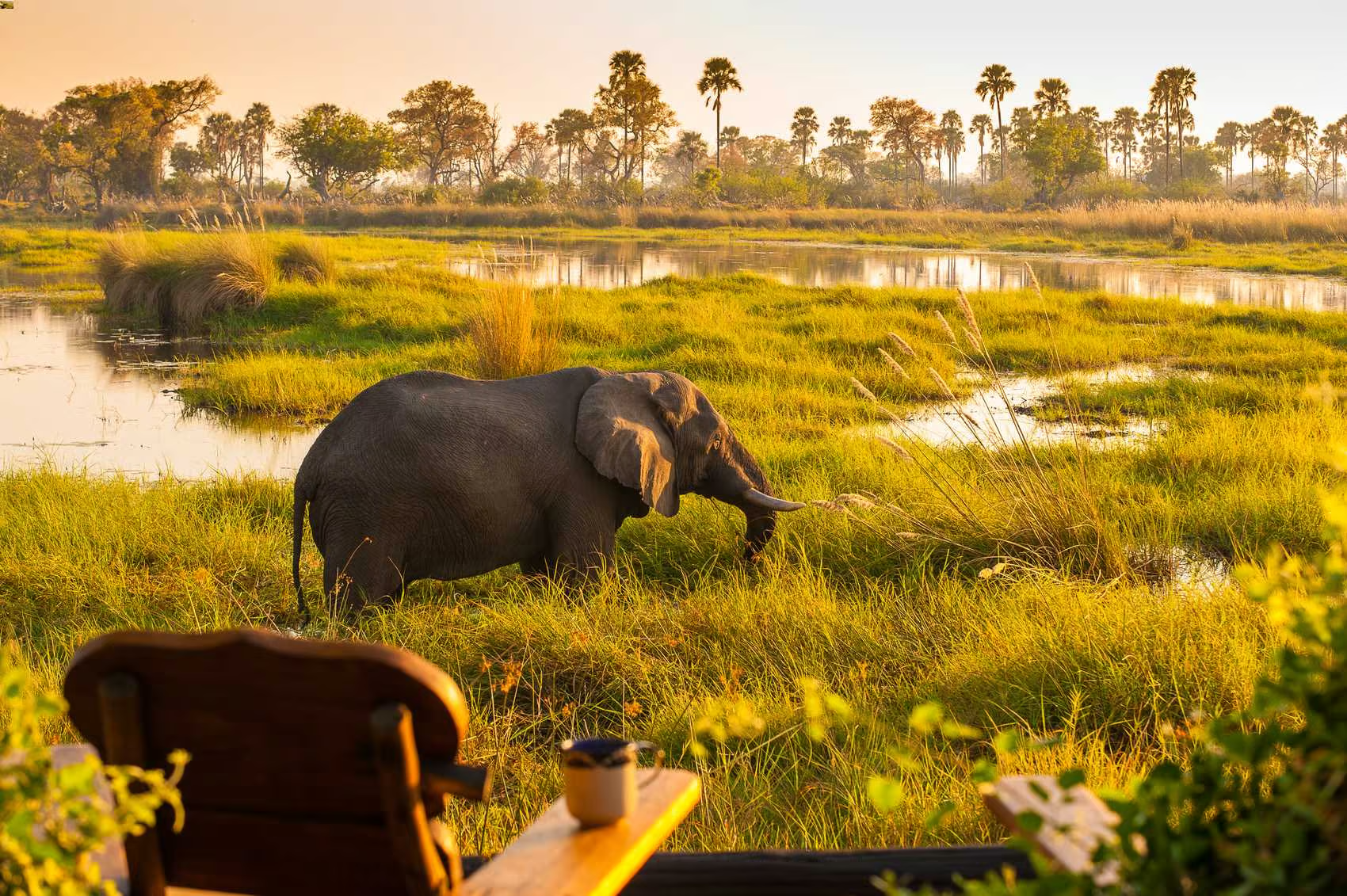
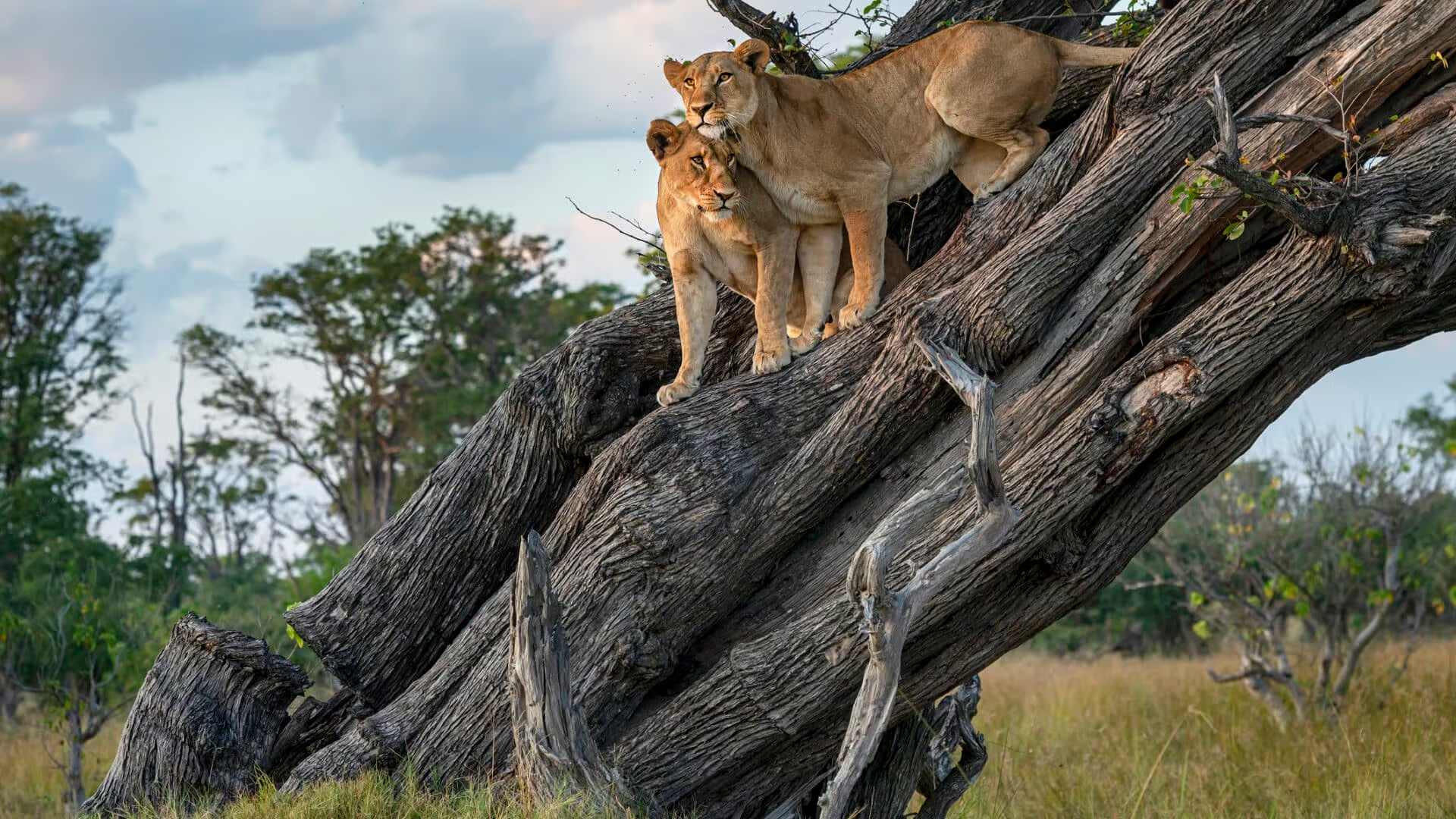
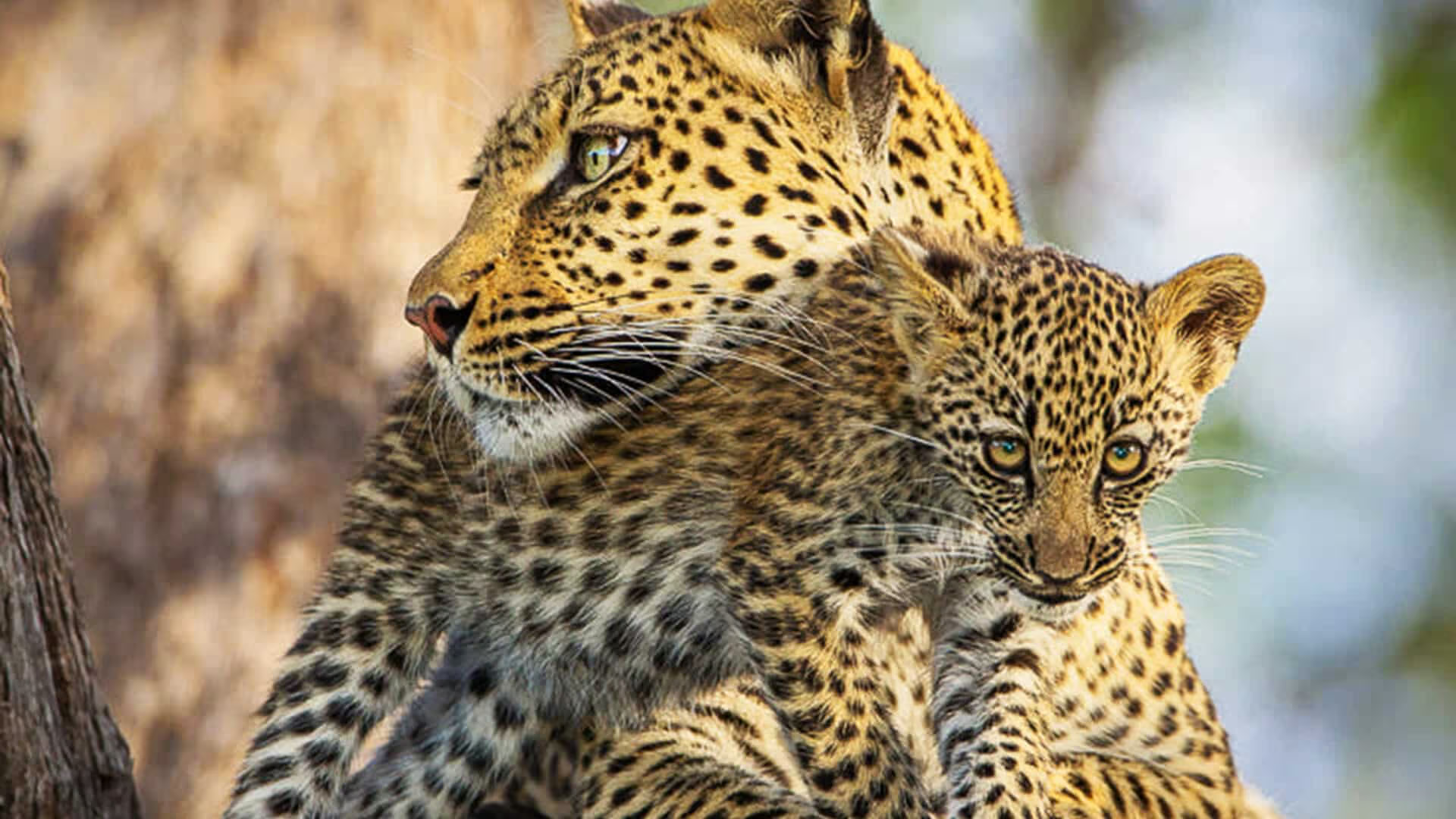
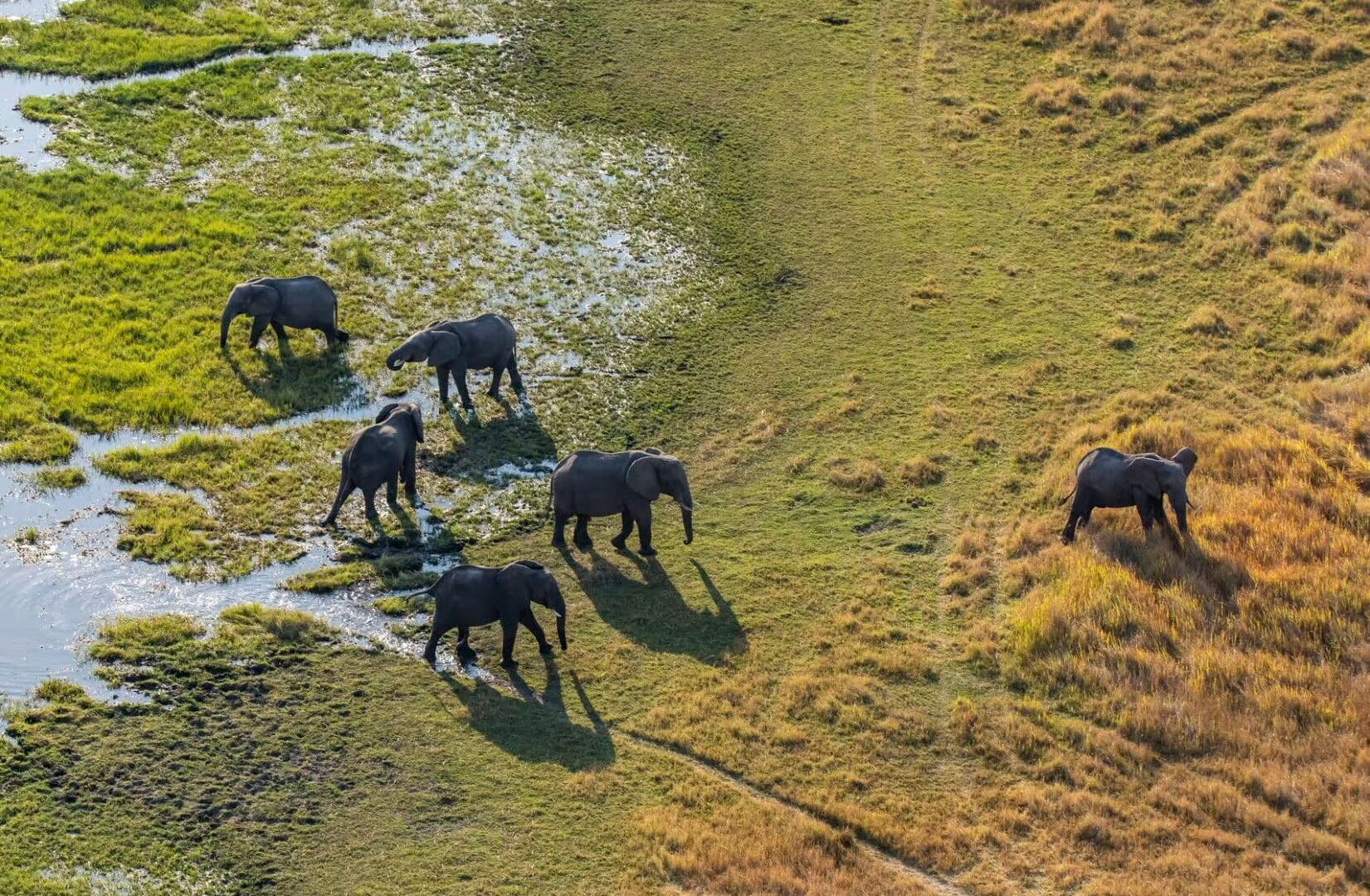
Kaokoland Gallery
Where To Go In Kaokoland
Kaokoland offers a vast and untamed landscape filled with remarkable destinations, each promising a unique and unforgettable safari experience.
Epupa Falls
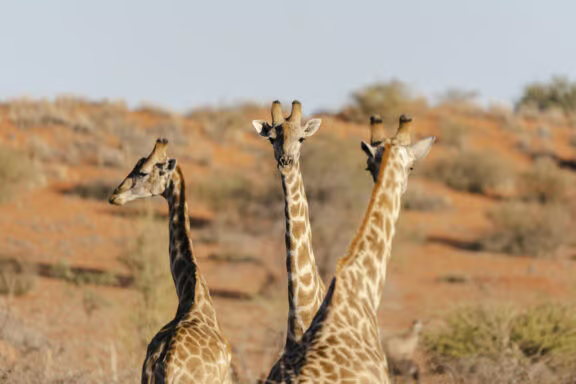
Set along the Kunene River, Epupa Falls is a striking series of cascades surrounded by lush vegetation and baobab trees. The contrast between the arid surroundings and the flowing water creates a dramatic and refreshing scene. Visitors can explore nearby Himba villages and enjoy peaceful riverside walks. It’s one of the most scenic and culturally rich areas in Kaokoland.
Kunene River
Flowing along the border with Angola, the Kunene River provides a vital lifeline in this dry region. Its banks attract a variety of wildlife and birdlife, making it ideal for nature lovers. Canoeing and riverside relaxation are popular activities here. The river also offers a tranquil escape from the rugged desert terrain.
Opuwo
Opuwo serves as the gateway to Kaokoland and a cultural melting pot. The town is known for its vibrant mix of traditional Himba culture and modern influences. It’s a great place to learn about local customs and prepare for deeper exploration into the region. Markets and local interactions make it a fascinating stop.
Marienfluss Valley
This remote valley is one of the most breathtaking landscapes in Namibia. Rolling green plains contrast beautifully with surrounding mountains, especially after seasonal rains. Wildlife such as desert-adapted elephants and antelope can often be spotted here. Its isolation adds to the sense of untouched wilderness.
Hartmann’s Valley
Stretching toward the Skeleton Coast, Hartmann’s Valley is known for its stark beauty and vast open spaces. The landscape is dotted with unique geological formations and desert-adapted wildlife. It’s a place of solitude and raw natural charm. Travellers often feel like they’ve stepped into another world.
Van Zyl’s Pass
Renowned as one of the most challenging mountain passes in southern Africa, Van Zyl’s Pass is an adventure in itself. The rugged terrain demands skill and patience, rewarding travellers with spectacular views. It’s best suited for experienced 4x4 enthusiasts. The journey is as memorable as the destination.
Orupembe
This remote settlement offers a glimpse into the traditional lifestyle of the Himba people. Surrounded by rugged hills and dry riverbeds, it’s an authentic cultural experience. Visitors can engage respectfully with local communities and learn about their customs. The sense of isolation enhances its appeal.
Skeleton Coast (Northern Section)
The northern Skeleton Coast is wild, remote, and hauntingly beautiful. Shipwrecks, shifting sands, and Atlantic waves create a dramatic environment. Wildlife such as seals, lions, and desert elephants can sometimes be seen. It’s one of the most unique coastal landscapes in Africa.
Purros Conservancy
This community-run conservancy is a model for sustainable tourism and conservation. It’s known for desert-adapted elephants that roam the dry riverbeds. Visitors can enjoy guided wildlife tracking and cultural experiences. The area highlights the balance between conservation and local livelihoods.
Hoarusib River
The Hoarusib River is a dry riverbed that supports life in an otherwise harsh environment. It’s one of the best places to spot desert-adapted elephants and lions. The surrounding landscapes are dramatic and ever-changing. It’s a key wildlife corridor in Kaokoland.
Okahirongo Elephant Lodge Area
Located near Purros, this area combines luxury with wilderness. The lodge offers access to incredible wildlife sightings and cultural interactions. Guests can explore remote landscapes in comfort. It’s perfect for those seeking both adventure and relaxation.
Otjihipa Mountains
These rugged mountains are among the most remote areas in Namibia. The terrain is dramatic, with steep slopes and hidden valleys. Wildlife sightings here are rare but rewarding. It’s ideal for travellers seeking solitude and exploration.
Ruacana Falls (Nearby Region)
Though slightly outside Kaokoland, Ruacana Falls is worth visiting when in the area. The falls are most impressive during the rainy season when water levels are high. The surrounding scenery is lush and vibrant. It provides a different perspective compared to Kaokoland’s arid landscapes.
Angolan Borderlands
Exploring the borderlands offers a unique cross-cultural perspective. The landscapes are wild and less travelled, adding to the sense of adventure. It’s an opportunity to experience untouched terrain. Cultural diversity in this region is particularly fascinating.
Best Time To Visit Kaokoland
The best time to visit Kaokoland is during the dry season from May to October, when wildlife viewing is at its peak and travel conditions are most favorable.
Kaokoland Safari in January
January falls within the rainy season, bringing occasional showers that transform the landscape into a greener, more vibrant environment. While roads can become challenging to navigate, the scenery is stunning and less crowded. Birdwatching is excellent during this time due to migratory species. However, wildlife can be harder to spot as animals disperse across the landscape.
Kaokoland Safari in February
Rainfall continues in February, maintaining lush surroundings and cooler temperatures compared to the dry season. The region feels more alive, with blooming vegetation and active birdlife. Travel may require careful planning due to muddy roads. It’s a good time for photographers seeking dramatic skies and landscapes.
Kaokoland Safari in March
March marks the transition toward the end of the rainy season, with fewer showers and improving road conditions. The landscape remains green, offering a unique contrast to Kaokoland’s usual arid appearance. Wildlife sightings begin to improve slightly. It’s a quieter period with fewer tourists.
Kaokoland Safari in April
April signals the start of the dry season, with clearer skies and more stable weather. Vegetation begins to thin, making wildlife easier to spot. Temperatures are moderate, creating comfortable travel conditions. It’s an excellent time for those seeking a balance between scenery and accessibility.
Kaokoland Safari in May
May is one of the best months to visit, as the weather is dry and mild. Wildlife congregates around water sources, improving viewing opportunities. Roads are generally in good condition, making travel easier. The landscapes still retain some greenery from the rains.
Kaokoland Safari in June
June brings cooler temperatures, especially in the mornings and evenings. The dry conditions continue, enhancing wildlife visibility. It’s a popular time for safaris due to the comfortable climate. Packing warm layers is essential for early game drives.
Kaokoland Safari in July
July is part of the peak dry season, offering excellent wildlife viewing conditions. Days are sunny and pleasant, while nights can be quite cold. The lack of rain makes travel straightforward. It’s ideal for those prioritizing game viewing.
Kaokoland Safari in August
August continues the dry, cool conditions with minimal vegetation. Wildlife is concentrated near water sources, making sightings more predictable. The weather is stable and favorable for outdoor activities. It’s one of the busiest months for visitors.
Kaokoland Safari in September
Temperatures begin to rise in September, but the dry conditions persist. Wildlife viewing remains excellent as animals gather around limited water. The landscapes are more barren, highlighting the rugged beauty of Kaokoland. It’s a great time for photography.
Kaokoland Safari in October
October is one of the hottest months, with high temperatures and dry conditions. Wildlife sightings are still strong, but the heat can be intense. It’s advisable to plan activities early in the morning or late afternoon. The anticipation of upcoming rains builds.
Kaokoland Safari in November
November marks the beginning of the rainy season, with occasional thunderstorms refreshing the landscape. Temperatures remain high, but the environment starts to change. Wildlife disperses slightly as water becomes more available. It’s a transitional and less crowded period.
Kaokoland Safari in December
December brings more consistent rainfall, rejuvenating the region. The scenery becomes greener, and birdlife flourishes. Travel can be more challenging due to wet conditions. It’s a rewarding time for those interested in landscapes and seasonal transformation.
Our Recommended Activities In Kaokoland
Explore our recommended experiences in Kaokoland and find your perfect way to connect with its natural beauty.
Chief’s Island
Moremi Game Reserve
Makgadikgadi Pans
Chobe National Park and Savuti Marsh
Khwai
Chief’s Island
Our Recommended Activities In Kaokoland
Explore our recommended experiences in Kaokoland and find your perfect way to connect with its natural beauty.
Chief’s Island
Moremi Game Reserve
Makgadikgadi Pans
Chobe National Park and Savuti Marsh
Khwai
Chief’s Island
Safari Lodges, Tented Camps and Villas
in Kaokoland

Savute Elephant Lodge, A Belmond Safari
- Botswana Chobe National Park
Belmond Savute Elephant Lodge is a luxury lodge in Chobe National Park known for its...

Luxury
African Bush Camps Atzaro Okavango Camp
- Botswana
Welcome to Atzaro Okavango, a premier safari destination that offers sustainable luxury in the heart...
Luxury
Cha Cha Metsi
- Botswana Okavango Delta
Explore our most popular safaris in Botswana and experience the magic of its untouched wilderness.cvbcccccccccccccccccccccc
Luxury
What You Need To Know About Kaokoland Safaris
Find everything you need to know to plan your Kaokoland adventure, from travel tips to essential insights for an unforgettable trip.
Kaokoland Food and Tipping Practices
Meals on safari typically include a mix of international and local cuisine, often prepared fresh at lodges or camps. Dietary requirements can usually be accommodated with advance notice. Tipping is customary and appreciated, especially for guides, drivers, and lodge staff. While not mandatory, it’s a way to acknowledge good service and support local livelihoods.
Kaokoland Food and Tipping Practices
Cost of a Kaokoland Safari
Safaris in Kaokoland can be relatively expensive due to the region’s remoteness and limited infrastructure. Costs often include accommodation, transport, guides, and meals. Luxury lodges and fly-in safaris tend to be pricier, while self-drive options can be more budget-friendly. Planning ahead helps manage costs effectively.
Cost of a Kaokoland Safari
Packing List for Kaokoland
Pack lightweight, breathable clothing for daytime and warm layers for cooler nights. Essentials include a wide-brim hat, sunscreen, sturdy walking shoes, and a reusable water bottle. A good camera, binoculars, and a basic first-aid kit are highly recommended. Dust-proof bags can help protect electronics.
Packing List for Kaokoland
Climate in Kaokoland
Kaokoland has a semi-arid to desert climate, characterized by hot days and cool nights. Rainfall is seasonal and typically occurs between November and March. Temperatures can vary significantly between day and night. The dry season offers more predictable weather conditions.
Climate in Kaokoland
Languages in Kaokoland
English is widely spoken in lodges and by guides, making communication easy for most visitors. Local communities primarily speak Otjihimba and other indigenous languages. Learning a few basic greetings can enhance cultural interactions. Respectful communication is always appreciated.
Languages in Kaokoland
Is Kaokoland Safe?
Kaokoland is generally safe for travellers, especially when visiting with experienced guides or reputable operators. However, its remoteness means preparation is essential. Travellers should follow safety advice, carry necessary supplies, and inform others of their plans. Respect for local customs and wildlife ensures a smooth and enjoyable experience.
Is Kaokoland Safe?
What People Say About Us
We are the leading travel agency offering different programs and higher education diplomas that are designed with global requirements in mind.
Unforgettable Safari Experience!
— Jennifer L., USA
Incredible Service from Start to Finish
— Thomas K., Germany
Wildlife Like You’ve Never Seen!
— Sarah M., Australia
Perfect for First-Time Safari Travelers
— Mark & Ellie B., UK
A Dream Honeymoon!
— Nadia & Carlos R., Spain
Blog and articles
Latest travel tips and blog covering all travel experiences. Check out our mentions in different guides and articles.

Our Trusted Safari Partners in Africa
Latest travel tips and blog covering all travel experiences. Check out our mentions in different guides and articles.