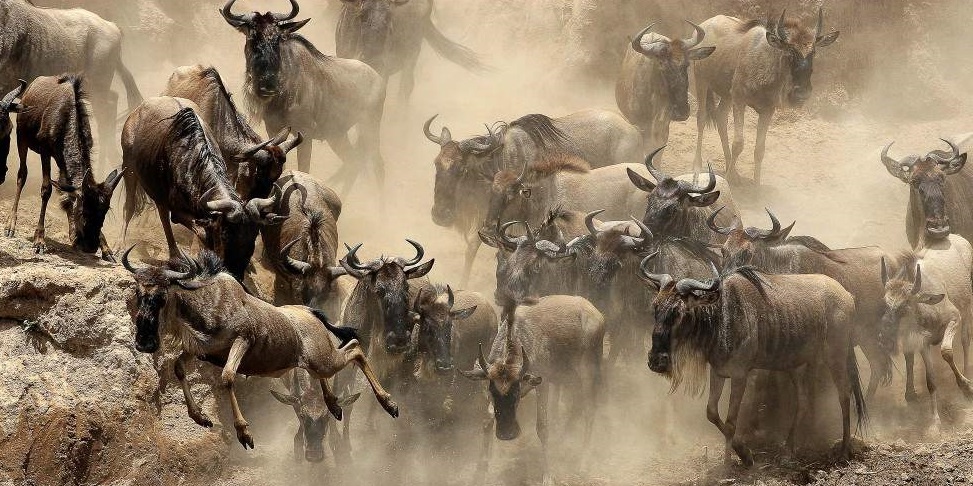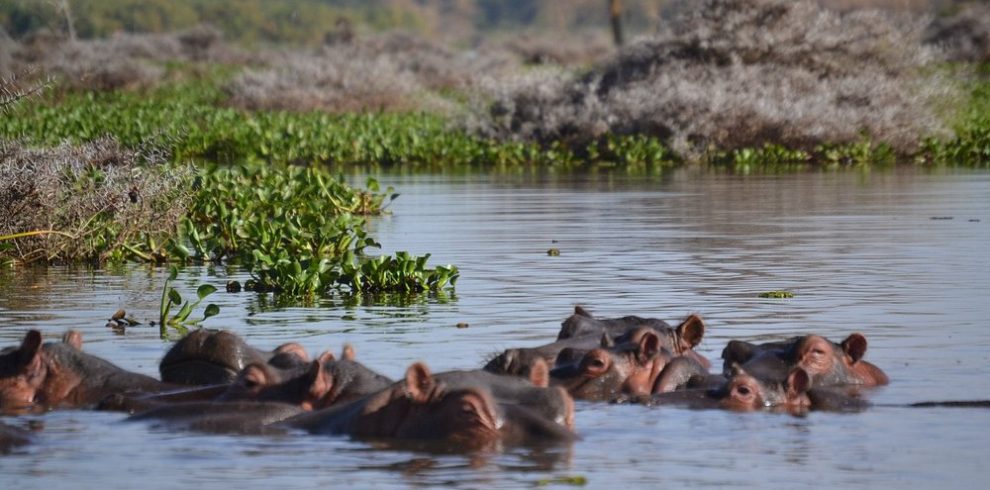

Traveling across Africa is one of the most exciting and transformative experiences a traveler can have. From wildlife safaris in Kenya and Tanzania to the cultural richness of Morocco and the vibrant cities of South Africa, the continent offers unmatched diversity.
However, Africa is not a one-size-fits-all destination. Each country has unique entry requirements, health considerations, climates, and cultural norms. That’s why having a clear, structured checklist is essential for a smooth and stress-free journey.
Overview / Why It Matters
Africa consists of 54 countries, each with different systems and expectations. Unlike more standardized travel regions, preparation here requires extra attention to detail.
A well-planned checklist helps you:
- Meet all entry and visa requirements
- Stay healthy and protected
- Pack appropriately for different climates
- Respect local customs and laws
- Avoid unnecessary stress, delays, or costs
This guide is designed to help both first-time and experienced travelers prepare with confidence.
1. Passport and Visa Requirements

Passport Validity
Most African countries require:
- At least 6 months validity from your return date
- 1–2 blank pages for stamps
Check early and renew if necessary.
Visa Requirements
Visa rules vary widely depending on your nationality and destination:
- E-visas are available in countries like Kenya and Tanzania
- Visa-free entry is common in Morocco for many travelers
- Some countries require advance embassy applications
Always confirm requirements through official immigration websites and apply early to avoid delays.
2. Health, Vaccinations, and Insurance

Vaccinations
Some countries require proof of Yellow Fever vaccination, especially if traveling between African nations.
Common recommended vaccines include:
- Hepatitis A and B
- Typhoid
- Tetanus
- Meningitis
Carry your International Certificate of Vaccination (“Yellow Card”).
Malaria Prevention
In many regions, malaria is present. Prepare by:
- Consulting a doctor for preventive medication
- Using insect repellent (DEET recommended)
- Wearing long sleeves in the evening
Travel Insurance
Ensure your policy covers:
- Medical emergencies
- Evacuation
- Trip cancellations
- Adventure activities
This is essential, especially in remote areas with limited healthcare facilities.
3. Flights and Transportation

International Flights
Major entry hubs include:
- Nairobi
- Johannesburg
- Addis Ababa
- Casablanca
Book early for better prices.
Getting Around
Transport options vary by country:
- Domestic flights (most efficient for long distances)
- Trains (limited but scenic in some regions)
- Buses and taxis (quality varies)
Research reliable providers in advance.
4. Money, Banking, and Payments
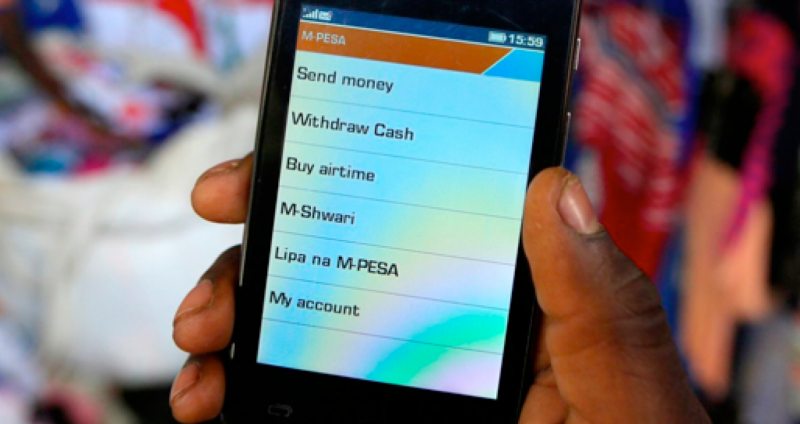
Cash is Still Important
While cards are accepted in major cities, cash is widely used in rural areas.
Tips:
- Carry USD or EUR for exchange
- Use ATMs in secure urban locations
- Avoid carrying large sums of cash
Cards and Banking
- Visa is generally more widely accepted
- Inform your bank before traveling
- Enable transaction alerts for security
5. Packing Essentials

Clothing
Pack according to climate, culture, and activities:
- Lightweight, breathable clothing
- Neutral colors for safaris
- Comfortable walking shoes
- Light jacket for cooler evenings
Travel Gear
- Universal power adapter
- Portable power bank
- Reusable water bottle
- Flashlight or headlamp
Health & Safety Items
- First-aid kit
- Prescription medications
- Hand sanitizer and wipes
- Sunscreen and sunglasses
6. Technology and Connectivity

SIM Cards and Internet
Local SIM cards are affordable and widely available. Popular providers include:
- Safaricom
- MTN Group
- Vodacom
Wi-Fi is common in hotels but may be unreliable in remote areas.
Useful Apps
Download before arrival:
- Google Maps (offline mode)
- Currency converter
- Uber or Bolt (where available)
- Airline and accommodation apps
7. Culture, Laws, and Etiquette

Cultural Awareness
- Greetings are highly valued
- Dress modestly in conservative areas
- Always ask before taking photos of people
Legal Considerations
Some countries have strict laws regarding:
- Drugs (severe penalties)
- Photography of government buildings
- LGBTQ+ regulations (vary by country)
Research your destination carefully.
8. Safety and Security Tips
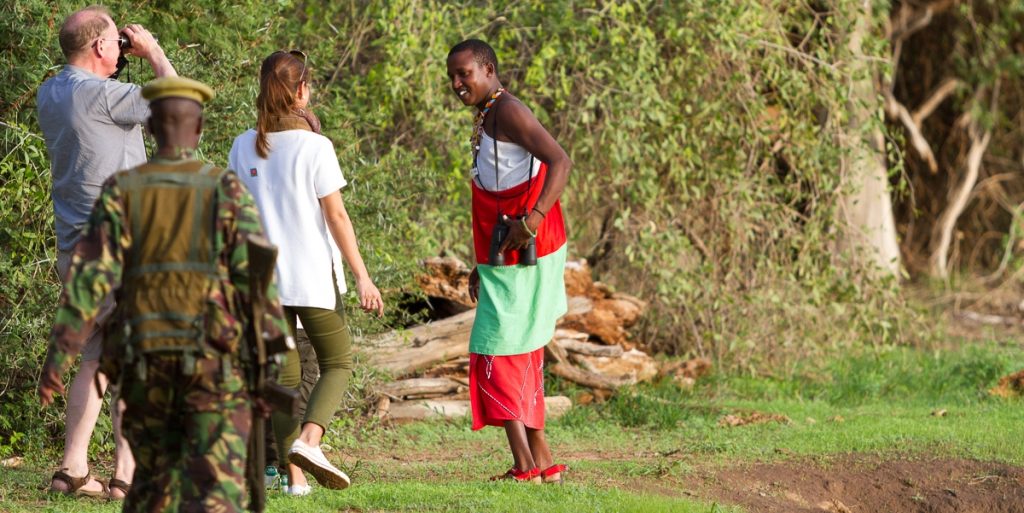
- Avoid displaying valuables in public
- Use hotel safes for important items
- Choose reputable tour operators
- Avoid walking alone at night in unfamiliar areas
- Register with your embassy for extended stays
Staying aware and prepared significantly reduces risks.
9. Wildlife and Environmental Responsibility
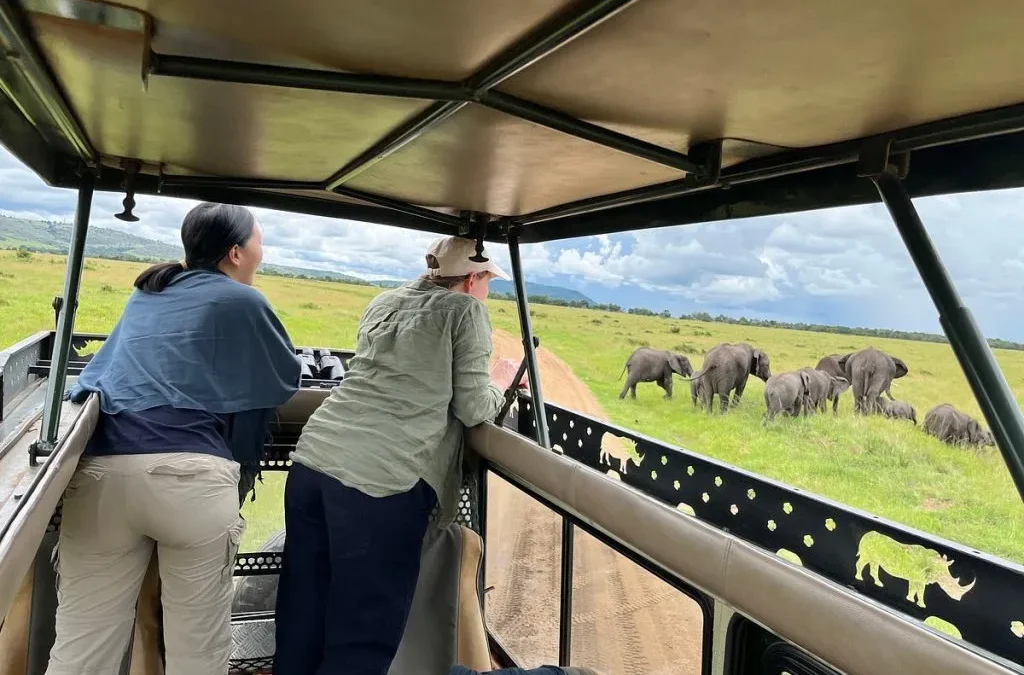
Safari Etiquette
- Follow your guide’s instructions
- Maintain a safe distance from animals
- Never feed wildlife
Sustainable Travel
- Support local businesses
- Reduce plastic use
- Respect natural habitats
Responsible travel helps preserve Africa’s ecosystems for future generations.
10. Final Checklist Before Departure

Before you leave, confirm:
- Passport validity and visa approval
- Vaccinations and travel insurance
- Flights and accommodation bookings
- Access to money (cash and cards)
- Packed essentials and documents
- Emergency contacts saved
Conclusion
Traveling to Africa can be one of the most rewarding experiences of your life, but preparation is key. With the right planning, you can avoid common challenges and fully enjoy the continent’s incredible diversity.
This checklist equips you with everything you need to travel confidently, safely, and responsibly. Whether you’re exploring wildlife, culture, or landscapes, being prepared ensures your journey is defined by discovery—not disruption.
Take the time to plan well, respect local customs, and stay informed. With the right approach, your African adventure will not only meet expectations, it will exceed them.