Known as one of the most recognized indigenous communities in Africa, the Maasai people have a rich culture, deep history, and strong traditions. Whether you are visiting as part of a cultural tour, eco-tourism experience, or simple curiosity, there are important things to understand before your visit. Respect, awareness, and preparation will help you engage meaningfully without unintentionally offending cultural values.
Learning the Maasai Culture and History
Before visiting, it is important to understand who the Maasai are. The Maasai are a semi-nomadic pastoralist community found in Kenya and Tanzania, with a history that spans centuries. Traditionally, their lifestyle revolves around cattle, which represent wealth, status, and survival.
Despite challenges such as colonial influence and modern development, the Maasai have preserved much of their identity. Understanding this background adds depth to your experience and helps you appreciate their resilience and cultural pride.
Respecting Maasai Traditions
Respect is essential when interacting with the Maasai. Their traditions influence everything from clothing to social structure. The well-known red shukas, beadwork, and jewelry are not just decorative but hold cultural meaning.
Visitors should approach with an open mind. Customs such as greetings, village entry protocols, and social interactions may differ from what you are used to. Observing and following your guide’s instructions helps ensure respectful engagement.
The Importance of Language
Language plays a key role in Maasai culture. While many Maasai people speak Swahili and English, learning a few words in Maa can make a positive impression.
Simple greetings like “Supa” (hello) show respect and willingness to connect. Even small efforts in communication are often warmly received and help build rapport with the community.
Responsible and Ethical Tourism
Visiting Maasai communities should always be done responsibly. Many areas such as Maasai Mara National Reserve depend on tourism, but not all tourism practices are ethical.
Choose tour operators that support local communities and promote cultural preservation. Ethical tourism ensures that your visit contributes positively rather than exploiting traditions or environments.
Photography Etiquette
Photography is one of the highlights of visiting Maasai communities, but it must be handled with care. Always ask for permission before taking photos of people, homes, or ceremonies.
Some individuals may decline, and this should be respected. Avoid photographing sacred rituals or using images for commercial purposes without consent.
Understanding Maasai Spirituality
The Maasai have a strong spiritual belief system centered around Enkai, their deity. Spiritual practices and rituals play an important role in daily life.
Certain ceremonies are sacred and not open to outsiders. Being respectful and avoiding intrusion into spiritual practices is essential during your visit.
Dress Code and Appropriate Attire
While the Maasai are known for their vibrant traditional attire, visitors are expected to dress modestly. Avoid overly revealing or flashy clothing.
Simple, respectful clothing helps you blend in and shows cultural awareness. When in doubt, follow the guidance of your tour guide.
The Maasai Diet and Food Practices
The traditional Maasai diet includes milk, meat, and sometimes blood from cattle. Food is an important part of their culture and hospitality.
If you are offered food, it is polite to accept. If you have dietary restrictions, communicate them respectfully in advance. Sharing meals is often a communal and meaningful experience.
Maasai Villages and Living Conditions
Maasai villages, known as enkangs, are typically built using natural materials such as mud, sticks, and grass. These homes reflect a sustainable and traditional way of life.
Visitors should be prepared for limited modern amenities. Experiencing village life offers insight into a simpler, community-focused lifestyle that many find deeply enriching.
Environmental Awareness and Preservation
The Maasai have a strong connection to their land and environment. Areas like the Maasai Mara are vital for both wildlife conservation and community livelihood.
Visitors should respect nature by avoiding littering, following conservation rules, and supporting eco-friendly tourism practices. Your actions directly impact both the environment and local communities.
Be Prepared for the Climate
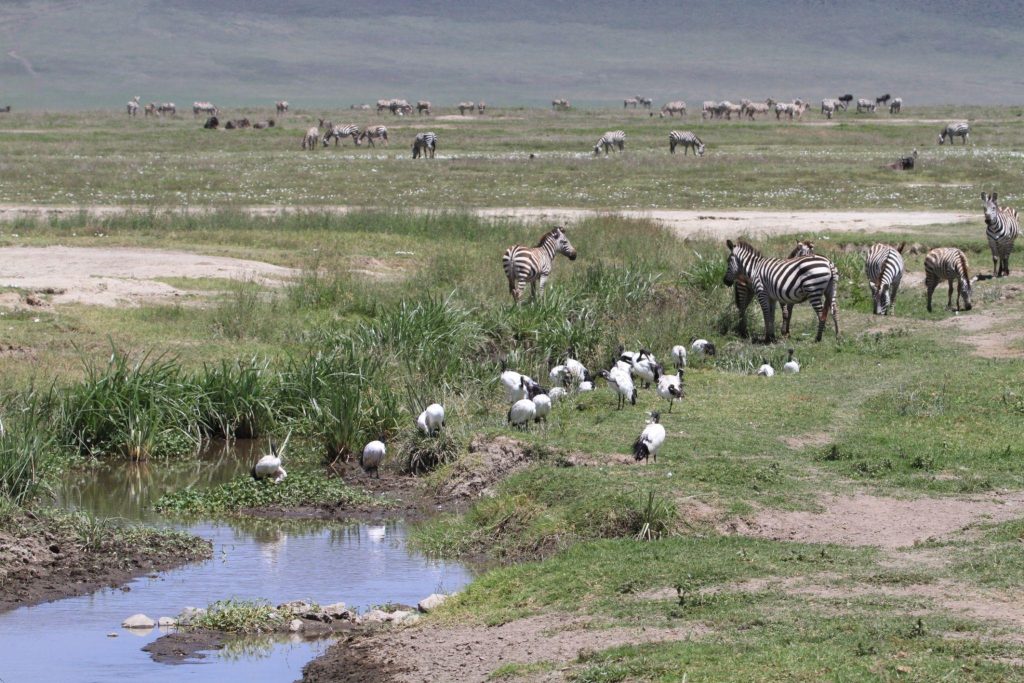
Regions inhabited by the Maasai can experience varying climates, from hot and dry to cool and rainy depending on the season.
Pack light, breathable clothing for daytime and warmer layers for evenings. Essentials such as sunscreen, hats, and sufficient water are important, especially for outdoor activities.
Conclusion
Visiting the Maasai is a meaningful cultural experience that goes beyond tourism. It requires respect, awareness, and a willingness to learn. By understanding their traditions, respecting their way of life, and engaging responsibly, you create a positive experience for both yourself and the community.
The Maasai are known for their hospitality and strong cultural identity. With the right approach, your visit becomes more than a trip—it becomes a genuine connection with one of Africa’s most iconic communities.