

Africa is a thrilling destination filled with diverse cultures, landscapes, and unforgettable experiences. Yet one of the most overlooked aspects of trip planning is managing your electronic devices. Phones, laptops, cameras, and travel gadgets are essential, making it crucial to understand how electricity works across the continent.
Because Africa does not have a single standardized electrical system, travelers need to prepare for differences in plug types, voltage, and frequency. Without the right setup, you risk damaging your devices or struggling to keep them charged during your trip.
Why Understanding Adapters and Converters Matters
Electric systems vary widely across African countries. While major cities offer reliable infrastructure, rural areas and safari lodges may have limited outlets or inconsistent power.
Understanding adapters and converters helps you:
Protect devices like smartphones, laptops, and cameras
Stay connected for navigation, communication, and photography
Avoid electrical hazards such as short circuits or overheating
Save time and frustration during your trip
Good preparation ensures your travel experience remains smooth and uninterrupted.
Electrical Systems Across Africa
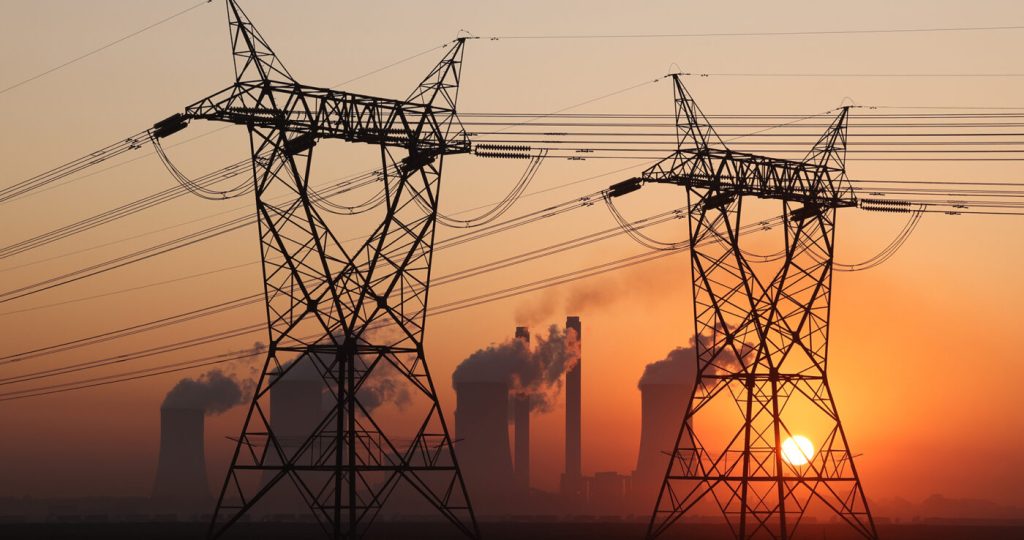
There is no universal electrical standard across Africa, so it is important to understand the basics before traveling.
Voltage
Most African countries use 220–240 volts, although a few still operate on 110–127 volts. Always check your destination to determine compatibility with your devices.
Frequency
The standard frequency is 50 Hz, which differs from 60 Hz used in countries like the United States. Most modern electronics handle both, but some appliances may not.
Plug Types
Several plug types are used across the continent, including C, D, E, F, G, and M.
North Africa commonly uses Type C
East Africa, including Kenya, often uses Type G
West Africa may use Type D or G
Southern Africa, especially South Africa, uses Type M
If you plan to visit multiple countries, a universal adapter is the most practical solution.
Adapters vs Converters: What You Need to Know
Understanding the difference between these two is essential for protecting your electronics.
Adapters
Adapters allow your plug to fit into a different socket. They do not change voltage.
Use an adapter if your device supports dual voltage, typically labeled 100–240V. Most modern devices such as phones, laptops, and cameras fall into this category.
Converters
Converters change electrical voltage from one level to another.
Use a converter if your device only supports a single voltage. This is common with items like hair dryers, curling irons, or older appliances.
Essential Travel Gear for Africa
Universal Travel Adapter
A universal adapter is a must-have for multi-country travel. Look for one that includes multiple plug types, USB ports, and built-in surge protection.
Dual Voltage Devices
Most modern electronics already support dual voltage, making them safe to use with just an adapter.
Voltage Converters
Necessary for single-voltage appliances. Choose a lightweight model that matches your device’s wattage.
Smart Tips for Using Electronics in Africa
Check Device Labels
Always confirm voltage compatibility before plugging in any device.
Carry Multi-Port USB Chargers
These allow you to charge multiple devices at once, reducing the need for multiple adapters.
Bring a Power Bank
Power outages can occur, especially in remote areas. A portable power bank keeps your devices running.
Use Surge Protection
Voltage fluctuations can damage sensitive electronics. A surge protector adds an extra layer of safety.
Research Plug Types in Advance
Knowing what to expect helps you avoid buying overpriced adapters at airports or hotels.
Country-Specific Electrical Overview
South Africa uses Type M plugs with 230V and 50Hz
Kenya uses Type G plugs with 240V and 50Hz
Egypt uses Type C and F plugs with 220V and 50Hz
Morocco uses Type C and E plugs with 220V and 50Hz
Nigeria uses Type G plugs with 230V and 50Hz
Tanzania uses Type D and G plugs with 230V and 50Hz
A universal adapter simplifies travel across these regions.
Safety Tips When Using Electricity
Avoid using damaged plugs or loose sockets
Never force a plug into an incompatible outlet
Use certified, high-quality adapters and converters
Keep devices away from water and moisture
Unplug devices when not in use to prevent overheating
Following these precautions ensures both safety and device longevity.
Additional Tech-Savvy Travel Tips
Carry a travel power strip if you have multiple devices
Consider solar chargers for safaris and remote travel
Label your chargers to avoid mix-ups in shared spaces
Download offline maps and apps to reduce reliance on constant charging
Conclusion
Understanding electricity in Africa is essential for any traveler. With varying plug types, voltage systems, and power reliability, preparation makes all the difference.
By carrying the right adapters, converters, and backup power solutions, you can protect your devices and stay connected throughout your journey. Whether you are exploring Egypt, going on safari in Tanzania, or navigating cities in South Africa, having the right electrical setup ensures a smooth and stress-free experience.
In modern travel, staying powered is not a luxury—it is a necessity.