
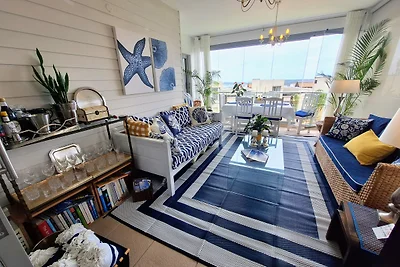
Africa is a diverse continent full of vibrant cities, breathtaking scenery, and rich cultural experiences. For long‑term travellers, digital nomads, expatriates, or students, one of the main tasks when settling in Africa is finding comfortable and affordable accommodation. Finding and renting an apartment in Africa can seem challenging at first due to the vast differences between countries, cities, and even neighbourhoods. In major cities such as Lagos, Nairobi, and Johannesburg, as well as smaller towns and coastal areas, apartment rental prices, quality, and accessibility vary widely.
The emergence of online platforms and real estate agencies has made it easier to find the right apartment, but planning, research, and knowledge of local rental culture remain crucial. This article provides a comprehensive guide to finding and renting an apartment in Africa, offering practical tips, insights into rental processes, and advice on choosing the right location and type of apartment for your lifestyle and budget.
Understanding the African Rental Market
The apartment rental market in Africa is highly diversified and varies greatly across regions. Key factors that shape the rental market include the local economy, regulations, demand, urbanisation, and the presence of expatriates.
Apartment Types Available
When finding and renting an apartment in Africa, it is essential to understand the types of accommodation available:
- Studio Apartments: Small, inexpensive, and ideal for single occupants or students.
- One‑Bedroom Apartments: Favoured by young professionals or couples, offering more space at an affordable price.
- Two or Three‑Bedroom Apartments: Suitable for those who need more space and comfort over a longer period.
- Serviced Apartments: Fully equipped, often including utilities, cleaning services, and security. They are best for business travellers or expats.
- Luxury Apartments: High‑end units in prime locations, offering amenities such as fitness centres, swimming pools, and 24‑hour security.
Understanding your needs and budget is the first step toward finding suitable apartment options.
How to Rent an Apartment in Africa

1. Research Locations
Location is one of the most important factors when finding and renting an apartment in Africa. Consider the following:
- Proximity to work or school: Minimise commuting time and transportation costs.
- Safety: Choose areas with a good reputation for security and low crime rates.
- Availability of amenities: Supermarkets, medical facilities, schools, and public transport.
- Lifestyle: Select neighbourhoods that match your way of life – whether you prefer a busy city centre or a calm suburban retreat.
Cities such as Nairobi, Cape Town, and Accra have well‑defined residential zones that cater to various budgets and preferences.
2. Set Your Budget
Apartment prices in Africa vary depending on the city, neighbourhood, and apartment type. A clear budget will help narrow your choices.
- Low‑budget apartments: Typically found in suburban areas or smaller towns.
- Mid‑range apartments: Located in urban areas with good facilities.
- High‑end apartments: Found in prime city locations or prestigious developments, often with luxurious amenities.
Remember to factor in additional expenses such as utility bills, maintenance charges, and, in some countries, agent fees.
3. Use Online Platforms and Agencies
In today’s digital era, online real estate platforms make finding and renting an apartment in Africa easier. Common platforms include:
- Property24 (South Africa)
- Jumia House (West Africa)
- Lamudi (East Africa)
- Local real estate agencies
Local agencies can provide referrals, assist with rental agreement negotiations, and offer verified listings. Nevertheless, it is essential to inspect properties in person and avoid scams, which can be common in some markets.
4. Understand Rental Agreements
Rental contracts differ by country, but most include:
- Lease duration (three‑month, six‑month, or one‑year contracts)
- Rent amount and payment schedule
- Security deposit and maintenance terms
- Rules on subletting and early termination
Do not sign an agreement without reading it thoroughly. Seeking advice from a local expert or lawyer can prevent misunderstandings.
5. Inspect the Apartment
Before finalising a deal, take time to physically inspect the apartment. Check for:
- Cleanliness and overall quality
- Functioning appliances and utilities
- Security measures such as locks, gates, or guards
- Nearby facilities and road access
An independent inspection will help avoid unpleasant surprises after moving in.
Safety Tips for Renting an Apartment in Africa
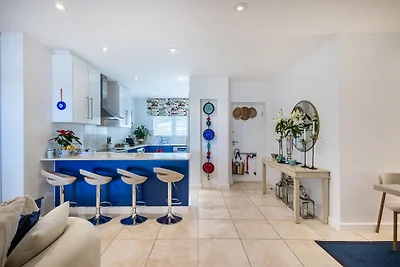
Renting an apartment in Africa can be straightforward if you follow these practical tips:
- Verify the landlord or agency by requesting identification or official registration certificates.
- Avoid cash‑only deals. Use traceable payment methods and always obtain receipts for all transactions.
- Verify lease conditions, including rent increases, deposit refund policies, and maintenance responsibilities.
- Talk to current residents or neighbours to gain insight into safety and living conditions.
- Document the apartment’s condition with photos upon moving in to prevent disputes over damages when you leave.
These precautions lead to a more secure and transparent renting process.
Budget, Long‑Term, and Serviced Apartments
When finding and renting an apartment in Africa, travellers often consider affordability, convenience, and duration of stay.
- Budget Apartments: Suitable for students, young professionals, and travellers seeking low‑cost accommodation. They are often found in suburban areas and offer basic necessities.
- Long‑Term Stays: Long‑term leases provide stability for expatriates, digital nomads, or relocating employees and are often considerably cheaper than short‑term rentals.
- Serviced Apartments: Becoming especially popular with business travellers and foreign visitors. They offer a flexible mix of rental and hotel‑like services, including cleaning, security, and Wi‑Fi.
Keeping these categories in mind helps refine your search to apartments that fit your lifestyle, budget, and travel plans.
Common Challenges When Renting Apartments in Africa
While renting in Africa has many benefits, there are also certain challenges:
- Rental Scams: Fake listings and fraudulent landlords exist, especially on online platforms. Never trust unverified listings and avoid sending money before seeing the property.
- Language Barriers: In countries where English is not dominant, communication can be difficult. Translation tools or local agents can help.
- Legal Differences: Tenant rights, eviction procedures, and deposit laws vary by country. Research local laws or consult a local expert.
- Infrastructure Issues: Power cuts, water shortages, or poor internet connections may affect the rental experience, particularly in suburban or rural areas.
Awareness of these challenges allows travellers to take precautions and avoid unwanted surprises.
Top Cities to Rent an Apartment in Africa
Several cities are particularly popular among expatriates, students, and long‑term travellers seeking rental accommodation:
- Cape Town, South Africa: Offers a wide range of apartments, from budget studios to high‑end city flats.
- Nairobi, Kenya: Known for excellent serviced apartments in both residential and business districts.
- Lagos, Nigeria: A dynamic rental market with options ranging from affordable flats to luxurious apartments in gated communities.
- Accra, Ghana: Provides modern and traditional apartments and houses suitable for families and professionals.
- Coastal cities: Affordable housing and customised high‑end apartments are also available in popular coastal areas.
Each city presents its own rental dynamics. The final choice will depend on personal preferences, safety considerations, and proximity to work or study.
Short‑Term vs. Long‑Term Rentals
When finding and renting an apartment in Africa, the duration of your stay plays a key role in determining the best option:
- Short‑Term Rentals: Typically used by tourists, business travellers, or temporary visitors. They can be booked through online platforms or serviced apartment providers.
- Long‑Term Rentals: Ideal for expatriates, students, or professionals. They often require a formal lease agreement and offer lower monthly rates compared to short‑term stays.
Choosing the appropriate rental period will help optimise costs and provide flexibility based on your travel plans.
Negotiating Rent in Africa
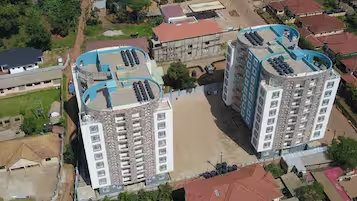
In many cases, rent negotiation is possible when renting apartments in Africa. Useful tips include:
- Research market rates: Know the average rental prices in the area so you can make a reasonable offer.
- Emphasise your reliability: Landlords may offer a discount to tenants with steady income, references, or a commitment to a longer lease.
- Offer advance rent: Some landlords will reduce the monthly rent if you pay several months in advance.
- Bundle services: Include utilities, maintenance, or security services in the rental contract to simplify costs.
Negotiation can save you money and improve your rental experience, especially in markets where prices are flexible.
Conclusion
Finding and renting an apartment in Africa is an achievable goal with careful planning, research, and awareness of local rental practices. The continent offers a great assortment of options, catering to various lifestyles, budgets, and travel needs – from budget and long‑term rentals to serviced and luxury apartments. Understanding country‑specific rental markets, setting a realistic budget, choosing the right location, and verifying landlords are all necessary steps toward securing safe and comfortable accommodation.
Whether you are a student, an expatriate, a digital nomad, or a family relocating, renting an apartment in Africa can offer freedom, cultural immersion, and a true sense of home. With the rise of online platforms, verified listings, and professional real estate agencies, more travellers can navigate the rental experience successfully. By following the tips and strategies outlined in this guide, finding and renting an apartment in Africa becomes not only manageable but also an opportunity to truly connect with life on this diverse continent.