
Chobe Safaris

Authentic Chobe Safari Tours

Experience Chobe, Beyond Your Imagination

Discover extraordinary Chobe safaris inspired by more than two decades of expertise, authentic local insight, and a genuine passion for Africa’s wild places. Every journey is thoughtfully crafted to create meaningful memories while contributing to the conservation of natural habitats and the well-being of the communities that share this remarkable landscape.


25+ years of expertise in 15 Africa Countries

1000+ thoughtfully selected travel partners

200,000+ travellers, many of whom return year after year

Years Crafting Personalised African Safaris
0
Client Reviews at 5 Stars on Feefo
0
Globally Recognised Travel Awards Won Last Year
0
Travellers, Many Returning Year After Year
0
Travellers, Many Returning Year After Year
0

Interested to know more? Click the link to find out all about Exodussafaris Big 5 Guarantee

Why Travel With Exodussafaris?

25 Years of Safari Expertise ​

For over two decades, we have designed tailor-made African safari experiences, drawing on extensive first-hand knowledge and trusted relationships throughout the continent.

We Know Because We Go

Our long-standing presence across Africa gives us unique insight into each destination, lodge, activity, and lesser-known treasure, allowing us to recommend experiences with confidence.

24/7 Support

From the moment you begin planning until you arrive safely back home, our dedicated team is available every step of the way. Our strong partnerships across Africa ensure exceptional service throughout your journey.

Every Adventure Makes a Difference ​

Every safari contributes to the protection of wildlife, natural environments, and local communities, helping support sustainable tourism and long-term conservation efforts.

Complete Financial Protection

Book with confidence knowing your investment is protected through reliable financial safeguards, giving you complete peace of mind before and during your safari.

World-Class Recognition, Trusted by Travellers​

Our commitment to excellence has earned recognition from leading travel organisations worldwide. Most importantly, our reputation is built on the memorable experiences and trust of our guests.
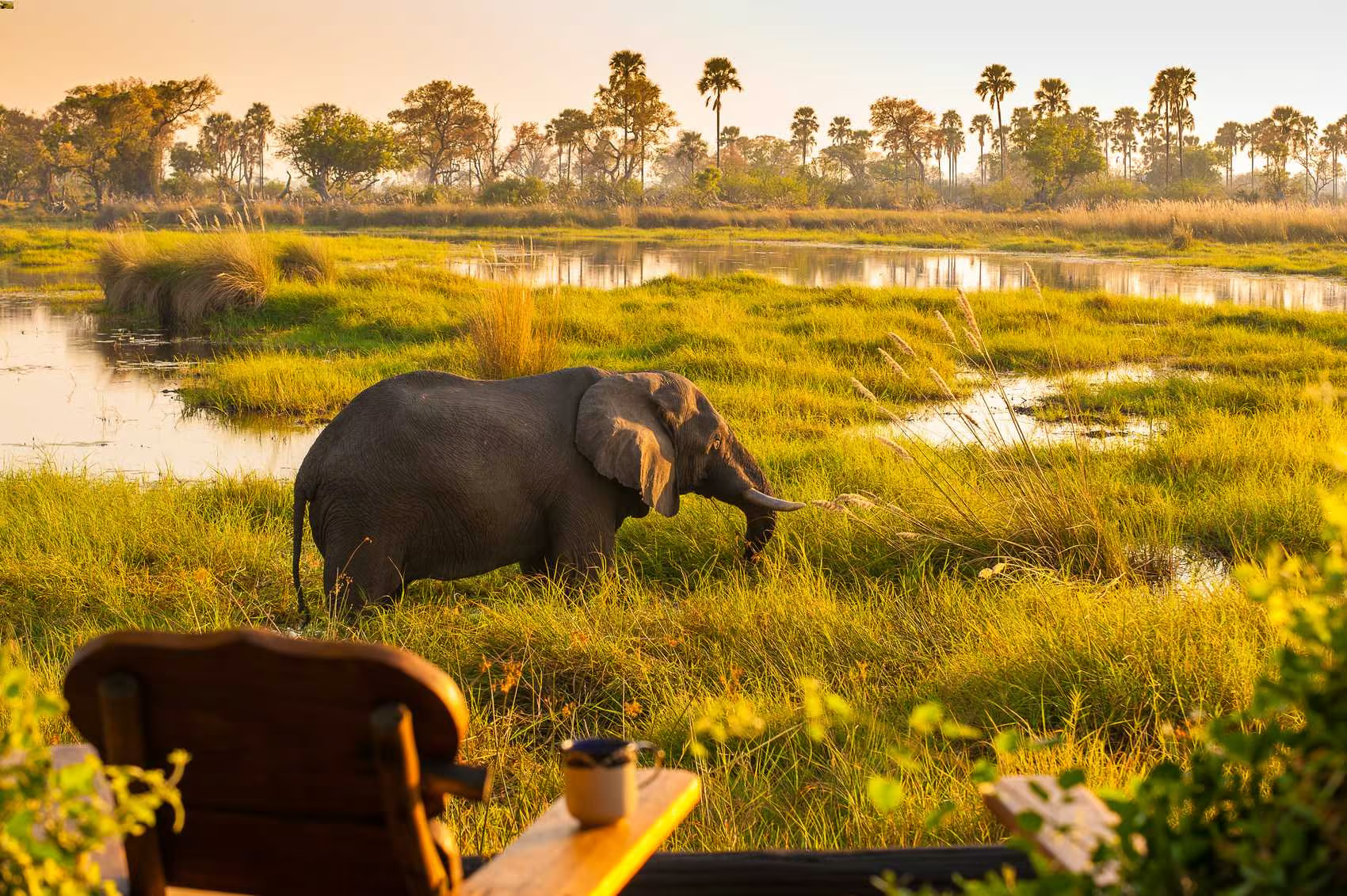
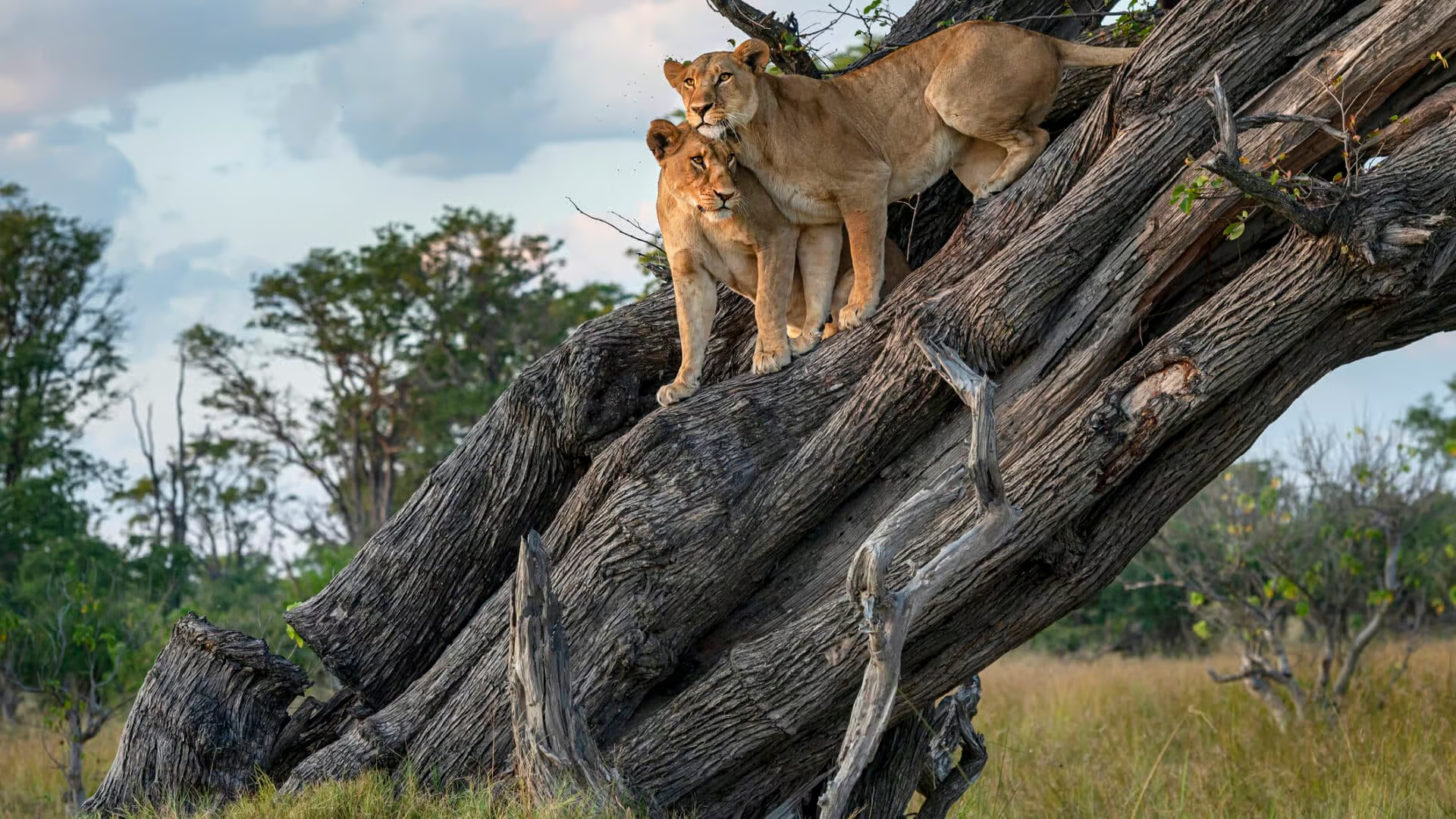
Chobe Gallery

Slide 4
Slide 3
Slide 2
Slide 1

Where To Go In Chobe

Chobe offers an incredible variety of wildlife areas, riverfront landscapes, forests, and cultural attractions, ensuring every visitor can discover a unique side of this remarkable destination.

Chobe National Park

One of Africa's premier wildlife destinations, Chobe National Park is renowned for its enormous elephant population and exceptional game viewing. The park encompasses diverse habitats, from floodplains to dense woodlands. Visitors can enjoy game drives and river safaris that reveal abundant wildlife throughout the year.

Chobe Riverfront

The Chobe Riverfront is the park's most famous region and a magnet for wildlife, especially during the dry season. Large herds of elephants, buffalo, and antelope gather along the water's edge. Sunset cruises provide unforgettable opportunities to observe animals and birdlife from the river.

Serondela Area

Located in the northeastern section of the park, Serondela is known for its lush vegetation and permanent water sources. Wildlife sightings are frequent, including lions, leopards, and large elephant herds. The area is particularly popular among photographers.

Savuti

Savuti is famous for dramatic predator-prey interactions and its mysterious channel that periodically flows and dries up. The region attracts lions, hyenas, cheetahs, and large numbers of herbivores. Its rugged landscapes create a classic African safari atmosphere.

Savuti Marsh

This expansive marshland serves as a vital wildlife habitat within the Savuti ecosystem. Seasonal changes transform the area, attracting diverse species throughout the year. Birdwatchers and wildlife enthusiasts find excellent viewing opportunities here.

Linyanti Wildlife Reserve

Bordering Chobe National Park, Linyanti offers a more exclusive safari experience. Rich wetlands and forests support abundant wildlife, including elephants, wild dogs, and predators. The reserve is ideal for travellers seeking privacy and luxury.

Linyanti Marshes

The marshes provide year-round water and attract exceptional concentrations of animals. Visitors often encounter elephants, buffalo, and numerous bird species. The peaceful environment offers a rewarding alternative to busier safari areas.

Nogatsaa Region

Less visited than the riverfront, Nogatsaa offers a remote wilderness experience. Waterholes attract wildlife from across the surrounding woodland habitats. The area rewards adventurous travellers with quieter game-viewing opportunities.

Ngwezumba Pans

These seasonal pans become magnets for wildlife after rainfall. During wetter months, visitors can observe numerous animals gathering around the water. The open terrain also provides excellent wildlife photography conditions.

Kasane

Kasane serves as the gateway to Chobe National Park and offers convenient access to safari activities. The town provides accommodation, restaurants, and cultural experiences. Its location along the Chobe River adds scenic appeal.

Impalila Island

Situated where Chobe, Namibia, Zambia, and Zimbabwe meet, Impalila Island offers a unique cultural and geographical experience. Visitors can enjoy traditional village visits and river excursions. The island showcases a fascinating blend of cultures.

Sedudu Island

This small island lies within the Chobe River and is surrounded by rich wildlife habitat. Seasonal flooding creates ideal conditions for grazing animals and birdlife. River cruises frequently pass the island, offering excellent viewing opportunities.

Chobe Forest Reserve

The reserve protects vast tracts of woodland and supports numerous wildlife species. It offers a more secluded safari setting away from heavily visited areas. Nature lovers appreciate its pristine landscapes and tranquillity.

Kazungula

Located near the borders of four countries, Kazungula is an important regional crossing point. The area provides easy access to nearby attractions and scenic river views. Visitors can combine cultural experiences with wildlife adventures.

Best Time To Visit Chobe

Chobe is a year-round safari destination, but the best time to visit generally depends on whether you prefer exceptional wildlife concentrations during the dry season or lush landscapes and birdwatching during the green season.

Chobe Safari in January

January falls within the green season and brings frequent rainfall to Chobe. The landscape becomes vibrant and lush, attracting migratory birds from across the region. Wildlife is more dispersed because water is widely available, but photographic opportunities are excellent thanks to dramatic skies and rich scenery. Visitors seeking fewer crowds and beautiful landscapes often enjoy this time of year.

Chobe Safari in February

February remains wet and green, with abundant vegetation covering the region. Birdwatching reaches its peak as migratory species fill the wetlands and woodlands. Young animals are often visible, creating rewarding wildlife encounters. While game viewing can require more patience than during the dry season, the scenery is spectacular and visitor numbers remain relatively low.

Botswana Safari in March

March marks the gradual transition toward the end of the rainy season. Vegetation remains lush, and water sources are plentiful throughout the park. Wildlife sightings begin to improve as rainfall decreases. Birdlife remains exceptional, making this month ideal for photographers and nature enthusiasts looking for a quieter safari experience.

Chobe Safari in April

April is considered one of the most pleasant months to visit Chobe. Temperatures are comfortable, rainfall decreases significantly, and the landscape remains green. Wildlife becomes easier to spot as vegetation slowly begins to thin. The combination of excellent weather and attractive scenery makes April highly appealing.

Chobe Safari in May

May introduces the start of the dry season. Cooler temperatures create comfortable conditions for game drives and outdoor activities. Animals begin concentrating around permanent water sources, improving wildlife viewing opportunities. The clear skies and mild weather make this a favourite month for many safari travellers.

Botswana Safari in June

June offers excellent safari conditions with cooler mornings and pleasant daytime temperatures. Wildlife activity increases around rivers and waterholes as natural water sources diminish. The dry environment makes animals easier to locate and photograph. Visitor numbers begin rising as the peak safari season approaches.

Chobe Safari in July

July is one of the most popular months for visiting Chobe. Dry conditions attract large concentrations of wildlife to the Chobe River. Elephants, buffalo, and predators are regularly seen, often in impressive numbers. Cool temperatures and outstanding game viewing create ideal safari conditions.

Chobe Safari in August

August delivers some of the year's best wildlife viewing opportunities. Large herds gather along the riverfront, creating spectacular safari experiences. Rain is virtually absent, and visibility remains excellent throughout the park. Visitors can expect frequent sightings of elephants, predators, and diverse birdlife.

Chobe Safari in September

September is widely regarded as one of Chobe's premier safari months. Dry conditions continue, forcing animals to remain close to reliable water sources. The concentration of wildlife is extraordinary, especially along the Chobe River. Warm temperatures and exceptional game viewing make this a highly sought-after travel period.

Chobe Safari in October

October is typically the hottest month in Chobe. Wildlife viewing remains outstanding as animals continue gathering around permanent water. River cruises become especially rewarding, with large numbers of elephants and other species visible throughout the day. Despite the heat, safari experiences are often exceptional.

Chobe Safari in November

November signals the arrival of the first rains. The landscape begins transforming from dry brown tones to fresh green vegetation. Wildlife remains visible, although animals start dispersing as new water sources emerge. Birdwatchers benefit from the return of migratory species and increasing bird activity.

Chobe Safari in December

December brings warmer temperatures and more frequent rainfall. The region becomes greener and more scenic with each passing week. Birdwatching is excellent, and many animals give birth during this season. Visitors who appreciate lush landscapes and fewer tourists often find December highly rewarding.

Our Recommended Activities In Chobe

Explore our recommended experiences in Chobe and find your perfect way to connect with its natural beauty.

Chief’s Island

Moremi Game Reserve

Makgadikgadi Pans

Chobe National Park and Savuti Marsh

Khwai

Chief’s Island

Our Recommended Activities In Chobe

Explore our recommended experiences in Chobe and find your perfect way to connect with its natural beauty.

Chief’s Island

Moremi Game Reserve

Makgadikgadi Pans

Chobe National Park and Savuti Marsh

Khwai

Chief’s Island

Safari Lodges, Tented Camps and Villas
in Chobe

Savute Elephant Lodge, A Belmond Safari

Belmond Savute Elephant Lodge is a luxury lodge in Chobe National Park known for its...

African Bush Camps Atzaro Okavango Camp

Welcome to Atzaro Okavango, a premier safari destination that offers sustainable luxury in the heart...

Cha Cha Metsi

Explore our most popular safaris in Botswana and experience the magic of its untouched wilderness.cvbcccccccccccccccccccccc

What You Need To Know About Chobe Safaris

Find everything you need to know to plan your Chobe adventure, from travel tips to essential insights for an unforgettable trip.

Chobe Food and Tipping Practices

Most lodges and safari camps in Chobe provide a combination of international cuisine and regional specialties. Meals are typically served buffet-style or as multi-course dining experiences, often featuring fresh ingredients and local flavours. Vegetarian, vegan, and special dietary requirements can usually be accommodated with advance notice. Tipping is customary but not mandatory, with guests generally rewarding guides, camp staff, and drivers for excellent service. Many lodges provide suggested tipping guidelines to help visitors determine appropriate amounts during their stay.

Chobe Food and Tipping Practices

The cost of a Chobe safari varies depending on travel season, accommodation standards, and the activities included. Budget safaris can offer excellent value, while luxury lodges provide premium experiences with exclusive services and amenities. Prices often include accommodation, meals, game drives, and transfers, though some activities may incur additional charges. Travelling during the green season can reduce costs considerably, while peak dry-season months typically command higher rates due to increased demand and exceptional wildlife viewing.

Cost of a Chobe Safari

Packing for Chobe requires practical clothing suitable for changing safari conditions. Lightweight, neutral-coloured clothing helps visitors remain comfortable and blend into the environment. Essential items include a hat, sunglasses, sunscreen, insect repellent, comfortable walking shoes, and a light jacket for cool mornings. Binoculars and a camera are highly recommended for wildlife viewing. During the rainy season, a lightweight waterproof jacket and protective covers for electronics can be particularly useful additions.

Packing List for Chobe

Chobe experiences a subtropical climate with distinct wet and dry seasons. The rainy season generally occurs from November through March, bringing lush landscapes and abundant birdlife. The dry season extends from May to October and is characterised by lower humidity and excellent wildlife viewing conditions. Temperatures vary throughout the year, with cooler mornings during winter months and hot afternoons during spring. Understanding seasonal patterns helps visitors choose the safari experience that best matches their interests.

Climate in Chobe

English is widely spoken throughout Chobe and serves as the country's official language, making communication easy for most international visitors. Setswana is the national language and is commonly spoken among local communities. Visitors may also hear other regional languages depending on the area and cultural background of residents. Safari guides, lodge staff, and tourism professionals generally speak fluent English, ensuring travellers can comfortably participate in activities, ask questions, and learn about the region's wildlife and culture.

Languages in Chobe

Chobe is generally considered a safe safari destination when visitors follow guidance provided by professional guides and lodge staff. Wildlife encounters should always be approached with caution and respect, particularly in unfenced safari camps where animals may move freely. Visitors should avoid walking alone at night unless accompanied by staff. Standard travel precautions, including safeguarding valuables and carrying appropriate travel insurance, are recommended. With responsible behaviour and adherence to safety instructions, most travellers enjoy a safe and memorable safari experience.

Is Chobe Safe?

Testimonials

What People Say About Us

We are the leading travel agency offering different programs and higher education diplomas that are designed with global requirements in mind.

Your ultimate guide to exploring the world

Blog and articles

Latest travel tips and blog covering all travel experiences. Check out our mentions in different guides and articles.


Our Trusted Safari Partners in Africa

Latest travel tips and blog covering all travel experiences. Check out our mentions in different guides and articles.