Travelling to Africa is an adventure involving amazing wildlife, stunning scenery, and rich cultures. However, one of the most crucial decisions you will make before stepping onto the continent is choosing the right travel bag. Your bag is not simply a storage tool – it is a companion that can make your journey smoother, safer, and more comfortable. This is why selecting the best travel bag to Africa is so important for anyone visiting this diverse continent.
Whether you are on a safari in Kenya, shopping in Morocco’s markets, trekking in the Atlas Mountains, or relaxing on a tropical beach in Zanzibar, your travel bag can make a significant difference to your experience. This guide provides expert tips on choosing the right bag – from size and material to security features – so you can travel light, stay organised, and be equipped for any adventure.
Why Choosing the Right Travel Bag Matters
Selecting a travel bag may seem simple, but Africa presents unique challenges that make bag choice vital:
- Diverse landscapes: From dusty safari paths to rocky hiking trails and busy urban environments, your bag must withstand various conditions.
- Climate factors: Bags need to perform in hot, humid conditions and cool highlands.
- Air travel restrictions: Domestic flights often have strict luggage limits.
- Safety and security: Protecting your belongings against theft or damage is essential when travelling across regions.
Choosing the right bag ensures your luggage supports, rather than hinders, your African adventure.
Types of Travel Bags Suitable for Africa
The first step is choosing the right type of bag. Here are common options:
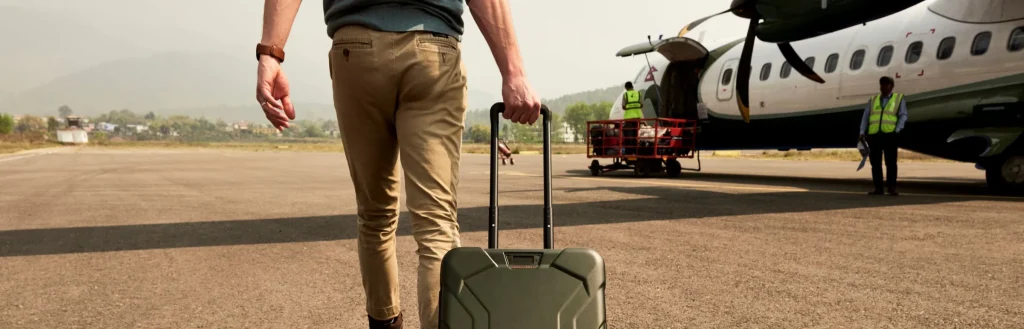
Wheeled Suitcases
Wheeled suitcases are convenient for city travel or airport transfers. They:
- Offer excellent mobility on smooth surfaces.
- Provide structured compartments for organising clothes and accessories.
- Come in hard‑shell or soft‑shell versions.
Hard‑shell suitcases protect fragile items but can be bulky on rough ground. Soft‑shell suitcases are lighter but may be less durable.
Backpacks and Rucksacks
Backpacks are versatile and ideal for adventure travel:
- Suitable for hikes, safaris, or off‑road tours.
- Allow hands‑free movement for daily excursions.
- Often feature multiple compartments for organisation.
When choosing a backpack for Africa, look for padded shoulder straps, breathable back panels, and waterproof materials.
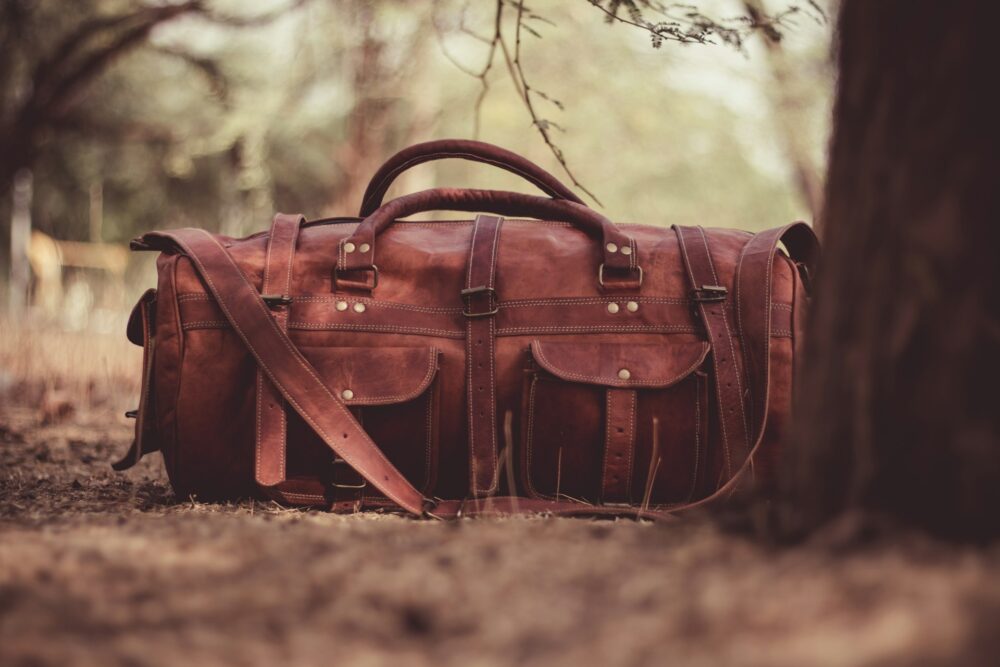
Duffel Bags
Duffel bags are soft and can be squeezed into tight spaces:
- Lightweight and portable.
- Offer generous storage capacity.
- Some are wheeled for hybrid use.
Choose a durable, water‑resistant duffel bag to handle dust, rain, and rough handling during transport.
Carry‑On Bags
A carry‑on bag is useful for short flights or stopovers:
- Avoids checked baggage fees.
- Keeps essentials accessible during travel.
- Suitable for weekend safaris or short tours.
Ensure your carry‑on meets airline size restrictions but has compartments to organise personal items.
Tips for Choosing the Best Travel Bag to Africa
1. Size and Capacity
Bag size depends on trip duration, activities, and luggage restrictions:
- For short trips (3–7 days): 30‑40L backpack or small suitcase.
- For 1–2 weeks: 50‑70L bag.
- For longer journeys: 70‑90L bag or large suitcase.
Choose a bag with expandable pockets for extra capacity without overpacking.
2. Material and Durability
Africa’s landscape can be harsh on luggage, so durability is essential:
- Polycarbonate or ABS: Lightweight, strong, and impact‑resistant for hard‑shell suitcases.
- Polyester or Ballistic Nylon: Water‑resistant and durable for backpacks and duffel bags.
- Reinforced seams and zippers: Reduce the risk of tearing or breaking.
Durable materials ensure your bag lasts longer and protects your belongings.
3. Comfort and Mobility
Backpacks and wheeled luggage must offer comfort. Key features include:
- Padded shoulder straps and hip belts for backpacks.
- Sturdy, durable wheels for wheeled bags.
- Telescoping handles for easy pulling.
- Breathable design to reduce strain.
A comfortable bag prevents fatigue during long journeys.
4. Security Features
While Africa is generally safe, precautions are wise. Look for bags with:
- Lockable zippers or built‑in TSA locks.
- RFID‑blocking compartments for passports and cards.
- Hidden pockets for valuables.
Security features are among the most important factors when selecting the best travel bag to Africa.
5. Organisational Compartments
Effective organisation simplifies packing and unpacking:
- Separate sections for clothing, toiletries, electronics, and documents.
- Transparent mesh pockets and ventilation.
- External pockets for items like water bottles or travel guides.
A well‑organised bag saves time and reduces stress during your trip.
6. Weather Resistance
Africa’s climate ranges from wet tropics to dry savannahs. Your bag should be:
- Water‑resistant or waterproof to protect against rain and spills.
- Dust‑resistant or easy to clean in desert conditions.
- Mold‑ and mildew‑resistant in humid climates.
Weather‑resistant features keep your belongings safe and dry.
7. Multi‑Functionality and Versatility
A versatile bag adapts to different situations:
- Convertible duffels that work as backpacks.
- Wheeled duffels for airport convenience.
- Modular compartments for customised packing.
Versatility is one of the expert tips for choosing the best travel bag to Africa.
Packing Considerations Alongside Your Travel Bag
How you pack matters as much as the bag itself. Follow these guidelines:
- Use packing cubes: Organise clothes, electronics, and accessories.
- Roll clothes to save space: Reduces wrinkles and increases capacity.
- Distribute weight evenly: Essential for backpack comfort.
- Prepare a carry‑on: Keep documents, medication, and valuables accessible.
- Leave extra space: Allow room for items you may acquire during your journey.
Travel Bag Advice for Different Trip Types
Safari Trips
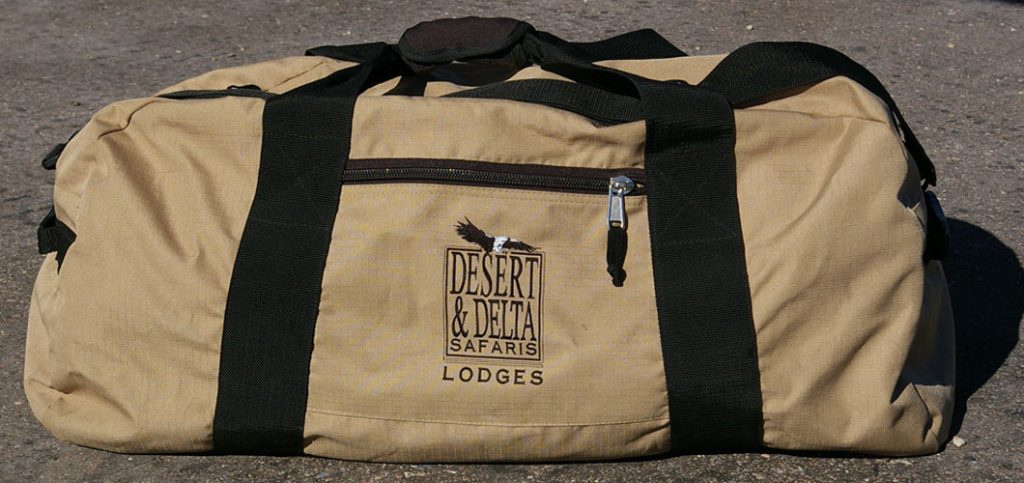
- Duffel bag or medium backpack for rough terrain.
- Pack light, neutral‑coloured clothing, hats, and binoculars.
- Choose dust‑resistant materials.
City or Coastal Travel
- Wheeled suitcase for smooth surfaces.
- Lightweight, casual clothing.
- Secure compartments for electronics and valuables.
Adventure or Hiking Trips
- Hiking backpack with hydration pack.
- Durable, all‑weather materials.
- Quick‑access pockets for maps, snacks, or cameras.
Tailoring your bag selection to your itinerary ensures comfort, convenience, and readiness.
Common Mistakes to Avoid
Even experienced travellers make errors. Avoid these pitfalls:
- Choosing a bag that is too small or too large for your trip length.
- Overlooking durability and comfort features.
- Forgetting weather protection or security.
- Overpacking until the bag is too heavy to carry.
- Failing to consider organisational features, leading to clutter.
Conclusion
Choosing the right travel bag is one of the most important steps in planning a trip to Africa. Expert tips on selecting the best travel bag ensure your luggage remains safe, organised, and accessible across various terrains and climates.
By considering factors such as size, durability, comfort, security, and versatility, you can choose a bag that suits your travel style and activities. Whether you are on safari, exploring cities, or relaxing on beaches, the right bag enhances your journey and reduces travel hassles. Follow these tips to choose the best travel bag to Africa and travel with confidence, knowing your bag is ready for all the adventures Africa has to offer.