Planning a trip to Africa is exciting, motivating, and even daunting. The continent is vast, diverse, and full of experiences – from iconic wildlife safaris and ancient cultures to modern cities, remote deserts, tropical beaches, and epic mountains. To make the most of such an adventure, good preparation is essential. Researching your Africa trip is the foundation that transforms a dream vacation into a smooth, meaningful, and unforgettable experience.
This comprehensive guide will help you understand what to study, why it matters, and how to ensure your travel plans align with your personal goals. Whether you seek nature, culture, relaxation, or adventure, this article will help you make informed and confident decisions before you travel.
Why Research Is Essential for African Travel
Africa is not a single destination. It is a continent of 54 countries, thousands of cultures, and vastly different climates, infrastructures, and travel styles. Without proper preparation, travellers can underestimate distances, overlook seasonal variations, or miss opportunities that better suit their preferences.
Researching your Africa trip enables you to:
- Select destinations that match your interests and budget.
- Understand visa, health, and safety requirements.
- Plan realistic itineraries.
- Avoid common pitfalls first‑time visitors often encounter.
A well‑researched approach ensures that your journey is not only enjoyable but also safe and enriching.
Setting Your Travel Goals and Expectations
Before making bookings or reservations, take time to define what you want from your trip. This step underpins all other research decisions.
Ask yourself:
- Do you prefer wildlife, culture, beaches, adventure, or a combination?
- What type of accommodation suits you – luxury lodges, mid‑range hotels, or budget travel?
- Are you travelling solo, with family, or in a group?
- How much time do you have?
For example, wildlife enthusiasts may focus on planning safaris, while those interested in history and culture may explore North or West Africa. Defining your goals prevents information overload.
Researching Your Africa Trip: Choosing the Right Destination
Wildlife and Safaris
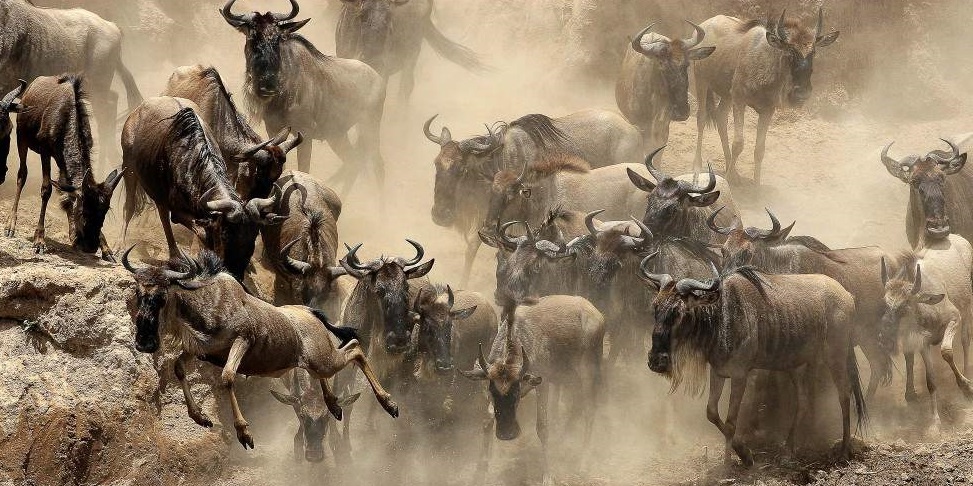
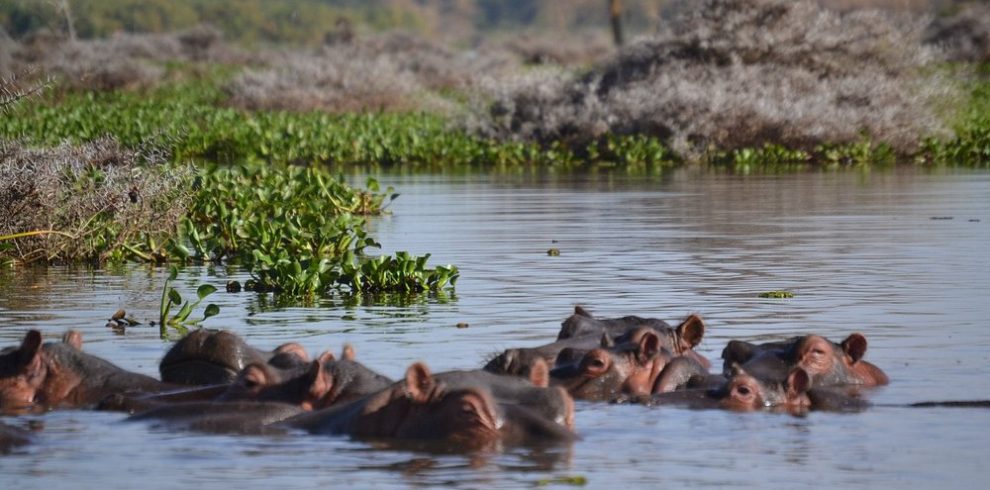
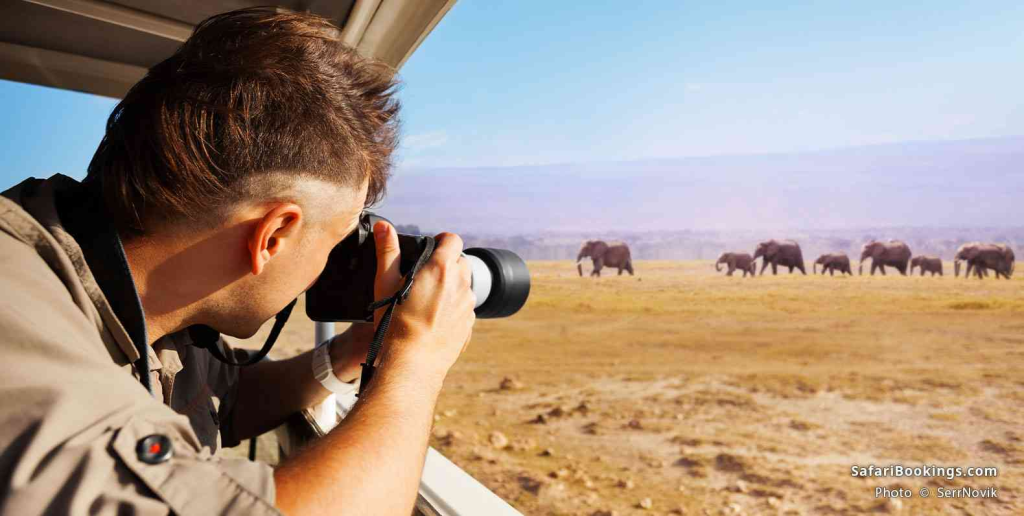
Top destinations include Kenya, Tanzania, South Africa, Botswana, and Namibia. Research national parks, migration patterns, and conservation areas to determine where and when to visit.
Cultural and Historical Experiences
Morocco, Egypt, Ethiopia, Ghana, and Senegal offer rich cultural heritage, ancient structures, and compelling histories. It is helpful for cultural travellers to understand local practices, festivals, and customs in advance.
Beaches and Relaxation
Zanzibar, Seychelles, Mauritius, and Cape Verde are known for pristine beaches and laid‑back luxury. Research weather patterns and resorts to find your ideal pace.
Adventure and Nature
Uganda, Rwanda, Zambia, and Madagascar are ideal for trekking, gorilla viewing, waterfalls, and unique wildlife. These experiences often require permits and advance bookings, making prior research essential.
Timing Your Visit: Climate and Seasons
Seasonal differences are among the most important factors in Africa travel planning. Climate varies by region, and timing can significantly affect your experience.
- Dry seasons are generally best for wildlife viewing and road trips.
- Wet seasons offer lush landscapes and fewer tourists but may limit accessibility.
- Migration patterns are key for safari enthusiasts, particularly in East Africa.
Researching weather patterns ensures comfort, safety, and greater value from your trip.
Budgeting and Costs
Africa can be travelled at almost any price point, but costs vary significantly depending on destination and travel style.
Key expenses to research include:
- Domestic and regional flights.
- Accommodation types.
- Park fees and permits.
- Intra‑country transport.
- Guides and tour operators.
African safaris, in particular, require careful budgeting due to conservation fees and guided tours. Early comparison of options helps balance affordability, comfort, and safety.
Entry Requirements, Health, and Safety
Responsible Africa travel planning also involves addressing health and legal matters before departure.
Health Research
- Required and recommended vaccinations.
- Malaria risk and prevention.
- Availability of healthcare facilities.
Safety Awareness
- Regional safety conditions.
- Travel advisories.
- Local laws and customs.
Visas and Documentation
- Visa‑free countries vs. visas on arrival.
- Passport validity requirements.
- Transit requirements.
Rely on official government and health sources for accurate, up‑to‑date information.
Getting Around: Transportation
Distances in Africa can be far greater than they appear on a map. Researching internal transport helps you avoid tight schedules and missed connections.
Transport options include:
- Domestic flights.
- Private transfers.
- Trains (limited in some areas).
- Rental cars with or without drivers.
In many countries, hiring a local driver or joining a guided tour enhances safety and cultural understanding.
Researching Accommodation
Accommodation in Africa is as diverse as its landscapes – from luxury safari lodges and eco‑camps to guesthouses and city hotels.
When researching accommodation, consider:
- Location relative to attractions.
- Safety and accessibility.
- Inclusions such as meals, tours, or transfers.
- Sustainability and community impact.
Careful accommodation research enhances comfort and supports responsible tourism.
Sustainable Travel in Africa
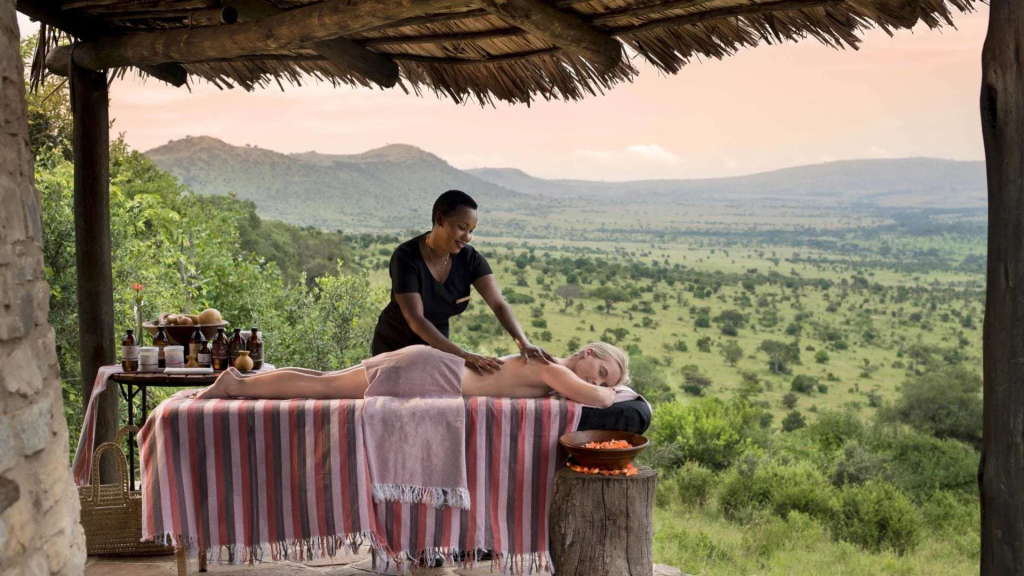
Sustainable and ethical travel is increasingly important to modern travellers. Africa travel planning should include awareness of your impact on people and the environment.
Look for:
- Locally owned businesses.
- Eco‑certified lodges.
- Responsible safari operators.
- Respectful cultural experiences.
Responsible tourism helps preserve Africa’s natural and cultural wonders for future generations.
Packing and Practical Preparation
What you pack depends largely on where you are going and what you plan to do. Research helps you pack smart and travel light.
Common considerations:
- Weather‑appropriate clothing.
- Modest attire for cultural regions.
- Travel adapters and power solutions.
- Medications and medical supplies.
Neutral‑coloured clothing and durable equipment are especially important for safari travellers.
Local Etiquette and Cultural Sensitivity
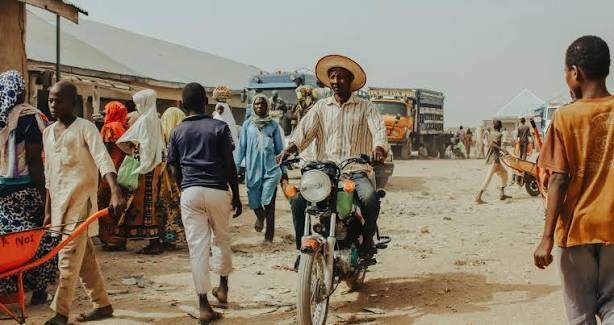
Africa is culturally diverse. Understanding local customs improves interactions and prevents unintended offence.
Research areas such as:
- Greetings and body language.
- Tipping practices.
- Photography etiquette.
- Religious and social norms.
Cultural awareness transforms sightseeing into meaningful engagement.
Final Advice for Researching Your Africa Trip
- Plan early, particularly for peak seasons.
- Use reputable tour operators and guides.
- Store copies of important documents.
- Remain flexible and open‑minded.
A well‑researched approach ensures you are prepared without over‑planning every detail.
Conclusion
A visit to Africa is an eye‑opening, educational, and marvellous experience. The key to making it all it can be is careful preparation. Researching your Africa trip allows you to travel with confidence, respect local cultures, manage costs, and create memories that last a lifetime.
With proper knowledge of destinations, seasons, health needs, budget, and cultural expectations, you ensure your trip meets your expectations and delivers real value. Whether you seek wildlife, culture, adventure, or relaxation, thorough research turns your dream into reality. When done right, researching your Africa trip is not just about planning a vacation – it is about preparing for an experience that will broaden your perspective and leave a lasting impact.