

Urban transport in Africa is changing rapidly, with many cities upgrading their transportation structures by installing modern subway networks to alleviate congestion and enhance efficient movement. When visiting the busy cities of Africa, understanding how to navigate these underground systems is essential. Riding Africa’s subways offers a different and efficient way to experience urban life, saving time and ensuring safe travel. Whether you are travelling for business, tourism, or cultural exploration, knowing the ins and outs of subway travel in Africa can make your transportation easier and more enjoyable.
This guide provides practical tips, first‑time rider advice, and safety considerations for travelling on Africa’s subways. From understanding fares and optimal route planning to integrating with other transport modes, these insights will ensure your urban adventure in Africa is safe and efficient.
Why Riding Africa’s Subways Is a Game‑Changer
Subway systems are no longer exclusive to Western cities. African cities such as Cairo, Johannesburg, Lagos, and Addis Ababa have invested heavily in metro systems to support growing populations and reduce road congestion. Riding Africa’s subways offers several benefits:
- Speed and reliability: Subways avoid road traffic, saving significant travel time in congested cities.
- Affordability: Metro fares are typically cheaper than taxis or ride‑hailing services.
- Environmental benefits: Using public transport reduces carbon footprints compared to cars.
- Safety: Official underground networks are usually well‑regulated and secure.
By choosing the metro over surface transport, visitors can commute easily between major tourist sites, business districts, and cultural centres.
African Metro Systems: What You Should Know
Understanding how African metro systems are laid out and operate is essential for comfortable travel. While each city’s subway has its own characteristics, common features include:
Types of Subway Services
- Rapid Transit Lines: Designed for long urban routes, passing major stations ideal for city travel.
- Light Rail Extensions: Some cities combine underground lines with light rail or trams to reach suburban areas.
- Express Services: Available in certain cities, express trains connect main hubs with fewer stops, saving time.
Ticketing and Fare Systems
Modern African underground systems use electronic cards, QR codes, or tokens. Tourists should learn local payment options:
- Purchase a metro card at stations for rechargeable travel.
- Carry small change if cash payments are required.
- Mobile payment apps using QR codes are accepted in some cities.
Always validate your ticket before boarding to avoid fines.
Subway Travel Tips for Tourists
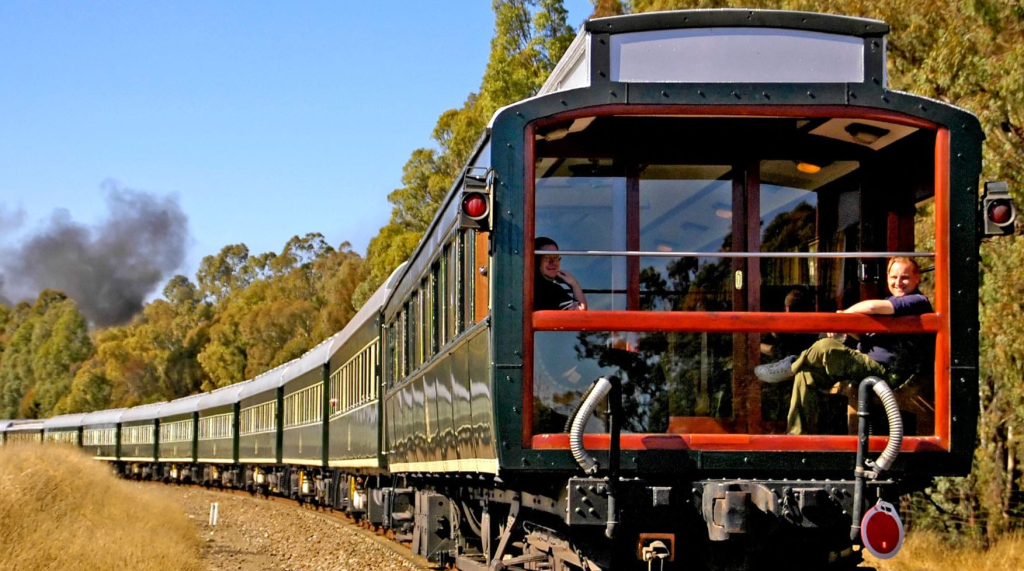
African subways can be intimidating for first‑time visitors. These useful tips will make your commute easier:
Plan Your Route in Advance
Use apps such as Google Maps or local transit apps to map your journey. Knowing the line, station stops, and transfer points ensures efficient travel.
Avoid Peak Hours
Mornings (7‑10 AM) and evenings (5‑8 PM) are busy commuter times. Travel during off‑peak hours for a more comfortable ride.
Respect Local Etiquette
Learn cultural rules for public transport. In many African cities:
- Priority seating is available for women and elderly passengers.
- It is polite to offer your seat to those in need.
- Noise levels are usually kept low in train carriages.
Stay Aware of Safety Measures
Although subways are generally safe, tourists should remain vigilant:
- Keep bags secured in crowded trains.
- Avoid displaying expensive devices.
- Familiarise yourself with emergency exits and station layouts.
Top African Cities with Subway Networks
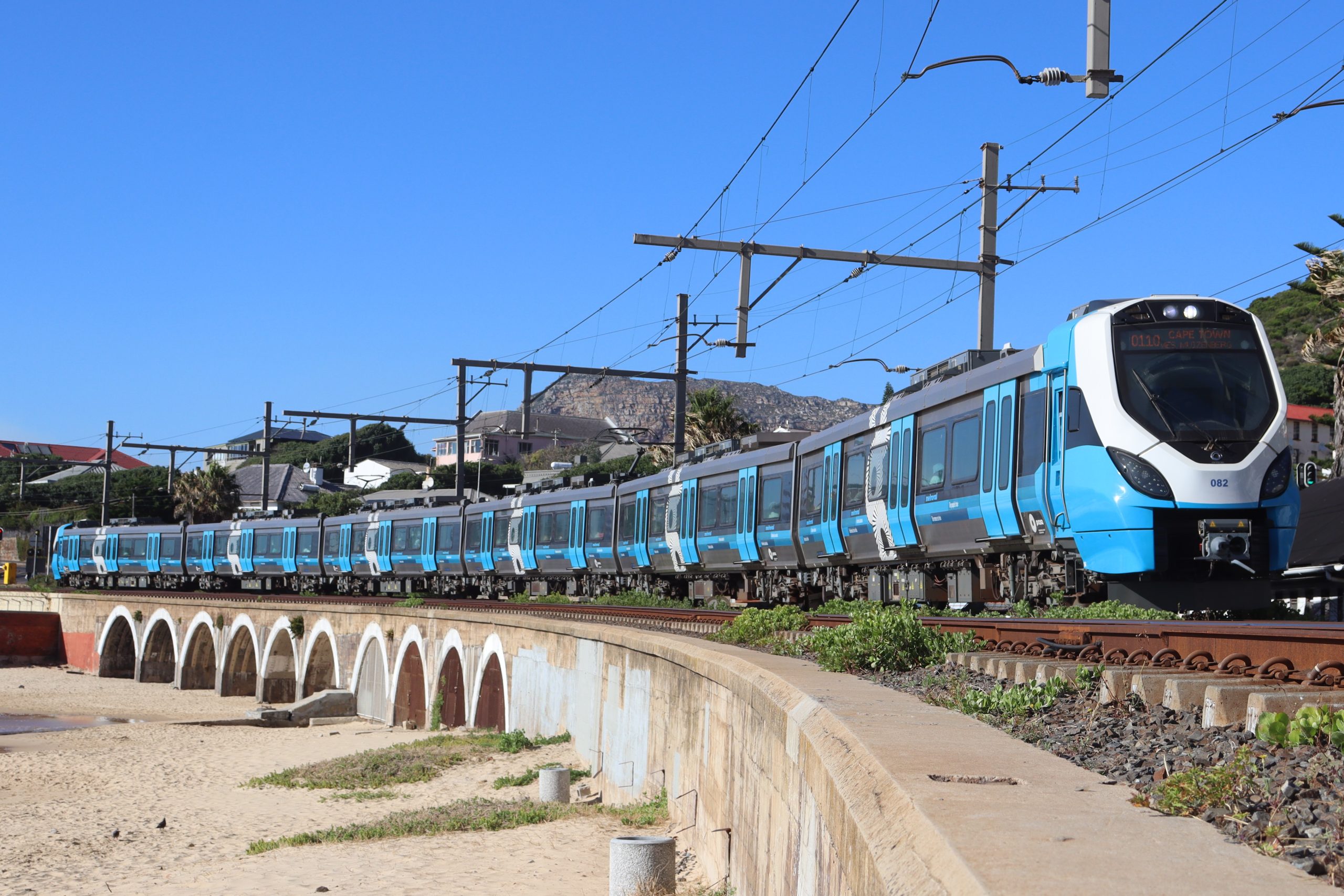
Several African cities have well‑developed subway networks worth exploring:
Cairo Metro, Egypt
One of Africa’s oldest and largest subway systems, Cairo Metro connects central Cairo with suburbs and serves millions daily. It is fast, affordable, and tourist‑friendly.
- Purchase rechargeable cards at stations.
- Avoid rush hours to minimise crowding.
- Keep personal belongings secure on busy commuter routes.
Johannesburg Metro, South Africa
Johannesburg’s subway system is more limited than other large cities but integrates with buses and rail to serve the city. It is reliable for business travellers and tourists exploring city attractions.
- Combine the subway with ride‑hailing services for destinations not directly accessible by metro.
Lagos Light Rail, Nigeria
Lagos has introduced light rail to alleviate traffic congestion. The system is still expanding but offers a comfortable alternative to road transport.
- Check local news for service updates and new line openings.
Addis Ababa Light Rail, Ethiopia
Addis Ababa’s light rail system is fully operational, serving major destinations including the airport. It offers a scenic, affordable way to explore the city.
Combining Subway Travel with Other Urban Transport
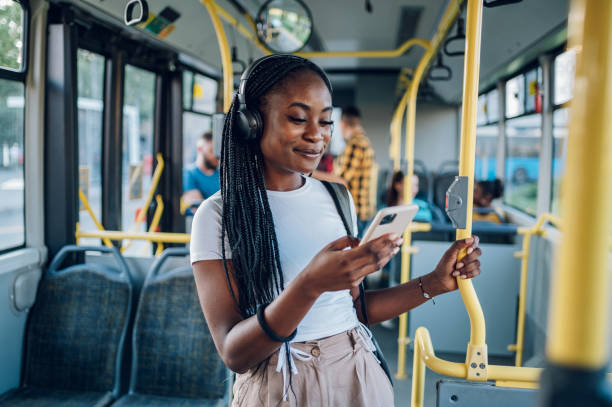
While subways are fast and reliable, they often need to be combined with other transport modes to cover the entire city:
- Buses and minibuses: Connect metro stations to final destinations.
- Taxi rides: Useful for late‑night travel or areas without subway access.
- Walking and cycling: Many stations are within walking distance of major attractions.
Integrating multiple modes helps travellers navigate cities efficiently.
Budget‑Friendly Subway Travel Tips
Travellers seeking affordable ways to get around African cities can benefit from these tips:
- Purchase day passes or multi‑ride tickets for extended travel.
- Use the subway for short trips instead of taxis.
- Plan excursions around transit hubs to reduce the number of rides needed.
Budget‑conscious travellers can enjoy urban living at a lower cost.
Cultural Insights from Riding Africa’s Subways
Riding the subway offers a window into local life, daily routines, and the vibrant commuter culture. Understanding local customs enhances the experience:
- Etiquette matters: Greet station attendants and fellow commuters politely.
- Dress codes: Some cities have dress codes even for public transport.
- Follow rules: Subway networks have regulations regarding eating, drinking, and phone use.
Cultural awareness makes travel smoother and improves interactions with locals.
Safety Tips for Riding Africa’s Subways
Safety is a common concern for tourists using urban transit. Follow these precautions:
- Stick to official metro lines and stations.
- Avoid travelling late at night alone.
- Keep emergency contacts and embassy details handy.
- Be aware of pickpockets, especially in crowded trains.
With these measures, travellers can enjoy a safe and hassle‑free subway experience.
The Future of African Subways

Urban transport systems across Africa are growing rapidly. New subway lines, light rail developments, and improved infrastructure are making commuting easier, safer, and more comfortable. For tourists, staying informed about new lines and services ensures access to the most efficient options.
Exploring subway networks is not only a time‑saving practice but also enhances the overall travel experience, offering a glimpse into the daily lives of local residents.
Conclusion
Riding Africa’s subways is an essential skill for any modern traveller navigating the continent’s urban centres. By understanding metro systems, planning routes, and combining subways with other transport modes, you can reach your destination quickly and comfortably.
Whether you are in Cairo, Lagos, Addis Ababa, or Johannesburg, these tips ensure a smooth ride through the suburbs. Respect local culture, follow safety measures, and prepare in advance for the best experience.
Ultimately, riding Africa’s subways is not just about getting from point A to point B – it is an opportunity to experience the city’s rhythm, connect with local people, and see urban Africa from a new perspective. With these strategies, your journey through African metros will be safe, affordable, and truly unforgettable.