
A trip to Africa is one that travellers always remember, filled with incredible scenery, wildlife, culture, and vibrant cities. One question that arises under all the excitement is: how much and when to tip? Understanding tipping culture in Africa is essential for respecting local traditions, showing appreciation for good service, and avoiding awkward moments during your visit. This comprehensive guide, Tipping in Africa, helps travellers navigate tipping customs across the continent, covering everything from restaurants and hotels to guides and drivers.
Tipping practices can vary significantly between countries, regions, and services. While tipping is not always compulsory, it is expected in the hospitality and tourism industry. This guide provides practical tips to ensure you tip appropriately while travelling through different African countries, making your experience positive for both you and those serving you.
Why Tipping in Africa Matters
Tipping contributes significantly to the income of service providers. In many African countries, wages for hotel staff, restaurant waiters, tour guides, and drivers may be low, and tips supplement their earnings. Tipping allows travellers to show appreciation for good service, encourage staff, and positively impact the local economy.
Understanding local practices is essential. In some countries, a small tip is sufficient, while in others, a more substantial gesture is customary. Ignoring these norms can lead to misunderstandings or missed opportunities to recognise good service.
Restaurant Tipping Etiquette in Africa
Restaurants are one of the most common places where tipping occurs. Here is a breakdown:
- Casual Dining: A tip of 5‑10% of the total bill is customary in most African countries.
- Fine Dining: In high‑end establishments, a tip of 10‑15% is appropriate.
- Service Charge: Always check if a service charge is already included on the bill. If so, additional tipping is optional but still welcome.
- Cash Tips: Cash is often preferred, as it goes directly to the server rather than being added to a card payment.
For example, restaurants in South Africa typically expect a tip of around 10%, while in Kenya, 5‑10% is considered polite.
Tipping in Hotels and Lodging
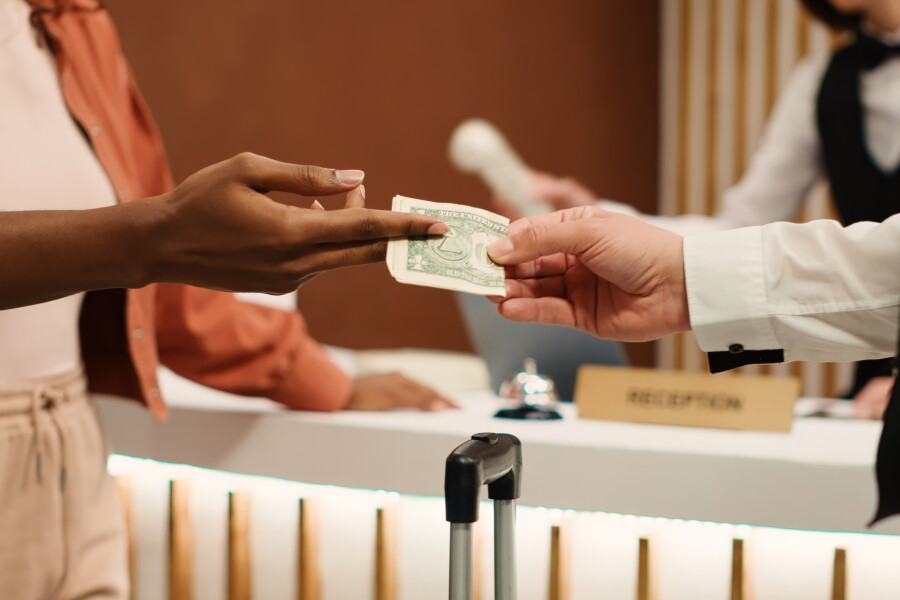
Tipping hotel staff is common across Africa, with different amounts for different services:
- Bellhops/Porters: $1‑2 per bag is standard.
- Housekeeping: $1‑3 per night, left in the room.
- Concierge Services: A tip of $2‑5 is appropriate, depending on the complexity of the service.
In luxury lodges and safari accommodations, tips are sometimes included in the package, but additional tips for outstanding service are always appreciated.
Tipping Safari Guides and Tour Drivers
Tour guides and safari drivers are an essential part of the African adventure, and tipping is a common courtesy.
- Day Tours: $5‑10 per person for a day tour.
- Multi‑Day Safaris: $10‑20 per person per day for guides; $5‑10 per day for drivers.
- Group Tours: For larger groups, tips may be lower per person, but the amount should reflect the quality of service.
Tip after the service is completed, rather than during, except for minor or informal encounters.
Tipping Transportation Services
Tipping taxi drivers, airport shuttles, and personal drivers is common, but amounts vary:
- Taxi Drivers: Round up the fare or add 5‑10%.
- Private Drivers/Chauffeurs: $5‑10 per day is standard.
- Airport Services: Luggage handlers at airports typically receive $1‑2 per bag.
In some countries, ride‑hailing services such as Uber or Bolt allow tipping through the app.
Cultural Considerations for Tipping in Africa

Tipping standards vary across African nations. Here is a snapshot:
- South Africa: Tipping is common across most service industries. 10‑15% is standard for restaurants, with taxi drivers and guides also expecting small cash tips.
- Kenya: Tipping is customary in safaris, lodges, and restaurants. Smaller amounts are sufficient for casual services.
- Morocco: A 10% tip is common in restaurants; guides and drivers also appreciate small tips.
- Egypt: Around 10% is standard in restaurants; hotel staff also expect tips.
- Namibia and Botswana: Safari guides, lodge staff, and drivers are all reliant on tips.
Always adapt to local practices and, when in doubt, ask hotel staff or fellow travellers for advice.
Cash vs. Card Tipping
While restaurant and hotel bills can be paid by credit card in urban areas, tipping in Africa is usually done in cash. Local currency bills in small denominations are preferred, as they are easier to handle and give directly to staff.
- Carry a variety of change.
- Avoid giving coins unless culturally acceptable.
- In rural or remote areas, cash is essential, as card payments may not be possible.
Consider keeping cash in separate envelopes or pouches for easy access when tipping.
When Not to Tip
Tipping is not necessary for all services in Africa. Some general rules include:
- Government Officials: Do not tip police officers, immigration officials, or customs staff.
- Included Service Charges: If a service charge is already included, additional tipping is optional.
- Self‑Service Areas: Self‑service cafes or buffet areas generally do not require tipping.
Knowing when not to tip is as important as knowing when to do so, helping you avoid offending locals or creating awkward situations.
Handling Group Tips

When travelling in a group, it is common to pool tips for guides, drivers, and lodge staff.
- Agree on a reasonable amount per person.
- Collect the pool and distribute it at the end of the service.
- Ensure the guide or driver receives the full amount from the group.
This approach avoids confusion and ensures everyone contributes fairly.
Tipping for Special Services in Africa
Certain services are specific to Africa, particularly safaris and cultural tours:
- Photography or Filming Guides: A small token is appreciated if guides provide special photo services or personal attention.
- Cultural Performances: Tipping performers during visits to local music, dance, or craft demonstrations is expected.
- Adventure Activities: Activity guides – for hiking, diving, or hot air ballooning – may receive $5‑10 per person.
Tipping helps sustain local communities and supports authentic, non‑touristy experiences.
Common Tipping Mistakes to Avoid
- Over‑Tipping: While generosity is welcome, excessive tips can create discomfort or raise expectations.
- Under‑Tipping: Tipping too little may be perceived as disrespectful or rude.
- Tipping in Foreign Currency: Always tip in local currency so it can be used immediately.
- Assuming Tipping Is Optional: While not always mandatory, tipping is culturally expected in tourist‑centred locations.
Being aware of these mistakes ensures your tipping practices are respectful and culturally appropriate.
Tipping in Africa: Quick Reference Guide
| Service | Standard Tip |
|---|---|
| Restaurant (casual) | 5–10% |
| Restaurant (fine dining) | 10–15% |
| Bellhops/Porters | $1–$2 per bag |
| Housekeeping | $1–$3 per night |
| Concierge | $2–$5 |
| Safari/Day Tours | $5–$10 per person |
| Safari/Multi‑Day Tours | $10–$20 per person/day (guide); $5–$10 (driver) |
| Taxi Drivers | 5–10% of fare |
| Private Drivers/Chauffeurs | $5–$10 per day |
| Airport Assistance | $1–$2 per bag |
This practical guide allows travellers to see at a glance which services typically require a tip.
Conclusion: Tipping in Africa Done Right
Tipping in Africa is an important aspect of travel for those who wish to respect local culture, reward good service, and engage positively with local communities. Tipping is not just about following rules – it is an expression of gratitude for hospitality, expertise, and professionalism, particularly in countries where hospitality staff rely on tips as a significant part of their income.
By planning your tips in advance, keeping small amounts of cash, learning local customs, and understanding when and how much to tip, you can ensure your travel experience is smooth and respectful. Remember, it is all about balance – expressing gratitude without violating local preferences. Whether dining at a restaurant, going on a safari, or staying at a luxury lodge, your thoughtful tips will make a meaningful contribution to the lives of those who make your journey so enriching.
Following these guidelines will allow travellers to enjoy their African trip confidently, navigating the tipping culture with ease and building positive relationships with the locals who make their journey memorable.