

Visiting Africa is a life‑changing experience. The continent offers sweeping savannahs, bustling markets, rich cultures, and deep history. However, poor communication is one of the most common challenges travellers face. With over 2,000 languages, diverse dialects, and varied cultural norms, expressing your needs or ideas can sometimes feel overwhelming.
Creative communication during an Africa trip will not only help you overcome logistical challenges but also allow you to explore the culture more deeply and experience the continent in an unforgettable way. Whether you are negotiating in a local market, asking for directions, or joining a cultural tour, creative communication techniques can enhance every interaction.
This guide provides practical advice on creative communication during Africa trips, covering language hacks, technology aids, cultural awareness, and interpersonal skills. By the end, you will feel confident navigating Africa’s linguistic and cultural diversity.
Understanding Africa’s Communication Landscape
Africa is the most linguistically diverse continent in the world, with thousands of languages and dialects. This diversity influences communication in several ways:
- Multilingual Societies: Many Africans speak local languages alongside colonial or regional lingua francas such as English, French, Portuguese, or Arabic.
- Regional Differences: Dialects can vary significantly within a single country. For example, Nigeria alone has over 500 languages, while South Africa has 11 official languages.
- Non‑Verbal Communication: Body language, gestures, and tone of voice often convey more meaning than words in daily interactions.
Understanding these dynamics is essential for creative communication during Africa trips, as it allows you to adapt your approach to local contexts.
Why Creative Communication Matters

Effective communication is essential for:
- Getting Around: Navigating buses, understanding taxi fares, or using trains.
- Booking Accommodation: Communicating clearly with hotel staff or guesthouse owners.
- Cultural Experiences: Interacting with locals, learning traditions, and attending festivals.
- Shopping: Bargaining in markets or ordering food.
- Emergencies: Asking for help, directions, or assistance.
By taking a creative approach to interactions, travellers can overcome language barriers, reduce misunderstandings, and create memorable encounters.
1. Learn Key Phrases in Local Languages
Even a few words in the local language make a significant difference. Focus on essential phrases:
- Greetings: Hello, Good morning, Good evening.
- Politeness: Please, Thank you, Excuse me.
- Directions: Where is…? How much?
- Numbers: Essential for transport, shopping, and meals.
Tips:
- Use apps such as Duolingo or Memrise to learn simple phrases.
- Keep a small notebook or phone note with key phrases.
- Practice pronunciation for clarity.
Speaking the local language, even minimally, shows respect and often leads to warmer responses from locals.
2. Use Technology for Creative Communication
Modern technology can help bridge language gaps:
- Translation Apps: Google Translate, iTranslate, or Microsoft Translator assist with text, voice, and image translation.
- Offline Language Packs: Essential for areas with poor internet connectivity.
- Voice Messages: Use recorded voice messages on apps such as WhatsApp to communicate complex questions.
- Digital Visuals: Show photos or screenshots to explain your needs, particularly in markets or when ordering food.
Combining technology with cultural awareness ensures effective and creative interactions.
3. Use Visual and Physical Communication
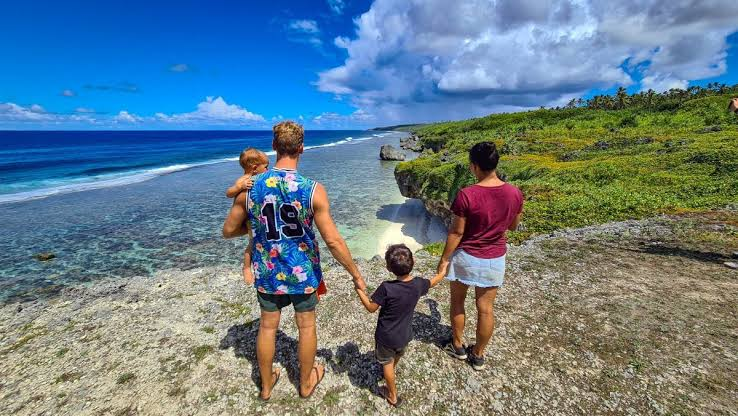
When words fail, visuals and gestures work:
- Pointing and Demonstrating: Use gestures to indicate items, directions, or actions.
- Draw or Sketch: Carry a small notebook to sketch your needs.
- Flashcards: Prepare simple flashcards with phrases, numbers, or symbols.
- Maps: Use paper or phone maps to show directions and locations.
Visual communication is not only practical but also engaging – it often brings smiles and goodwill from locals.
4. Hire Local Guides and Cultural Interpreters
Hiring a local guide is one of the best ways to facilitate creative communication. Benefits include:
- Bridging communication gaps in rural or remote areas.
- Explaining cultural contexts and customs.
- Assisting with negotiations in markets or transport.
- Providing historical and cultural insights.
Guides are particularly helpful in remote areas where English or French may not be widely spoken.
5. Master Non‑Verbal Communication
Non‑verbal communication works effectively in multilingual settings:
- Facial Expressions: Nods, eye contact, and smiles convey friendliness and understanding.
- Gestures: Use polite pointing, demonstrations, or imitations to clarify meaning.
- Tone and Volume: Adjust your tone to suit the situation; respectfulness is key.
Learning non‑verbal cues will improve creative communication during Africa trips and help you connect without words.
6. Embrace Storytelling and Context
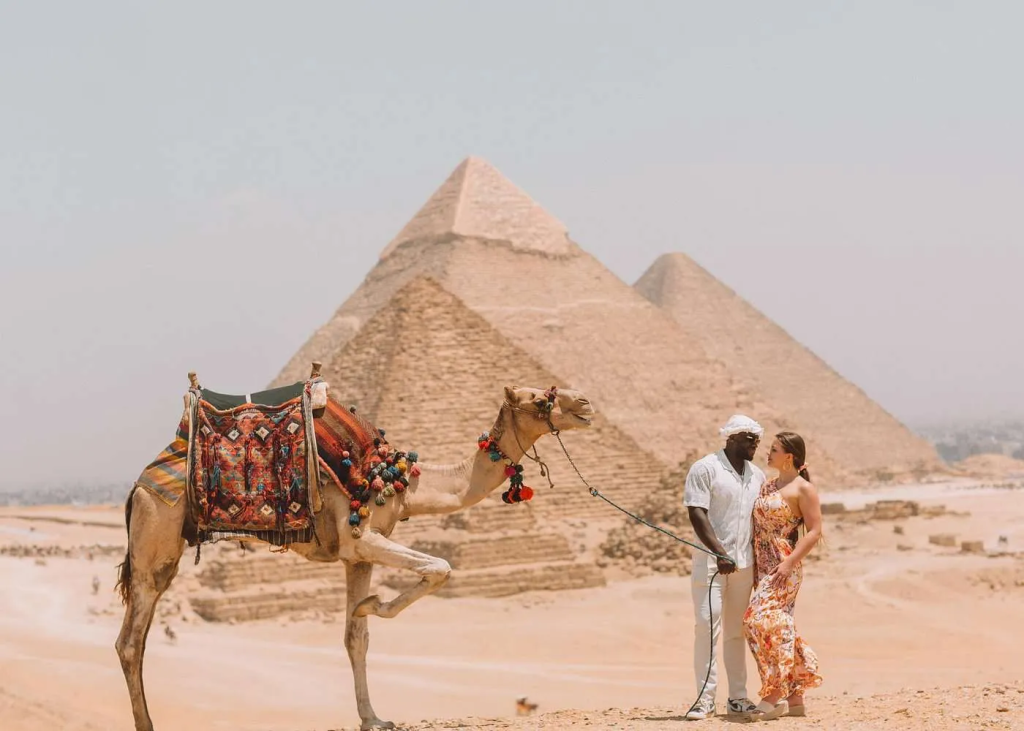
Storytelling is universal and can convey messages when language is absent:
- Use simple stories or anecdotes to explain your needs.
- Demonstrate your intentions through actions rather than words.
- Combine gestures, pictures, and short phrases to build a narrative.
This method is especially effective in markets, festivals, or cultural experiences.
7. Creative Communication in Markets and Shopping
African markets are vibrant, sensory environments where creative communication is essential:
- Point to pictures or phone screenshots to specify what you want.
- Use numbers or currency symbols when discussing prices.
- Observe local vendors’ gestures for sizes, colours, and quantities.
- Smile and be respectful – humour often helps in negotiations.
This approach facilitates easier transactions and often builds stronger relationships with local vendors.
8. Engage in Cultural Experiences
Participating in local activities is one of the best ways to communicate creatively:
- Dance and Music: Rhythm and movement often speak louder than words.
- Cooking: Preparing food with locals allows learning without verbal explanation.
- Craft Workshops: Show or imitate to understand instructions.
Hands‑on experiences promote learning and foster genuine connections.
9. Be Patient and Flexible

Language barriers can be frustrating, but patience is essential:
- Speak slowly and clearly.
- Repeat phrases if needed.
- Accept misunderstandings with grace.
- Smile and maintain a positive attitude.
Flexibility and patience are pillars of creative communication during Africa trips.
10. Understand Local Communication Norms
Knowing cultural norms enhances communication:
- Greetings: In most countries, proper greetings are essential before asking questions.
- Courtesy: Avoid talking over others or raising your voice.
- Gestures: Certain gestures have different meanings; observe locals.
- Respect Titles: Elders and people in authority often expect respectful titles.
Understanding these norms builds trust and makes interactions smoother.
11. Prepare Visual Communication Tools
Visual aids are invaluable, especially in rural or multilingual areas:
- Photo albums or brochures to show your interests.
- Maps with destinations or landmarks highlighted.
- Simple drawings to explain instructions or needs.
- Printed food menus or pictures of dishes to order.
Combining visual aids with gestures and short phrases works well even without a shared language.
12. Use Humour and Friendliness

Humour is a universal connector. When used respectfully:
- Light humour or smiling can ease tension.
- Jokes or light‑hearted comments often receive positive responses.
- Friendly interactions make locals more willing to assist.
Humour is a simple yet effective tool for creative communication during Africa trips.
Frequently Asked Questions
Q1: Can I travel in Africa using only English?
A1: English is widely spoken in many countries, but local languages may dominate in certain regions. Combining English with gestures, apps, or guides improves communication.
Q2: How can I communicate in remote areas without internet?
A2: Use offline translation apps, visuals, gestures, and local guides. Patience and friendliness go a long way.
Q3: Are gestures universally understood across Africa?
A3: While some gestures are common, others vary by region. Observe locals to avoid misunderstandings.
Q4: Should I learn a local language before travelling?
A4: Learning basic greetings, phrases, and numbers is strongly recommended. It shows respect and opens doors to deeper interactions.
Q5: What if locals do not speak a common language?
A5: Combine gestures, images, technology, storytelling, and patience. Local guides are especially helpful in such situations.
Conclusion
Learning how to communicate creatively during Africa trips is both a challenge and an opportunity. The continent’s linguistic diversity and cultural richness mean that traditional communication often requires enhancement through technology, creativity, and cultural awareness.
Travellers who embrace:
- Learning essential phrases.
- Using translation apps and offline tools.
- Applying gestures, images, and narratives.
- Hiring local guides and cultural interpreters.
- Practising patience, flexibility, and humour.
Will find that language barriers open doors to authentic experiences rather than obstacles.
Creative communication enhances safety, deepens cultural immersion, and makes everyday interactions unforgettable. With these strategies, every traveller can navigate Africa with confidence and respect – transforming their journey into a meaningful and lasting experience.