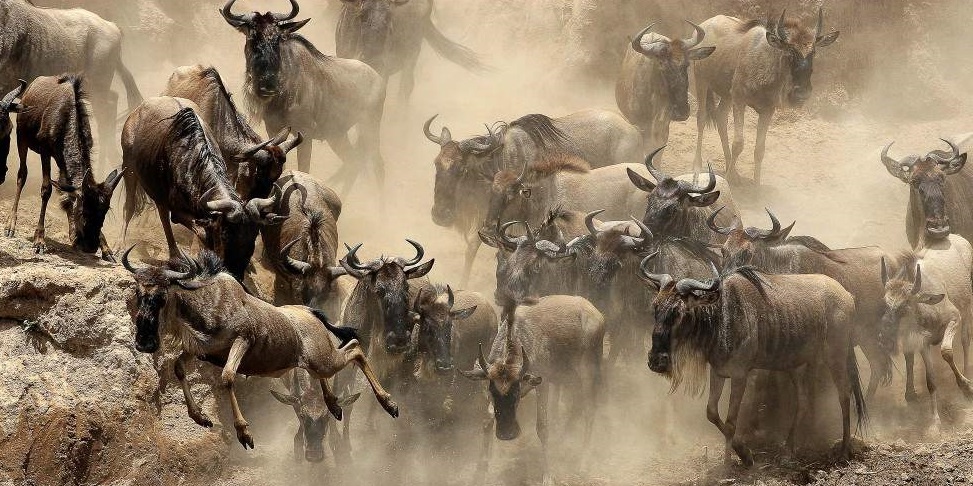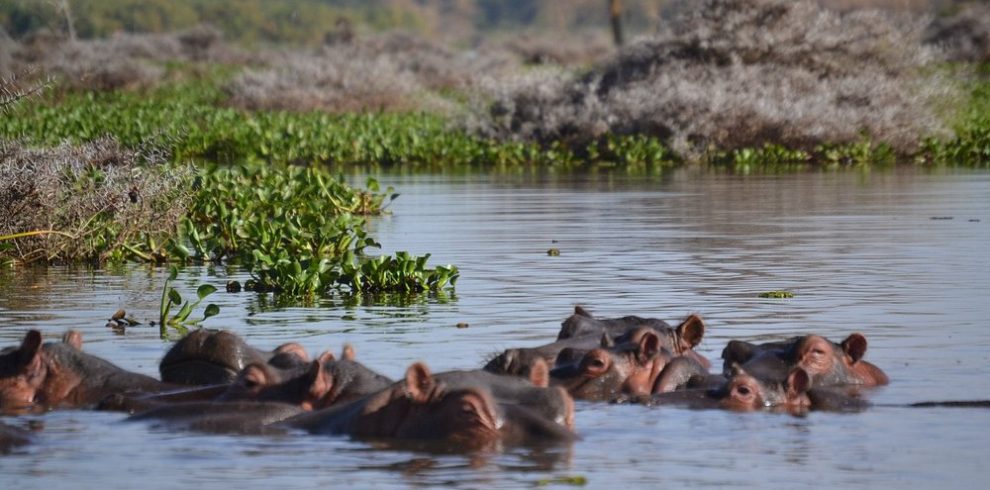

Being an LGBTQ+ individual when traveling is both thrilling and challenging, and visiting Africa requires additional planning and awareness. Africa is a very diverse continent with spectacular scenery, vibrant cultures, and lively cities. However, LGBTQ+ rights differ significantly across the continent, and it is crucial to understand the social, legal, and cultural environment before your voyage. This guide offers practical advice for LGBTQ+ travelers visiting Africa, helping you navigate the continent safely, experience it authentically, and have a satisfying travel experience.
Whether you want to explore the vibrant gay community in South Africa, witness the wildlife in Kenya, or enjoy the history in the medinas of Morocco, these tips will make your trip safe, respectful, and memorable. The information covers everything from legal matters to cultural sensitivity, so you can enjoy your journey without worry.
Understanding the Legal Landscape

Knowledge of the legal environment is one of the most important considerations for LGBTQ+ travelers visiting Africa. The situation across the continent is highly uneven: South Africa has progressive legislation that protects LGBTQ+ people, while many other nations criminalize same-sex relationships. Of Africa’s 54 countries, only about 20 do not currently criminalize same-sex relations.
- Know the laws: Research the legal status of same-sex relationships, public displays of affection, and gender identity in your destination countries. Organizations such as ILGA (International Lesbian, Gay, Bisexual, Trans, and Intersex Association) provide up‑to‑date country‑specific information.
- Check travel advisories: Government travel advisories often include safety guidance for LGBTQ+ travelers.
- Exercise caution in conservative areas: Not all rural or conservative areas are welcoming. Plan your stays in urban or tourist destinations where attitudes may be more tolerant.
Country snapshots:
- South Africa: Constitutionally protects the rights, dignity, and equality of LGBTQIA+ people. Cape Town is widely regarded as the country’s “gay capital”.
- Kenya: Same-sex intimacy remains criminalized under colonial‑era statutes, with penalties of up to 14 years in prison. However, Kenya has made some progressive strides, including becoming the first African country to grant universal rights and recognition to intersex people.
- Morocco: Same‑sex relations are criminalized under Article 489 of the penal code, with penalties ranging from six months to three years in prison.
- Sub‑Saharan Africa: Nearly 80% of destinations are rated as high concern for LGBTQ+ travelers.
Traveling with this awareness ensures you avoid legal issues and have a great experience.
Prioritize Discretion and Safety
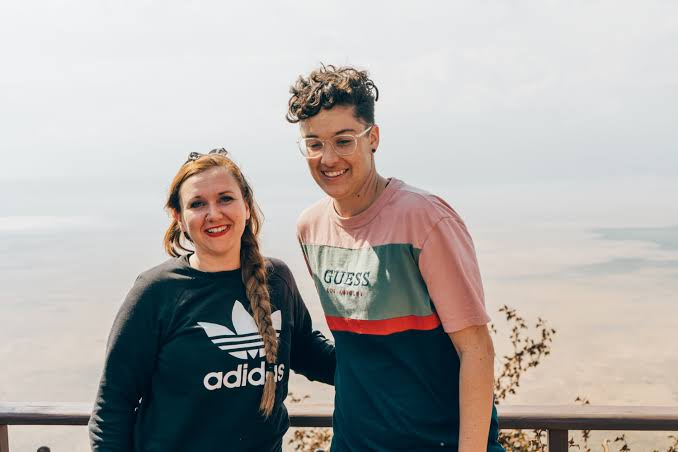
Safety is a major concern for LGBTQ+ travelers in Africa. Even in countries with progressive laws, social attitudes may remain conservative, and discretion is often important.
- Blend in: Dress modestly and keep a low profile. Avoid public displays of affection unless you are in places where the LGBTQ+ community feels safe.
- Choose accommodations wisely: Select hotels or guesthouses that are LGBTQ‑friendly. Online platforms often have reviews from LGBTQ+ travelers. In Cape Town, for example, Soul Fam Hostel is a queer‑owned, inclusive space designed specifically for LGBTQ+ travelers and allies.
- Know emergency contacts: Familiarize yourself with the locations of local embassies, LGBTQ organizations, and emergency services.
Exercising caution and awareness allows you to explore with confidence while minimizing risks.
Connect with Local LGBTQ+ Communities
Connecting with local LGBTQ+ communities can be one of the most rewarding aspects of traveling as an LGBTQ+ person in Africa. It provides social support and opens doors to authentic experiences.
- Use local platforms: Find and connect with locals and other LGBTQ+ travelers via apps such as Meetup or LGBTQ+ travel forums.
- Explore LGBTQ‑friendly neighborhoods: Cape Town, Johannesburg, and Nairobi have vibrant LGBTQ+ neighborhoods with bars, clubs, and events.
- Attend events cautiously: Pride events and community gatherings provide cultural awareness and networking opportunities, but only attend if you are confident they are safe.
Such encounters make your trip more meaningful and culturally enriching.
Practice Cultural Awareness and Respect
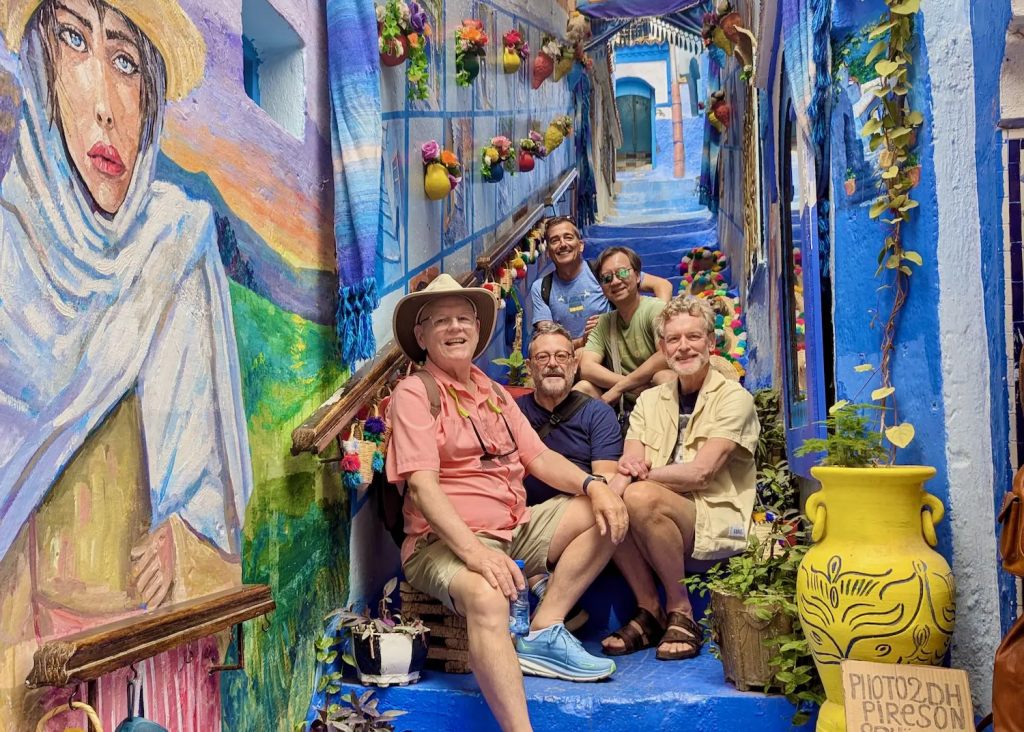
Understanding and respecting cultural norms is essential when traveling as an LGBTQ+ person in Africa. Many countries have conservative social attitudes, and respecting local traditions makes your journey safer and more positive.
- Study local etiquette: Learn how to greet people, dress appropriately, and follow social conventions.
- Avoid sensitive topics: Discussions about sexuality can be frowned upon in some regions. Approach conversations with care.
- Support local LGBTQ+ organizations: Donating to advocacy groups or community projects can be a meaningful way to give back.
Cultural awareness does not mean hiding your identity entirely, but rather considering your safety and interacting respectfully and authentically.
Plan Accommodation and Transportation Thoughtfully
Where you stay and how you travel can significantly affect your experience as an LGBTQ+ traveler in Africa.
- Choose LGBTQ‑friendly accommodation: Look for hotels, hostels, or guesthouses with clear LGBTQ+ policies. Reviews from other LGBTQ+ travelers are invaluable.
- Prioritize transport safety: Use ride‑hailing apps, reputable taxi services, or hotel‑provided transport. Avoid hitchhiking or traveling alone in isolated areas at night.
- Consider private tours: Guided tours with well‑known companies are not only safer but also more enriching, especially for solo travelers.
Careful planning of accommodation and transport makes your journey smoother and safer.
Prioritize Health and Wellbeing
Health considerations are critical for LGBTQ+ travelers in Africa. From vaccinations to sexual health, being prepared ensures a worry‑free trip.
- Get vaccinations: Depending on your destination, you may need vaccines for yellow fever, hepatitis, or typhoid.
- Secure travel insurance: Ensure your plan covers medical emergencies, including HIV‑related care if needed.
- Practice safe sex: Use protection and carry necessary medications. Familiarize yourself with local healthcare options.
Staying healthy lets you enjoy Africa without preventable concerns.
Budget Wisely
Smart budgeting allows for a safe and enjoyable trip. Costs vary significantly between countries and cities, so planning ahead is important.
- Research expenses: Accommodation, food, and activities can vary dramatically. Cities tend to be more expensive.
- Mix accommodation types: Combine hostels, mid‑range hotels, and Airbnb options.
- Eat locally: Local restaurants are usually less expensive and offer traditional cuisine.
An effective budget reduces stress and allows you to visit more places.
Leverage Technology
Technology can enhance both safety and connectivity for LGBTQ+ travelers in Africa.
- Use safety apps: Travel safety apps and location‑sharing features with trusted contacts provide peace of mind.
- Access LGBTQ+ travel guides: Apps and websites feature LGBTQ‑friendly hotels, events, and establishments.
- Use language apps: Translation apps help overcome language barriers and improve communication.
Smart use of technology makes you more independent and confident as a traveler.
Stay Open‑Minded and Flexible

Travel often involves unexpected developments, especially in Africa. Flexibility and an open mind can turn challenges into adventures.
- Adapt to local conditions: Accommodation, weather, and transport delays are common.
- Embrace spontaneity: Unplanned detours or events often become the most memorable experiences.
- Maintain a positive mindset: A positive attitude helps you enjoy the journey even when plans change.
Flexibility allows you to experience Africa fully while staying safe and confident.
Summary of Tips for LGBTQ+ Travelers Visiting Africa
In summary, these tips will help make your trip to Africa safe, enjoyable, and meaningful:
- Research LGBTQ+ laws and rights in your destination countries.
- Be discreet and cautious in public spaces.
- Connect with local LGBTQ+ communities.
- Practice cultural sensitivity and respect local customs.
- Plan inclusive and safe accommodation and transport.
- Prioritize your health and wellbeing.
- Budget wisely for freedom and flexibility.
- Use technology for connectivity and safety.
- Stay open‑minded and adaptable to unexpected situations.
With these considerations, you will have the best opportunity to explore Africa’s rich cultures, stunning landscapes, and vibrant communities safely.
Conclusion
Being an LGBTQ+ traveler in Africa can be a transformative and empowering experience. Through careful planning, research, and an open mind, you can experience everything this continent has to offer. These tips focus on the importance of preparation, safety, community engagement, and cultural respect.
Africa is a land of contrasts – modern cities, untouched wilderness, historical landmarks, and cultural diversity. With these tips in mind, LGBTQ+ travelers can navigate legal limitations, social customs, and health considerations to have genuine adventures. Whether you are observing wildlife in Kenya, exploring the LGBTQ‑welcoming districts of South Africa, or discovering the rich heritage of Morocco, proper preparation will create lasting memories.
Remember that exploration goes hand in hand with safety and respect. These guidelines will help you stay safe, connect with local communities, and remain vigilant, ensuring your trip to Africa is safe, enriching, and memorable. Africa is waiting – with the right planning and mindset, it will offer an experience unlike any other in the world.