

Africa is a diverse continent with a wide range of social, economic, and educational conditions. The concept of African Numbers and Stumblers is often used to describe statistical realities such as population growth, literacy levels, employment trends, and the groups that struggle to progress within these systems.
Understanding these dynamics helps policymakers, educators, and development organizations identify challenges and design better solutions for sustainable growth.
What Are African Numbers and Stumblers?
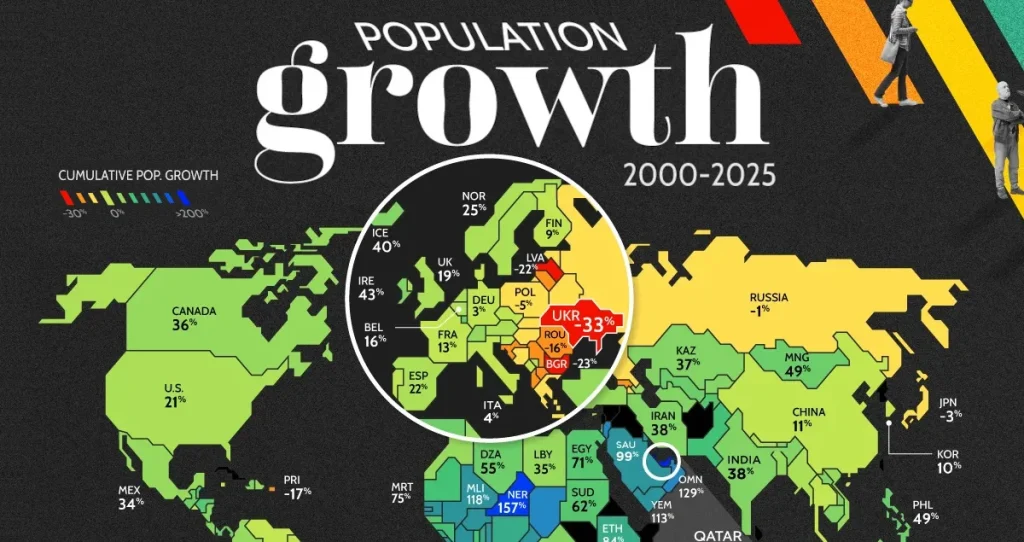
The term refers to two connected ideas. “Numbers” represent measurable data such as population size, literacy rates, and employment statistics. “Stumblers” refers to individuals or groups who face barriers in education, employment, or social mobility.
These challenges are often linked to structural issues such as inequality, limited access to education, and rapid population growth.
Importance of Understanding African Numbers and Stumblers

Understanding these patterns is essential for:
• Policy development and poverty reduction strategies
• Education planning and resource allocation
• Economic growth and workforce development
• Social inclusion and awareness programs
Data-driven insights allow interventions to be targeted where they are most needed.
Key African Statistics That Shape the Discussion

Population growth remains one of the most significant factors shaping development. In addition:
Literacy levels vary widely across regions, affecting employability and learning outcomes.
Youth unemployment remains high in many countries, limiting economic participation.
Access to quality education is uneven, especially in rural and remote areas.
Health challenges also affect productivity and school attendance.
Causes of Development Barriers
Economic inequality remains one of the strongest drivers of limited opportunity. Poverty restricts access to education, nutrition, and digital tools.
Other factors include:
• Weak education infrastructure
• Gender inequality and cultural barriers
• Rural-urban disparities
• Political instability in certain regions
These conditions contribute to long-term developmental challenges.
Social and Secondary Influencing Factors

Digital access plays an increasingly important role in modern development. Limited internet connectivity restricts learning and employment opportunities.
Skills gaps between education systems and labor market demands also contribute to reduced employability among youth.
Migration patterns further influence access to education and employment resources.
Solutions and Development Interventions
Education programs focused on literacy and digital skills remain central to reducing development gaps.
Other interventions include:
• Vocational training and job creation programs
• Gender inclusion initiatives
• Healthcare and nutrition support systems
• Government policy reforms based on data tracking
These combined efforts aim to improve long-term outcomes.
Misconceptions About African Development Challenges
Many assumptions oversimplify the issue. Not all challenges are caused by lack of effort. Structural and systemic factors play a major role.
Urban areas also face serious inequality challenges, not just rural regions. Additionally, education alone is not sufficient without economic and health support systems.
Modern Trends and Progress

Recent advancements show improvement through technology, mobile education, and international development support.
Governments and organizations now rely more on real-time data to monitor progress and adjust strategies effectively.
Conclusion
African Numbers and Stumblers represent more than statistics; they reflect real social and economic conditions affecting millions of people.
By addressing inequality, improving education systems, and expanding economic opportunities, African nations can reduce barriers to development and unlock greater potential across communities.