

Coffee originated in Africa, and the continent still produces some of the best coffee in the world. Across Africa, coffee is not just a drink but a cultural experience. Visiting cafés across the continent offers travelers a taste of local culture, interaction with communities, and exposure to modern café spaces that blend tradition with technology.
From busy urban centers to ancient cities, Africa has an eclectic café culture that caters to all types of coffee lovers. Whether you are an adventure traveler looking for local experiences, a digital nomad searching for a workspace, or a foodie exploring specialty brews, Africa’s café scene offers a rich and flavorful experience across the continent.
This guide explores major coffee destinations, café trends, cultural insights, and useful tips for navigating Africa’s growing coffee culture.
Why Cafés in Africa Are Unique
There are several reasons why café culture in Africa stands out:
1. Historical Background
Coffee originated in Ethiopia, and the cultural importance of coffee spread across many African countries.
2. Coffee Ceremonies
From traditional Ethiopian coffee ceremonies to modern espresso bars, Africa offers a wide variety of coffee experiences.
3. Local Ingredients
Many cafés incorporate local flavors such as spices, honey, and plant-based milk alternatives.
4. Community Spaces
Cafés often serve as social hubs where friends, students, and professionals gather, making them important cultural spaces.
Understanding these aspects makes visiting African cafés more than just a coffee stop—it becomes a cultural experience.
Black Coffee Culture in Africa
In Africa, coffee is not just a beverage but a cultural symbol. Coffee traditions vary across different regions of the continent.
1. Ethiopia: The Birthplace of Coffee
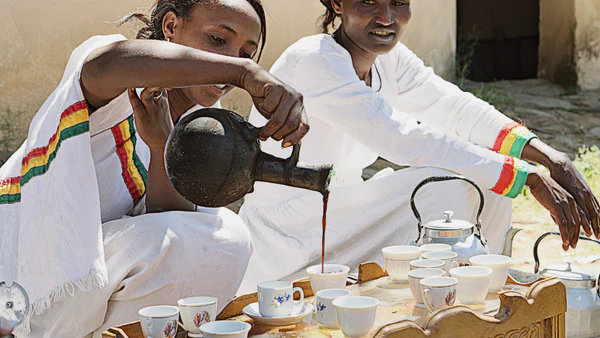
Ethiopia has a rich coffee history, and the Ethiopian coffee ceremony is a must-experience cultural tradition.
- Traditional Ceremony: Roasting, grinding, and brewing green coffee beans using a clay pot called a jebena.
- Community Ritual: Coffee is served with snacks such as popcorn or bread, making it a social event.
- Regional Varieties: Yirgacheffe, Sidamo, and Harrar coffees are known for their floral and fruity flavors.
Visitors to Addis Ababa and smaller towns can experience how deeply coffee is embedded in Ethiopian culture by visiting local cafés and coffee houses.
2. Kenya: Bold Coffee Culture

Key highlights include:
- Specialty Coffee Shops: Nairobi has a growing specialty coffee scene.
- Coffee Farm Tours: Visitors can tour coffee farms and learn about coffee growing and processing.
- Urban Cafés: Many cafés blend local culture with modern coffee brewing techniques.
Kenya’s coffee industry combines traditional farming with modern café culture, making it a great destination for coffee lovers.
3. Urban Café Culture in South Africa

Cities like Cape Town and Johannesburg have vibrant café cultures.
- Diverse Menus: Specialty coffee, handcrafted teas, and brunch menus.
- Local Roasters: Independent roasters focus on sustainable African coffee.
- Creative Spaces: Many cafés include art galleries, live music, and co-working spaces.
Cape Town is especially famous for cafés with ocean views, urban patios, and coffee tasting experiences featuring African beans.
4. North Africa: Café Heritage and Modern Twists

In countries like Morocco, Egypt, and Tunisia, cafés combine traditional and modern coffee culture.
- Traditional Brews: Mint tea and Turkish-style coffee are popular alongside espresso drinks.
- Street Cafés: Strong coffee is often served with pastries or dates.
- Social Culture: Cafés are important spaces for socializing and relaxing.
North African cafés offer a unique blend of historical coffee culture and modern city life.
African Coffee Shops Travel Guide
Whether in a small town or a capital city, finding the right café is key to experiencing Africa’s café scene. Some popular café destinations include:
- Addis Ababa, Ethiopia – Traditional coffee houses and street cafés
- Nairobi, Kenya – Modern specialty cafés and stylish coffee shops
- Cape Town, South Africa – Artisan coffee roasters and café culture
- Marrakech, Morocco – Medina cafés blending traditional and modern coffee culture
Visiting these cafés offers a combination of history, culture, and modern innovation.
Café Trends in Africa: Creativity and New Experiences
Africa’s coffee scene is evolving while still honoring its cultural origins.
Major café trends include:
- Specialty Coffee: Pour-over, cold brew, and custom espresso drinks are growing in popularity.
- Local Ingredients: Cafés use local spices, honey, and plant-based milk.
- Sustainable Practices: Ethical sourcing, waste reduction, and local partnerships are becoming common.
- Cultural Fusion: Many cafés combine coffee with brunch, artisan pastries, art, and live music.
These trends are making African cafés popular with both locals and international visitors.
Travel Tips for Exploring Café Life in Africa
To get the best experience from Africa’s café culture:
- Research cafés in advance and read local recommendations.
- Try local coffee styles instead of only international drinks.
- Ask about single-origin African beans.
- Observe café etiquette—some cafés are quiet workspaces while others are social spaces.
- Budget accordingly—specialty cafés are more expensive, while street cafés are more affordable.
These tips will help ensure a great café experience across Africa.
African Urban Cafés: Cultural and Social Spaces
Urban cafés in Africa are more than coffee shops—they are cultural and creative hubs.
- Co-working Spaces: Many cafés in cities like Nairobi, Cape Town, and Lagos serve as workspaces for digital nomads.
- Art and Music: Some cafés host art exhibitions, live music, and cultural performances.
- Meeting Points: Cafés are commonly used for business meetings, casual meetings, and social gatherings.
For travelers, urban cafés provide a relaxing environment and a glimpse into modern African city life.
Street Coffee in Africa: Fast and Authentic
For a more local experience, street coffee vendors can be found across the continent.
- Ethiopian outdoor coffee ceremonies
- Kenyan street vendors selling brewed coffee and snacks
- South African market cafés serving coffee with local pastries
Street coffee allows travelers to experience African coffee culture affordably while interacting with locals.
Budget-Friendly Café Tips
For budget travelers, enjoying coffee in Africa does not have to be expensive:
- Choose local cafés instead of tourist cafés.
- Share pastries or snacks.
- Order brewed coffee instead of specialty drinks.
- Visit markets with local coffee stalls.
These tips make Africa’s café scene accessible to all travelers.
Conclusion
Exploring Africa’s café scene is one of the best ways to experience the continent. From traditional coffee ceremonies in Ethiopia to specialty coffee shops in Kenya, urban cafés in South Africa, and historic coffee houses in North Africa, each region offers unique flavors and experiences.
By understanding local customs, visiting specialty and street cafés, and embracing modern café trends, travelers can enjoy not only great coffee but also meaningful cultural experiences. Whether you are a coffee enthusiast, digital nomad, or adventure traveler, Africa’s café culture offers unforgettable experiences filled with taste, culture, and connection.
Across Africa’s busy cities and quiet towns, café culture invites travelers to explore, relax, and connect. Every cup tells a story, and every café is a new adventure, making Africa a true paradise for coffee lovers.