When organizing a trip in Africa, tourists usually focus on destinations, wildlife, food, and culture. However, one critical detail that directly affects comfort and satisfaction is often overlooked: hotel bathrooms. Standards across the continent vary widely—from luxury city hotels to remote safari lodges—so knowing what to expect helps you make better booking decisions, pack appropriately, and avoid unpleasant surprises.
Africa’s diversity means bathroom facilities are influenced by infrastructure, climate, and accommodation type. Whether you’re staying in modern hotels in major cities or eco-lodges deep in national parks, understanding these differences ensures a smoother travel experience.
Regional Differences in Hotel Bathrooms
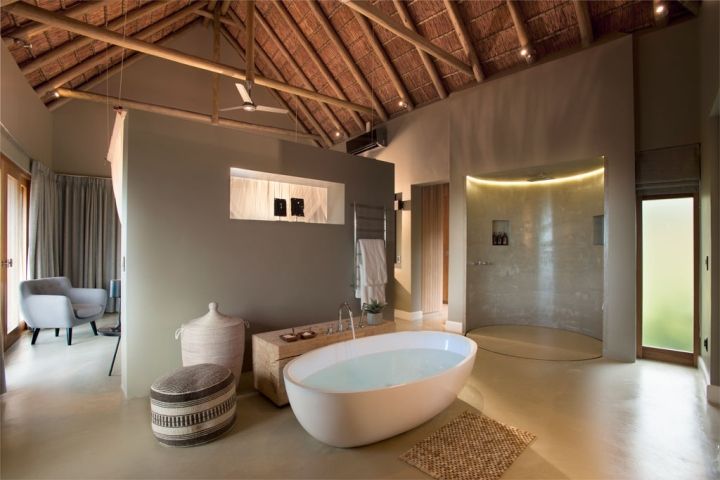
Bathroom standards differ significantly depending on the region.
North Africa (Morocco, Egypt, Tunisia) often offers facilities comparable to Southern Europe, especially in tourist-focused hotels. Southern Africa, including South Africa, Namibia, and Botswana, is known for high-quality, modern bathrooms. East Africa (Kenya, Tanzania, Rwanda) provides a mix of luxury lodges and simpler accommodations, while West and Central Africa vary widely depending on the city and hotel category.
Urban hotels generally provide better plumbing, water pressure, and sanitation than rural or remote locations.
Luxury vs Budget Bathroom Standards
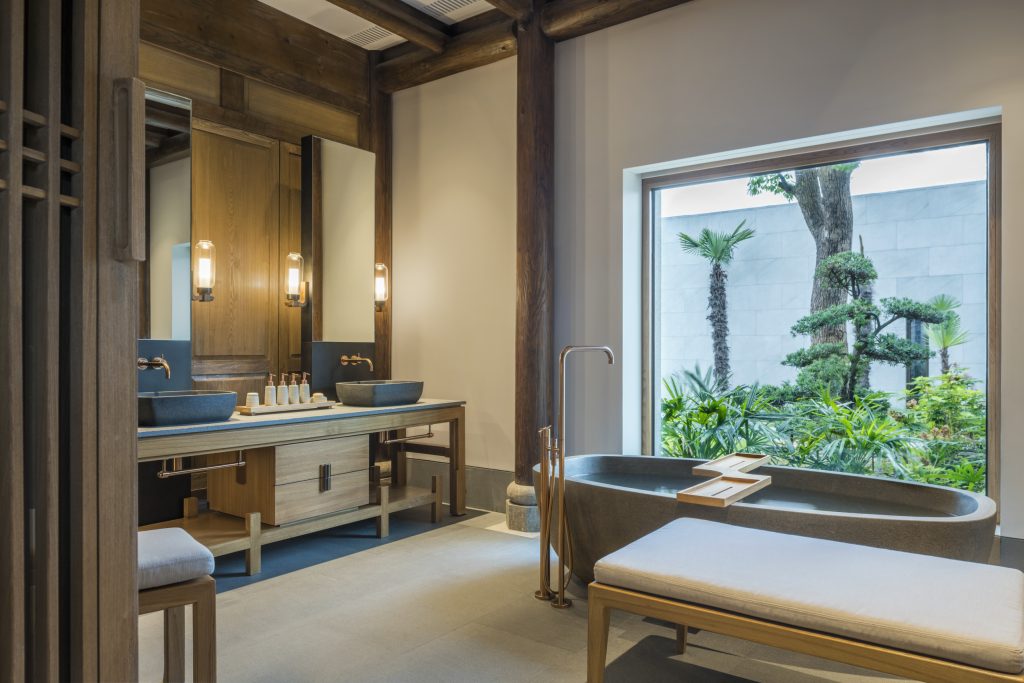
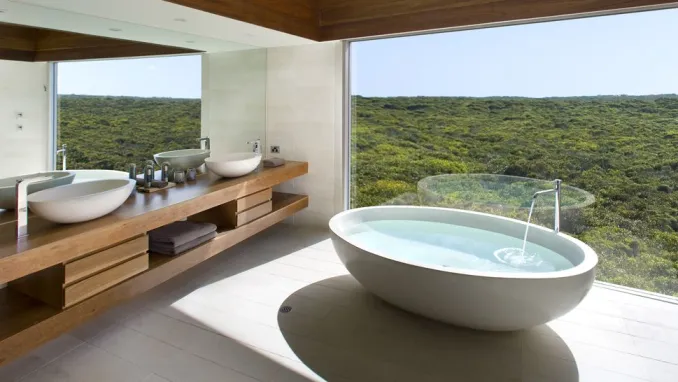
Luxury hotels and resorts typically feature spacious, well-designed bathrooms with hot showers, bathtubs, rainfall showerheads, high-end toiletries, and strong water pressure.
Mid-range hotels usually provide private bathrooms with essential amenities such as a toilet, sink, and shower. These are functional and clean but may lack premium features.
Budget hotels and guesthouses may offer shared or very basic facilities. Hot water can be limited or available only at certain times, and plumbing may be outdated in remote areas.
Hot Water and Shower Systems
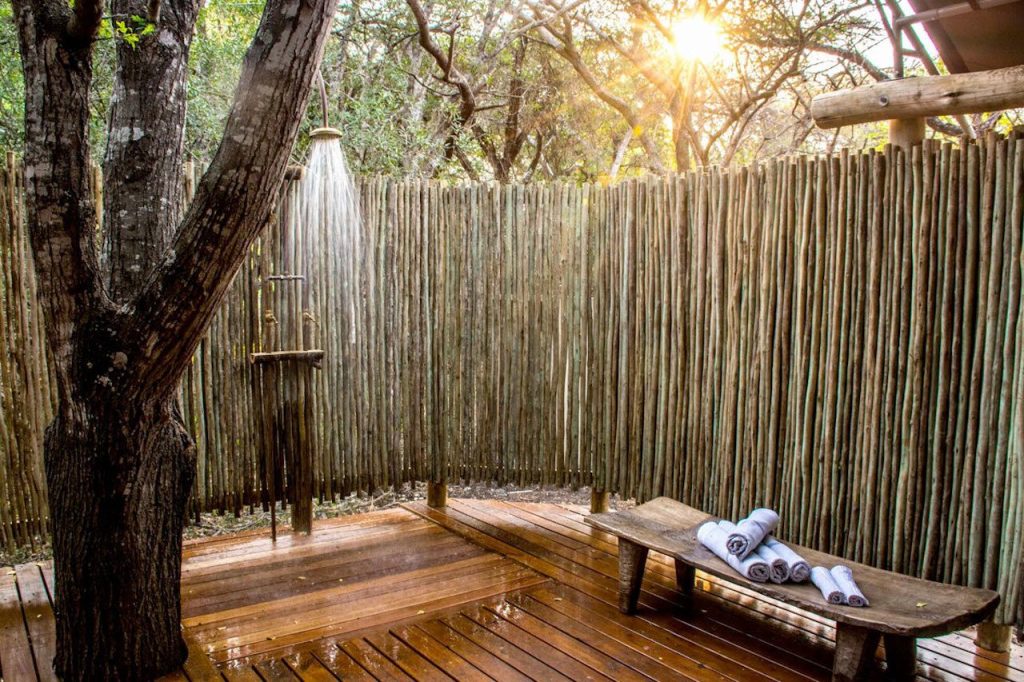
Hot water availability is one of the biggest differences travelers notice. Most modern hotels provide 24-hour hot water. However, eco-lodges and safari camps often rely on solar-powered systems, which can fluctuate depending on weather conditions.
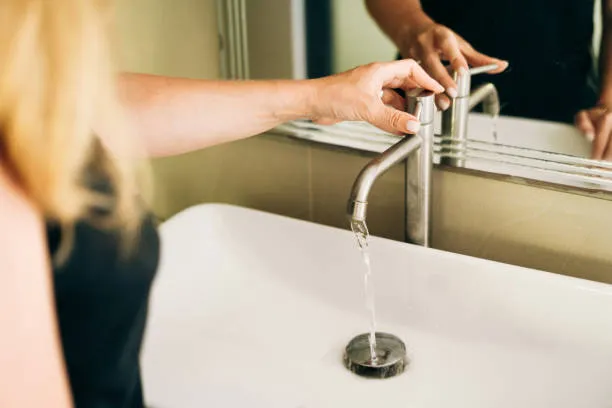
Some accommodations use electric geysers that need to be switched on before use. In remote areas, water pressure may be low, reflecting water conservation practices.
Toilets and Plumbing Systems
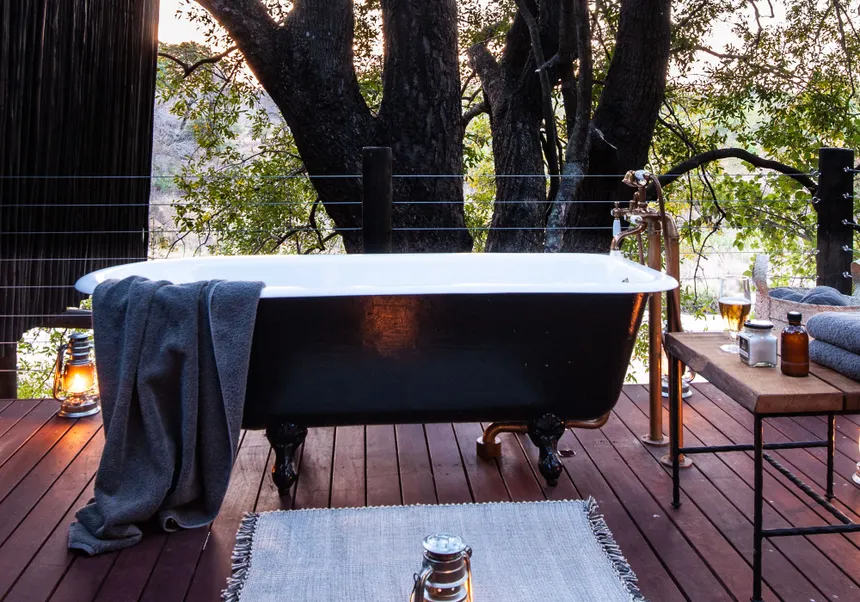
Toilet systems vary across Africa. In cities and high-end hotels, flush toilets operate just like those in Europe or North America.
In older buildings or rural areas, plumbing can be delicate. Guests may be asked not to flush toilet paper but instead use a bin. Eco-lodges sometimes use composting or low-water toilets, which are environmentally friendly and hygienic.
Cleanliness and Hygiene
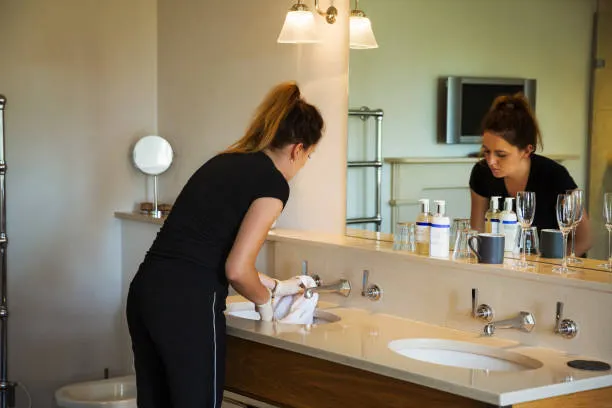
Most reputable hotels maintain high hygiene standards with daily cleaning, fresh towels, and restocked toiletries. However, cleanliness can vary depending on management and location.
Reading recent guest reviews and checking real traveler photos is one of the best ways to assess bathroom conditions before booking. Even in remote lodges, staff often maintain impressive cleanliness despite limited resources.
Water Quality and Safety
Tap water in many African countries is not safe to drink, even in some high-end hotels. However, it is generally safe for showering and washing hands.
Hotels usually provide bottled water, and some may advise guests to use it for brushing teeth. Luxury accommodations may offer filtered water systems, but it’s always best to confirm with staff.
Amenities and Toiletries
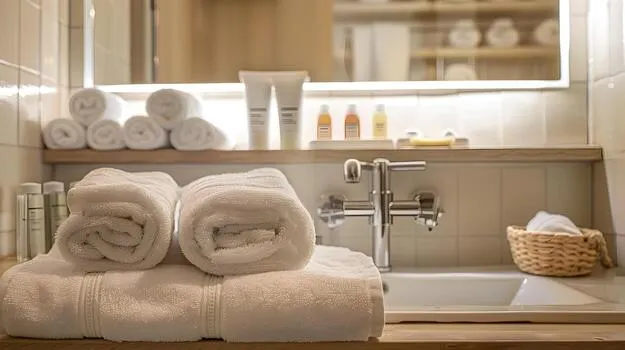
Amenities vary widely. Luxury hotels often provide full toiletry kits, bathrobes, hairdryers, and premium finishes.
Mid-range hotels typically offer basic items like soap and shampoo. Budget accommodations may provide minimal or no toiletries, so travelers should carry their own essentials.
Bathroom Design and Style
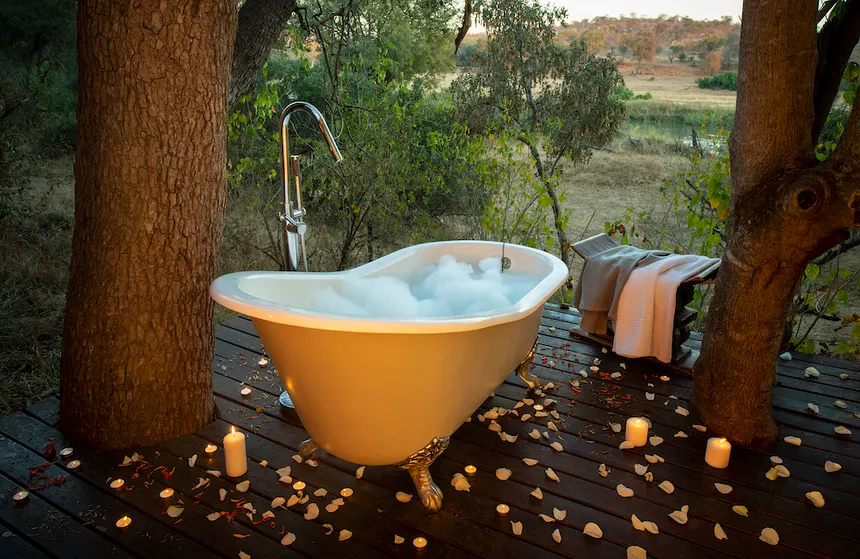
Hotel bathrooms in Africa often reflect local culture and environment. Moroccan hotels may feature traditional tiled designs, while safari lodges often include open-air showers with views of nature.
These designs enhance the travel experience but may require some adjustment for first-time visitors.
Accessibility and Family Features
Accessibility is improving, especially in modern hotels and international chains. Some offer walk-in showers, grab bars, and spacious layouts.
Family-friendly accommodations may include bathtubs, baby-changing areas, and larger bathroom spaces. Travelers with specific needs should confirm these features before booking.
Power Supply and Lighting
Power reliability can affect bathroom comfort. Some regions experience outages, which may impact lighting and hot water. Many hotels use generators or solar backup systems to maintain service.
Lighting quality varies, with luxury hotels offering well-lit bathrooms and budget options sometimes having limited lighting. Carrying a small flashlight can be useful in remote areas.
How to Choose the Right Hotel
To ensure comfort, travelers should read recent reviews, check guest photos, confirm amenities like hot water and private bathrooms, and consider location. Using booking filters can help narrow down options based on specific preferences.
Conclusion
Hotel bathrooms in Africa range from luxurious spa-like spaces to simple and eco-friendly setups. While standards vary by region and accommodation type, proper research and realistic expectations ensure a comfortable stay.
Understanding water systems, plumbing, and cultural differences allows travelers to make informed decisions and avoid inconvenience. With the right preparation, hotel bathrooms become a seamless part of an enjoyable and memorable African travel experience.