Traveling across Africa offers unforgettable experiences—from wildlife safaris in Kenya and Tanzania to the deserts of Namibia and the vibrant cities of South Africa. While the continent is rich in adventure and culture, managing your finances safely is just as important as planning your itinerary.
Bank cards are widely used in many urban areas, but risks such as fraud, theft, and limited access in remote regions make it essential to stay prepared. This guide provides practical, reliable tips to help you protect your debit and credit cards while traveling.
Overview / Why It Matters
Bank card safety is critical for a smooth travel experience. Losing access to your funds—whether through theft, fraud, or technical issues—can disrupt your trip significantly.
Key risks travelers may encounter include:
- Card skimming and fraud: Devices attached to ATMs can capture card data
- Pickpocketing and theft: Common in crowded markets and tourist areas
- Digital security threats: Public Wi-Fi networks can expose sensitive information
- Limited banking access: Rural areas may lack reliable ATM or card services
Understanding these risks allows you to take proactive steps and travel with confidence.
Preparing Before You Travel
Notify Your Bank
Inform your bank about your travel destinations to prevent your card from being flagged or blocked during transactions.
Carry Multiple Cards
Bring at least two cards (e.g., Visa and Mastercard). Keep them in separate locations so you have a backup if one is lost or compromised.
Understand Fees and Limits
Check daily withdrawal limits, foreign transaction fees, and ATM charges before departure.
Save Emergency Contacts
Store your bank’s international helpline numbers separately from your wallet for quick access if needed.
Safe Use of ATMs
Choose Secure Locations
Use ATMs located inside banks, malls, or airports. Avoid machines in isolated or poorly lit areas.
Inspect the Machine
Look for unusual attachments, loose card slots, or anything that seems tampered with. If in doubt, do not proceed.
Protect Your PIN
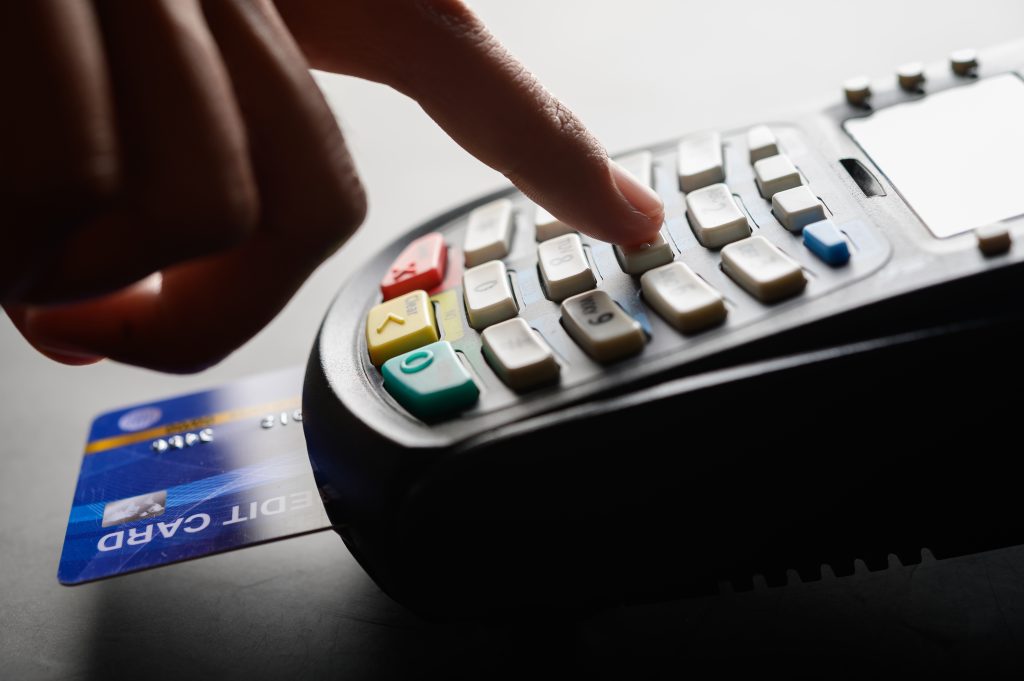
Always cover the keypad when entering your PIN and never share it with anyone.
Withdraw Small Amounts
Limit withdrawals to what you need for a few days to reduce potential losses.
Avoid Credit Card Cash Advances
These often come with high fees and immediate interest charges. Use debit cards instead when possible.
Using Cards for Payments
Stick to Trusted Establishments
Use your card at reputable hotels, supermarkets, and established restaurants. Avoid using cards at informal vendors or street markets.
Monitor Transactions
Keep receipts and regularly compare them with your bank statements to detect any discrepancies.
Avoid Dynamic Currency Conversion
Always choose to pay in the local currency to avoid hidden fees and poor exchange rates.
Enable Transaction Alerts
Activate SMS or app notifications to track spending in real time.
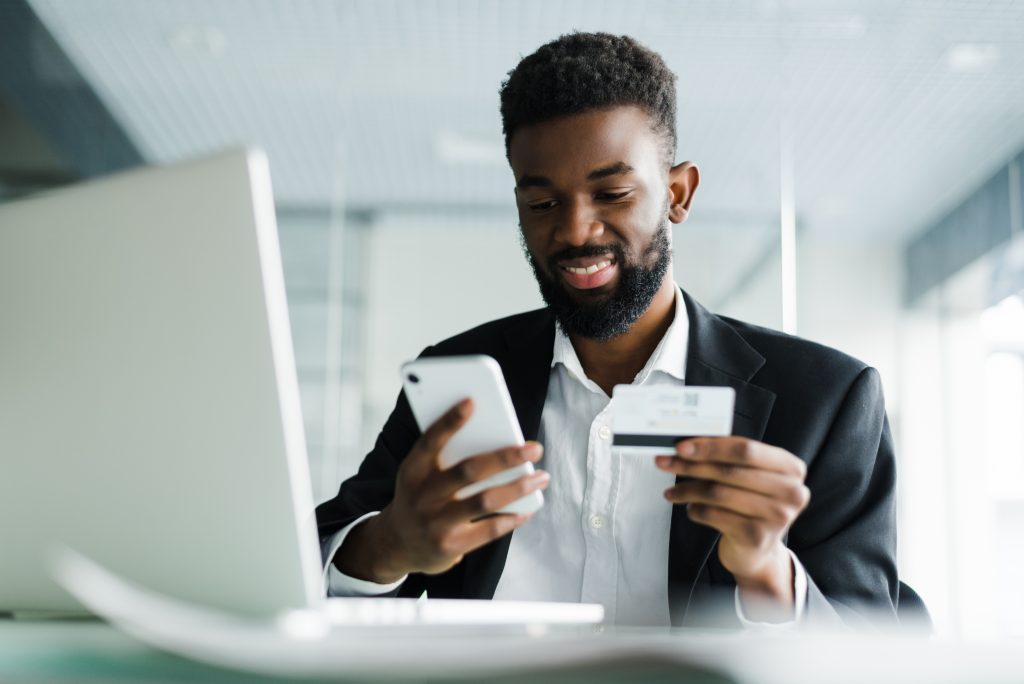
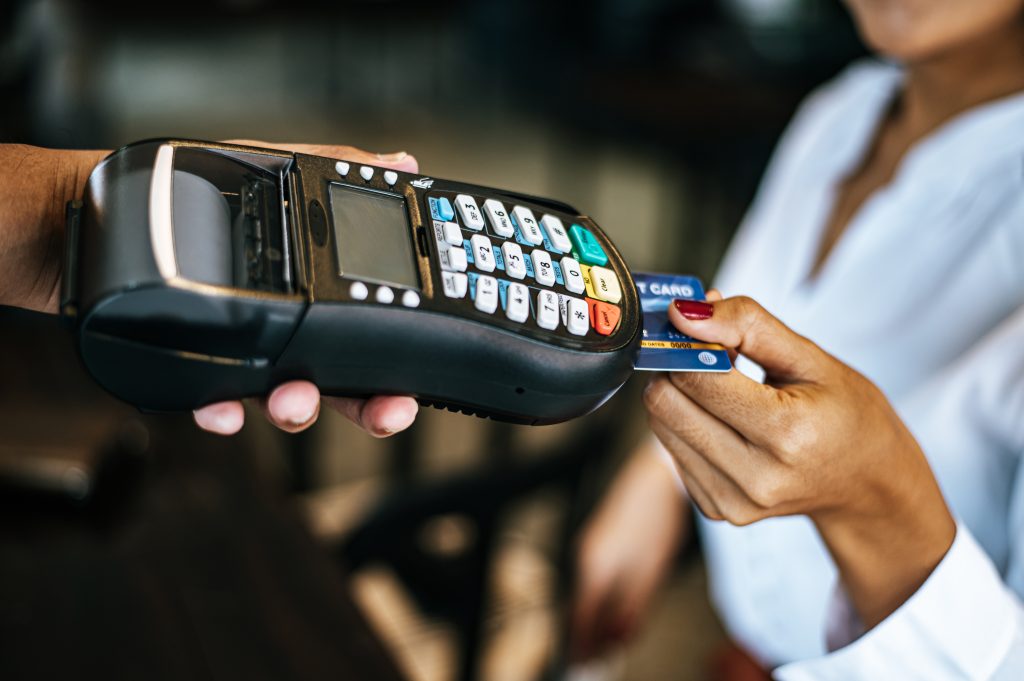
Image: Traveler paying securely at a hotel reception desk
Digital Security Measures
Avoid Public Wi-Fi for Banking
Do not access online banking or enter card details on unsecured networks. Use mobile data or a personal hotspot instead.
Use Secure Payment Apps
Digital wallets and banking apps with two-factor authentication add an extra layer of protection.
Update Passwords Regularly
Change your banking passwords before and during your trip, and avoid using the same password across multiple accounts.
Check Your Accounts Daily
Frequent monitoring helps you quickly identify and report suspicious activity.
Protecting Cards from Theft or Loss
Use a Money Belt or Travel Wallet
Keep essential items such as cards, passport, and cash close to your body.
Separate Your Finances
Store backup cards in your hotel safe and carry only what you need during the day.
Avoid Displaying Valuables
Be discreet when making payments or withdrawing cash.
Keep Copies of Your Cards
Store photos or photocopies of your cards and important details in a secure location.
Country-Specific Considerations
South Africa
ATMs are widely available in cities, but avoid roadside machines and nighttime withdrawals.
Kenya and Tanzania
Urban areas accept international cards, but rural regions often rely on mobile money like M-Pesa.
Morocco
Busy markets and medinas can attract pickpockets. Stay alert when using ATMs.
Egypt
Use ATMs in banks or reputable hotels and avoid accepting help from strangers.
Namibia and Botswana
Urban banking is reliable, but remote safari areas may require cash.
What to Do If Your Card Is Lost or Stolen
- Contact your bank immediately to block the card
- Report the incident to local authorities if necessary
- Use your backup card for continued access to funds
- Monitor your account for unauthorized transactions
- Request an emergency replacement card if available
Acting quickly can significantly reduce financial loss.
Smart Ways to Save and Stay Secure
- Use travel-friendly cards with low or no foreign transaction fees
- Withdraw larger amounts less frequently to reduce ATM charges
- Combine cash, cards, and digital payments for flexibility
- Always choose local currency during transactions
Mobile Payment Solutions as a Backup
Mobile money services are widely used across Africa and offer a secure alternative to carrying cash or cards:
- M-Pesa (East Africa)
- Orange Money (West and North Africa)
- EcoCash (Southern Africa)
These platforms reduce reliance on physical cards, especially in rural areas.
Travel Tips for Families and Groups
- Distribute cards among group members to reduce risk
- Maintain a shared emergency fund
- Set clear spending guidelines
- Keep a list of emergency contacts accessible to everyone
Group planning adds an extra layer of financial security.
Conclusion
Bank card safety is a crucial part of planning any trip across Africa. While many destinations offer reliable banking services, being prepared for potential risks ensures a smoother and more enjoyable experience.
By notifying your bank, using secure ATMs, protecting your personal data, and staying alert, you can minimize risks and focus on exploring the diverse landscapes and cultures Africa has to offer.
A well-prepared traveler is a confident traveler—take the right precautions, and your journey will be defined by discovery, not disruption.