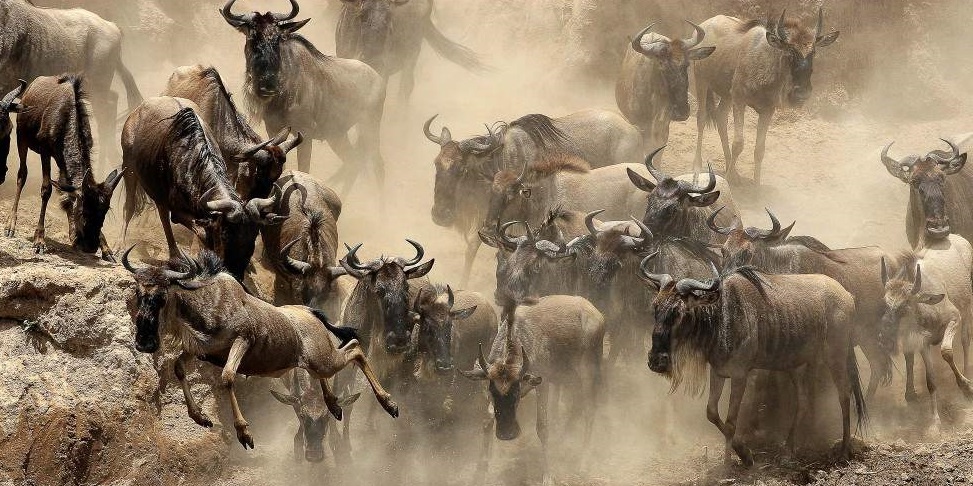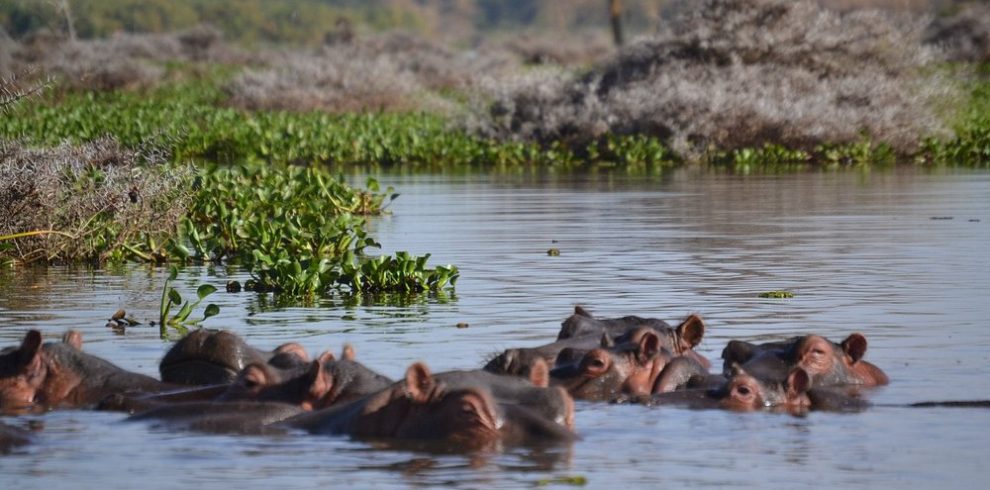

Driving across Africa offers a unique sense of freedom and discovery. From coastal highways to vast savannah landscapes, every journey brings a new perspective. Whether you are navigating the scenic routes of South Africa or exploring rural roads in Kenya, driving can transform your travel experience.
However, road conditions, driving habits, and regulations vary widely across the continent. Understanding these differences is essential for staying safe, avoiding fines, and making the most of your journey.
Why Driving in Africa Is Different
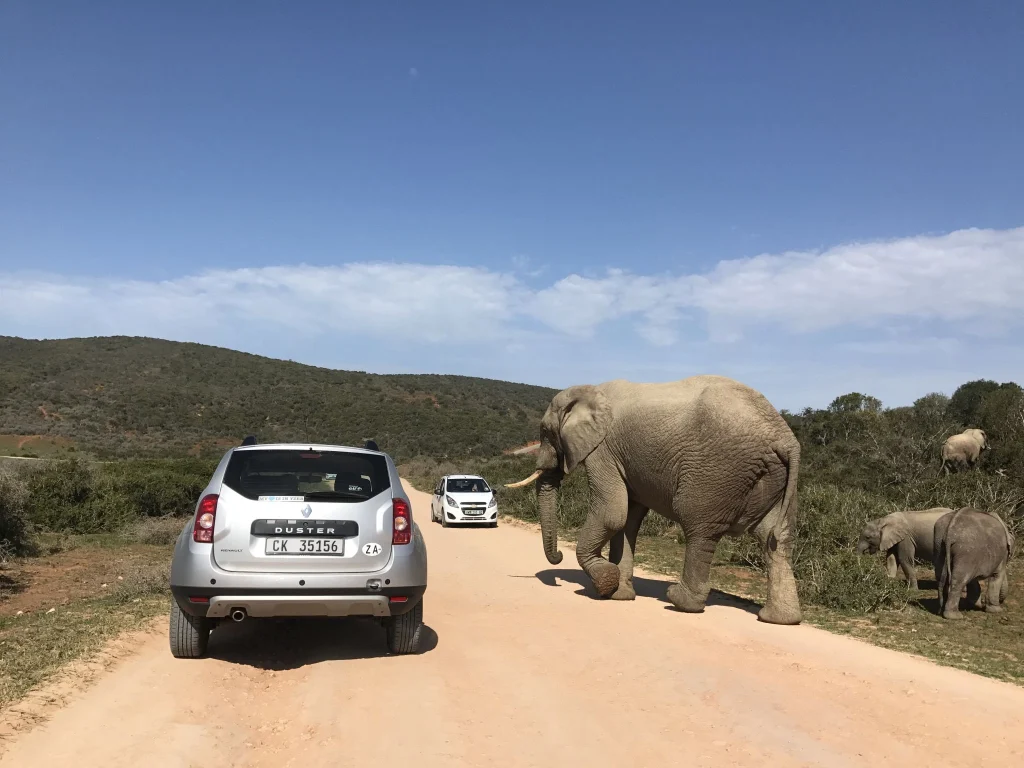
Driving in Africa is not the same as in Europe or North America. The variation in infrastructure and driving culture requires extra awareness and preparation.
Key differences include:
- Road quality can range from modern highways to rough, unpaved tracks
- Wildlife crossings are common, especially near parks and rural areas
- Traffic laws vary significantly between countries
- Driving behavior may be less predictable than what visitors are used to
Being prepared for these realities helps reduce risk and improves confidence behind the wheel.
Essential Road Rules to Know
Before driving in any African country, it is important to understand the basic rules that apply in your destination.
- Driving side: Countries like Kenya and Tanzania drive on the left, while Morocco and Egypt drive on the right
- Speed limits: Typically 50–60 km/h in cities, 80–100 km/h on rural roads, and up to 120 km/h on highways
- Seat belts: Mandatory for all passengers in most countries
- Alcohol limits: Strictly enforced, often around 0.05% BAC or lower
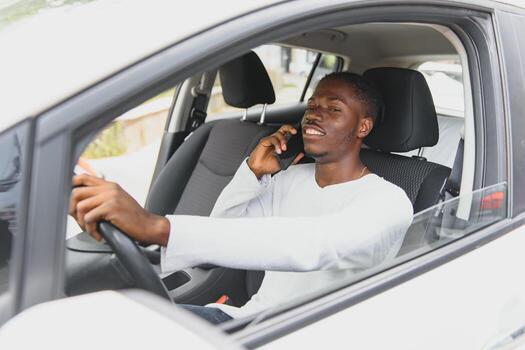
- Mobile phone use: Usually prohibited unless using hands-free systems
Always check country-specific regulations before your trip, as enforcement levels can vary.
Vehicle Preparation and Safety Checks
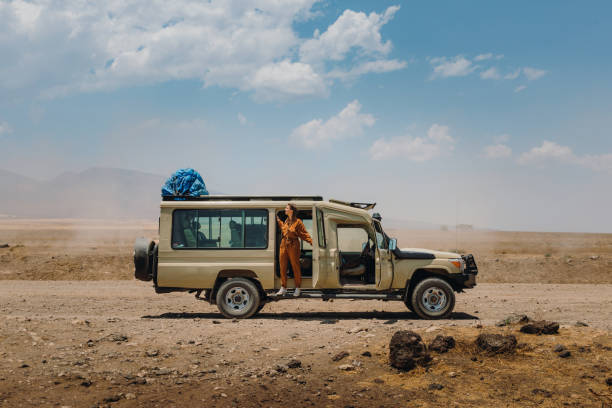
A well-prepared vehicle is essential, especially if you plan to travel outside major cities.
Before starting your journey:
- Check tire condition and pressure
- Ensure lights and indicators are functioning
- Inspect oil, coolant, and brake systems
- Confirm you have a spare tire and basic tools
In remote regions, breakdown assistance may be limited, so preparation is critical.
Driving Conditions: Urban, Rural, and Highways
Urban Areas
Cities like Nairobi can be busy and unpredictable. Expect congestion, pedestrians, motorcycles, and informal traffic behavior. Stay alert and drive defensively.
Rural Roads
Outside cities, roads may be narrow, unmarked, or unpaved. You may encounter livestock, cyclists, or slow-moving vehicles. Carry extra fuel and water when traveling long distances.
Highways
Major highways are generally in good condition, but hazards such as sudden stops, limited emergency lanes, and enforcement checkpoints are common. Maintain safe distances and avoid speeding.
Night Driving Considerations
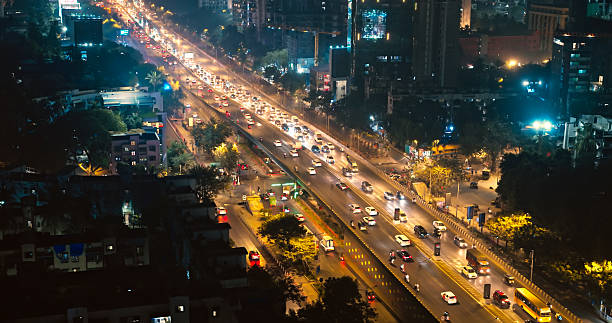
Driving at night presents additional risks across many parts of Africa.
- Limited or no street lighting in rural areas
- Increased wildlife activity after dark
- Poor visibility of pedestrians or cyclists
Whenever possible, avoid night driving in unfamiliar or remote locations.
Wildlife Awareness on the Road
In countries like Botswana and Namibia, wildlife on roads is a real concern.
- Reduce speed near parks and reserves
- Watch for warning signs
- Avoid sudden swerving if animals appear
- Keep a safe distance and never approach wildlife
Staying cautious protects both you and the animals.
Fueling and Roadside Planning
Fuel stations may be scarce in remote areas, so planning ahead is essential.
- Fill up whenever possible
- Carry cash, as not all stations accept cards
- Keep an emergency kit with water, snacks, and a flashlight
Knowing your route and fuel stops in advance can prevent unnecessary stress.
Road Etiquette and Local Driving Culture
Driving etiquette varies widely across the continent. In many areas:
- Larger vehicles often have right of way
- Light horn use is common as a warning signal
- Patience is essential in traffic and at checkpoints
Respectful and calm driving helps avoid conflicts and ensures smoother interactions.
Regional Driving Differences
Southern Africa
Countries such as South Africa and Zimbabwe generally have well-maintained roads and clear signage. However, watch for potholes and speed cameras.
East Africa
In Kenya, Uganda, and Rwanda, road conditions vary. A 4×4 vehicle is often recommended for rural or safari travel.
West Africa
Countries like Ghana and Nigeria may have heavy traffic and frequent checkpoints. Defensive driving is key.
North Africa
In Morocco and Tunisia, roads are generally good, but city traffic can be intense. Navigation tools are highly useful.
Car Rental and Documentation
Most travelers rely on rental vehicles. When renting:
- Ensure insurance coverage, including collision damage protection
- Choose a suitable vehicle (4×4 for rough terrain)
- Inspect the car thoroughly before driving
- Carry all required documents, including license and rental agreement
An International Driving Permit is often recommended alongside your national license.
Emergency Preparedness
Even with careful planning, unexpected situations can occur.
- In case of an accident, stay calm and contact local authorities
- Use hazard lights and warning triangles during breakdowns
- Keep emergency contact numbers accessible
Having travel insurance and knowing nearby medical facilities adds an extra layer of security.
Practical Driving Tips
- Drive defensively and anticipate hazards
- Avoid distractions, especially mobile phone use
- Take regular breaks on long journeys
- Use offline maps for navigation in remote areas
- Keep essential supplies in your vehicle at all times
These simple habits can significantly improve safety and comfort.
Conclusion
Driving across Africa is an experience defined by diversity, adventure, and discovery. While the challenges are real, they are manageable with proper preparation and awareness.
By understanding local road rules, preparing your vehicle, respecting driving culture, and planning ahead, you can navigate African roads with confidence. The reward is a journey filled with unforgettable landscapes, cultural encounters, and the freedom to explore at your own pace.
Approach each drive with caution and curiosity, and the road across Africa will become one of the most memorable parts of your travel experience.