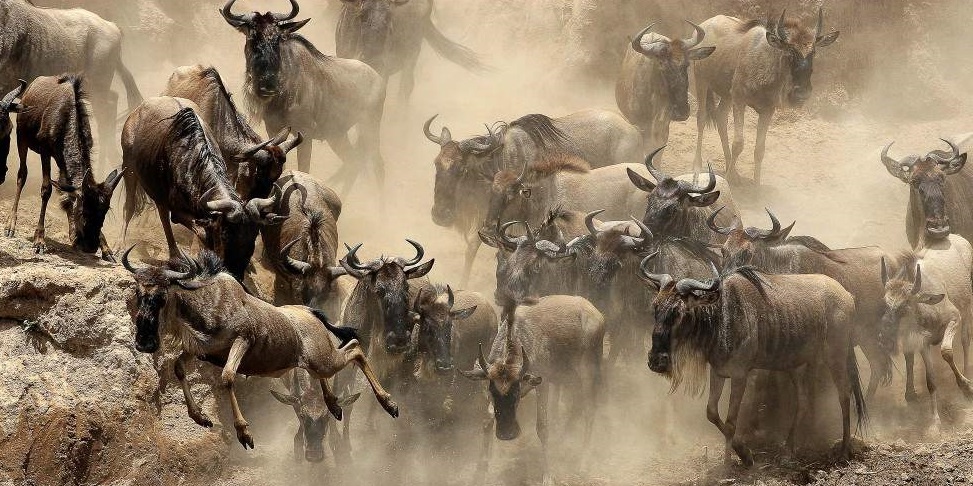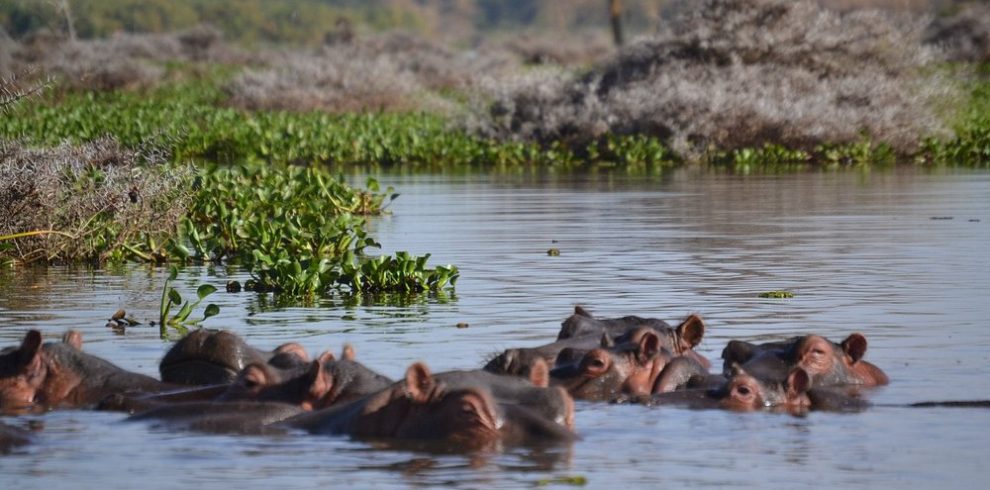

One of the most enriching ways to experience the continent is biking in Africa. From coastal roads and mountain passes to savannah plains and vibrant cities, Africa offers an incredibly diverse cycling environment. Whether you are a casual traveler exploring a city or an adventure enthusiast embarking on a long-distance journey, cycling allows you to connect deeply with landscapes, cultures, and people.
Unlike conventional tourism, biking places you at ground level. You experience daily life up close, interact with local communities, and move through the environment at a human pace. However, cycling in Africa requires proper planning, realistic expectations, and awareness of varying conditions. Infrastructure, road quality, climate, and safety differ significantly across regions.
This guide provides practical, experience-based advice for anyone interested in biking across Africa, whether for leisure, commuting, touring, or adventure travel.
Why Choose Biking in Africa?
Many travelers are drawn to biking in Africa for several reasons. One of the biggest is freedom. You can stop whenever something captures your attention, whether it is a roadside market, a scenic viewpoint, or a conversation with locals.
Cycling is also environmentally friendly and aligns with sustainable travel practices. It supports local economies, reduces environmental impact, and promotes responsible tourism. Additionally, biking improves physical fitness, enhances mental clarity, and fosters a deeper connection with the surroundings.
Africa remains one of the few regions where cycling can still feel truly adventurous while offering rich cultural and natural experiences.
Types of Biking Experiences in Africa
Urban Biking
Cycling in African cities is growing in popularity. Cities like Cape Town, Nairobi, Kigali, and Accra are developing cycling infrastructure, rental services, and biking communities.
Urban biking allows travelers to explore neighborhoods, beaches, markets, and landmarks efficiently. While traffic can be busy, early mornings and weekends often provide calmer conditions.
Mountain Biking
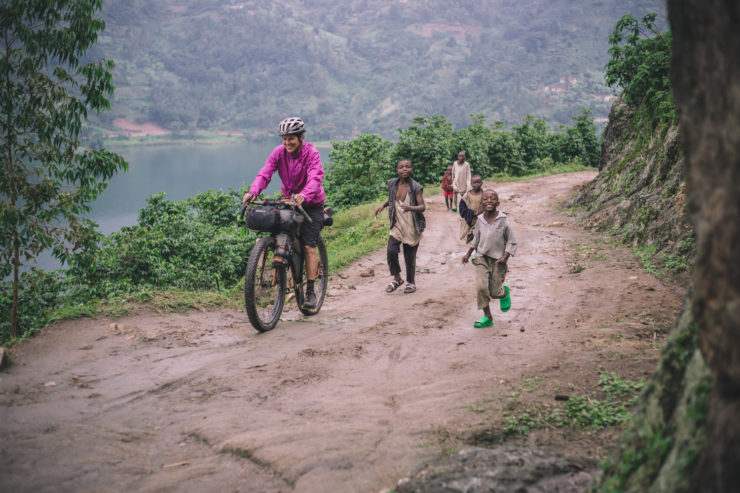
Africa is a paradise for mountain biking enthusiasts. From the Atlas Mountains in North Africa to the Rift Valley in East Africa and the Drakensberg in Southern Africa, the continent offers rugged terrain and scenic trails.
Mountain biking provides access to remote areas, national parks, and highland villages, combining adventure with cultural immersion.
Touring and Long-Distance Cycling
For serious cyclists, long-distance touring is the ultimate challenge. Routes can span coastlines, cross countries, or even traverse multiple regions.
These journeys require strong physical and mental preparation, but the rewards are unmatched, including wildlife encounters, cultural exchanges, and personal growth.
Top Biking Destinations in Africa
Southern Africa
Southern Africa offers some of the most developed cycling infrastructure. Countries like South Africa, Namibia, and Botswana feature good road networks and established tourism systems.
Cape Town is widely regarded as one of the best cycling cities in Africa, while Namibia attracts long-distance cyclists with its open roads and dramatic desert landscapes.
East Africa
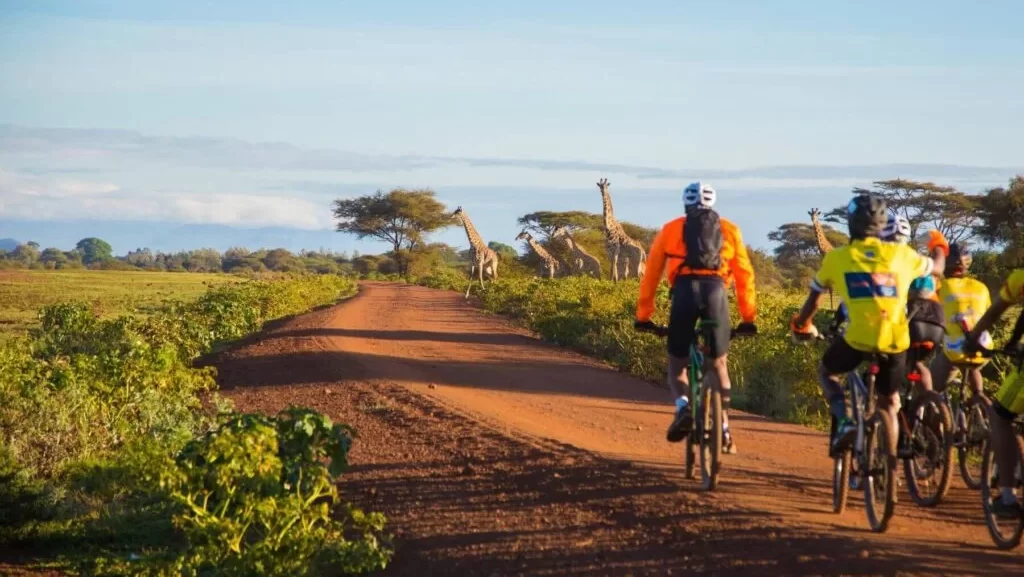
East Africa is ideal for adventure cycling. Kenya, Tanzania, Rwanda, and Uganda offer diverse terrain ranging from highland climbs to open savannahs.
Rwanda stands out for its bike-friendly policies and well-maintained roads. Routes around Lake Kivu and the surrounding hills provide both challenge and beauty.
North Africa
North Africa combines cultural richness with scenic cycling routes. Morocco is particularly popular, offering trails through mountains, deserts, and historic cities.
Egypt and Tunisia also provide cycling opportunities, though riders should consider weather conditions and traffic.
West Africa
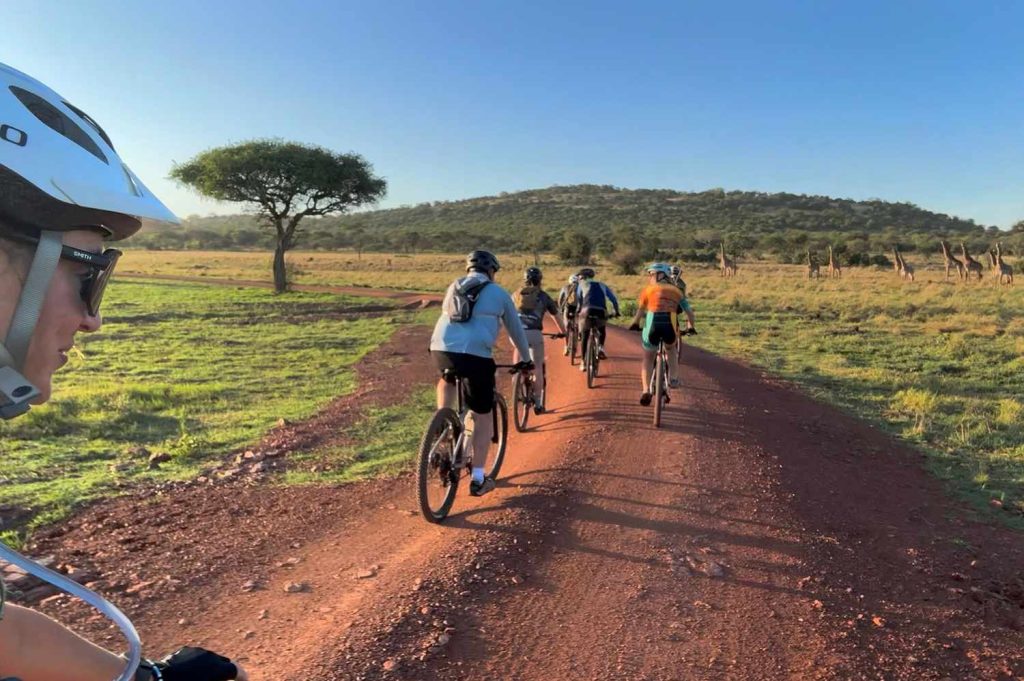
West Africa offers culturally immersive cycling experiences. While infrastructure may be less developed, countries like Ghana and Senegal are known for their welcoming communities and relatively calm environments.
Cycling here focuses more on cultural interaction than speed or distance.
Road Conditions and Infrastructure
Road quality varies widely across Africa depending on the country and region. Urban areas and major highways are often paved, while rural roads may be gravel or dirt.
Cyclists should be prepared for potholes and uneven surfaces, livestock on roads, limited signage, and mixed traffic conditions. Choosing the right bike and tires is essential for handling different terrains safely.
Climate and Weather
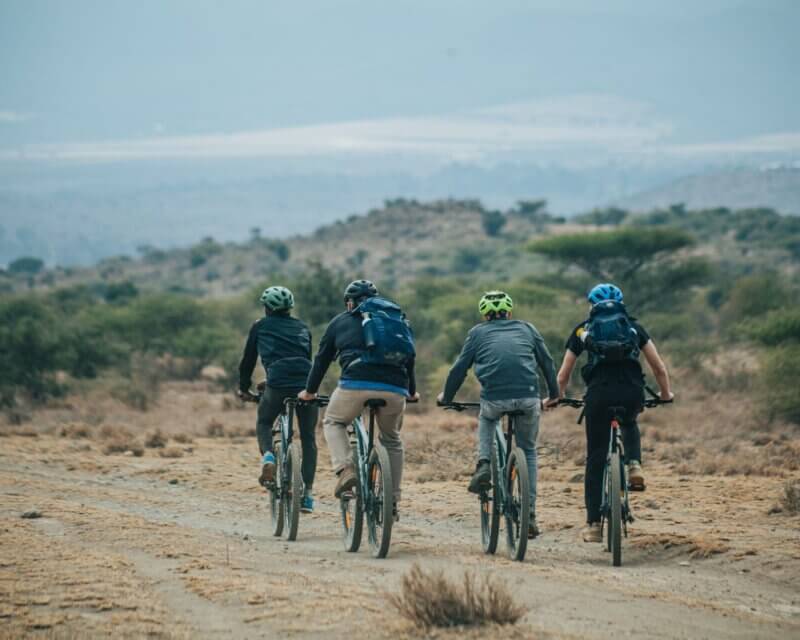
Africa’s climate ranges from desert to tropical to highland conditions. Understanding weather patterns is critical for planning.
Cyclists should consider rainy seasons that can make roads impassable, extreme heat especially in desert regions, and altitude changes that affect endurance. Morning rides are generally best due to cooler temperatures and lighter traffic. Hydration and sun protection are essential.
Safety and Security
With proper precautions, biking in Africa can be safe and highly rewarding. Many cyclists report positive experiences and strong community support.
Key safety tips include avoiding riding at night, staying aware of surroundings, locking your bike when unattended, and following local advice on safe routes. Rural areas are often welcoming, while urban areas require standard travel awareness.
Community Interaction
One of the most rewarding aspects of biking in Africa is engaging with local communities. Cyclists are often seen as approachable, leading to genuine conversations and hospitality.
Simple gestures like greetings, smiles, and respect for local customs go a long way. Always ask permission before taking photos and dress modestly in conservative areas.
Bike Rentals and Tours
Bike rentals are available in major cities and tourist destinations, making them ideal for short-term exploration.
Guided bike tours are increasingly popular, offering local expertise, logistical support, and added safety, especially for beginners. For long-distance touring, many cyclists prefer bringing their own bikes for better fit and reliability.
Equipment and Packing
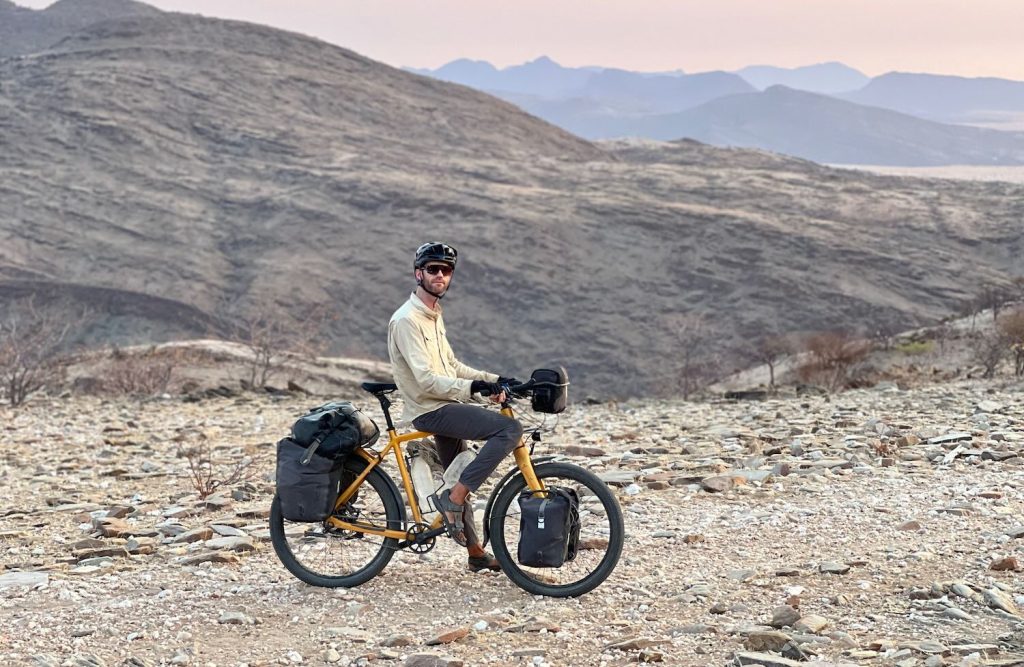
Proper gear is essential for a successful cycling experience in Africa.
Important items include a durable bike, repair kit, spare parts, helmet, visibility gear, sun protection, and hydration systems. Since bike shops may be scarce outside major cities, self-sufficiency is important.
Physical Preparation and Health
Cycling in Africa can be physically demanding due to heat, terrain, and distance. Preparing in advance helps prevent exhaustion.
Maintain proper nutrition and hydration, especially in remote areas. Listen to your body and rest when needed to ensure a safe and enjoyable journey.
Sustainable and Responsible Cycling
Responsible travel is a key part of biking in Africa. Cyclists should minimize environmental impact, avoid littering, and respect conservation rules.
Supporting local businesses and guides contributes to sustainable tourism and benefits communities.
Challenges and How to Overcome Them
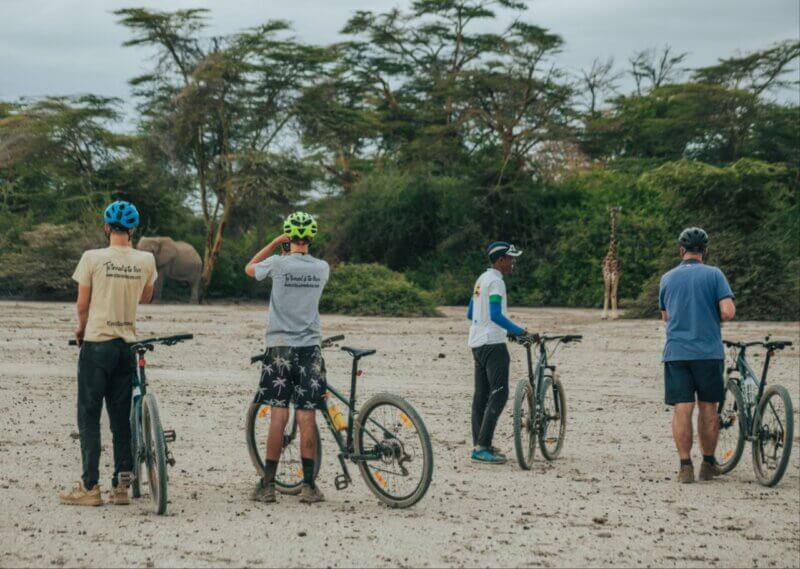
Cyclists may face challenges such as mechanical issues, navigation difficulties, or unexpected delays. Flexibility and patience are essential.
Many riders find that overcoming these obstacles leads to the most memorable experiences, including help from locals and discovering new routes.
Who Should Try Biking in Africa?
Biking in Africa suits a wide range of travelers including casual tourists seeking active exploration, adventure cyclists looking for challenges, cultural travelers wanting deeper connections, and fitness enthusiasts combining travel and exercise.
With proper planning, cycling can be adapted to different skill levels and interests.
Conclusion
Biking in Africa offers a unique and personal way to explore the continent. From bustling cities to remote landscapes, cycling provides a deeper perspective than traditional travel.
While it requires preparation and adaptability, the rewards are immense. The freedom to travel at your own pace, connect with people, and experience the environment intimately makes it unforgettable.
For those seeking adventure, biking in Africa is more than transportation. It is a transformative journey filled with lasting memories and a deeper understanding of the continent.