Ratings of exodus safaris Service

Ratings of exodus safaris Service

Ratings of exodus safaris Service

Can You Climb Kilimanjaro Without a Guide?

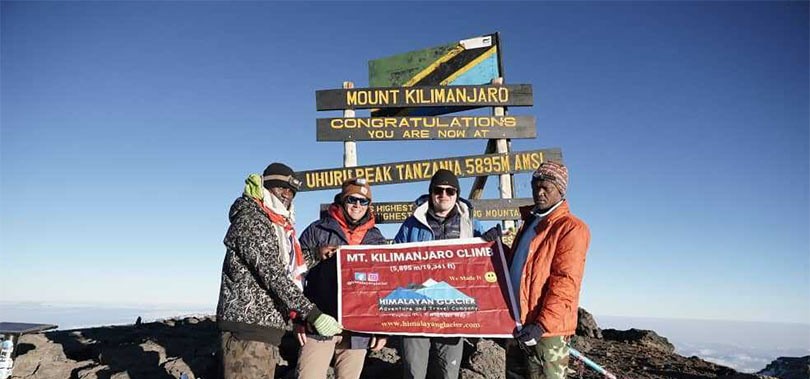
Kilimanjaro mountain, which is 5,895 meters (19,341 feet) high, is one of the most popular and recognizable mountains in the world. The dormant volcano is situated in Tanzania and has raised eyebrows of adventurers and nature lovers since decades. Many people have a dream to conquer the roof of Africa because reaching its summit is not an easy task, and the summit provides an incomparable prospect of the surrounding area, as it is snow-capped. But the question many prospective climbers ask is: Can you climb Kilimanjaro without a guide?

The process of climbing the mountain is not a simple one and under preparation, physical training and good knowledge of what the mountain entails is essential in the adventure. The choice between hiring a guide or not is a significant one and is associated with the benefits, as well as pitfalls. This paper will examine the advantages and disadvantages of trying to climb Kilimanjaro without a guide, the rules that govern guided climbers, and what we see as the most salient in terms of safely and successfully climbing this best mountain in the world.

Kilimanjaro Trekking Experience.

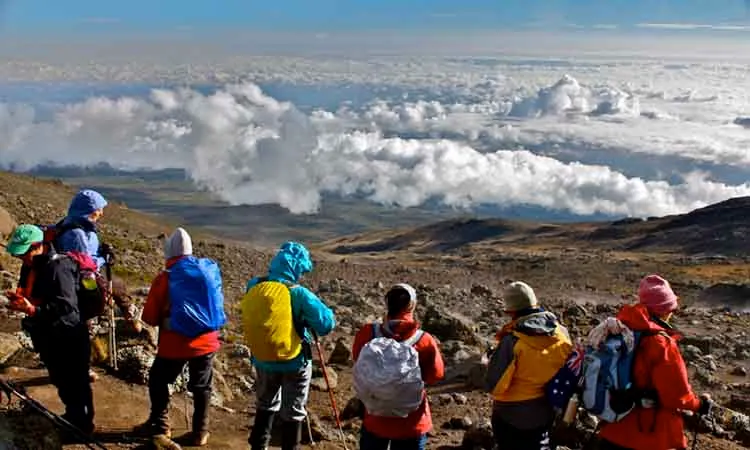
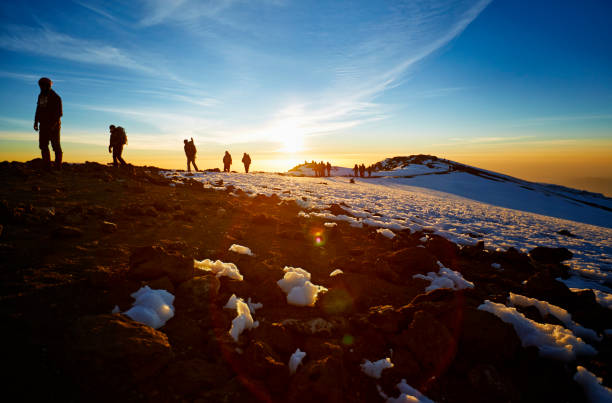
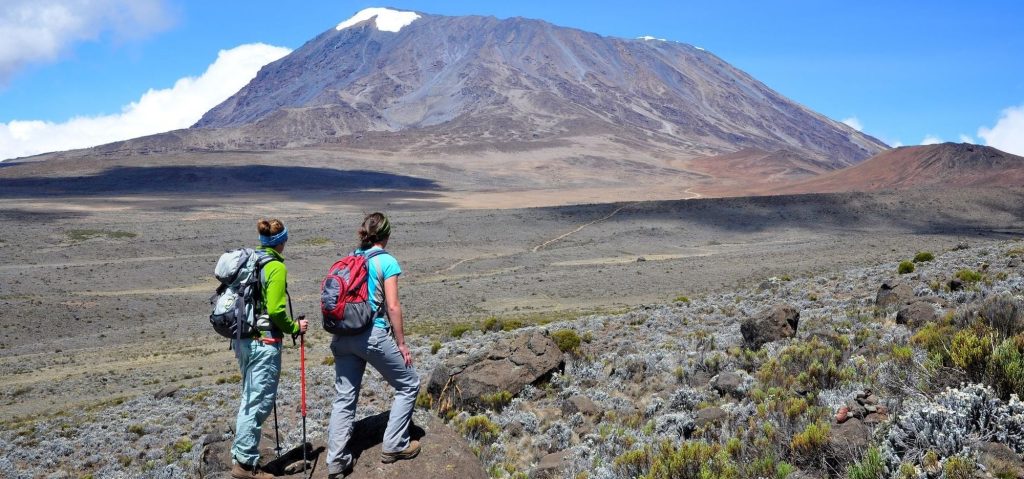
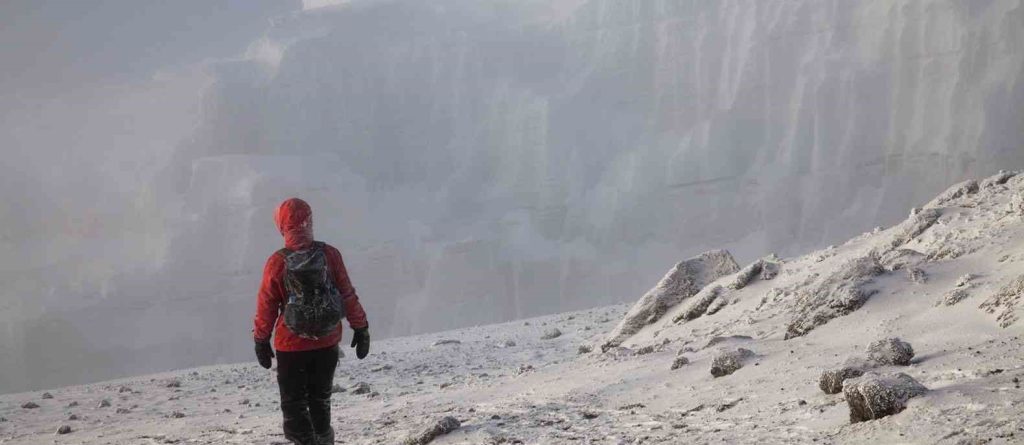
It is necessary to know the experience before getting into the issue of whether it is possible to Climb Kilimanjaro without a guide. Kilimanjaro is not an easy mountain to climb and not just in terms of level but also the weather conditions there are always varying and change very quickly and the terrain on which the mountain is being climbed is very rugged and it is physically demanding. The mountain was divided into five major routes that have various degrees of challenges, scenic beauty and time taken to climb the mountain.

The most popular routes are:

  • Marangu Route: This is one of the most straight forward and easy routes to the summit otherwise known as the Coca-Cola route.
  • Machame Route: Known as the Whiskey route, the route is harder than Marangu one because it provides greater acclimatization.
  • Lemosho Route: Lemosho is regarded as one of the more scenic routes, and it is slower and has better acclimatization.
  • Rongai Route: The Rongai is the only path that comes close to the north of Kilimanjaro and it is a path that is less frequented and even fewer people.
  • Umbwe Route: It is a harder yet a trail that is less traveled and is used only by trained climbers.

The Guide is Necessary: The Legal Hold.

Although the issue concerning whether or not one can climb Kilimanjaro without a guide is a common one, the fact of the matter is that it might not be within the law. According to new stipulations, the National Parks Authority (TANAPA) in Tanzania stipulates that every climber who goes to Kilimanjaro must be monitored by a registered guide. This is imposed to make sure that the trekkers are safe and that the delicate ecosystem of the mountain is not harmed.

The guide requirement is mandatory to all trekkers, irrespective of their experience and not just the presence of a certified guide but also of a porter and cook. However, as much as you may be an experienced mountaineer, you can not legally make an attempt to be able to reach the peak of Kilimanjaro without the assistance of a registered guide. These laws exist to provide proper support to climbers both in navigation and health notwithstanding to give a sustainable living to the locals.

Kilimanjaro Guide Work.

Not every person is a licensed guide on Kilimanjaro, however this is not a person who leads you up the mountain, an essential element in your safety and success. The following is a closer examination of the importance of having a guide:

  • Safety and Navigation: The land on Kilimanjaro is hazardous. The mountain is rocky and during the climb it has steep scenery and unpredictable climatic patterns, therefore the guidance of the guide is essential. They are familiar with the primary routes to take, they will not leave you lost in tricky situations nor will they place you in the path of danger. There are also first-aid kits, and as guides are skilled in dealing with emergencies.
  • Altitude Sickness Prevention: Altitude sickness is one of the greatest risks associated with climbing Kilimanjaro and the attack can occur at any time. A guide is provided with the training to realize the signs of altitude sickness, which include dizziness, nausea, and shortness of breath. They are able to keep track of your well-being and take the necessary measures in case it is necessary such as prescribing the necessary acclimatization or lowering the altitude in case the symptoms intensify.
  • Acclimatization: Before subjecting to altitude sickness proper acclimatization is necessary. A guide is also knowledgeable on how best to navigate the climb such as the timing of breaks and scheduling days off at specific elevations. This assists your body to adapt to the declining oxygen levels and minimizes the chances of experiencing health problems that are associated with altitude.
  • Cultural Insight and Support: A guide is also the entrance to the fascinating culture and history of Kilimanjaro and Tanzania. They have an opportunity to discuss the meaning behind this mountain, share information on the local flora and fauna, and educate you on the culture of the people that surround Kilimanjaro known as the Chagga tribe. Guides are also a necessary component of the team which organizes the work of the porters and cookers so that the logistics of your climb goes well.
  • Environmental Protection: Guides have education on the Leave No Trace principles and have the duty of ensuring that the mountain is left in a better way to sustain the generations to come. They also assist in reducing environmental effects through effective disposal of waste, reduction of litter and protection of fragile ecosystems within the mountain. This renders guides to be indispensable in conserving the natural beauty of Kilimanjaro.

The Reason Why a Guide is Unreliable to Some Climbers.

Even with the legal conditions, there is doubt amongst some experienced trekkers that they would Climb Kilimanjaro without a guide. The reasons as to why somebody may contemplate going without a guide are few:

  • Experience and Expertise: other mountaineers believe that their prior experience in high altitude scale on trekking in the Himalayas or the Andes would equip them to face the difficulty of the Kilimanjaro. They might have the confidence that they can overcome the mountain by themselves and they do not need the assistance of a guide.
  • Cost Issues: The expense of the climbing experience, especially in terms of employing a guide and and support crew (porters, cooks, etc.), may represent a substantial expense. Although Tanzanian laws provide the necessary support to the climbers, some trekkers might believe that they might spend less by doing it themselves. But, as it was stated above, this is unlawful and not a recommended way.
  • Love of Independence: In case of some trekkers, there is the love of being more independent, which is the feeling of wanting to climb something without the guidance of any guide. The thought of walking their own pace, and making their own choice, and of seeing the mountain their own way can be an attractive one.
The Dangers of Going Mountaineering without a Guide.

Although the prospect of Climbing up Mount Kilimanjaro without a guide may be attractive to some people, the dangers involved are high. The following are some of the possible risks:

  • High Chances of Being Injured: The landscape on Kilimanjaro is bumpy and the elevation is likely to influence your body in a manner that you do not expect. The threat of being injured or lost is very high without a guide who is aware of the road and the possible pitfalls. Guides are also trained to know when a trekker requires to take a rest or have a medical check-up.
  • Altitude Sickness: As already discussed, altitude sickness can be very severe. There is a great risk that the climbers will be susceptible to severe altitude sickness without a trained guide to oversee the symptoms and make educated decisions about descending or acclimatizing, as this can be fatal unless suitable actions are taken.
  • Ineffective Logistics: Guides must plan their work with porters and cookers, and make sure that the climbing process is successful. At that, trying it climb without a guide, you will have to take these logistics on your own, and it can be challenging in such a remote location as Kilimanjaro.
  • Absence of Help at the Time of Emergency: When there is an emergency, either in health, an accident, or a sudden socio-meteorological incident, having a guide can be the difference between life and death. Lacking a guide, you might not get appropriate emergency materials and you might be unable to react to the critical situation.
Should you hike up Kilimanjaro without a guide? The Bottom Line.

The answer to the question, Can you climb Kilimanjaro without a guide?, is a definitive no. Tanzania’s regulations mandate that all climbers are accompanied by licensed guides, and for good reason. Guides not only offer safety and navigation, but also the enhanced experience of the mountain, such that you can be guaranteed of the best out of the adventure. Although the expenses and the need to be an independent trekker might tempt some trekkers to would-be independent the risks are much higher than any benefits would be.

Climbing of Kilimanjaro is a wonderful feat that cannot be done without serious consideration. A professional and experienced guide will not only assist you in getting to the summit safely but also it will add to your experience as he/she will give you information about the history, culture and nature of this great mountain. Thus, the notion of climbing Mount Kilimanjaro without a guide can seem to be a highly adventurous approach to accomplishing one of the most recognizable summits in the world, but still, it is important to bear in mind that the guided approach to climbing the mountain is the safest and most responsible.

Explore Travel Inspiration & Expert Advice

Join 80,000+ discerning travelers receiving top tips, expert insights, and personalized trip ideas.

Life-Enriching Travel

Designed Just for You

1

Trips curated by the world’s top destination experts

2

Concierge-level service leading up to and during your trip

3

Unique, exclusive experiences and insider access

Get ready for a luxury safari adventure that fuses adrenaline, elegance, and wild beauty into one unforgettable journey!...

1 Day
$1,662

Get on an unforgettable 4-Day Mid-Range Kenya Safari through Kenya's Amboseli, Tsavo East, and Tsavo West National Parks....

4 Days
$1,250

Discover the beauty of on a 7-Day Kenya Safari, exploring the iconic Amboseli, Nakuru, Maasai Mara, and Naivasha....

7 Days
$2,600