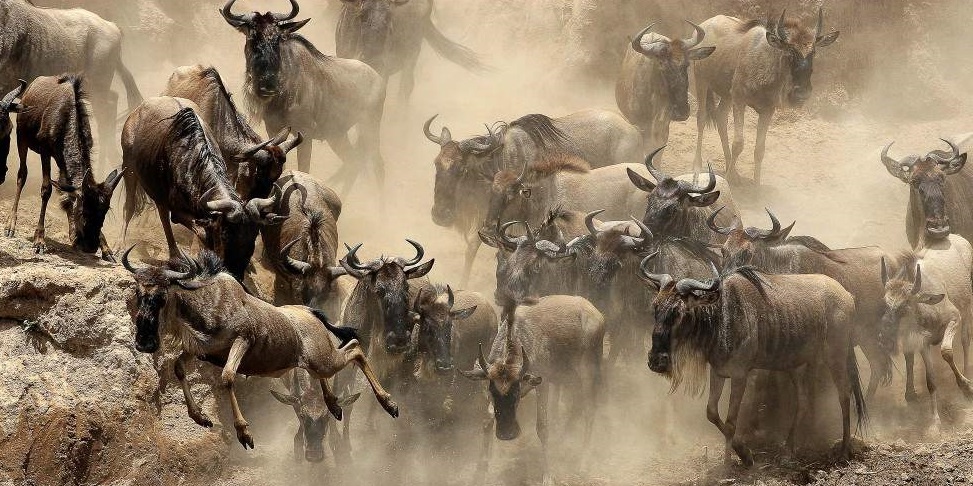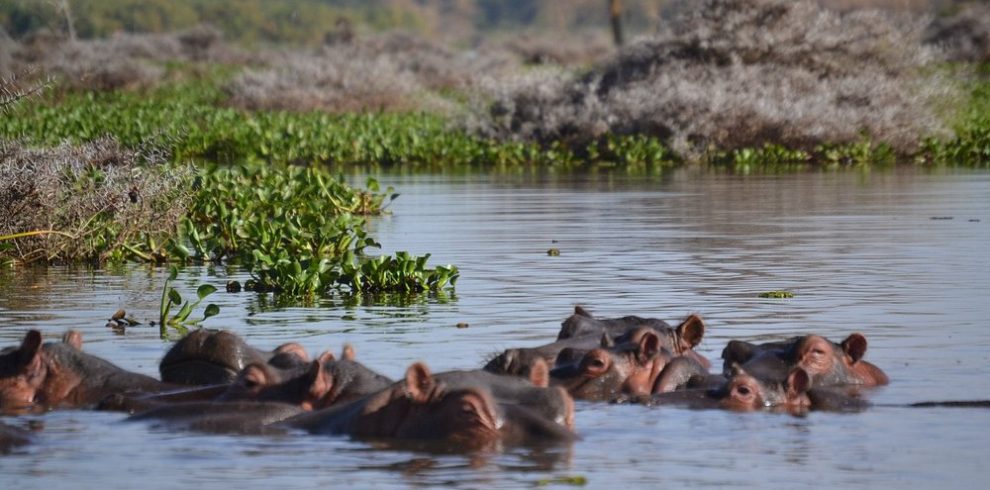
Exploring Africa by car offers unmatched flexibility, allowing travelers to move beyond major cities and discover remote landscapes at their own pace. From scenic coastal drives in South Africa to wildlife adventures in Kenya and desert journeys in Namibia, renting a car opens up a wide range of travel possibilities.
Understanding car-rental costs across different countries is essential for budgeting effectively. Prices vary significantly depending on location, vehicle type, and travel season. This guide breaks down average costs, key influencing factors, and practical tips to help you plan a cost-efficient trip.
Why It’s Important to Understand Car-Rental Costs
Car rental is often the most convenient way to travel across Africa, especially in regions where public transport is limited. Knowing the expected costs helps travelers plan realistic budgets, compare destinations, and avoid unexpected expenses.
It also allows you to choose the right type of vehicle, whether an economy car for city travel or a 4×4 for safaris and rural exploration. Being informed ensures a smoother and more enjoyable travel experience.
Factors That Influence Car-Rental Prices
Several factors determine how much you will pay for a rental vehicle.
The type of vehicle plays a major role. Economy cars are the most affordable, while SUVs and 4x4s are more expensive due to their capability and demand in safari regions.
Rental duration also affects pricing. Longer rentals typically reduce the daily rate, making extended trips more cost-effective.
Seasonality is another key factor. Prices increase during peak travel periods, holidays, and major events.
Insurance and extras such as GPS, additional drivers, and child seats can significantly raise the total cost.
Location matters as well. Rentals in major cities or tourist hubs are often more expensive than those in smaller towns.
Car-Rental Costs in Africa by Country
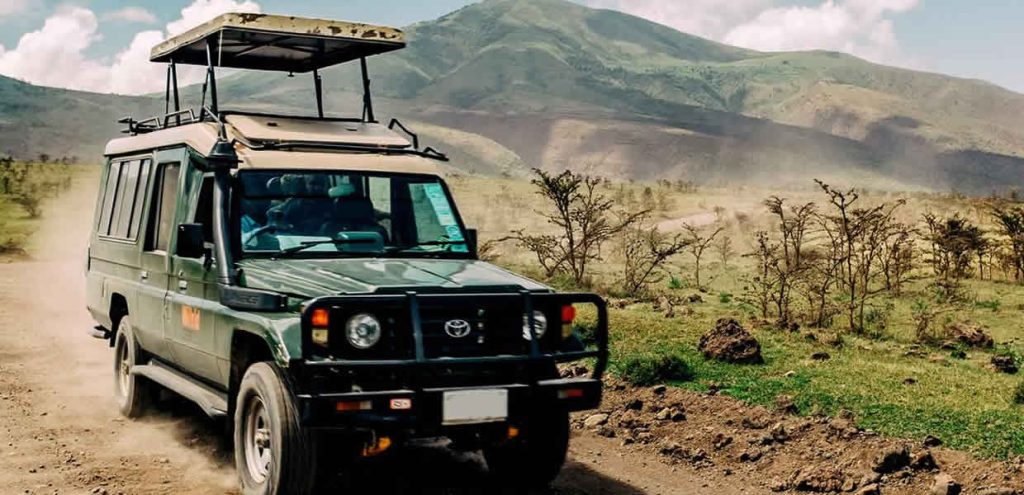
Below is a general overview of average daily rental costs across popular destinations. Prices may vary depending on demand, provider, and travel season.
In South Africa, cities like Cape Town and Johannesburg offer economy cars ranging from moderate rates, while SUVs are higher, especially for routes like the Garden Route and safari areas.
In Kenya, particularly in Nairobi and the Maasai Mara National Reserve, 4×4 vehicles are essential for safaris, making them more expensive than standard cars.
Egypt, especially in Cairo and Luxor, offers relatively affordable rentals, with automatic cars preferred due to heavy traffic.
In Morocco, cities like Marrakech and Fes have competitive rates, though SUVs are recommended for trips into the Atlas Mountains.
Tanzania, including Dar es Salaam and Serengeti National Park, typically requires 4×4 vehicles for park access, increasing rental costs.
In Namibia, with hubs like Windhoek and Etosha National Park, reliable 4×4 vehicles are essential due to long distances and remote terrain.
Botswana, especially around Okavango Delta, has some of the highest rental costs due to the need for specialized off-road vehicles.
In Uganda, routes from Kampala to Bwindi Impenetrable Forest often require 4×4 vehicles for forest and park roads.
Island destinations like Mauritius and Seychelles offer well-maintained roads, making economy cars sufficient for most travel needs.
How to Save Money on Car Rentals
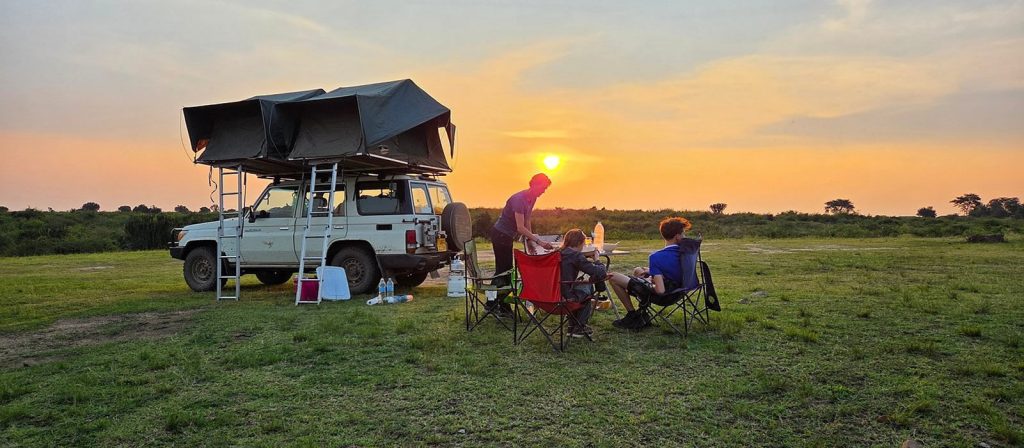
Booking your vehicle in advance is one of the easiest ways to secure better rates and ensure availability.
Comparing multiple providers helps identify competitive pricing and better value for money.
Choosing an economy car where possible reduces both rental and fuel costs, especially for city travel.
Review your existing travel insurance or credit card benefits to avoid paying for duplicate coverage.
Traveling during off-peak seasons can significantly lower rental costs and provide a more relaxed experience.
Safety and Driving Considerations
Driving across Africa requires preparation. Road conditions vary widely, with well-maintained highways in urban areas and rough terrain in rural regions.
Using GPS or offline maps is highly recommended, as signage may not always be consistent.
Comprehensive insurance coverage is essential to protect against accidents, theft, or damage.
Fuel stations can be sparse in remote areas, so planning your routes carefully is important.
Familiarizing yourself with local driving laws helps avoid fines and ensures a safer journey.
Choosing the Right Vehicle
Your travel route should determine your vehicle choice.
Economy cars are ideal for urban travel and short distances, particularly in destinations like Morocco or South Africa.
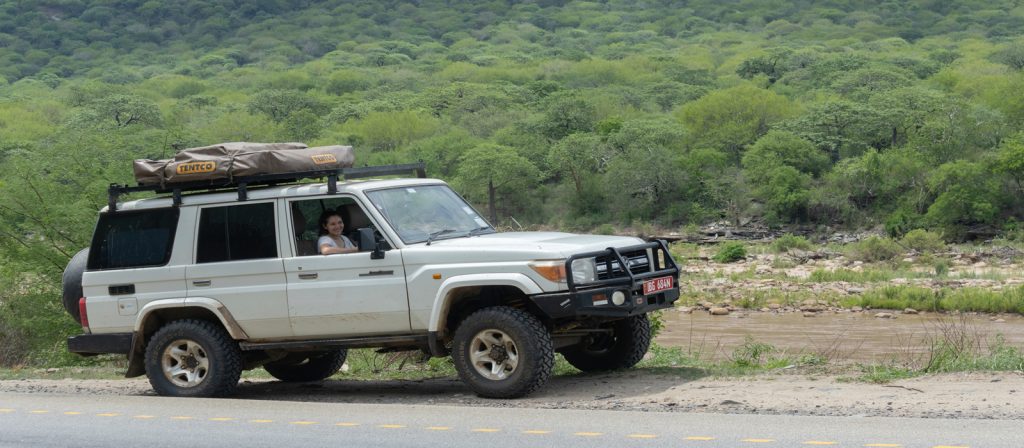
SUVs and 4×4 vehicles are necessary for safaris, mountainous regions, and rural areas in countries such as Kenya, Tanzania, and Namibia.
Luxury vehicles are best suited for city travel or premium experiences in destinations like Egypt or Seychelles.
Alternatives to Car Rentals
While renting a car offers independence, other transport options may be more practical in certain situations.
Train travel is efficient for long-distance routes in South Africa, Egypt, and Morocco.
Domestic flights are ideal for covering large distances quickly, especially in East and Southern Africa.
Guided tours are popular for safaris, providing experienced drivers and specialized vehicles.
Combining these options with car rentals can improve both convenience and cost efficiency.
Environmental and Cultural Considerations
Choosing fuel-efficient vehicles helps reduce environmental impact while traveling.
Supporting local rental agencies contributes to regional economies and small businesses.
Understanding local driving habits and cultural norms enhances safety and improves interactions during your trip.
Conclusion
Car-rental costs across Africa vary widely depending on destination, vehicle type, and travel conditions. By understanding these differences, travelers can plan effectively, manage budgets, and choose the right transport options for their journey.
From the coastal roads of South Africa to the wildlife-rich parks of Kenya and the rugged terrain of Namibia, renting a car unlocks a deeper and more flexible travel experience.
With proper planning, safety awareness, and smart budgeting, exploring Africa by road becomes not only practical but truly unforgettable.