Traveling across Africa offers a rich mix of cultures, landscapes, and experiences—from the bustling souks of Marrakech to the wildlife-filled plains of Kenya. One essential aspect of a smooth journey is understanding how to manage cash and currency effectively. Whether you are paying for transport, tipping a guide, or shopping in local markets, knowing how money works across the continent can save you time, reduce stress, and help you avoid unnecessary losses.
This guide provides practical, real-world tips for tourists, expats, and long-term travelers navigating Africa’s diverse financial landscape.
Overview
Africa is home to over 50 countries, each with its own currency system. While some regions share currencies, most countries operate independently, making it important to understand local payment practices before you travel.
Major currencies you will encounter include:
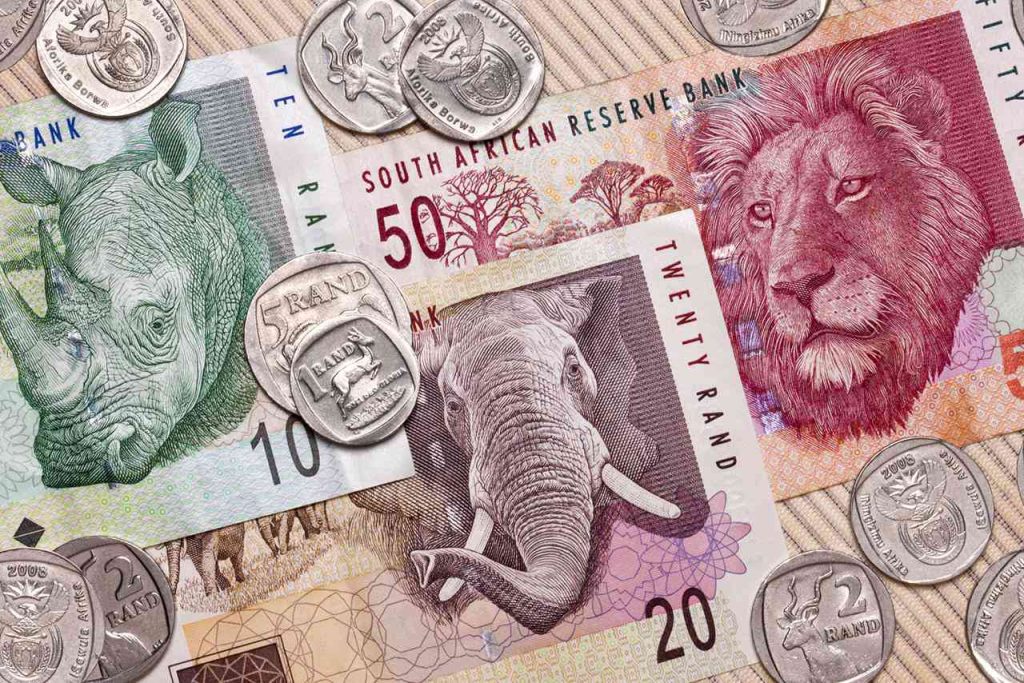
- South African Rand (ZAR) in South Africa
- Kenyan Shilling (KES) in Kenya
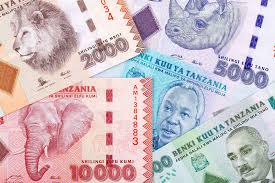
- Tanzanian Shilling (TZS) in Tanzania
- Egyptian Pound (EGP) in Egypt
- Moroccan Dirham (MAD) in Morocco
- CFA Franc (XOF/XAF) used across parts of West and Central Africa, including Senegal and Cameroon
Cash remains widely used, especially in rural areas, markets, and smaller towns, while card payments are more common in major cities and tourist hubs.
Key Insights
Cash vs Card Usage
Cash is still the dominant payment method across much of Africa. Even in urban centers, small vendors, taxis, and markets often prefer cash. Cards are widely accepted in cities like Cape Town and Nairobi, but should not be your only option.
Currency Exchange
Exchange money at banks, licensed bureaus, or reputable hotels. Avoid street money changers, especially in busy tourist areas, as scams and counterfeit notes can occur.
Denominations Matter
Large bills are often difficult to use for everyday purchases. Always carry smaller notes and coins for transport, tips, and market shopping.
How It Works
Using ATMs
ATMs are widely available in cities and large towns across countries like Zimbabwe and Namibia. However, access can be limited in remote areas or near national parks.
Key tips:
- Use ATMs located inside banks or secure areas
- Withdraw moderate amounts to reduce risk
- Be aware of international transaction fees
- Always have a backup card
Mobile Money and Digital Payments
Africa leads in mobile money innovation. Services like M-Pesa are widely used in Kenya and Tanzania, allowing users to pay for transport, groceries, and services without cash.
Other platforms include:
- EcoCash in Zimbabwe
- Orange Money in Morocco and parts of West Africa
While convenient, these services often require a local SIM card and are less common in remote regions.
Tips
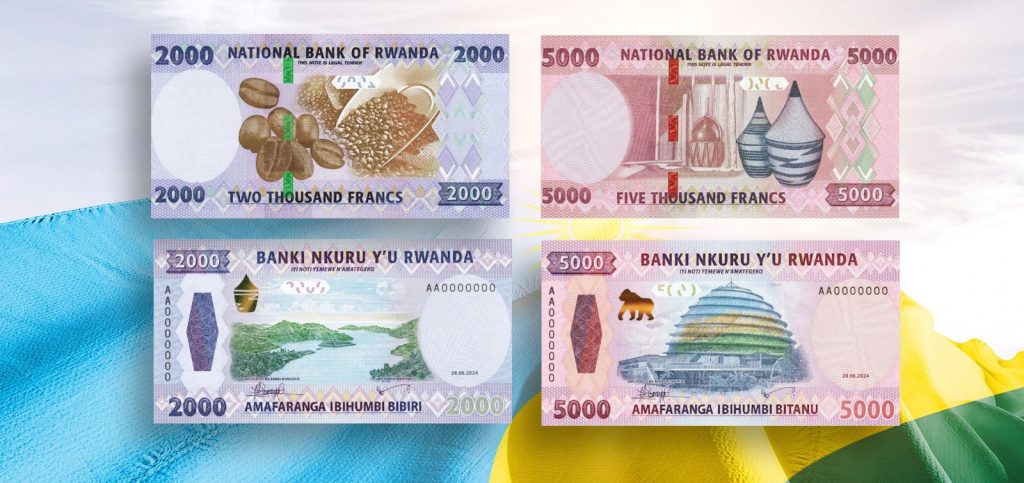
Manage Your Cash Wisely
Divide your money between your wallet, hotel safe, and travel pouch. This reduces risk in case of theft or loss.
Plan Daily Spending
Estimate your daily expenses and only carry what you need. This is especially useful when visiting busy areas like markets or transport hubs.
Understand Tipping Culture
Tipping practices vary:
- In South Africa: 10–15% in restaurants
- In Kenya and Tanzania: 5–10%, with small daily tips for guides
- In Egypt and Morocco: small tips are expected for many services
Always carry small denominations for tipping.
Stay Safe with Money
- Avoid displaying large amounts of cash
- Use money belts or concealed pouches
- Be cautious when using ATMs at night
- Keep emergency funds separate
Use Multiple Payment Options
Relying only on cards can be risky due to network issues or limited acceptance. A mix of cash, cards, and mobile payments offers the most flexibility.
Conclusion
Managing cash and currency in Africa requires preparation, awareness, and flexibility. While cities offer modern banking and digital payment options, cash remains essential for everyday transactions, especially in rural areas and local markets.
By understanding local currencies, using secure exchange methods, and adopting smart cash-handling habits, travelers can avoid common pitfalls and focus on enjoying their journey. Whether exploring the deserts of Morocco or the savannahs of Kenya, being financially prepared ensures a smoother, safer, and more rewarding travel experience.