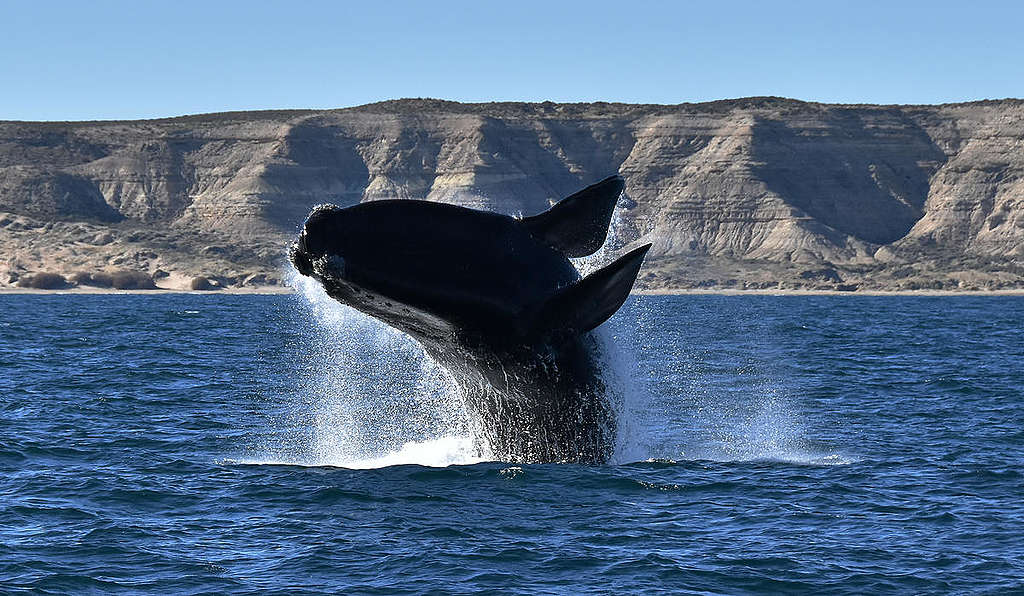
The Southern Right Whale is a majestic creature of the sea, captivating scientists, conservationists, and nature enthusiasts with its impressive size, social behavior, and incredible migration patterns. As one of the largest whale species, the Southern Right Whale has become a symbol of the resilience and beauty of marine life, despite facing historical threats that nearly led to its extinction. In this article, we’ll delve into 5 fascinating facts about the Southern Right Whale, revealing the unique characteristics and behaviors of this extraordinary marine mammal.
1. The Southern Right Whale Was Nearly Driven to Extinction
One of the most significant facts about the Southern Right Whale is its history of near extinction due to human exploitation. The Southern Right Whale, like many other whale species, was targeted extensively by commercial whalers during the 18th and 19th centuries. The slow-moving behavior of the species and its cultivation in its obsession as an inhabitant of coastal waters made it easy prey to be hunted by the whalers, who mostly used its blubber in the production of oil and meat as well as its baleen in the production of other products.
By the time commercial whaling for Southern Right Whales was banned in the 1930s, the population of these whales had been decimated. It is estimated that over 70,000 Southern Right Whales were killed during the peak of the whaling industry, leaving the population at dangerously low numbers. At one point, only a small fraction of the species remained, and it was feared that the Southern Right Whale could be lost forever.
However, with the protection and conservation efforts initiated in the mid-20th century, the Southern Right Whale began a slow recovery. The species has come a long way in the last few decades, seeing population slowly rising due to a worldwide ban on commercial whaling. Today, the Southern Right Whale is no longer considered at risk of extinction, although it remains listed as Endangered by the International Union for Conservation of Nature (IUCN).
Despite its recovery, the Southern Right Whale still faces threats from human activities, including ship collisions, entanglement in fishing gear, and habitat degradation. Conservation measures still play a crucial role in guaranteeing the continuity of this amazing species, and population monitoring and breeding grounds conservation are among the priorities.
2. The Southern Right Whale Has a Unique Appearance
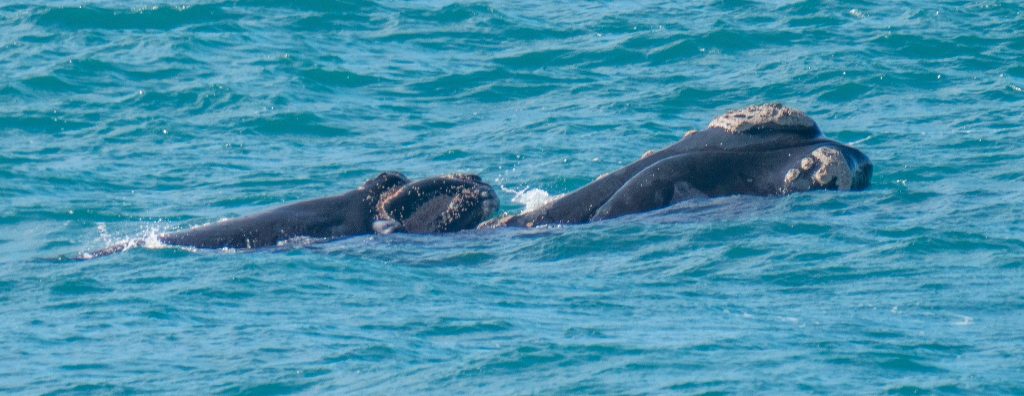
The appearance of the Southern Right Whale is one of the most distinct features that set it apart from other whale species. Southern Right Whales are massive, with adults typically growing to lengths of around 13-16 meters (42-52 feet) and weighing up to 80 tons. They are among the biggest whales in the entire world and only behind the blue whale.
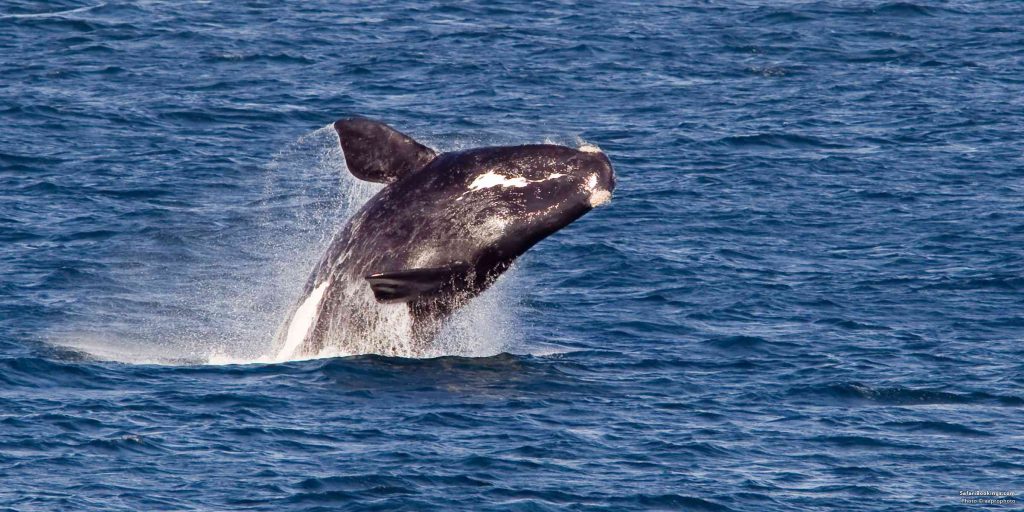
What makes the Southern Right Whale even more remarkable is its distinctive body features. These whales are typically tough, calloused giant animals whose skin is often spotted with grey or whitish scars. In fact these patches are caused by tiny crustacea called whale lice (cyamids) that cling to the skin of the whale and produce irritation resulting in the scarring. The presence of these whale lice is a signature trait of Southern Right Whales and is often used by researchers to identify individual whales in the wild.
The Southern Right Whale’s baleen plates are another striking feature. Unlike toothed whales, which use teeth to catch prey, baleen whales like the Southern Right Whale have long, comb-like plates made of keratin (the same material as human fingernails) that help filter food from the water. These baleen plates are dark colored and have a fine fringe that is utilized to trap small organisms like planktons, krill, and small fish. The Southern Right Whale’s baleen is particularly effective at filtering large amounts of water to collect food.
Another notable characteristic of the Southern Right Whale is its broad, flat head. The head of the whale may constitute about a quarter of the whole length of the whale, and forms its broadest circumference. The Southern Right Whale’s blowholes are located at the top of its head and are large enough to produce a spout that can be seen from several meters away when the whale surfaces to breathe.
3. The Southern Right Whale is Known for Its Playful and Social Nature
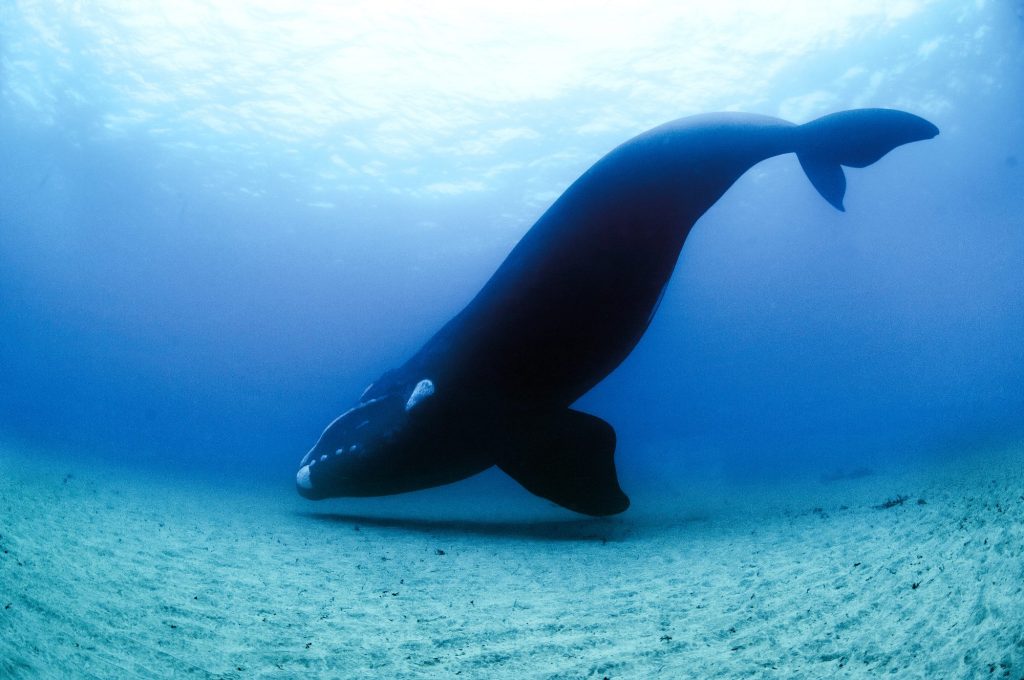
Social behavior is a key feature of the Southern Right Whale, and one of the most fascinating aspects of its lifestyle. These whales are quite rompy and curious and can often be seen playing around with boats as well as other whales and even humans in the wild. While Southern Right Whales are generally not as acrobatic as some other whale species like humpbacks, they are still often observed engaging in behaviors that suggest a social bond within groups.
During the breeding season, which occurs during the Southern Hemisphere’s winter months (from June to November), Southern Right Whales gather in specific coastal areas, such as the waters off the coast of South Africa, Australia, and Argentina, to mate and give birth. The waters along these coasts are considered breeding grounds, and it is at these waters that these whales can deliver their calves with relative safety relative to the more predator-prone open ocean waters.
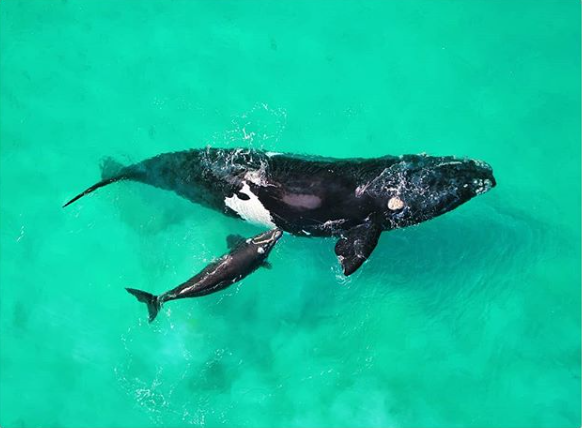
Southern Right Whales are often seen mothers and calves in close proximity, with the mother caring for her calf in the early stages of life. The calf is strictly dependent on the milk of its mother for food in its initial stages and the connection between them is very strong. Calves are delivered large and can be lengthy up to 4-6 meters (13-20 feet) at birth and are nursed by their mother till one year which they are weaned.
In addition to these close-knit mother-calf relationships, Southern Right Whales can also be seen interacting with other whales during migrations and when they congregate in feeding areas. Their social activities include spying on each other, rubbing against each other, and even having physical contact with boats and human observers. Although these encounters are mostly harmless, individuals should learn to respect such animals at a distance and not to interfere with their activities whilst in the wilderness.
4. The Southern Right Whale Migrates Thousands of Miles
One of the most awe-inspiring facts about the Southern Right Whale is its remarkable migratory journey. Southern Right Whales are long-distance travelers, migrating between their feeding grounds in the cold waters of the Southern Ocean and their breeding grounds in warmer coastal regions. During the summer months, Southern Right Whales move toward the polar waters of the Antarctic and sub-Antarctic, where they feed on krill, small fish, and plankton in nutrient-rich waters. The waters are rich in food that sustains the great energy requirements of the whales as they gear towards the breeding season.
By the time the winter hits, the whales set off to the warmer waters of the coast of the Southern Hemisphere or in other words, to the west on the coasts of these countries: the South African coasts, Argentinean coasts, and the Australian coasts where the whales give birth to their calves as well as mate. The migration of the Southern Right Whale can be incredibly long, with some individuals traveling up to 5,000 kilometers (3,100 miles) each way. This extensive migration provides the whales with not only their rich feeding grounds but safe warm water to give birth.
Migration is a vital part of the Southern Right Whale’s life cycle, allowing them to take advantage of the abundant food resources in the polar regions while ensuring their young are born in the safest possible environment. Whales generally move slowly, although there are several factors that condition their migration route including flow of waters, temperatures, and the supply of food.
5. The Southern Right Whale’s Conservation Status is Improving
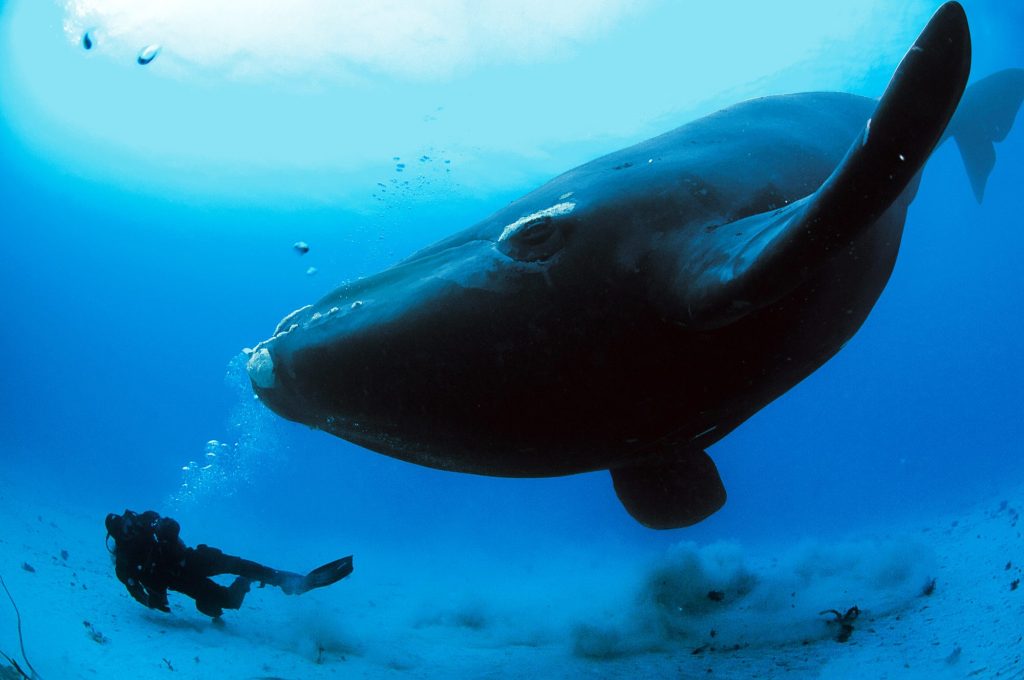
Over the past several decades, conservation efforts aimed at protecting the Southern Right Whale have been largely successful in improving the species’ population numbers. As a result of the international ban on commercial whaling, the Southern Right Whale population has shown signs of recovery. Estimates suggest that there are now approximately 13,000 to 15,000 Southern Right Whales living in the wild, a significant increase from the tens of individuals that remained in the mid-20th century.
Many coastal regions that serve as breeding grounds for the Southern Right Whale have been designated as marine protected areas, where commercial fishing, shipping, and other human activities are restricted or carefully regulated to minimize their impact on the whales. These conservation zones assist in preserving the ground, in which the whales breed and care about their little ones, as well as supply them with the secure space to grow up their little ones.
In addition to protected areas, research and monitoring programs have been set up to track the migration patterns, health, and population numbers of Southern Right Whales. It is through these programs that quality information in terms of data that can guide issues of conservation to save the species in a long term basis. Nevertheless, there are still issues, especially those associated with entanglement in fishing gear, ship strikes, and habitat degradation. Additional mitigation measures are critical to continuing the positive population trend of the species.
Conclusion
The Southern Right Whale is a true marvel of the ocean, with its impressive size, unique appearance, and fascinating migratory patterns. The species has been resilient, despite decades of exploitation, it is currently on the road to recovery, partly due to the work of international conservation groups. From its playful behavior to its vital role in marine ecosystems, the Southern Right Whale is an inspiring example of the power of nature to bounce back when given a chance.
As we continue to learn more about the Southern Right Whale and other marine species, it is essential that we prioritize conservation and protection efforts to ensure the survival of these incredible creatures. By respecting and safeguarding their habitats, we can help ensure that future generations will be able to experience the wonder and majesty of the Southern Right Whale in the wild.
In conclusion, the facts about the Southern Right Whale demonstrate the importance of these creatures in our world’s ecosystems and underscore the need for continued conservation efforts to protect these awe-inspiring animals.