Frederick Courteney Selous remains one of the most iconic figures in the history of African exploration. Known for his courage, deep knowledge of the wilderness, and evolving views on wildlife, Selous lived a life that bridged adventure and early conservation thinking.
His story is not just about hunting or exploration; it is about a man who immersed himself in the African landscape and, over time, came to understand the importance of preserving it. From his early days in England to his final moments during World War I, Selous built a legacy that continues to influence how Africa’s natural heritage is viewed today.
Early Life and Passion for Nature
Born on December 31, 1851, in London, Selous grew up in a family that valued education, curiosity, and scientific inquiry. His father, Samuel James Selous, played a significant role in nurturing his interest in the natural world.
From a young age, Selous displayed a fascination with wildlife and outdoor exploration. He spent much of his childhood observing nature in the English countryside, developing sharp tracking skills and a deep appreciation for animals. These early experiences laid the foundation for a life that would later unfold across the vast landscapes of Africa.
At just 18 years old, driven by ambition and curiosity, he made a bold decision to travel to Africa—an experience that would define his entire life.
Journey into the African Wilderness
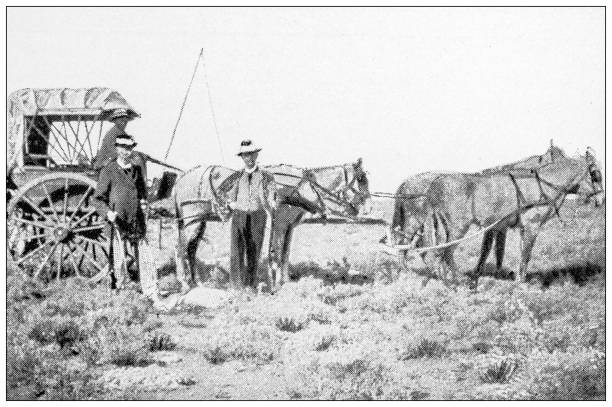
In 1871, Selous arrived in Cape Colony, marking the beginning of his African journey. Initially drawn by the prospect of becoming a professional hunter, he quickly expanded his pursuits to include exploration, mapping, and natural history.
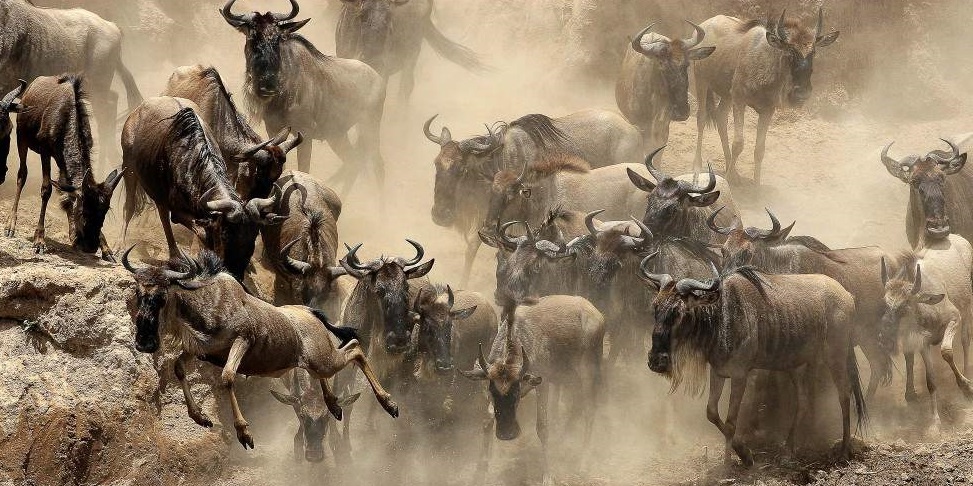
His travels took him across regions that are now part of Zimbabwe, Tanzania, and Mozambique. These areas were largely undocumented by Europeans at the time, making his expeditions both challenging and historically significant.
Selous became known for his resilience and skill in navigating harsh environments. He encountered dangerous wildlife, unpredictable weather, and unfamiliar terrain, yet he persisted. His ability to survive and thrive in such conditions earned him a reputation as one of the most capable explorers of his era.
Contributions to Exploration and Hunting
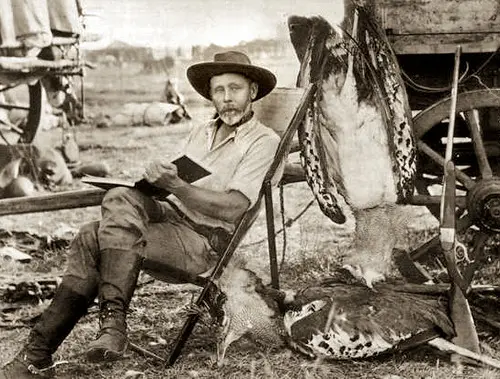
Selous gained widespread recognition as a big-game hunter, but his contributions went far beyond hunting. He meticulously documented his experiences, providing valuable insights into African ecosystems and animal behavior.
His most famous work, A Hunter’s Wanderings in Africa, became a classic in exploration literature. It offered readers a detailed account of African wildlife, landscapes, and the realities of life in the wilderness.
Beyond writing, Selous played a crucial role in mapping parts of East and Southern Africa. His observations helped future explorers and laid the groundwork for geographical and ecological understanding of the region.
He was not only a hunter but also a naturalist. His careful study of animals and their habitats contributed to early scientific knowledge, earning him respect from organizations such as the Royal Geographical Society.
Influence on Wildlife Conservation
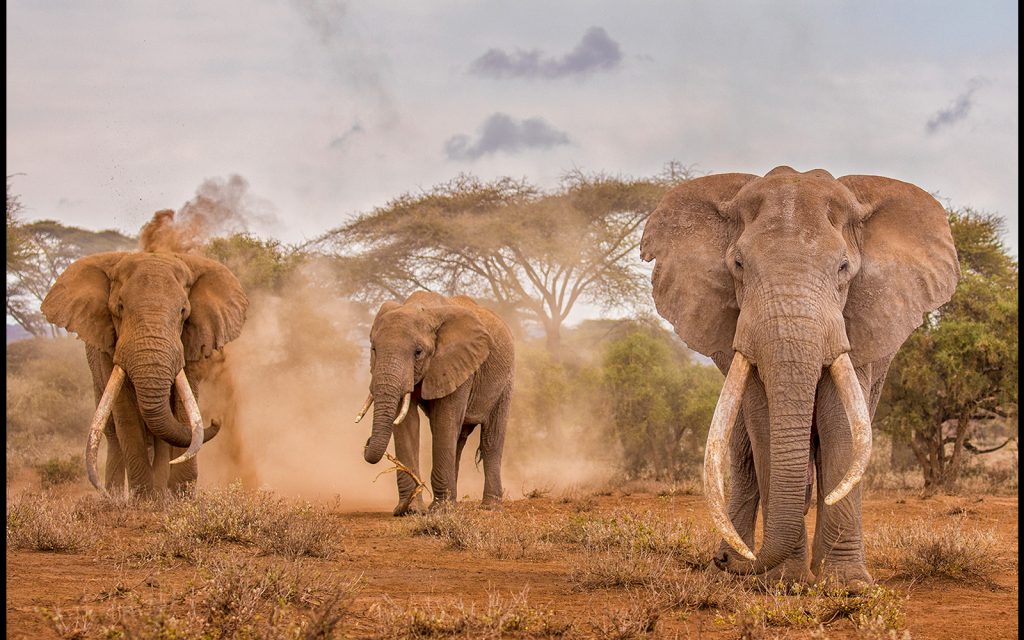
As time passed, Selous began to recognize the impact of human activity on Africa’s wildlife. The expansion of colonial settlements and increased hunting pressure led to declining animal populations, particularly elephants and rhinoceroses.
This realization marked a turning point in his life. Selous transitioned from being primarily a hunter to an advocate for conservation. He supported the establishment of protected areas and emphasized the importance of sustainable practices.
His ideas were ahead of his time. He believed that:
- Wildlife needed protected habitats to survive
- Hunting should be regulated and responsible
- Conservation could coexist with controlled human activity
These principles helped shape early conservation efforts in Africa and continue to influence modern wildlife management today.
Final Years and Death
During World War I, Selous once again demonstrated his sense of duty and adventure. Despite being in his sixties, he joined the British Army and served in East Africa.
He was deployed to regions that are now part of Tanzania, where he took part in military operations against German forces. On January 4, 1917, Selous was killed by a sniper while leading a reconnaissance mission.
His death marked the end of an extraordinary life—one defined by courage, exploration, and an enduring connection to the African wilderness.
Legacy and Lasting Impact
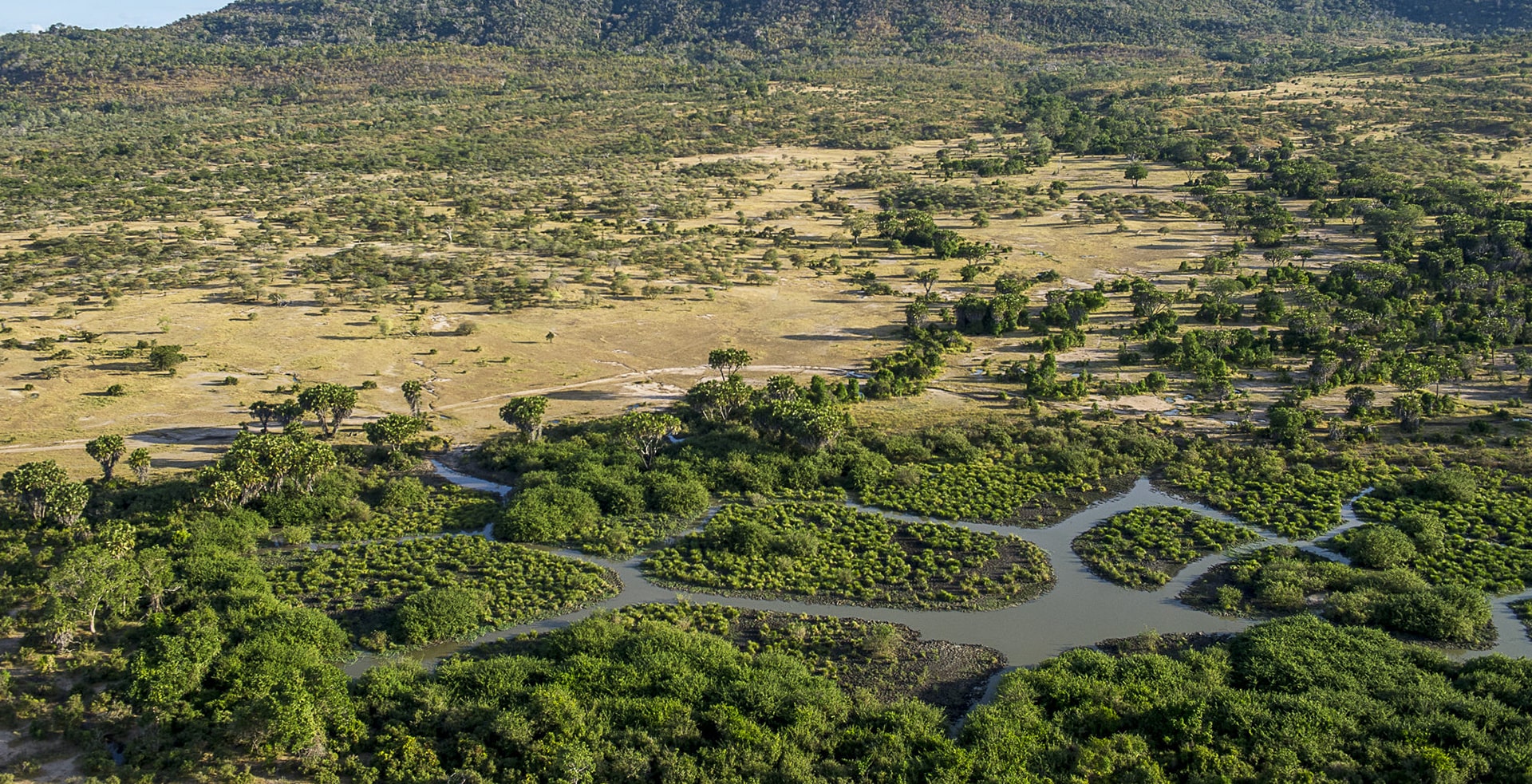
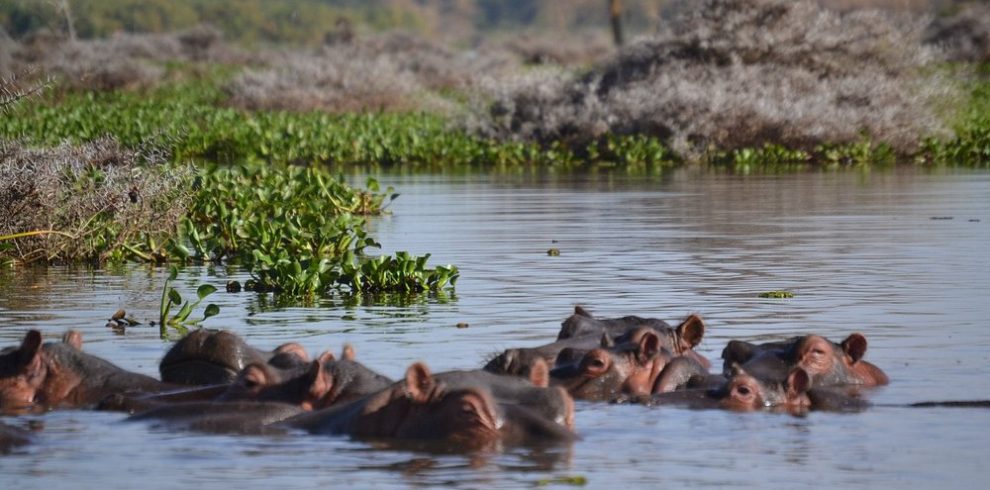
Selous’s legacy lives on through one of Africa’s largest protected areas, the Selous Game Reserve (now part of the Nyerere National Park ecosystem). Spanning tens of thousands of square kilometers, it remains a sanctuary for elephants, lions, wild dogs, and countless other species.
His influence extends beyond geography. Selous helped shape the transition from exploitation to conservation—a shift that remains central to how wildlife is protected today.
While his early career as a hunter is often debated, it is balanced by his later efforts to promote sustainability and preservation. His life reflects a broader historical transformation in how humans relate to nature.
Conclusion
The story of Frederick Courteney Selous is one of evolution, resilience, and lasting impact. From a young explorer driven by adventure to a conservation advocate concerned about the future of wildlife, his journey mirrors the changing relationship between humanity and the natural world.
Today, his legacy serves as both inspiration and reflection. It reminds us that exploration and conservation can coexist—and that protecting the natural world is a responsibility that grows with understanding.