Driving in Africa is a unique adventure that blends beautiful nature, rich culture, and unpredictable road networks. From the open roads of South Africa to the winding rural routes of Kenya and the busy streets of Morocco, having your own vehicle provides unparalleled freedom. However, driving across the continent comes with its own set of challenges – namely, fuelling up and finding safe, convenient parking.
This comprehensive guide covers everything you need to know about fuelling strategies, petrol station tips, local parking regulations, and security advice. It is intended to help travellers, expats, and long‑term residents drive with ease, safety, and confidence across Africa.
Understanding Fueling in Africa
Fuelling a vehicle in Africa is not always as straightforward as in other parts of the world. While modern petrol stations are common in cities, they may be scarce in rural or remote areas. Understanding local fuel habits is essential to avoid running out of fuel or paying inflated prices.
Fuel Types
Most vehicles in Africa use petrol (gasoline) or diesel. However, there are regional variations:
- South Africa: Petrol and diesel are widely available, including unleaded and premium grades.
- Kenya and Tanzania: Petrol and diesel dominate; ethanol blends are less common.
- Morocco and Egypt: Standard unleaded petrol and diesel are available; LPG can be found in some towns.
- West Africa (Nigeria, Ghana, etc.): Petrol and diesel are standard, but supply may be irregular in remote locations.
Always verify the fuel type before filling. Using the wrong fuel can cause expensive engine damage.
Fuel Stations Across Africa
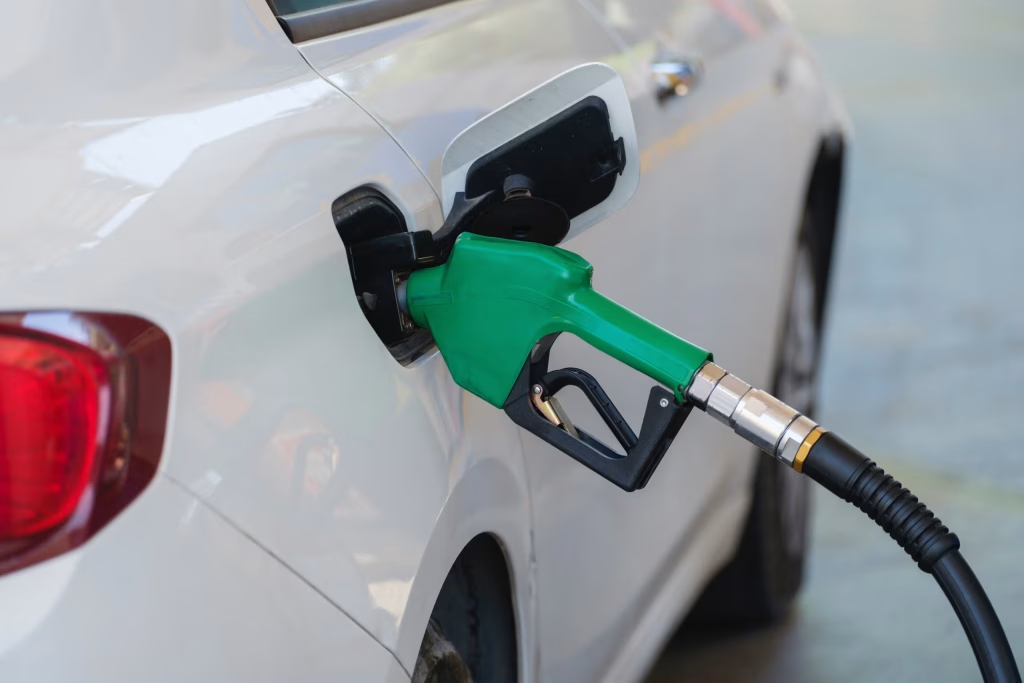
Fuel station availability varies significantly by region:
- Urban Areas: Modern stations with self‑service pumps, convenience stores, and ATMs are common.
- Highways: Stations are typically spaced 50 to 150 kilometres apart, often with restaurants and restrooms.
- Rural and Remote Areas: Small fuel depots or local vendors may sell petrol from containers. Some roads have no stations for 200 kilometres or more.
Plan your fuel stops in advance, especially in countries like Namibia, Botswana, and rural Tanzania where stations are far apart.
Fuel Prices and Payment Methods
Fuel prices in Africa are influenced by taxation, import costs, and global oil prices:
- South Africa: Prices are generally lower than many African nations and are updated weekly.
- Kenya and Tanzania: Regulated prices, though rural stations may charge slightly more.
- Nigeria and Ghana: Prices can be subject to subsidies and exchange rate fluctuations.
Payment tips:
- Rural stations often prefer cash.
- City stations may accept debit or credit cards, but international cards can sometimes be blocked.
- Carry small bills and coins for tolls and minor purchases.
Fuel Efficiency and Trip Planning
Several factors affect fuel consumption:
- Vehicle type: SUVs and 4x4s consume more fuel than compact cars.
- Road conditions: Gravel, sand, or hilly roads increase fuel use.
- Speed management: Moderate, steady speeds save fuel.
- Extra fuel: Carry a certified jerrycan for long journeys through areas with no stations.
Plan fuel stops based on your route, distance, and vehicle type to avoid emergencies in isolated areas.
Safe Fueling Tips
- Choose reputable brands or city‑centre stations for better fuel quality.
- Avoid topping up in remote or unregulated areas where fuel may be contaminated.
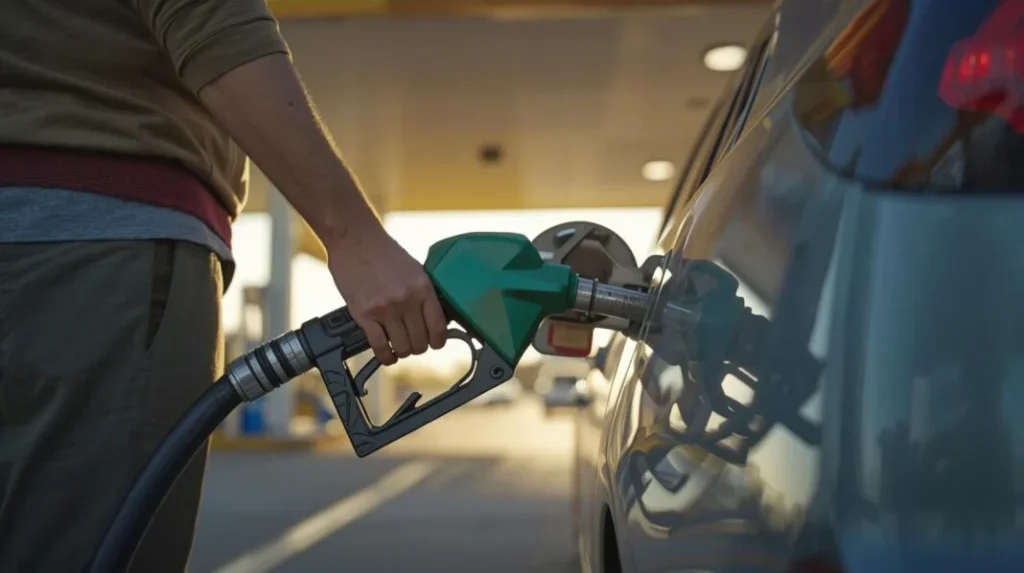
- Switch off your engine while fuelling to prevent fire hazards.
- Lock your car doors when getting fuel, even at busy stations.
- Be aware of petty theft in poorly lit or unattended stations.
Understanding Parking in Africa
Parking rules and availability vary widely across African cities, tourist destinations, and rural areas. Knowing local parking regulations helps you avoid fines, towing, or vehicle damage.
Urban Parking Challenges
Cities such as Johannesburg, Nairobi, Lagos, Casablanca, and Cairo face:
- High demand with limited street parking.
- Paid parking zones using meters or parking attendants.
- Increased risk of theft or vandalism in crowded or poorly patrolled areas.
Tips:
- Use designated parking lots rather than street parking.
- Lock valuables in the boot or take them with you.
- Keep small bills for parking fees.
Airport Parking
Major airports across Africa typically offer:
- Long‑term and short‑term parking facilities.
- Security surveillance at large airports (e.g., OR Tambo in South Africa, Jomo Kenyatta in Kenya).
- Shuttle services from parking areas to terminals.
Book parking in advance during peak travel seasons to secure a safe spot.
Hotel and Lodge Parking
Most hotels, lodges, and guesthouses provide:
- Free or paid parking for guests.
- Gated lots and security guards in high‑risk areas.
- Space for larger vehicles such as SUVs and minibuses.
Always confirm parking availability when making a reservation, especially in cities or near safari lodges.
Parking at Tourist Destinations
Popular sites like Table Mountain in Cape Town or the Maasai Mara in Kenya usually have designated parking areas.
- Do not park in unmarked spots; you may be fined or towed.
- In safari parks, follow the instructions of park rangers. Some areas have no‑parking zones.
Rural and Off‑Road Parking
When parking in the bush or remote areas:
- Choose flat, firm ground to avoid getting stuck.
- Avoid soft sand or mud unless you have a 4×4 vehicle.
- Never leave your car unlocked or valuables visible.
Technology and Apps for Fuel and Parking
Digital tools have made driving and parking in Africa easier:
- Fuel locator apps: Petrolprices.co.za (South Africa), GasBuddy, or local petroleum company apps.
- Navigation apps: Google Maps, Waze, and Maps.me can locate stations and parking areas.
- Parking apps: Some cities, like Cape Town, offer real‑time parking availability and payment via app.
- Trip planning apps: Integrate fuel, parking, and rest stops for long journeys.
Download offline maps for areas with poor network connectivity.
Safety Considerations
Driving in Africa requires vigilance:
- Avoid night driving due to poor visibility and the risk of wildlife on roads.
- Always park in marked, secure lots in high‑crime areas.
- Stay aware of your surroundings – pickpocketing and opportunistic theft can occur in both urban and rural settings.
- Use steering locks, activate alarms, and always lock doors.
Country‑Specific Insights
South Africa
- Fuel stations are plentiful on highways.
- Toll roads are common; carry cash or an electronic tag.
- Secure, monitored parking garages exist in major cities.
Kenya
- Fuel stations along highways and towns; fewer in remote safari areas.
- Cash is preferred at rural stations.
- Parking in Nairobi can be difficult – rely on hotel parking or secure lots.
Morocco
- Urban parking is regulated; attendants may collect fees.
- Highway service stations are modern, with cafes and toilets.
- Remote roads may have few stations – carry extra fuel.
Namibia and Botswana
- Very few fuel stations in desert and rural areas.
- Long distances between towns require careful fuel planning.
- Lodge and campsite parking is usually secure and included.
Insider Tips for Hassle‑free Fueling and Parking
- Research fuel station locations and operating hours along your route before departure.
- Refuel early – never let your tank run low in remote areas.
- Carry cash – not all rural stations or parking attendants accept cards.
- Prefer monitored parking lots or hotel parking whenever possible.
- Never leave valuables inside the car, and always lock your vehicle.
- Check local rules for metered parking, no‑parking zones, and overnight regulations.
- Stop only at well‑lit stations and avoid dark or isolated spots.
Conclusion
Fueling up and parking in Africa require caution, local knowledge, and practical planning. While the continent offers some of the world’s most rewarding road trips, drivers must contend with long distances between fuel stations, unpredictable road conditions, and urban parking challenges. Understanding local fuel types, station availability, payment options, and parking regulations makes travel safer and more efficient for both visitors and residents.
Key takeaways:
- Always plan fuel stops, especially in remote regions.
- Carry cash and emergency fuel.
- Park in secure, monitored areas whenever possible.
- Use apps for navigation, fuel locating, and parking.
- Stay aware of road conditions, local laws, and safety concerns.
With preparation, knowledge, and vigilance, driving across Africa can be an enjoyable and stress‑free experience. Whether you are on city highways, rural tracks, or remote country paths, mastering the logistics of fueling and parking is essential for a smooth and pleasant journey.