Planning a trip to Africa is an exciting experience, filled with thoughts of diverse cultures, stunning landscapes, wildlife, and vibrant cities. However, before booking flights or packing your bags, one of the most critical steps is getting your Africa travel documents in order. Travel documentation can determine whether you enjoy a smooth journey or face unforeseen challenges at immigration checkpoints. From passports and visas to vaccination certificates and supporting paperwork, understanding the requirements is essential for a stress‑free travel experience.
This comprehensive guide is designed for first‑time travellers, frequent explorers, students, tourists, and business travellers. By the end of this article, you will feel confident, well‑informed, and fully prepared to meet Africa’s entry requirements.
Understanding the Travel Documentation Landscape in Africa
Africa is a vast continent comprising 54 countries, each with its own immigration regulations and entry policies. Unlike travel within regions such as the Schengen Area, travelling to Africa requires country‑specific documentation. This is why early preparation is crucial when getting your Africa travel documents in order.
Some African countries allow visa‑free entry for certain passport holders, others offer visas on arrival, and many require visitors to obtain a visa before travelling. Documentation can also vary depending on the purpose of travel – tourism, business, study, or work. Knowing the visa requirements for your destination allows you to plan ahead without last‑minute surprises.
Essential Documents for Travelling to Africa

1. Valid Passport
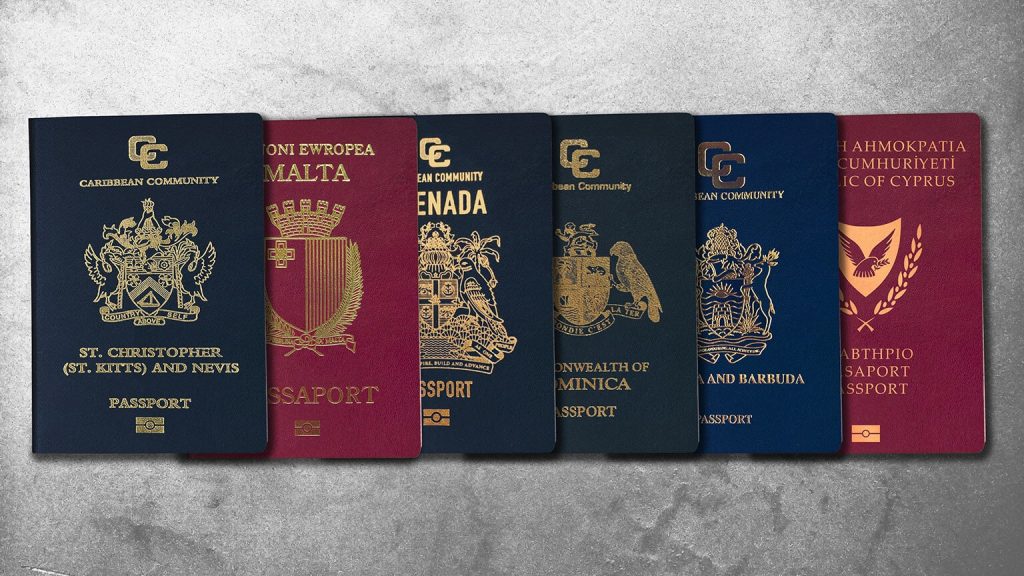
The most important travel document is your passport. Most African countries require:
- A passport valid for at least six months beyond your intended travel date.
- At least two to four blank pages for entry and exit stamps.
Immigration authorities may deny entry if your passport does not meet these requirements. This is a foundational step in getting your Africa travel documents right.
2. Visa Requirements
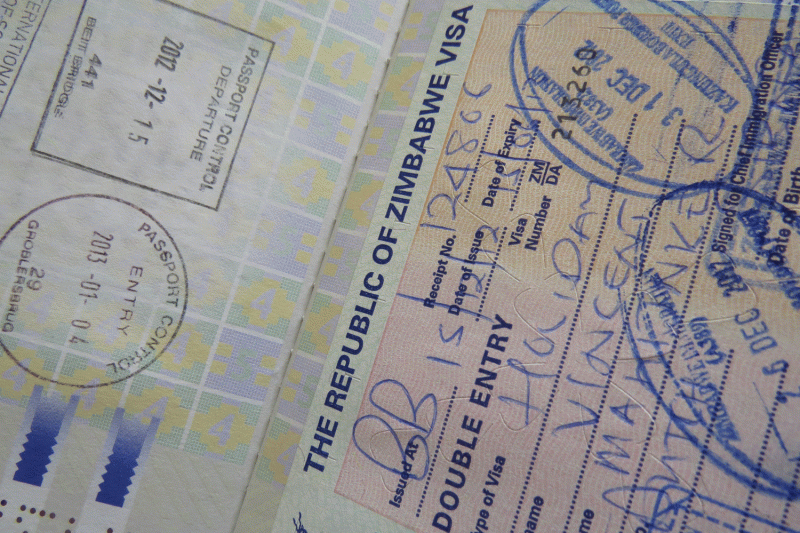
Visa policies vary widely across Africa. Some countries permit visa‑free travel for certain nationalities, while others require an application. Understanding Africa travel visa requirements is critical to avoid delays or entry refusals.
Common visa types include:
- Tourist visas
- Business visas
- Student visas
- Transit visas
Many African countries now offer e‑visas, making the application process more convenient by allowing online submission.
3. Proof of Accommodation and Return Ticket
Most African immigration authorities require travellers to present:
- Hotel bookings or a letter of invitation from a host.
- A return ticket or onward ticket.
These documents demonstrate that you do not intend to overstay your visa.
4. Proof of Funds
Visitors may be required to show they have sufficient funds to support themselves during their stay. Acceptable proof can include:
- Bank statements
- Credit card statements
- Cash declarations
This requirement helps border officials assess your ability to cover your expenses.
Vaccination and Health Records
Health documentation is an increasingly important part of getting your Africa travel documents, especially when travelling across multiple countries.
Yellow Fever Vaccination Certificate
Many African countries require proof of yellow fever vaccination, particularly if you are arriving from a country where the disease is endemic. The International Certificate of Vaccination or Prophylaxis (ICVP) is the standard document.
COVID‑19 and Other Health Requirements
Although COVID‑19 restrictions have been reduced in most areas, some countries may still ask for:
- Proof of vaccination
- Health declaration forms
Always check current health regulations before travelling, as Africa travel visa requirements can change based on public health situations.
Travel Insurance and Supporting Paperwork

Travel insurance is not always mandatory, but it is strongly recommended and sometimes required. Insurance typically covers:
- Medical emergencies
- Trip cancellations
- Lost baggage
- Emergency evacuations
Some African embassies require proof of travel insurance during visa applications, making it an important part of getting your Africa travel documents.
Step‑by‑Step Preparation Guide
Research Your Destination Country
Begin by investigating the specific entry requirements for the country you plan to visit. Government immigration websites and embassy pages are the most reliable sources.
Apply Early
Visa processing times can range from a few days to several weeks. Applying early reduces stress and allows time to correct any mistakes.
Organise Your Documents
Create both hard copies and electronic copies of all your documents, including:
- Passport
- Visa approval
- Vaccination certificates
- Travel insurance
- Flight itinerary
This organisation is key to getting your Africa travel documents efficiently.
Check Entry Requirements for Transit Countries
You may be passing through other African countries or international hubs. Verify whether you need transit visas – this step is often overlooked but very important.
Common Mistakes to Avoid
Many travellers encounter avoidable errors. Avoid these common mistakes:
- Applying for the wrong visa type
- Submitting applications with missing information
- Ignoring passport validity requirements
- Assuming that all African countries have the same entry rules
Paying close attention to details will help you successfully navigate Africa travel visa requirements.
Regional Travel Agreements in Africa
Africa has made progress in streamlining travel through regional agreements. For example:
- ECOWAS allows visa‑free movement among member countries in West Africa.
- The East African Tourist Visa permits travel across Kenya, Uganda, and Rwanda on a single visa.
These agreements can simplify getting your Africa travel documents, especially for multi‑country trips.
Business and Long‑Term Travel Documentation
For travel involving work, study, or extended stays, documentation requirements are more elaborate. They may include:
- Work permits
- Student visas
- Sponsorship letters
- Police clearance certificates
These applications typically take longer, so early preparation is essential.
Online Resources and Embassy Assistance
Many African countries now offer digital visa services. E‑visas reduce paperwork and processing times, making getting your Africa travel documents more convenient than ever.
Embassies and consulates are also valuable resources. If you have doubts, contacting them directly can clarify confusing details and help you avoid errors.
The Importance of Proper Documentation
Having the correct documentation ensures:
- Smooth airport check‑ins
- Stress‑free border crossings
- Legal compliance during your visit
- Peace of mind throughout your journey
Failure to meet documentation standards can lead to denied boarding, deportation, or fines.
Pre‑Departure Checklist
Before leaving, confirm that you have:
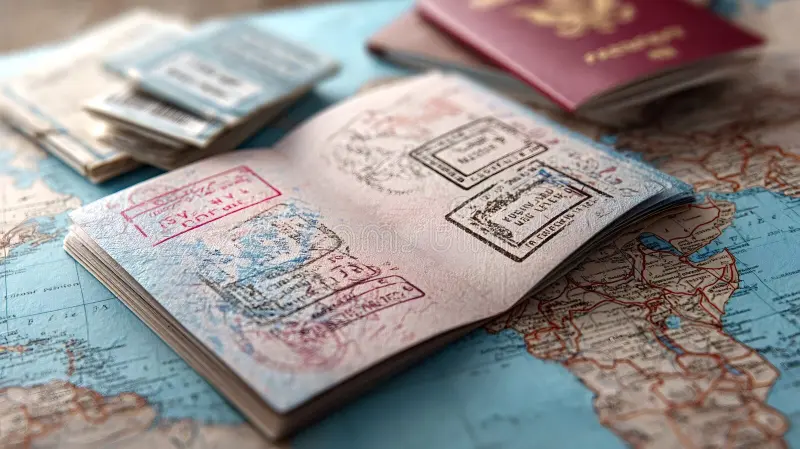
- A valid passport
- An approved visa (if required)
- Vaccination certificates
- Travel insurance documents
- Accommodation details
- A return or onward ticket
This checklist supports a seamless experience when getting your Africa travel documents.
Conclusion
Travelling to Africa is a rewarding and unforgettable experience, but it begins long before you arrive. Getting your Africa travel documents is the foundation of a smooth journey, ensuring compliance with immigration laws, health regulations, and entry requirements. Understanding visa policies, preparing health documents, organising paperwork, and applying early are essential steps to reduce stress and travel with confidence.
Whether you are visiting Africa for tourism, business, education, or adventure, mastering the process of getting your Africa travel documents allows you to focus on what truly matters – exploring the continent’s beauty, culture, and opportunities. With proper planning and attention to detail, your African journey will start on the right path and leave you with lasting memories.