
Experience Gishwati Mukura, Beyond Your Imagination
Discover immersive, nature-driven safaris in Gishwati Mukura, thoughtfully crafted through decades of expertise and strong local relationships. Each journey is carefully designed to create meaningful connections—benefiting travellers, preserving the environment, and uplifting the communities that depend on it.
25+ years of expertise in 15 Africa Countries
1000+ thoughtfully selected travel partners
200,000+ travellers, many of whom return year after year

Why Travel With Exodussafaris?
25 Years of Safari Expertise
With more than two decades of hands-on experience, we design tailored African safaris built on deep regional insight and trusted local partnerships.
We Know Because We Go
Our long-standing presence across Africa gives us unmatched, first-hand knowledge of destinations, accommodations, unique experiences, and lesser-known treasures.
24/7 Support
From the moment you reach out to the day you return home, we provide round-the-clock assistance, ensuring every detail is handled seamlessly with the support of reliable local partners.
Every Adventure Makes a Difference
Each journey contributes to the protection of ecosystems and supports local communities, helping create a sustainable future for both people and wildlife.
Complete Financial Protection
You can travel with confidence knowing your investment is secure, backed by strong financial safeguards and trusted operational standards.
World-Class Recognition, Trusted by Travellers
Celebrated by leading travel authorities and valued by our guests, our reputation is built on consistently delivering exceptional safari experiences.
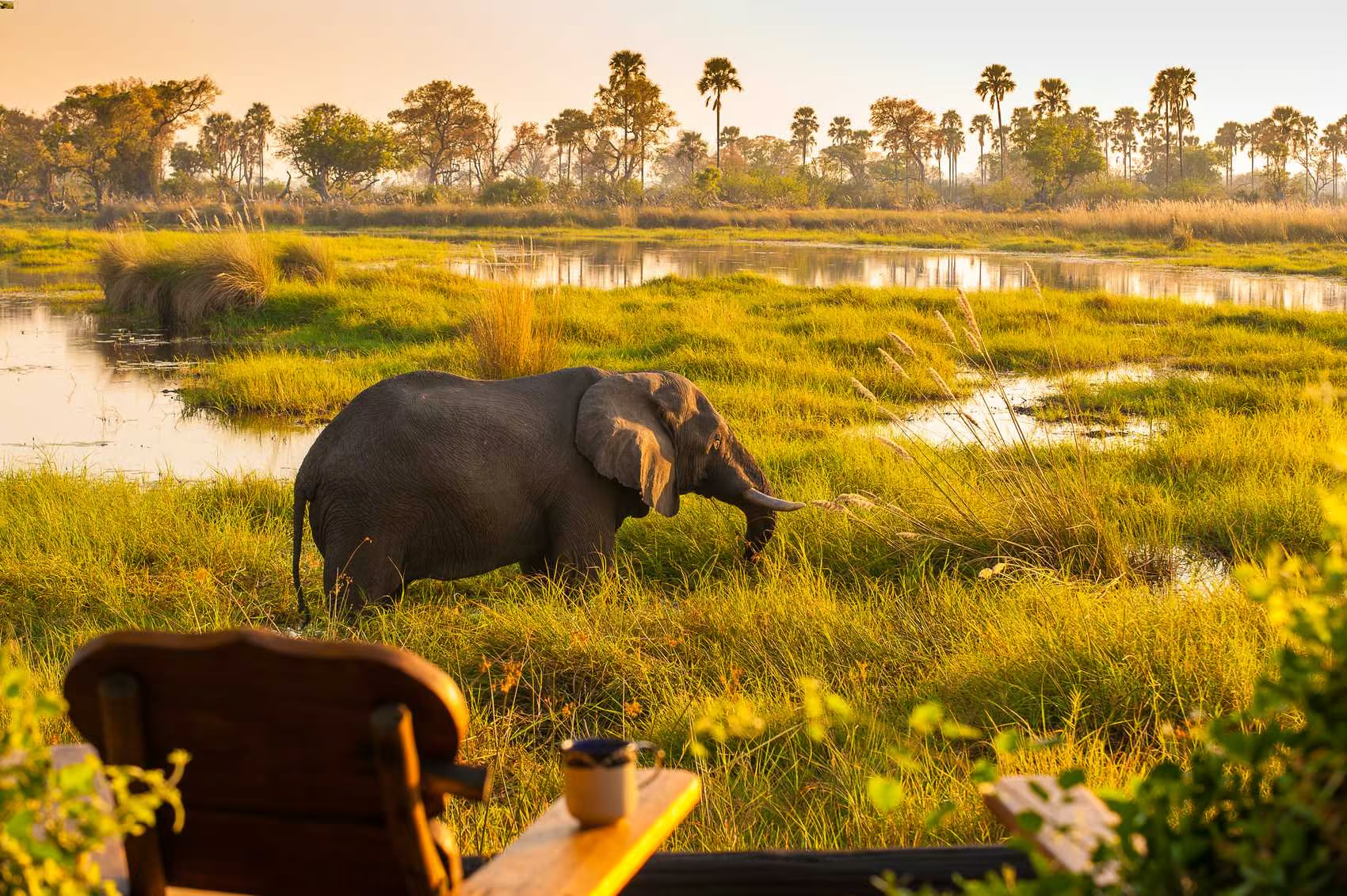
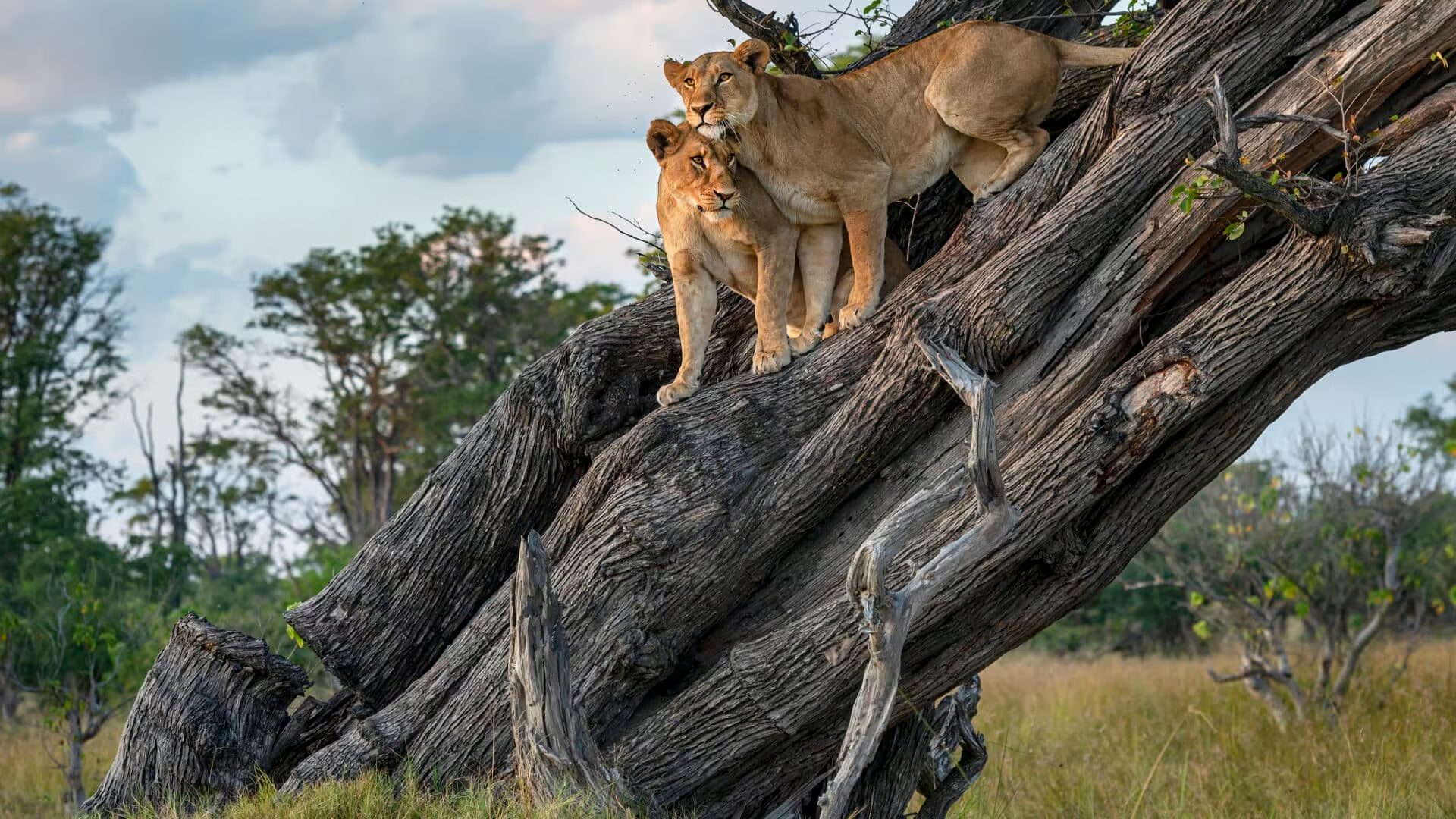
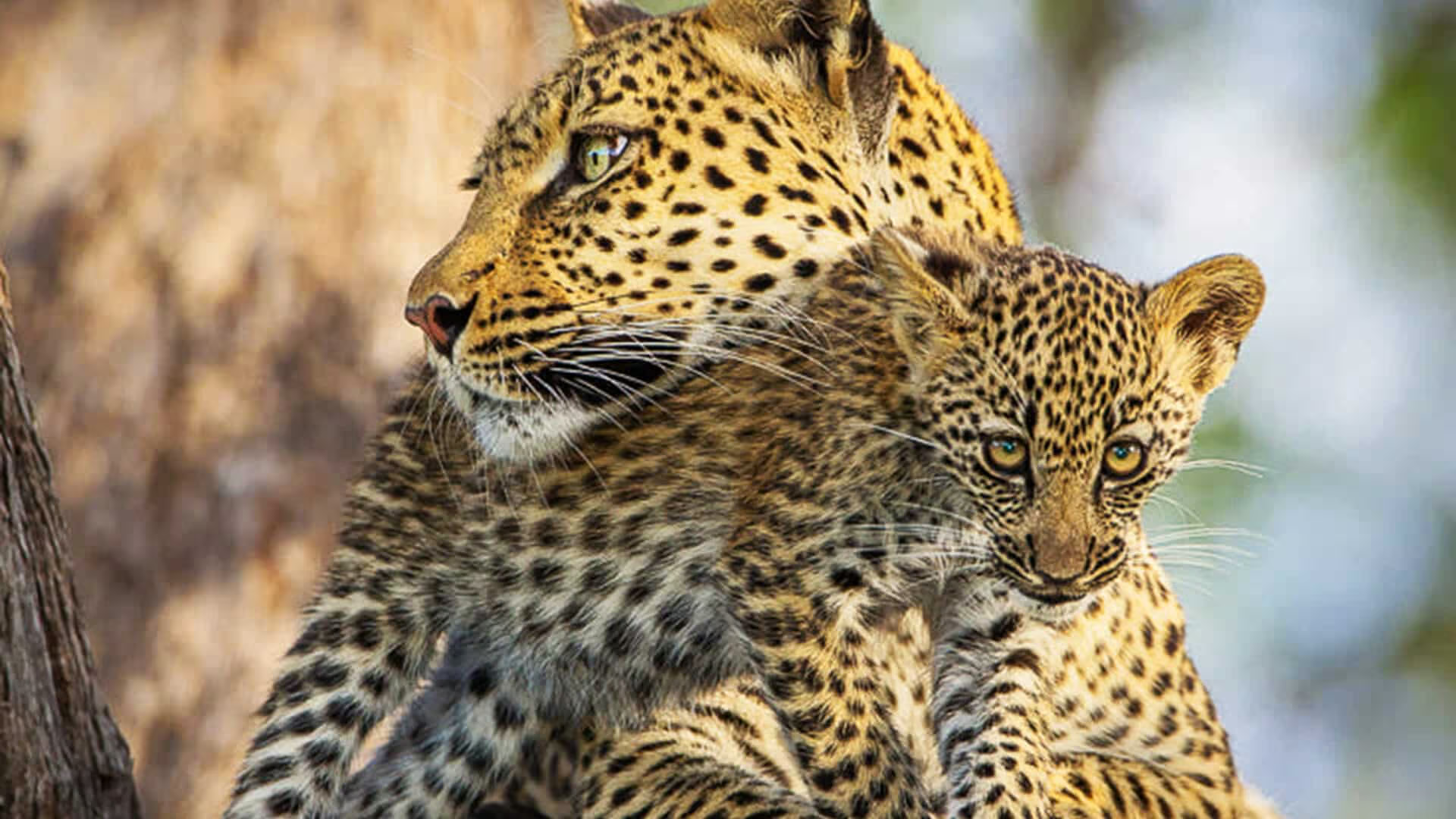
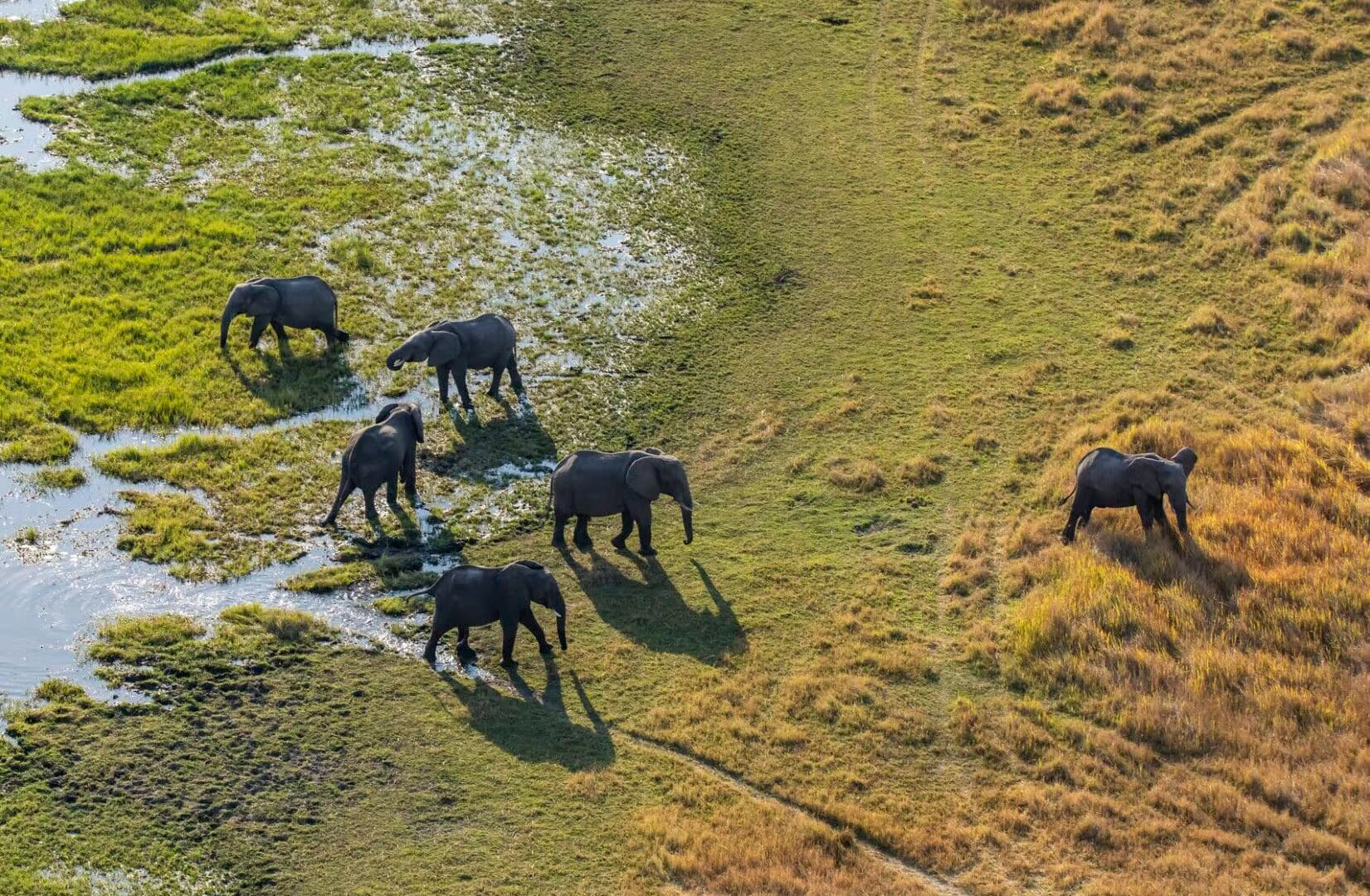
Gishwati Mukura Gallery
Where To Go In Gishwati Mukura
Gishwati Mukura offers a surprisingly diverse range of natural and cultural highlights, making it a rewarding destination with many unique places to explore.
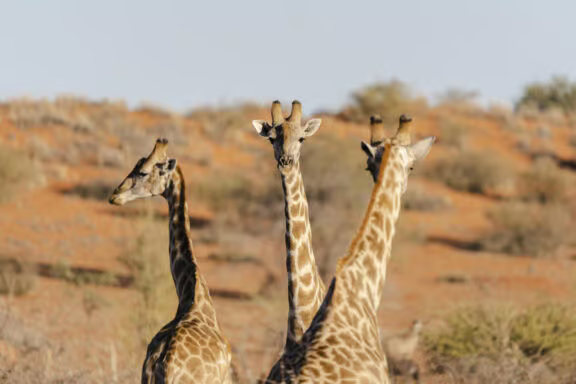
Gishwati Forest
This lush rainforest is the heart of the park, offering dense canopies and rich biodiversity. Visitors can enjoy guided walks through towering trees while spotting primates and rare bird species. The forest is especially known for its chimpanzee population and tranquil atmosphere. It provides an immersive escape into untouched nature.
Mukura Forest
Mukura Forest presents a quieter and more remote experience within the park. It is less frequented, making it ideal for those seeking solitude and raw wilderness. The forest features rolling hills, scenic trails, and diverse flora. Birdwatchers will find it particularly rewarding.
Chimpanzee Trekking Zones
These designated areas allow visitors to track chimpanzees in their natural habitat. Guided treks offer a chance to observe these intelligent primates up close. The experience is both thrilling and educational. It highlights conservation efforts within the park.
Waterfall Trails
Hidden waterfalls tucked within the forest create serene and picturesque settings. The trails leading to them are scenic and filled with wildlife encounters. The sound of cascading water enhances the experience. It’s a perfect spot for photography and relaxation.
Canopy Viewpoints
Elevated viewpoints provide sweeping vistas of the forest landscape. These spots are ideal for appreciating the scale and beauty of the park. Visitors can enjoy sunrise or sunset views over the rolling hills. It’s a peaceful way to connect with nature.
Birdwatching Sites
Gishwati Mukura is a haven for bird enthusiasts, with numerous designated birdwatching areas. The park hosts both endemic and migratory species. Early mornings offer the best sightings. Guides help identify rare and colorful birds.
Nature Walking Trails
Well-maintained trails wind through different ecosystems within the park. These walks allow visitors to explore at a relaxed pace. Along the way, you may encounter monkeys, butterflies, and unique plant life. Each trail offers a slightly different experience.
Community Cultural Villages
Nearby communities offer cultural experiences that complement the safari. Visitors can learn about traditional lifestyles, crafts, and local customs. These visits support community development. They add a meaningful human connection to the journey.
Tea Plantation Views
Surrounding tea plantations create scenic contrasts with the forest. Visitors can enjoy panoramic views of neatly arranged tea fields. The landscapes are especially striking in the morning light. It’s a great opportunity for photography.
Forest Edge Picnic Spots
Designated picnic areas along the forest edge provide relaxing breaks during exploration. These spots are surrounded by natural beauty and fresh air. They are perfect for unwinding after a trek. Some locations also offer great wildlife viewing.
Primate Observation Areas
Apart from chimpanzees, the park hosts other primates like golden monkeys and blue monkeys. Specific zones allow for easier sightings. Guides help track and interpret primate behavior. These encounters are both fun and informative.
Eco-Tourism Lodges
Lodges within and around the park offer eco-friendly accommodation. Staying here enhances the immersive experience. Many lodges provide guided activities and forest views. They combine comfort with sustainability.
Scenic Hiking Routes
For adventure seekers, the park offers more challenging hiking routes. These trails pass through hills and dense vegetation. The hikes are rewarding with stunning viewpoints. They cater to both beginners and experienced hikers.
Conservation Project Sites
Visitors can learn about ongoing conservation initiatives within the park. These sites showcase efforts to restore ecosystems and protect wildlife. Guided visits provide deeper insights. It’s an inspiring aspect of the safari experience.
Best Time To Visit Gishwati Mukura
The best time to visit Gishwati Mukura is during the dry seasons from June to September and December to February, when trails are more accessible and wildlife viewing is at its best.
Gishwati Mukura Safari in January
January is part of the short dry season, making it an excellent time to visit. Trails are relatively easy to navigate, and wildlife activity is consistent. Birdwatching is particularly rewarding as migratory species are present. The weather is generally warm with occasional light showers.
Gishwati Mukura Safari in February
February continues the favorable dry conditions, offering clear paths for trekking and exploration. Wildlife sightings remain strong, especially for primates. The forest is lush from earlier rains, creating beautiful scenery. It is a great month for both photography and hiking.
Gishwati Mukura Safari in March
March marks the beginning of the long rainy season. Trails can become muddy and challenging to navigate. However, the forest becomes incredibly vibrant and green. Birdwatching improves as species become more active. It’s a quieter time with fewer visitors.
Gishwati Mukura Safari in April
April experiences peak rainfall, making travel conditions more difficult. Some areas may be harder to access due to slippery trails. Despite this, the park is at its most lush and scenic. It’s ideal for travelers who enjoy solitude and dramatic landscapes.
Gishwati Mukura Safari in May
Rainfall begins to ease toward the end of May. The forest remains green and full of life. Wildlife is still active, though trekking can be slightly challenging. Visitor numbers are low, offering a more private experience.
Gishwati Mukura Safari in June
June marks the start of the long dry season and is one of the best times to visit. Trails dry out, making trekking easier and more enjoyable. Wildlife viewing improves significantly. The weather is cool and comfortable.
Gishwati Mukura Safari in July
July offers excellent conditions for exploration with minimal rainfall. Chimpanzee trekking is particularly rewarding during this time. The forest is still green but more accessible. It’s a popular month for visitors.
Gishwati Mukura Safari in August
August continues the peak dry season with ideal safari conditions. Wildlife sightings are frequent, and trails remain dry. The weather is pleasant, making it perfect for long walks and hikes. It’s one of the busiest months.
Gishwati Mukura Safari in September
September is still part of the dry season, though occasional showers may begin. Wildlife remains active and easy to spot. The landscapes are slightly greener again. It’s a great balance between accessibility and scenery.
Gishwati Mukura Safari in October
October signals the start of the short rains. The forest begins to regain its lush appearance. Trails may become slightly muddy, but conditions are still manageable. It’s a good time for birdwatching.
Gishwati Mukura Safari in November
November sees increased rainfall, making trekking more challenging. However, the park becomes beautifully green and vibrant. Wildlife is still present, though harder to track. Fewer tourists mean a quieter experience.
Gishwati Mukura Safari in December
December marks the return of drier conditions toward the end of the month. Trails begin to improve, and wildlife viewing becomes easier. The festive season also brings more visitors. It’s a great time for a balanced safari experience.
Our Recommended Activities In Gishwati Mukura
Explore our recommended experiences in Gishwati Mukura and find your perfect way to connect with its natural beauty.
Chief’s Island
Moremi Game Reserve
Makgadikgadi Pans
Chobe National Park and Savuti Marsh
Khwai
Chief’s Island
Our Recommended Activities In Gishwati Mukura
Explore our recommended experiences in Gishwati Mukura and find your perfect way to connect with its natural beauty.
Chief’s Island
Moremi Game Reserve
Makgadikgadi Pans
Chobe National Park and Savuti Marsh
Khwai
Chief’s Island
Safari Lodges, Tented Camps and Villas
in Gishwati Mukura

Savute Elephant Lodge, A Belmond Safari
- Botswana Chobe National Park
Belmond Savute Elephant Lodge is a luxury lodge in Chobe National Park known for its...

Luxury
African Bush Camps Atzaro Okavango Camp
- Botswana
Welcome to Atzaro Okavango, a premier safari destination that offers sustainable luxury in the heart...
Luxury
Cha Cha Metsi
- Botswana Okavango Delta
Explore our most popular safaris in Botswana and experience the magic of its untouched wilderness.cvbcccccccccccccccccccccc
Luxury
What You Need To Know About Gishwati Mukura Safaris
Find everything you need to know to plan your Gishwati Mukura adventure, from travel tips to essential insights for an unforgettable trip.
Gishwati Mukura Food and Tipping Practices
Meals during a Gishwati Mukura safari typically include a mix of local Rwandan cuisine and international dishes, often prepared using fresh, locally sourced ingredients. Lodges cater to various dietary preferences with advance notice. Tipping is appreciated but not mandatory, with small gratuities commonly given to guides, drivers, and lodge staff. It’s best to carry small denominations for convenience.
Gishwati Mukura Food and Tipping Practices
Cost of a Gishwati Mukura Safari
Safari costs vary depending on accommodation level, activities, and duration. Budget options are limited, with most experiences leaning toward mid-range or luxury due to conservation-focused tourism. Costs typically include park fees, guided activities, meals, and lodging. Chimpanzee trekking permits can significantly influence the overall price.
Cost of a Gishwati Mukura Safari
Packing List for Gishwati Mukura
Pack lightweight, breathable clothing suitable for hiking, along with a waterproof jacket due to unpredictable rain. Sturdy walking shoes are essential for forest trails. Include insect repellent, sunscreen, and a hat for protection. Binoculars and a camera are highly recommended for wildlife viewing. A small backpack is useful for daily excursions.
Packing List for Gishwati Mukura
Climate in Gishwati Mukura
The park has a tropical highland climate, characterized by moderate temperatures and significant rainfall. Temperatures are generally mild, rarely becoming too hot or too cold. Rainfall occurs in two main seasons, influencing trail conditions. The forest remains lush and green throughout the year.
Climate in Gishwati Mukura
Languages in Gishwati Mukura
Kinyarwanda is the primary local language spoken in the region. English and French are also widely used, especially in tourism settings. Guides and lodge staff are typically fluent in English. Communication is generally easy for international visitors.
Languages in Gishwati Mukura
Is Gishwati Mukura Safe?
Gishwati Mukura is considered safe for visitors, particularly when exploring with experienced guides. Rwanda has a strong reputation for safety and well-managed tourism. Standard travel precautions should still be followed. Organized safaris ensure a secure and well-coordinated experience throughout your visit.
Is Gishwati Mukura Safe?
What People Say About Us
We are the leading travel agency offering different programs and higher education diplomas that are designed with global requirements in mind.
Unforgettable Safari Experience!
— Jennifer L., USA
Incredible Service from Start to Finish
— Thomas K., Germany
Wildlife Like You’ve Never Seen!
— Sarah M., Australia
Perfect for First-Time Safari Travelers
— Mark & Ellie B., UK
A Dream Honeymoon!
— Nadia & Carlos R., Spain
Blog and articles
Latest travel tips and blog covering all travel experiences. Check out our mentions in different guides and articles.


Our Trusted Safari Partners in Africa
Latest travel tips and blog covering all travel experiences. Check out our mentions in different guides and articles.