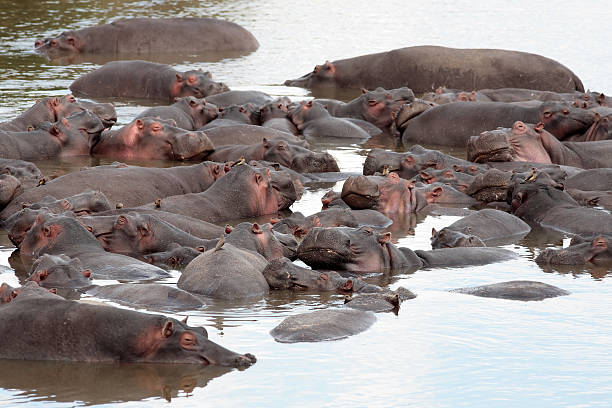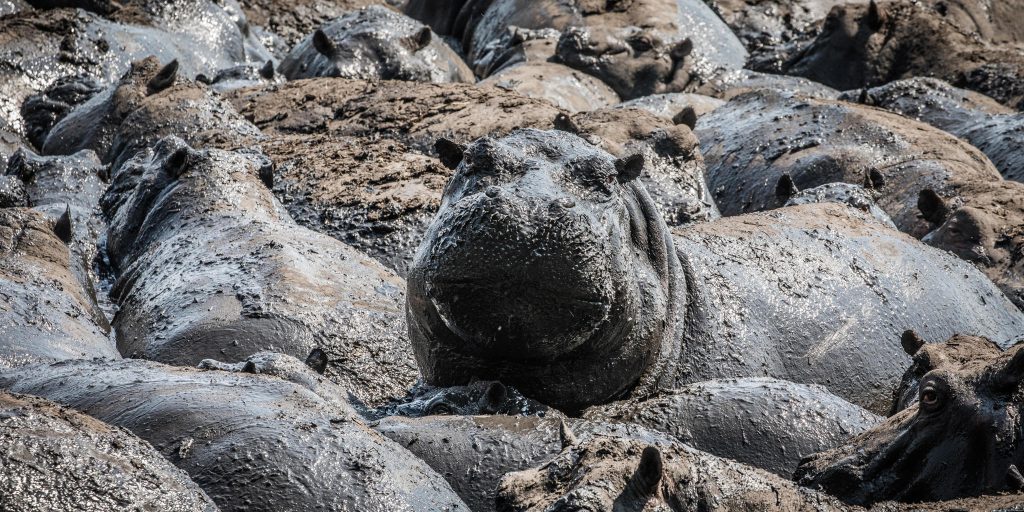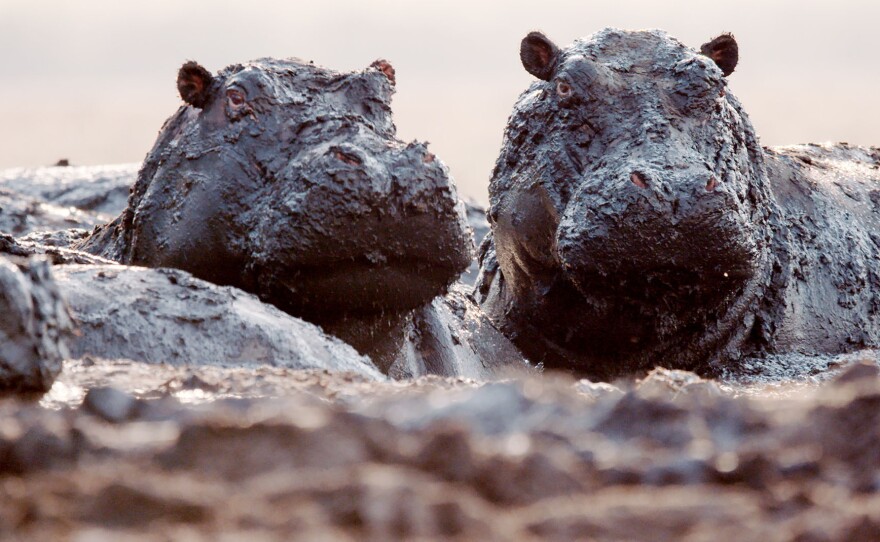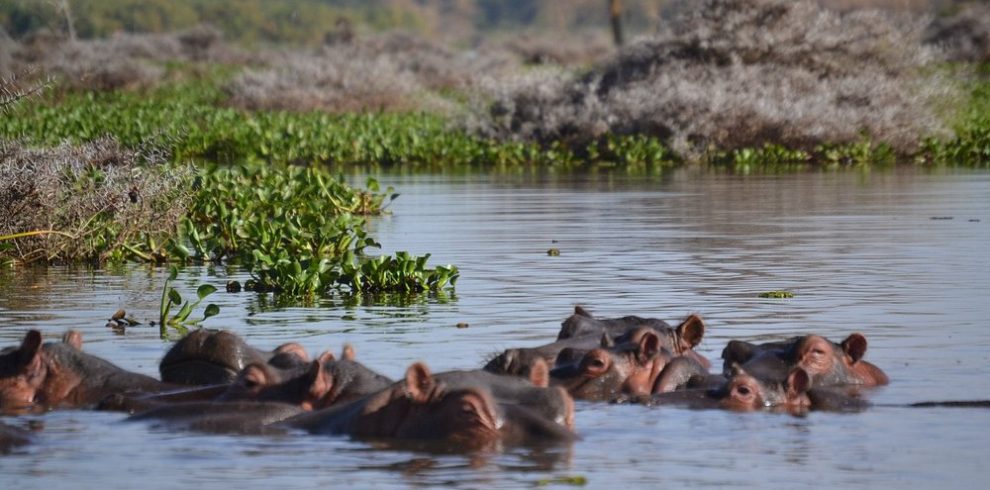
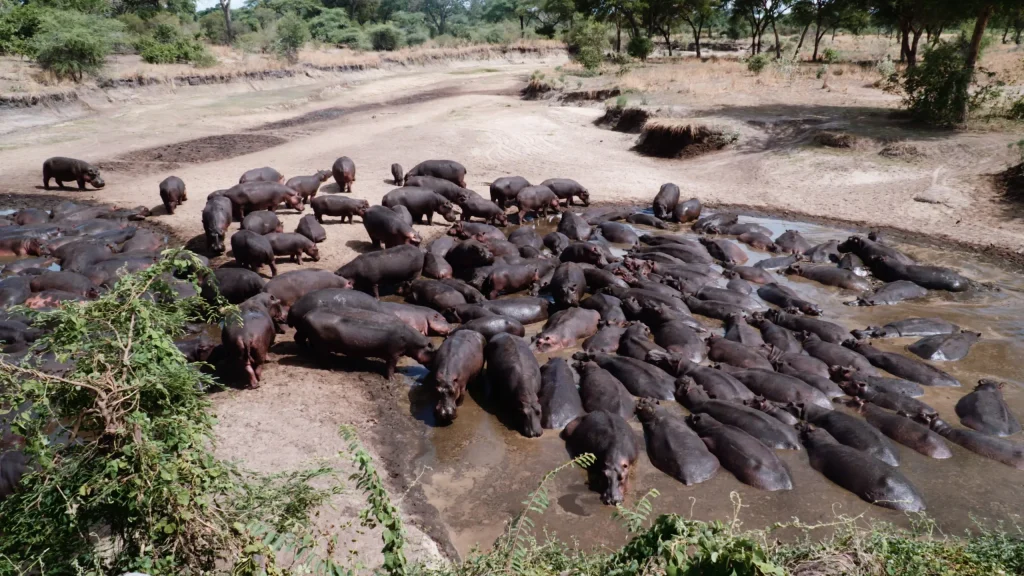
Katavi National park is a very wild and untamed corner of the African wilderness, situated in the wild remote western part of Tanzania. As a contrast to wildlife destinations with a greater level of popularity, Katavi is still relatively untouched by mass tourism, presenting an untamed and unpolished safari. The hippopotamus is one of the most recognizable and interesting animals in the park, and it is in its rivers and floodplains that you can find some of the largest herds of hippos in Tanzania. The Katavi National park has been blessed with the hippos, which are now among the best activities to do during a safari in the region, and their behavior, way of life, and the availability in the park are some of the factors that make wildlife in the region special. This paper will discuss five interesting facts about hippos at Katavi National Park, their contribution to the ecosystem, their intriguing behaviors, and how they live in this isolated and wild place.
1. A Haven for Hippos: Katavi River and its functions in the ecosystem.

Katavi national park is a region with expansive untouched wet lands including the meandering Katavi river which is an essential source of the life of the hippo community found there. Katavi River is a source of fresh water allowing the survival of the hippos and the other wildlife found in the park. This water body alongside other waters in the park is important in the determination of the habitat of the hippos, and also in the entire biodiversity of the area.
The Katavi River is not any mere water body, but a complex ecosystem in which it supports many species such as fish, birds and other aquatic plants. In the dry season when a good part of the surrounding becomes dry and arid, the river serves as an important source to the hippos in the park. The water level can be lowered, yet water is something extremely important: it provides hydration, shelter, and food. Hippos being semi-aquatic animals spend a large part of their time immersed in the river to ensure that their skin remains cool and moist, as they can easily be sunburned since they do not have sweat glands.
The Katavi River is also a socialist gathering point of the hippos. One finds herds of hippos, lying around in the water, and many of them congregate in certain places in order to socialize, mate, and communicate with each other. The slowness of the currents at these rivers gives the best environment to such large mammals to exercise their social life without overstraining themselves. The presence of the hippos in the river is also important in sustaining the ecological balance due to the contribution it makes to the nutrient cycle with the water droppings proving to be enriching to the ecosystem of the river and promoting the growth of aquatic flora with which other animals relying on them feed.
2. Densities and Significance of Katvi to Hippos.

The large population of the giant animals is also one of the greatest things about the hippos at the Katavi National Park. Katavi hosts one of the largest herds of hippos in Tanzania so as to accommodate up to 10,000 hippos in the park during the prime dry-season. This renders the park a crucial refuge to the species particularly considering that in other portions of Tanzania, including the Serengeti and Ngorongoro Craters, the hippoes are facing the obstacle of habitat loss, poaching, and man vs. wild-animation.
The relative remoteness of Katavi and the absence of human habitation have added to the survival of this large population of hippos. This is because without human intrusion the hippos in the wild get to wander freely in their natural habitat, feed, socialize and breed. The isolated geography of the park also diminishes the interference of man, including farming and tourism, which in most cases affect other conserved forests in Tanzania.
Katavi is also very very important as a home of hippos. With a growing number of humans encroaching and destroying the habitats of many other national parks in Africa, Katavi has been a reserve to these animals, and it gives them the space they require to survive. The food and water supplied to Katvi throughout the dry season make sure he/she [hippopotami] is healthy and well fed. Katavi also offers a rare and unmatched experience to wildlife enthusiasts and photographers since it is the only place where one can view the large masses of hippos in the wild.
3. Social life of Hippos in Katavi National Park.

Hippos are very social creatures and their behaviors in Katavi National park provide a great insight into their social set ups and interactions. Although people tend to visit the river to play with hippos, which are shown cooling off on the water, a lot more is going on below the water. The herd social life of hippocampi is multifaceted and ranks, where there is a connection among people according to age, size and dominance.
In Katavi a typical herd of hippo is composed of a herd of females and their calves with a dominant male. The bull, as he is commonly known, is the main protective bear of the herd and is believed to have high-quality land. Male hippos however do not remain in one area. These animals will patrol the river frequently and identify their territory and scare off potential males with vocalizations and aggressive behaviors. Hippos are reputed to be highly territorial and male to male fights on matters of territory or mating are characterized by violence, with each male exhibiting its territory dominance or proving its worthiness to mate with a male through its sharp tusks.
On the contrary, females tend to be more social and collaborative and they are usually joined in larger groups of mothers and calves. Mothers in the hippopot species also have strong relationships with their young ones and guard them fiercely. Calves spend several years with their mothers and are taught survival strategies including how to plan their way through the waters and how to evade a predator, amongst other members of the herd. Of particular significance are the social bonds of the mothers to their calves since the young hippos depend on the security and direction offered by their mothers to live in a world full of danger in the wild.
Vocalizations also dominate the social life of hippos in Katvi. Hippos are commonly known to have very loud and distinctive grunts, bellows and honks which are applied to communicate amongst themselves. These will be recorded at night where the hippos are most active, particularly, when they are passing across the feeding grounds in their route to the river. These calls are multi-purpose; they can be aimed at marking the territory, and individuals can also communicate with the fellow members of the herd concerning possible threats.
Surprisingly, hippos are good swimmers and can move very fast in the water even though they are huge creatures, apparently of slow nature. They also can walk on the bottom of the river even in deep water. This is because they can roam over long distances to obtain food and a good mobility contributes to their success in the environment, which is very diverse and poses very high challenges to their survival in the park.
4. The danger Hippos are exposed to in the Katavi National Park.

Although Katavi is a safe haven of the hippos, the hippos still experience a lot of threats within the park not only by the natural predators but also human related practices. The crocodile is also one of the key natural predators of hippos found in Katavi where it hunts young or frail hippos when they attempt to cross the river. Adult hippos cannot be killed by crocodiles because they are too large, but the calves when small are in danger. Crocodiles can wait on the banks of the rivers and when the calf goes too far away, it can be an easy prey to such dangerous reptiles.
Another danger to hippos at Katavi National Park is the threat of disease. As with other wildlife, hippo needs protection against diseases like anthrax and tuberculosis which are easy to transmit within environs where animals are in large numbers. Both the high density of population of the park and the close interaction of hippos with each other in the rivers provide the optimal conditions in which transmission of infectious disease can occur. The work in the park is dedicated to the health of animals and the hippo population, and measures are performed to minimize the risks of the outbreaks of diseases.
Also, although Katavi is an almost pristine park, it is not a vacuum of the greater issues of wildlife in Tanzania. Poaching and poaching are still serious human threats to various species in the country and this means that despite the current efforts to preserve hippos, it is not completely safeguarded against human activities. Hippos are usually killed to get their meat and also their tusks resembling ivory and other times their populations are affected by poaching like trophy hunting and use of their park areas to cultivate crops. With a greater influx of tourists into Katavi, the threat of human-wildlife conflict is likely to rise and it is paramount that the conservation organizations can keep working towards the conservation of the park and the wildlife.
5. Katavi Hippos Conservation and their Future.

The future of hippos in Katavi national park is closely linked to the current conservation work to save this pure wild nature. Being one of the unknown national parks in Tanzania, Katavi enjoys the advantage of having lesser tourism thereby preserving its wildlife against the forces of human encroachment. Nevertheless, it will also imply that conservation operational funds might be scarce, and the collaboration between the Tanzanian government, non-governmental organizations, and the local communities is necessary to guarantee the protection of the park and the inhabitants in the long-term perspective.
Monitoring and protection of hippos in Katvi involves routine health checks of the population and anti-poaching patrol and preventive measures to reduce human-wildlife. The behavior and ecology of hippos is also researched to comprehend more of the challenges these creatures undergo and how they are able to adapt to a new environmental setup. There is also habitat restoration being done in parts of the park so that the quality of the wetlands and rivers could be upgraded so that the hippos are still able to have access to the resources that they require to survive.
However, in the recent years, there has been a slow increase in tourism within Katavi and with it, there have been an opportunity as well as a challenge. Sustainable tourism, when well controlled can enable the funds required in conservation efforts, but they also cause the danger of imbalancing the eco-system of the park. It is significant that tourism activities are conducted in accordance with strict rules that reduce the effects to the wildlife in the park especially the hippos.
Conclusion
The Hippos found in Katavi National Park are one of the remaining strongholds of pure wildness in Tanzania. The remote position and untouched ecosystem of the park have enabled a significant number of these intriguing animals to live in relative freedom and the Katavi River has been critical in their survival. The social life of the hippos, their survival instincts and sophisticated interaction can be an interesting insight into the life of these large mammals, and the challenges they have to cope with, both nature-based and human-inflicted, remind us of the necessity of the consistent conservation efforts. Katavi national park is a real treasure trove, and the hippos found in this park are significant constituents of the unique and spectacular ecosystem in the park. The future of these great animals remains in protection, sustainable management and employing the continual need to conserve this wilderness to the generations of the future.