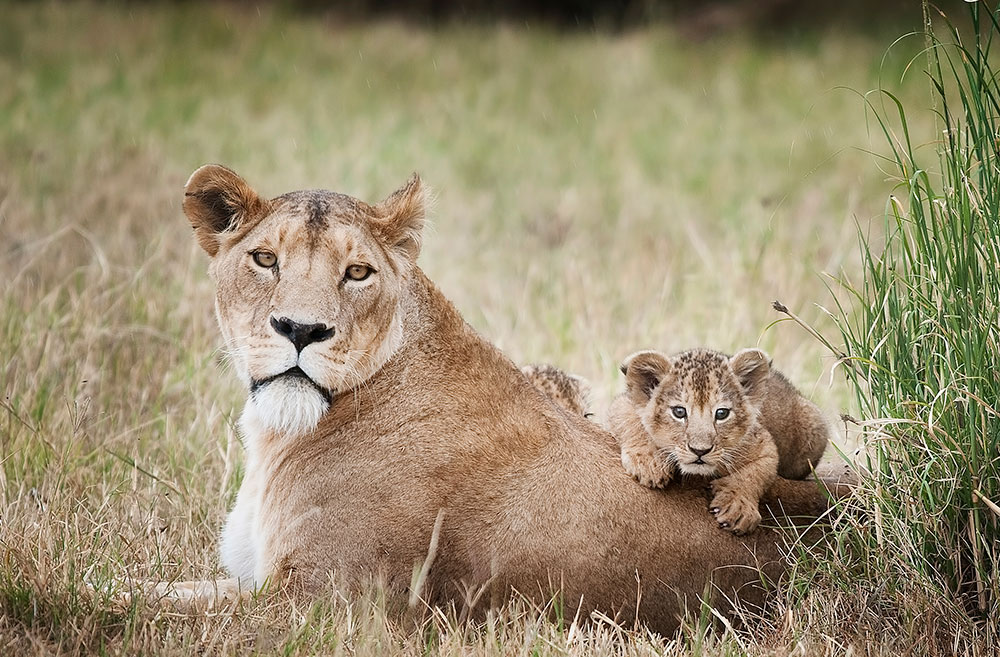
Tanzania is home to some of Africa’s most iconic wildlife, from vast herds of elephants to towering giraffes and powerful lions. These apex predators, often referred to as the “king of the jungle,” play a critical role in maintaining ecological balance. However, lion populations have been under increasing threat due to habitat loss, human conflict, and poaching.
In response to this crisis, conservation efforts have intensified, with the Ruaha Carnivore Project emerging as one of the most impactful initiatives dedicated to protecting lions and other carnivores.
Image: African lion resting in savannah grassland
Overview / Why It Matters
Lions are essential to the health of ecosystems. As apex predators, they regulate herbivore populations, ensuring vegetation and biodiversity remain balanced. The decline of lions is therefore not just a wildlife issue—it signals broader environmental instability.
With an estimated 16,000 lions, Tanzania remains one of the last strongholds for the species. Yet across Africa, lion numbers have dropped to roughly 20,000–23,000, leading the International Union for Conservation of Nature to classify them as vulnerable. Protecting these populations is critical for the future of Africa’s natural heritage.
The Challenges Facing Lions in Tanzania
Despite living within protected areas such as Ruaha National Park, lions face multiple threats:
Human-Wildlife Conflict
As communities expand closer to wildlife areas, lions often prey on livestock. This leads to retaliatory killings by farmers trying to protect their livelihoods.
Loss of Prey
Declining populations of animals like zebras, buffalo, and antelope reduce natural food sources, pushing lions toward human settlements.
Poaching and Illegal Hunting
Lions are targeted for body parts used in illegal trade, as well as through unregulated hunting practices.
These challenges highlight the urgency of targeted conservation efforts.
The Ruaha Carnivore Project: An Overview
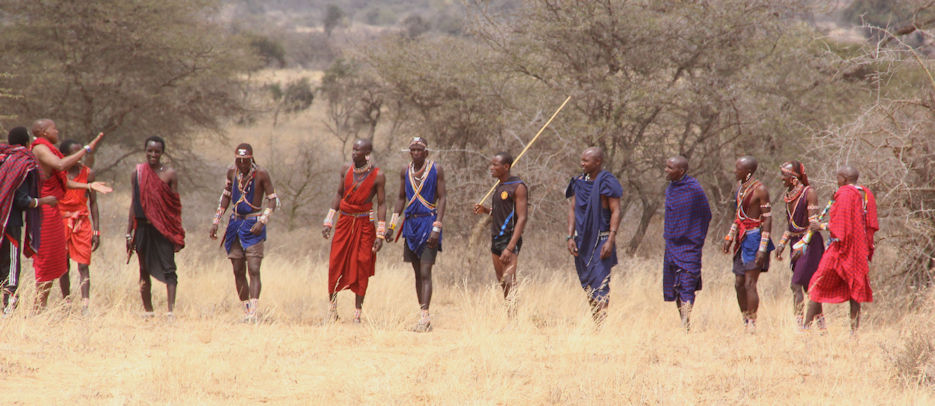
Founded in 2009, the Ruaha Carnivore Project focuses on protecting large carnivores within the Ruaha ecosystem. Operating in and around Ruaha National Park, the project combines scientific research with community engagement to ensure long-term conservation success.
The initiative collaborates with institutions such as the Tanzania Wildlife Research Institute and Tanzania National Parks Authority, alongside global partners like the Wildlife Conservation Society and African Wildlife Foundation.
Key Strategies Driving Conservation Success
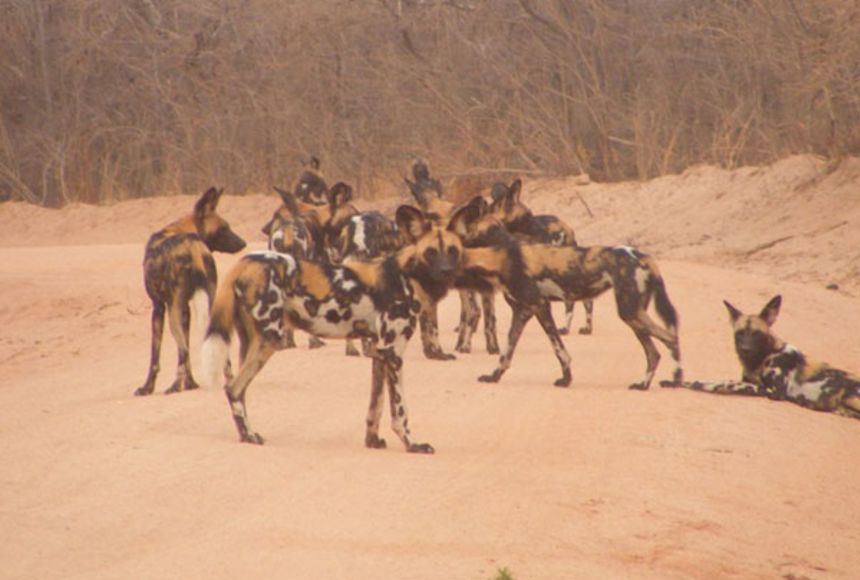
Reducing Human-Wildlife Conflict
One of the project’s most impactful approaches is minimizing conflict between lions and local communities.
- Lion-proof enclosures (bomas): Strengthened livestock pens prevent nighttime attacks
- Compensation programs: Farmers receive support for livestock losses
- Community education: Promotes coexistence and non-lethal protection methods
These efforts reduce retaliatory killings and build trust between communities and conservationists.
Monitoring and Research
Scientific data is central to the project’s success.
- GPS collars track lion movements in real time
- Camera traps monitor population trends
- Behavioral studies provide insights into pride dynamics and hunting patterns
This data allows conservationists to anticipate risks and respond effectively.
Image: Researcher tracking wildlife using GPS equipment in the field
Habitat Protection and Restoration
Preserving the ecosystem is essential for lion survival.
- Wildlife corridors: Enable safe movement between habitats
- Anti-poaching patrols: Reduce illegal hunting activities
- Sustainable ecotourism: Generates income while supporting conservation
These initiatives ensure lions have space and resources to thrive.
Community Empowerment and Livelihoods
Local communities are at the heart of long-term conservation.
- Employment opportunities in tourism and conservation
- Alternative income sources such as beekeeping and small businesses
- Community-led conservation programs
By aligning conservation with economic benefits, the project creates lasting impact.
Impact and Achievements
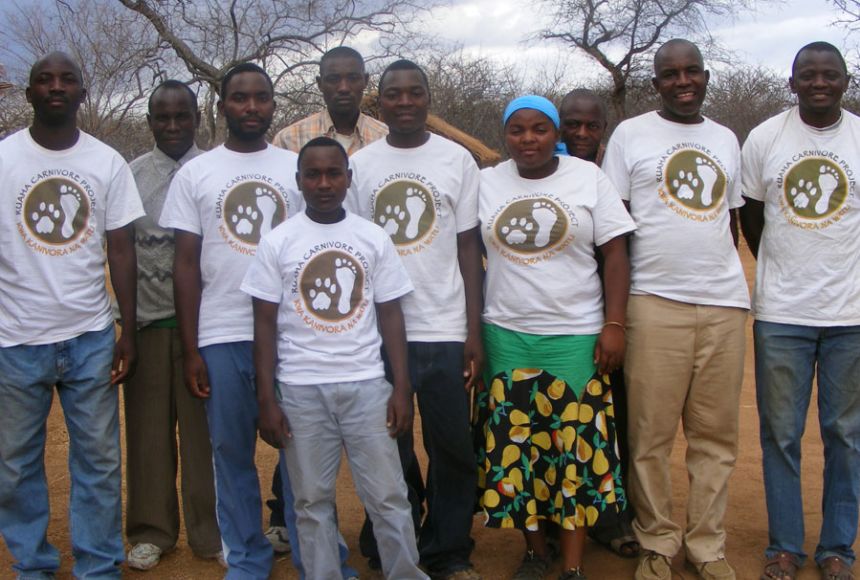
The Ruaha Carnivore Project has delivered measurable results:
- Stabilization and growth of certain lion populations
- Reduced human-wildlife conflict in surrounding communities
- Increased awareness and positive attitudes toward conservation
- Recognition as a model for conservation across East Africa
These achievements demonstrate that collaborative, science-based approaches can reverse wildlife decline.
Challenges and the Road Ahead
Despite progress, several challenges remain:
- Continued poaching threats
- Expansion of human settlements into wildlife habitats
- Climate change affecting ecosystems and prey availability
Addressing these issues will require sustained collaboration between governments, conservation organizations, and local communities.
Practical Insights for Conservation Support
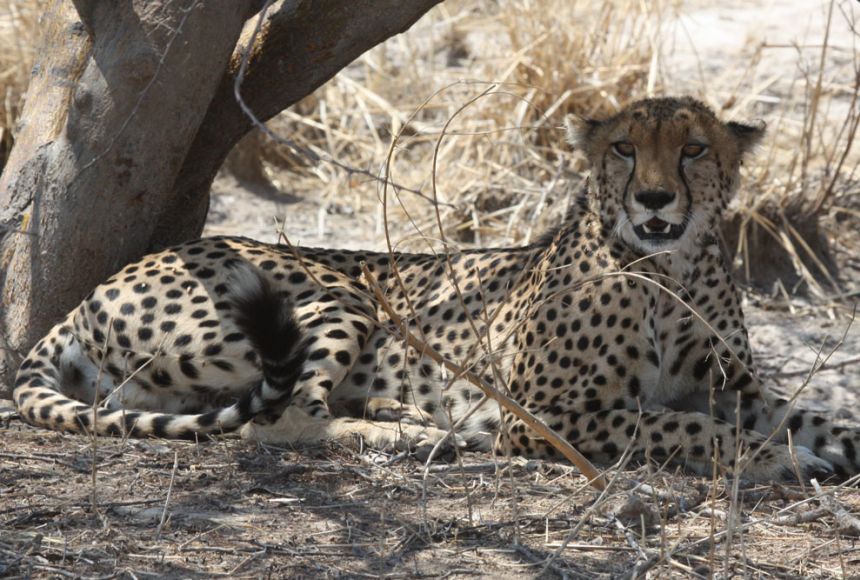
Travelers and global citizens can contribute to conservation efforts:
- Support eco-friendly tourism in protected areas
- Choose lodges and operators that fund conservation projects
- Raise awareness about wildlife protection
- Donate to reputable conservation organizations
Small actions can collectively make a significant difference.
Conclusion
The Ruaha Carnivore Project stands as a powerful example of how science, community engagement, and sustainable practices can come together to protect one of Africa’s most iconic species. By addressing root causes such as conflict, habitat loss, and economic challenges, the project is helping secure a future for lions in Tanzania.
Image: Lion pride at sunset in the African wilderness
The survival of lions is not just about preserving a species—it is about protecting an entire ecosystem. With continued support and awareness, the roar of the lion can remain a defining sound of Africa’s wild landscapes for generations to come.