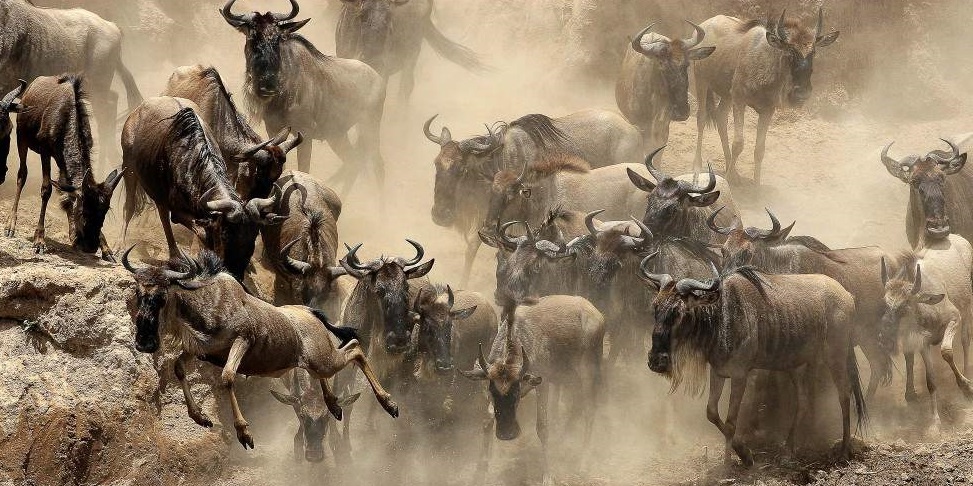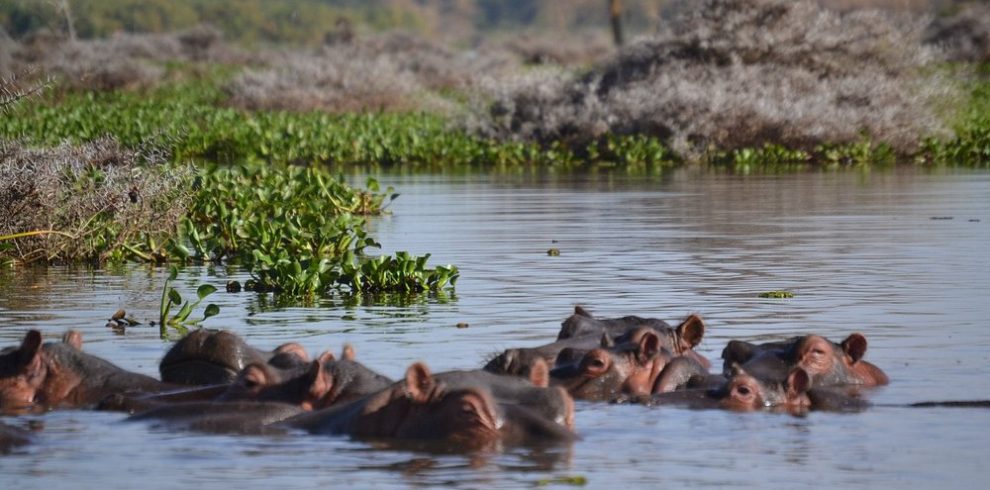

Africa stands as one of the world’s most fascinating and unique travel destinations, offering iconic wildlife, ancient history, vibrant cities, stunning beaches, and rich cultural traditions. However, with tourism steadily increasing, popular attractions can become congested particularly during peak seasons. Long queues, crowded landmarks, and packed transport hubs can significantly diminish the quality of your experience. That’s why learning how to avoid lines and crowds in Africa is essential for travelers who value comfort, efficiency, and authenticity.
Whether you’re exploring world-renowned safari parks, historical sites, bustling markets, or capital cities, intelligent planning allows you to enjoy Africa without the stress of masses. This comprehensive guide offers practical, real-world strategies to help you explore the continent more peacefully from choosing the right travel season and leveraging local knowledge, to timing your visits perfectly. With these insights, you can experience everything Africa has to offer while sidestepping the crowds.
Understanding Crowd Patterns in Africa
Before implementing avoidance strategies, it’s crucial to understand where and why crowds form. Congestion typically concentrates at:
- Major cities and urban centers
- Famous national parks and game reserves
- UNESCO World Heritage Sites
- Airports and border crossings
- Popular festivals and public holidays
Peak tourism seasons generally align with favorable weather, school holidays, and international travel trends. In East and Southern Africa, the prime safari season runs from June to October. North African destinations see highest crowds in spring and autumn when temperatures are mild. Understanding these patterns is the foundation of effective crowd avoidance.
Travel During Shoulder or Low Seasons
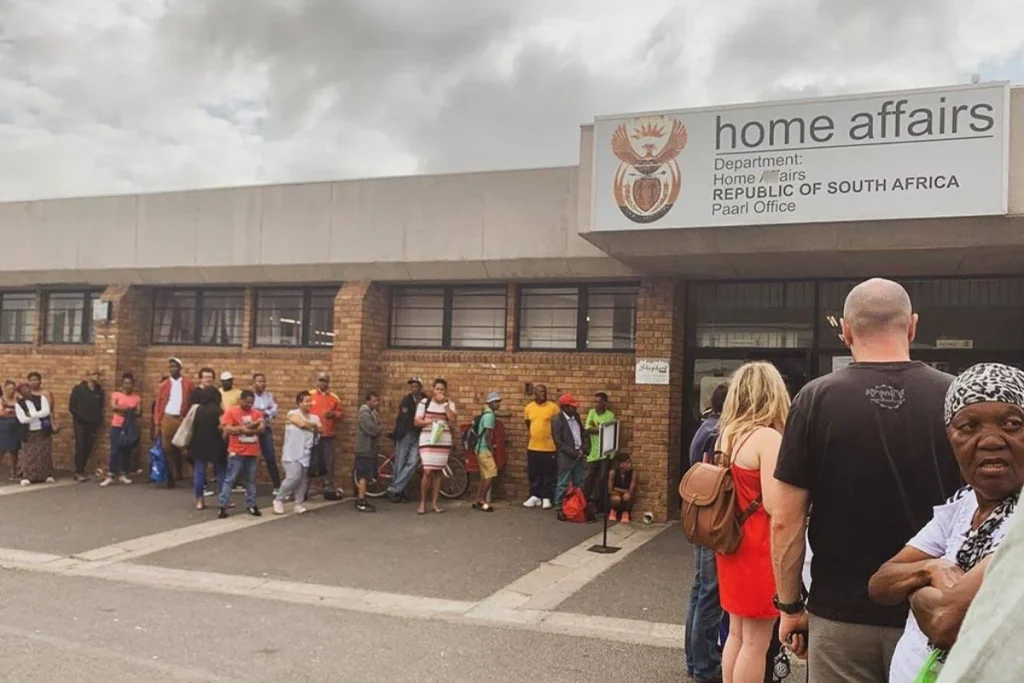
One of the best strategies for avoiding lines and crowds in Africa is to visit during the shoulder or low seasons. Shoulder seasons the periods just before or after peak travel times offer fewer tourists, better accommodation availability, and often reduced prices.
Recommended timing by region:
- East Africa: Visit March to May or November
- Southern Africa: Travel in April–May or September
- North Africa: Tour late autumn or early winter
While low seasons may bring rain in some areas, most travelers find the trade-off worthwhile attractions are quieter, and travel conditions are far less stressful.
Visit Major Attractions Early Morning or Late Afternoon
Timing is one of the most effective tools in your crowd-avoidance toolkit. Most tourists visit attractions between mid-morning and mid-afternoon. Arriving either early in the morning or later in the afternoon can dramatically reduce wait times and crowd density.
Examples:
- Safari parks: Midday game drives are busiest. Early morning and sunset drives offer fewer vehicles and better wildlife viewing.
- Museums and historic sites: Opening hours tend to be quieter at the very start or end of the day.
Plan your itinerary to hit popular spots during these off-peak windows.
Choose Lesser-Known Destinations
Africa is vast, and while certain sites attract the majority of visitors, countless equally rewarding alternatives remain under the radar. A clever approach to avoiding lines and crowds in Africa is to explore secondary destinations that offer comparable experiences without the masses.
- Instead of overcrowded major safari parks, consider private reserves or lesser-known national parks.
- Avoid big coastal resorts and opt for smaller, quieter beach towns.
- Swap crowded urban attractions for rural cultural centers.
These destinations often provide more personal interactions, better photo opportunities, and deeper cultural connections.
Purchase Tickets and Permits in Advance
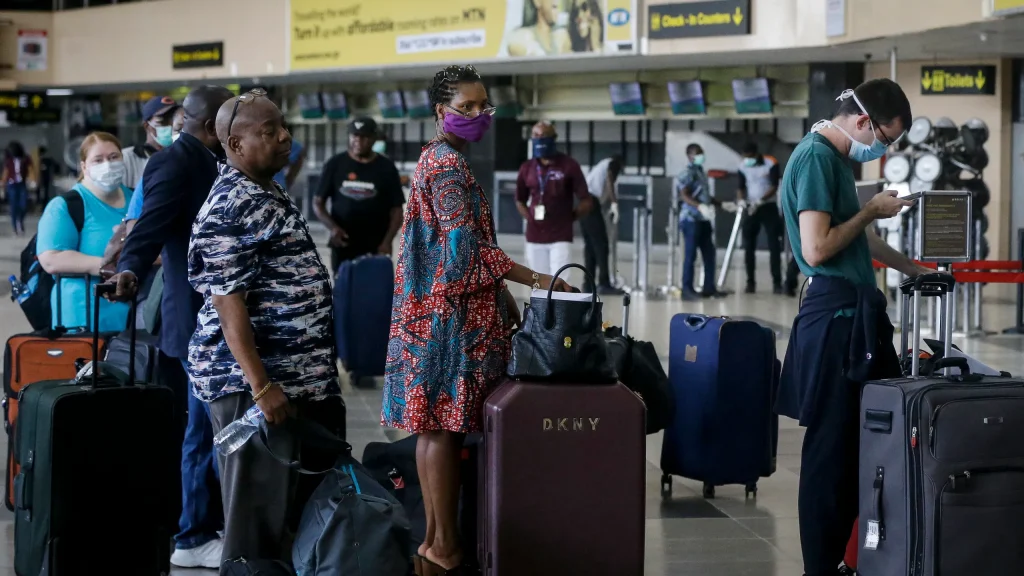
One of the most straightforward strategies to avoid lines and crowds in Africa is advance planning. Many attractions require entry permits, tickets, or reservations including national parks, gorilla trekking permits, and heritage sites.
Benefits of advance booking:
- Skip ticket purchase queues entirely
- Secure preferred time slots
- Guarantee entry to sites with daily visitor caps
- Reduce last-minute stress and uncertainty
Online booking or using accredited tour operators ensures you won’t be locked out or stuck waiting.
Leverage Local Guides and Insider Knowledge
Hiring local guides is a widely underestimated strategy for avoiding lines and crowds in Africa. Local experts know exactly when places are busiest, where to go, and how to access hidden entry points unknown to most tourists.
How guides help:
- Navigate congested city streets with alternative routes
- Suggest quieter times for markets and landmarks
- In wildlife reserves, they know spots with fewer vehicles and better animal sightings
- They often have relationships with site staff to expedite entry
This insider edge transforms your experience from crowded to intimate.
Stay Outside City Centers and Tourist Hubs
Your accommodation choice significantly influences your exposure to crowds. Staying right in the center of cities or adjacent to major attractions often means constant foot traffic and noise.
Smart accommodation strategy:
- Choose hotels, boutique lodges, or eco-resorts slightly outside main hubs
- Enjoy peaceful surroundings while remaining within short transfer distance to attractions
- Reduce daily exposure to tourist crowds at your base
This balance allows you to retreat to tranquility after a day of exploration.
Avoid Major Holidays and Festivals
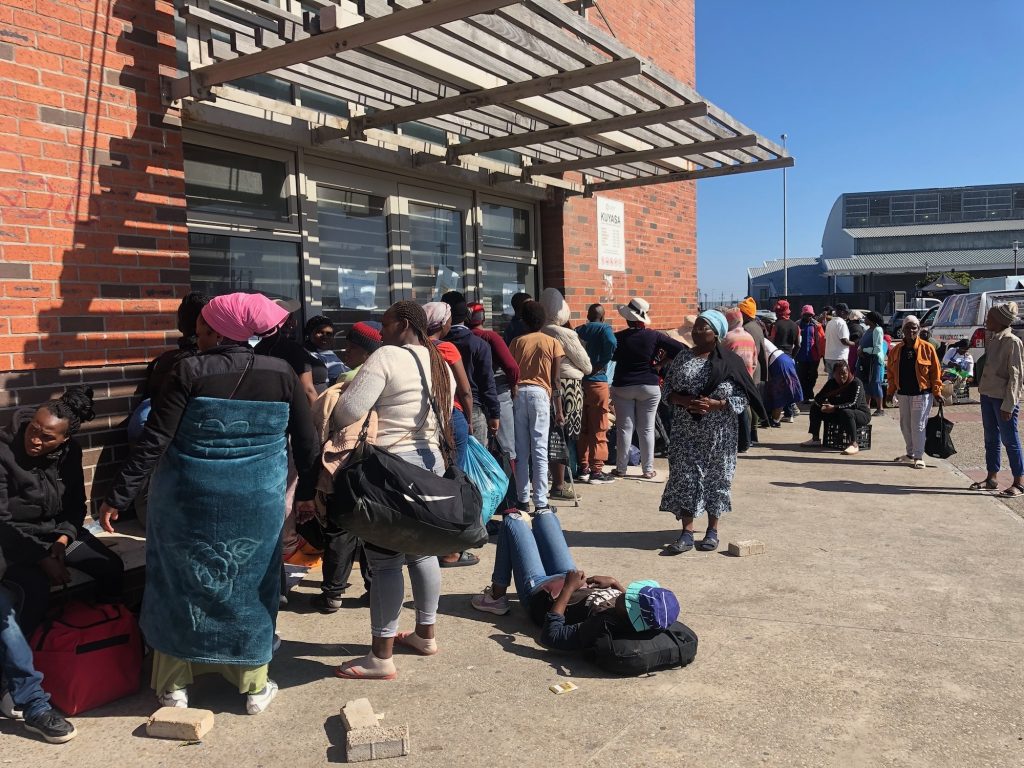
Africa hosts numerous cultural festivals, religious celebrations, and public holidays that draw enormous crowds. While these events can be fascinating, they also cause overcrowded transport, sold-out accommodations, and long queues.
Advice:
- If you prefer quiet travel, avoid major holiday periods
- If you choose to attend festivals, arrive early and book well in advance
- Understand the local calendar to plan around peak crowd events
Being aware of national and regional holidays is essential to avoiding lines and crowds in Africa.
Opt for Alternative Airports and Border Crossings
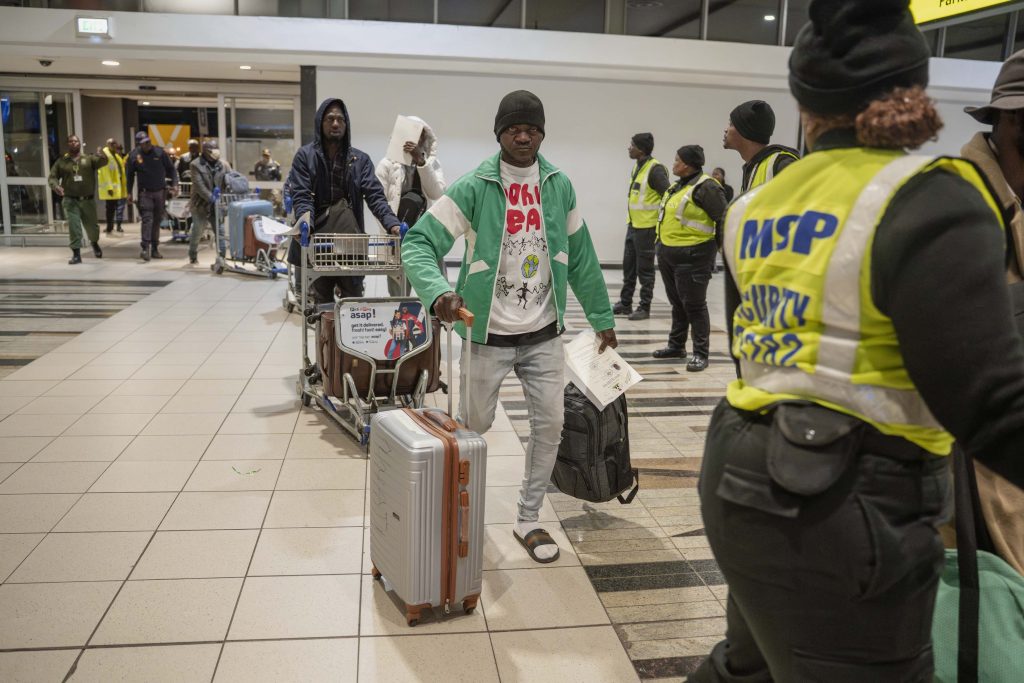
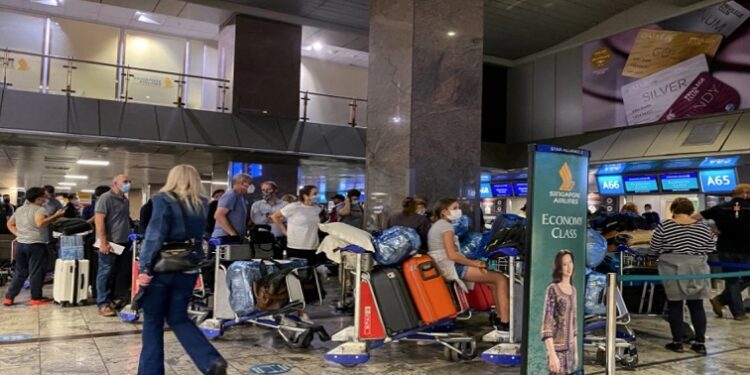
Major international airports can be extremely busy, especially during peak travel times. One solution is to fly into smaller or alternative airports.
Benefits:
- Shorter immigration and baggage claim queues
- Less stressed airport environment
- Easier onward connections
For overland border crossings, choosing less frequented posts and traveling at off-peak hours can also reduce wait times significantly.
Travel Independently or in Small Groups
Large tour groups tend to follow fixed schedules, which often contributes to congestion at attractions. Independent travelers or those in small groups have far greater flexibility a key factor in avoiding lines and crowds in Africa.
Advantages:
- Ability to adjust itineraries on the fly
- Visit attractions during off-peak windows
- Access alternative sites more easily
- More personalized experiences
Many lodges and operators now specialize in small-group or private experiences for exactly this reason.
Use Technology to Your Advantage
Technology can be a powerful ally in avoiding lines and crowds in Africa. Travel apps, mapping tools, and booking platforms enable you to monitor peak times, make reservations, and identify alternate routes.
Tech tips:
- Check live traffic updates and real-time crowd data
- Read recent reviews to gauge current busyness
- Use official park and museum apps for visitor flow information
- Download offline maps to navigate without relying on unstable connections
Smart use of digital tools helps you make informed, crowd-free decisions.
Dine and Shop at Off-Peak Hours
During standard meal times, restaurants, cafes, and markets can become exceptionally crowded. A simple yet highly effective tactic to avoid lines and crowds in Africa is to eat and shop earlier or later than the general public.
Practical tips:
- Visit markets at dawn for a calmer atmosphere and better vendor interactions
- Have lunch before 12:00 or after 14:00 to avoid restaurant rushes
- Shop on weekdays instead of weekends to sidestep commercial congestion
This small shift in routine yields a more relaxed and enjoyable experience.
Use Private Transport Over Public
Public transport is often crowded, especially during rush hours. While it offers cultural insight, it may not be ideal for travelers seeking to avoid crowds.
Alternative:
- Use private taxis or ride-hailing services for greater control over timing and routes
- Arrange private transfers with your accommodation
- In cities, consider walking short distances to bypass congested transit
This is a particularly effective strategy in large cities and tourist-heavy areas.
Plan Safaris in Private Conservancies
Safari tourism is one of Africa’s biggest draws, but popular parks can become crowded during peak seasons. One of the most effective lessons in avoiding lines and crowds in Africa is to opt for private conservancies or reserves with low vehicle density.
Why it works:
- These areas limit the number of vehicles allowed at sightings
- They offer a more exclusive and peaceful wildlife experience
- Although often more expensive, the experience is vastly more comfortable and fulfilling
The investment pays off in privacy, quality, and serenity.
Stay Flexible with Your Schedule
Flexibility is one of the most powerful tools for avoiding lines and crowds in Africa. Being open to adjusting plans based on weather, conditions, or local advice allows you to dodge crowded spots with ease.
Flexibility in action:
- If an attraction is overcrowded, pivot to an alternative nearby
- Use a “plan B” list of less-visited sites for each day
- Embrace spontaneity Africa rewards the open-minded traveler
This mindset transforms potential frustration into discovery.
Embrace Slow Travel
Slow travel is about spending more time in fewer destinations rather than racing through many. This philosophy naturally supports avoiding lines and crowds in Africa.
Benefits:
- Allows you to visit attractions at quieter times
- Encourages deeper local connections and understanding
- Reduces stress and travel fatigue
- Opens doors to hidden gems that hurried travelers miss
By slowing down, you experience Africa more authentically and peacefully.
Conclusion
Africa is an extraordinary continent, but crowds and queues can sometimes detract from its magic. Learning how to avoid lines and crowds in Africa empowers travelers to explore in a more relaxed, meaningful, and enjoyable manner.
By choosing the right travel seasons, planning ahead, exploring off-the-beaten-path destinations, and relying on local expertise, you can experience the continent’s beauty, diversity, and authenticity without the frustrations of mass tourism. Careful planning, flexibility, and awareness transform this guide from a simple strategy into a mindset one that lets you discover Africa on your own terms, at your own pace, and with a deeper connection to the places and people you encounter.