
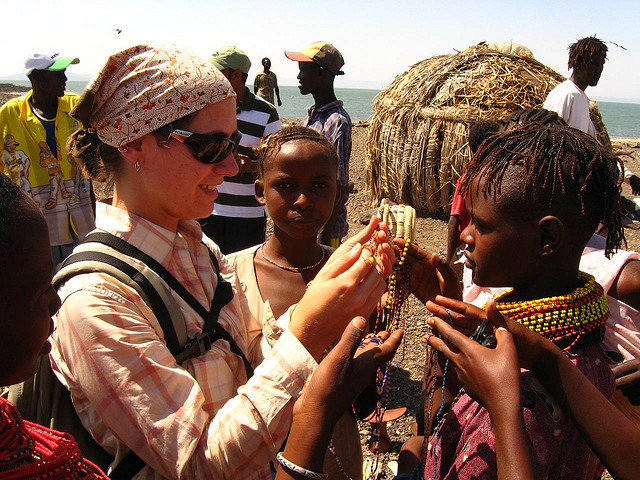
Shopping in Africa can be a highly engaging and memorable experience, from the busy street markets of Morocco and the artisan craft centres of Kenya to the colourful bazaars of Egypt. Learning how to haggle is one of the most useful skills to have when travelling, as bargaining allows you to save money while participating in a social and cultural activity. Negotiating prices is not only about getting a better deal; it is a social ritual, a form of cultural exchange, and an enjoyable way to connect with local people. This guide provides practical advice on how to haggle in Africa, ensuring that you approach every transaction with confidence, respect, and success.
The tradition of haggling is deeply rooted in African markets. In many places, prices are negotiable, especially in tourist areas. Whether you are buying handcrafted souvenirs, spices, fabrics, or jewellery, learning to negotiate helps you secure a fair price while respecting local customs. This article discusses effective strategies, country‑specific practices, common pitfalls to avoid, and ethical considerations to help you master the art of haggling across Africa.
Why Learning to Haggle Matters
Haggling is not merely a way to save money; it is a cultural practice. Understanding how to haggle in Africa is important for several reasons:
- Respecting local culture: In many African markets, negotiation is expected. Paying the first asking price without bargaining may be seen as naive or even disrespectful.
- Getting fair prices: Tourists are often quoted inflated initial prices. Bargaining ensures you pay a more reasonable amount.
- Building social connections: Friendly, respectful negotiations often lead to genuine interactions and even local advice or recommendations.
- Enhancing your travel experience: Successful bargaining makes shopping exciting and memorable, adding an element of adventure to your trip.
By mastering the art of haggling, travellers not only save money but also gain deeper insight into African markets and local customs.
Step‑by‑Step Guide to Haggling in Africa
Step 1: Do Your Research
Before entering any negotiation, understand the typical cost of the items you wish to buy. This helps you set a realistic target and avoid overpaying.
- Look online or ask locals what prices to expect.
- Visit several stalls to compare prices and learn market standards.
- Start with an offer lower than your target price to leave room for bargaining.
Step 2: Begin with Politeness and a Smile
Friendliness goes a long way in African markets. A polite greeting and a warm smile set a positive tone for bargaining.
- Use local greetings where possible – for example, “Jambo” in Swahili‑speaking regions (Kenya, Tanzania) or “Salam” in Arabic‑speaking countries (Morocco, Egypt).
- Exchange a few words of small talk before discussing prices. Sellers are more willing to negotiate with respectful customers.
Step 3: Make the First Offer
Once you have chosen an item and understand the market price:
- Propose a price lower than the asking price, but not unreasonably low.
- Never accept the first price quoted; initial offers are often inflated for tourists.
- Be prepared to meet the seller somewhere in the middle.
Step 4: Use Silence and Patience
Haggling is as much about strategy as it is about numbers.
- After making your offer, remain silent. Sellers often fill the silence with a reduced price.
- Do not rush – negotiations are rarely quick.
- Patience signals that you are not a desperate buyer.
Step 5: Bundle Items into a Deal
Buying multiple items from the same seller often leads to a better price.
- Politely ask if the seller can offer a discount for buying several pieces together.
- Consolidating purchases shows you are serious and helps lower the per‑unit cost.
Step 6: Be Ready to Walk Away
One of the most effective bargaining tactics is being willing to leave without buying.
- Often, the seller will call you back with a better offer.
- Walk away politely – it is part of the negotiation dance.
- If the seller does not lower the price, you can always return later or find another vendor.
Step 7: Close the Deal Gracefully
Once you agree on a price:
- Pay promptly, preferably with small denominations.
- Compliment the seller and thank them. A gracious ending builds goodwill.
Do not haggle too aggressively at the last moment, as this may offend the seller.
Country‑Specific Bargaining Tips
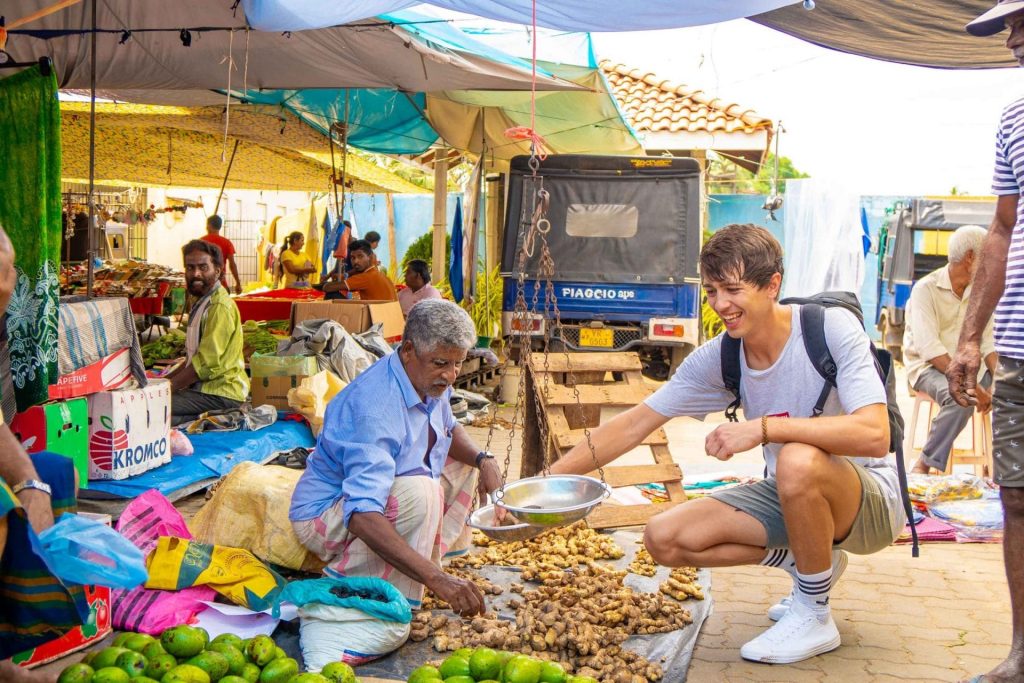
Bargaining practices vary by country and market type. Here are practical tips for several popular destinations.
Morocco
- Haggling is expected in the souks of Marrakech and Fes.
- Start by offering 40‑60% of the initial asking price.
- Keep a calm, neutral expression; showing too much excitement weakens your position.
Egypt
- Bargain in the Khan el‑Khalili bazaar in Cairo and other tourist markets.
- Offer around half of the original price and negotiate to a reasonable middle ground.
- Use friendly humour – Egyptian sellers appreciate light‑hearted bargaining.
Kenya
- Maasai markets and craft markets in Nairobi are highly negotiable.
- Start at 30‑50% of the vendor’s first price for jewellery or handmade souvenirs.
- Show interest but avoid appearing desperate.
South Africa
- Street markets in Cape Town and Johannesburg are more relaxed, but bargaining is still acceptable.
- Offer 10‑20% less than the asking price.
- In formal craft shops, prices may be fixed – do not haggle there.
Ghana
- Makola Market in Accra welcomes bargaining.
- Start at about 50‑60% of the original price for textiles and crafts.
- Buying in groups can help secure group discounts.
Common Mistakes to Avoid When Bargaining
Even experienced travellers can make errors. Avoid these common pitfalls:
- Being aggressive: Rude or hostile behaviour ends negotiations quickly.
- Showing too much interest: Sellers may hold firm on prices if they sense desperation.
- Failing to research: Overpaying is common when buyers do not know typical prices.
- Using large bills: Carrying high denominations can lead to inflated prices; keep small notes.
- Demanding the lowest possible price: Extremely low offers can offend vendors.
Being aware of these mistakes helps ensure successful and respectful negotiations.
Cultural Etiquette and Ethical Considerations
When learning how to haggle in Africa, cultural and ethical norms are important:
- Respect local customs: Haggling is part of the culture, but courtesy and respect are paramount.
- Avoid manipulative tactics: Lying or using false sympathy is unethical and harms sellers.
- Support local artisans fairly: Remember that many items are handmade and represent significant skill and labour.
- Do not haggle in supermarkets or fixed‑price stores: Bargaining is typically reserved for markets, street stalls, and artisan shops.
Following these guidelines ensures that bargaining remains a positive experience for both tourists and sellers.
How to Gauge a Fair Price
Finding a fair price is essential:
- Compare prices for similar items across multiple vendors.
- Consider the quality, craftsmanship, and uniqueness of the item.
- Remember that vendors need to make a profit; aim for a price that is reasonable for both parties.
By doing this, you avoid exploiting the vendor while still getting a good deal.
Psychological Techniques for Better Bargaining
- Start low, but be reasonable: Your opening offer should be below your target but not insulting.
- Pause and smile: Silence can prompt sellers to lower their price.
- Bundle to save: Purchase multiple items for a discount.
- Show mild interest: Appear interested but not desperate.
- Use a few local words: Even basic phrases build rapport and trust.
Used alongside politeness, these techniques make bargaining effective and enjoyable.
The Rewards of Learning to Haggle in Africa
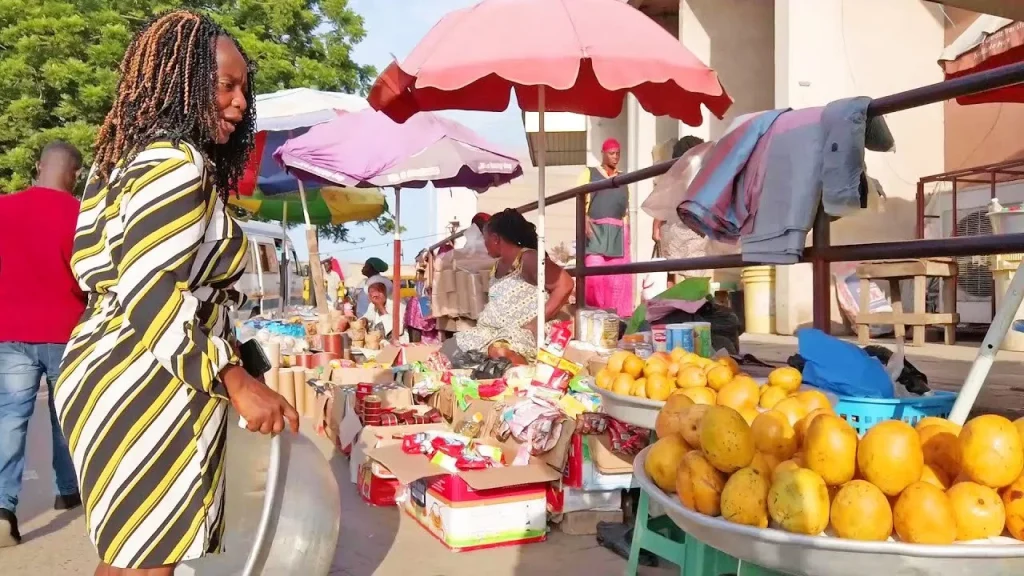
- Saving money: Lower prices on souvenirs and crafts leave more budget for other experiences.
- Enriched travel experience: Bargaining is a culturally immersive activity.
- Building connections: Friendly negotiations can lead to tips, recommendations, or even friendships.
- Supporting local economies: Fair bargaining ensures vendors earn a fair income while travellers get reasonable prices.
Mastering the art of haggling transforms shopping from a mere transaction into a cultural adventure.
Conclusion
Mastering how to haggle in Africa is an essential skill for travellers seeking both savings and meaningful cultural engagement. Effective bargaining involves research, courtesy, patience, observation, and strategic negotiation. By understanding country‑specific practices, respecting sellers, and considering ethical aspects, you can make every shopping experience positive and rewarding.
Whether you are wandering through the souks of Morocco, the Maasai markets of Kenya, or the bustling bazaars of Egypt, haggling is not only about prices – it is about connection, respect, and enjoyment. With the tips and strategies outlined in this guide, you can navigate African markets confidently, secure fair prices, and create unforgettable memories.
Remember, how to haggle in Africa is both an art and a social skill. Always approach transactions with respect, a smile, and a sense of adventure. You will soon discover that bargaining is one of the most enjoyable parts of exploring this diverse continent.