
Africa is a continent of extraordinary travel experiences – from bustling cities and serene wildlife safaris to ancient landmarks and vibrant cultures. However, tourists may occasionally encounter labour strikes that can affect transportation, government services, and tourist activities. Knowing how to handle strikes in Africa as a tourist is essential for a smooth and stress‑free journey.
Strikes typically involve public sector workers, transport unions, or service industry employees bargaining for better pay or working conditions. While strikes can cause delays or temporary disruptions, they are rarely dangerous. This guide provides practical, traveller‑focused advice on dealing with strikes – covering safety, transport, itinerary flexibility, and cultural sensitivity.
Why Strikes Occur in Africa
Understanding the background of strikes is the first step in learning how to handle them. In most African countries, strikes are legal and often organised by labour unions or public sector workers. Common causes include:
- Salary disputes or delayed wages
- Poor working conditions
- Fuel price increases or economic policy changes
- Political negotiations or policy reforms
- Nationwide labour movements
Recognising that strikes are a normal part of civil society helps tourists stay calm and prepared.
Types of Strikes That Affect Tourists
Not all strikes impact visitors equally. Common types include:
Transportation Strikes
- Bus or minibus drivers
- Taxi associations or ride‑hailing services (Uber, Bolt)
- Airport and airline staff
- Train operators
Public Service Strikes
- Education (teacher strikes)
- Healthcare (clinics and hospitals operating with minimal staff)
- Municipal or administrative services
Nationwide or General Strikes
- Closure of government offices, shops, and banks
- Partial closure of hotels, restaurants, or tourist attractions
Stay Informed Before and During Your Trip

Information is your best tool. Staying updated is a key strategy for handling strikes in Africa as a tourist.
Before your trip:
- Monitor local news and travel advisories.
- Check online travel forums and social media groups.
- Ask your hotel or tour operator about planned or expected strikes.
During your trip:
- Follow mobile news apps and local media.
- Confirm daily updates with hotel staff.
- Seek local advice on areas or routes to avoid.
Plan a Flexible Itinerary
Flexibility is the most important factor when learning how to handle strikes. Rigid schedules can lead to frustration.
Tips:
- Avoid tight connections between flights or tours.
- Add buffer days between destinations.
- Book refundable or rebookable tickets where possible.
- Identify alternative activities in advance.
A flexible itinerary allows you to adapt smoothly when disruptions occur.
Transportation Strategies During Strikes
Transport disruption is the most common challenge for tourists. To minimise inconvenience:
- Use alternative transport such as private taxis, hotel shuttles, or ride‑hailing apps (Uber, Bolt).
- Consider car rentals for medium‑distance travel.
- Walk or cycle for short distances within towns or cities.
- Ask locals for information on which routes are still operating.
Remember that strikes rarely affect all forms of transport, so alternatives are usually available.
Accommodation Choices and Safety
Hotels and lodges play a critical role during strike disruptions:
- Choose accommodation close to key attractions or transport hubs.
- Use hotel shuttle services if provided.
- Rely on hotel staff for up‑to‑date information on safe areas and available services.
A good hotel reduces your dependence on shared public services.
Avoid Crowds and Protest Areas
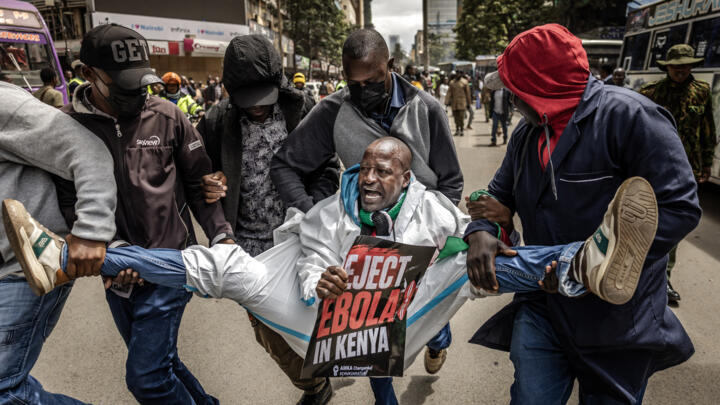
Strikes may involve protests or picket lines. For safety and convenience:
- Avoid areas where protests are taking place.
- Do not photograph striking workers without permission.
- Follow hotel or local recommendations on safe routes.
- Use real‑time updates from apps or local news.
Staying away from protests ensures peaceful sightseeing.
Communicate with Airlines, Tour Operators, and Hotels
Effective communication is vital for handling strikes:
- Confirm flights and transfers 24 to 48 hours in advance.
- Sign up for airline or transport company alerts.
- Ask tour operators about contingency plans or alternative schedules.
Advance communication prevents last‑minute surprises and allows easier adjustments.
Plan for Food, Cash, and Daily Needs
Strikes can temporarily affect restaurants, shops, or ATMs. Planning ahead keeps you comfortable:
- Carry some cash in small denominations.
- Keep bottled water, snacks, and essential supplies.
- Eat early to avoid unexpected closures.
- Check operating hours of attractions and shops.
Cultural Etiquette During Strikes
As a tourist, cultural awareness is important during labour disputes:
- Avoid engaging in protests or political discussions.
- Do not make public political commentary.
- Dress modestly and behave respectfully.
- Always ask permission before photographing locals.
Cultural sensitivity maintains safety and positive interactions.
Adjust Your Sightseeing Plans
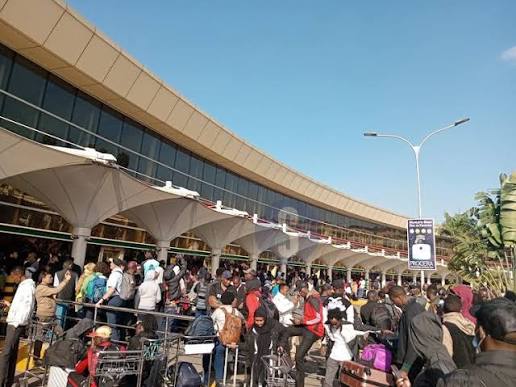
Museums, guided tours, or other attractions may be affected. Consider:
- Visiting outdoor attractions or open‑air sites.
- Exploring local neighbourhoods on foot.
- Using downtime for rest or trip planning.
Strikes can actually encourage a slower, more immersive African experience.
Safety Considerations
Even non‑violent strikes require vigilance. Safety tips include:
- Avoid night travel during disruptions.
- Keep emergency contacts handy (embassy, local police).
- Stay in well‑populated areas.
- Follow the advice of hotel staff or guides.
Awareness of safety turns strikes into a minor inconvenience.
Travel Insurance and Documentation
Travel insurance helps you manage financial and logistical issues:
- Carry digital and hard copies of your passport, visa, and tickets.
- Record emergency contact numbers.
- Understand your insurance coverage for disruptions, cancellations, and accommodation changes.
When to Delay or Cancel Your Trip
Some strikes may be prolonged or countrywide. Consider postponing if:
- Transport services are largely unavailable.
- Government travel advisories warn against travel.
- Multiple essential services are disrupted.
Delaying can save time, stress, and money.
Common Tourist Mistakes
Avoid these errors when handling strikes:
- Ignoring local advice or information.
- Relying only on international news.
- Sticking rigidly to plans despite disruptions.
- Gathering near protest zones out of curiosity.
Preparation and awareness prevent unnecessary stress.
The Benefits of Flexibility and a Calm Attitude
A positive attitude turns disruption into opportunity:
- Experience local life at a more leisurely pace.
- Discover unexpected cultural experiences.
- Find hidden gems or lesser‑known attractions.
- Enjoy spontaneous relaxation and reflection.
Flexibility ensures that strikes add value to your journey rather than detracting from it.
Frequently Asked Questions

Q1: Do strikes in Africa make travel unsafe for tourists?
A1: Most strikes are peaceful. Staying informed, avoiding demonstrations, and following local advice keeps you safe.
Q2: What should I do if my flight is cancelled due to a strike?
A2: Contact the airline immediately, request rebooking, and inform your hotel or tour operator.
Q3: Can hotels or restaurants be affected by strikes?
A3: Yes, but many remain open. Restaurants near protest areas may close temporarily, so plan accordingly.
Q4: How can I receive real‑time updates on strikes?
A4: Use local news apps, hotel updates, social media groups, and guidance from tour operators.
Q5: Should I avoid travelling to Africa during a strike?
A5: Not necessarily. With preparation, flexibility, and local awareness, tourists can easily navigate strike situations.
Conclusion
Strikes are a reality in many African countries, but they need not disrupt your travels. Learning how to handle strikes in Africa as a tourist empowers you to overcome transport obstacles, adjust plans, communicate effectively, and stay safe.
Key strategies include:
- Staying updated before and during your trip.
- Planning flexible itineraries.
- Using alternative transport and local advice.
- Respecting cultural norms.
- Maintaining a relaxed, adaptable attitude.
By adopting these approaches, you can turn potential inconveniences into opportunities for deeper cultural immersion and unique experiences. With preparation, strikes become manageable – and your African adventure remains rewarding and memorable.