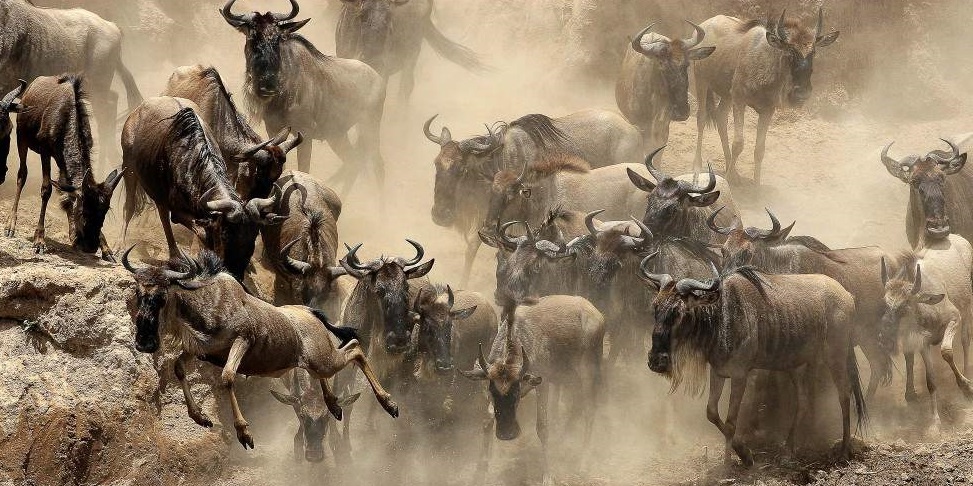
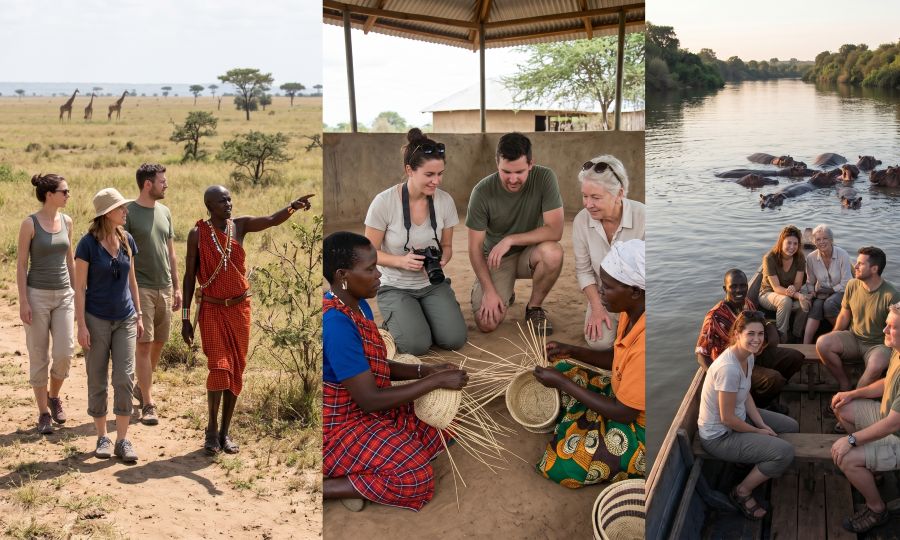
Travelling around Africa is a thrilling adventure. The continent abounds in diversity, with bustling cities, remote villages, wild savannahs, and coastal getaways. However, language is one of the first challenges most visitors encounter. With over 2,000 languages spoken across Africa, navigating communication can seem daunting. But leaping over Africa’s language barriers is not only possible – it can also enrich your travel experience and deepen your connection to the continent.
Language barriers can prevent travellers from forming meaningful connections with locals, experiencing authentic cultural values, and navigating cities and rural areas effectively. This guide provides practical tips, strategies, and insights to help you overcome language barriers and make your African journey more fulfilling. Whether you are a first‑time visitor or a seasoned traveller, these strategies will help you leap over Africa’s language barriers with confidence.
Understanding Africa’s Linguistic Landscape
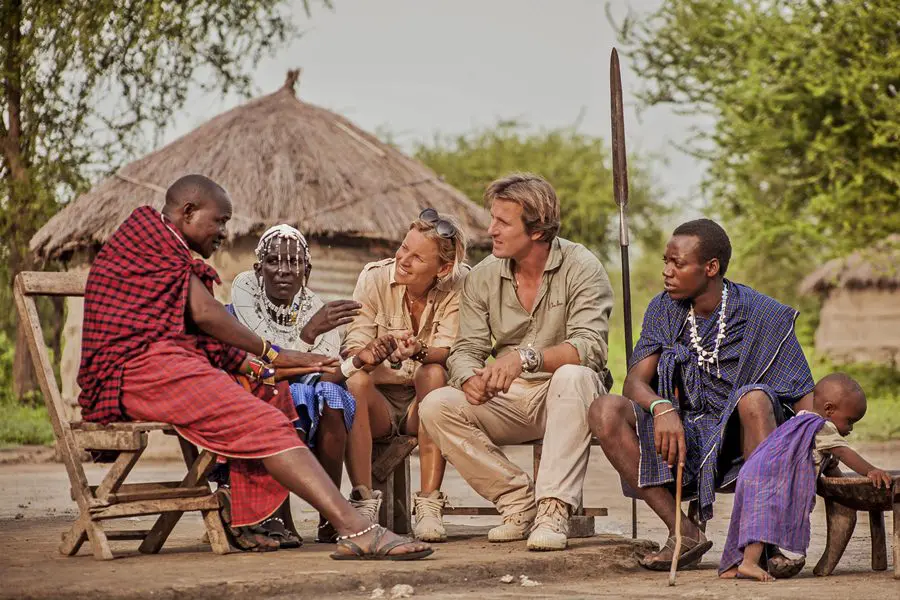
Africa is the most linguistically diverse continent in the world. Key facts include:
- Over 2,000 languages are spoken across the continent.
- African languages belong to major families, including Niger‑Congo, Afroasiatic, Nilo‑Saharan, and Khoisan.
- Many countries are multilingual, with multiple official or widely used languages. South Africa has 11 official languages, and Nigeria has over 500 languages.
For travellers, this diversity means that languages and dialects can vary significantly within a single country. Understanding this fact is the first step in learning how to navigate Africa’s language barriers.
Common Languages in Africa
While local languages are widely used, several lingua francas facilitate communication across regions:
1. English
- Official language in countries such as South Africa, Kenya, Nigeria, Ghana, and Uganda.
- Commonly used in urban areas, hotels, and tourist centres.
2. French
- Widespread in West and Central Africa, including Senegal, Ivory Coast, Mali, and Cameroon.
- Most signage, menus, and official publications are in French.
3. Portuguese
- Official language in Angola, Mozambique, Guinea‑Bissau, and Cape Verde.
4. Arabic
- Dominant in North Africa, including Egypt, Morocco, Tunisia, Algeria, and Sudan.
5. Swahili
- A lingua franca across East Africa, spoken in Kenya, Tanzania, Uganda, and parts of the Democratic Republic of Congo.
Familiarity with these languages – or at least awareness of them – helps travellers navigate airports, transport, restaurants, and markets more easily.
How Language Barriers Affect Travellers
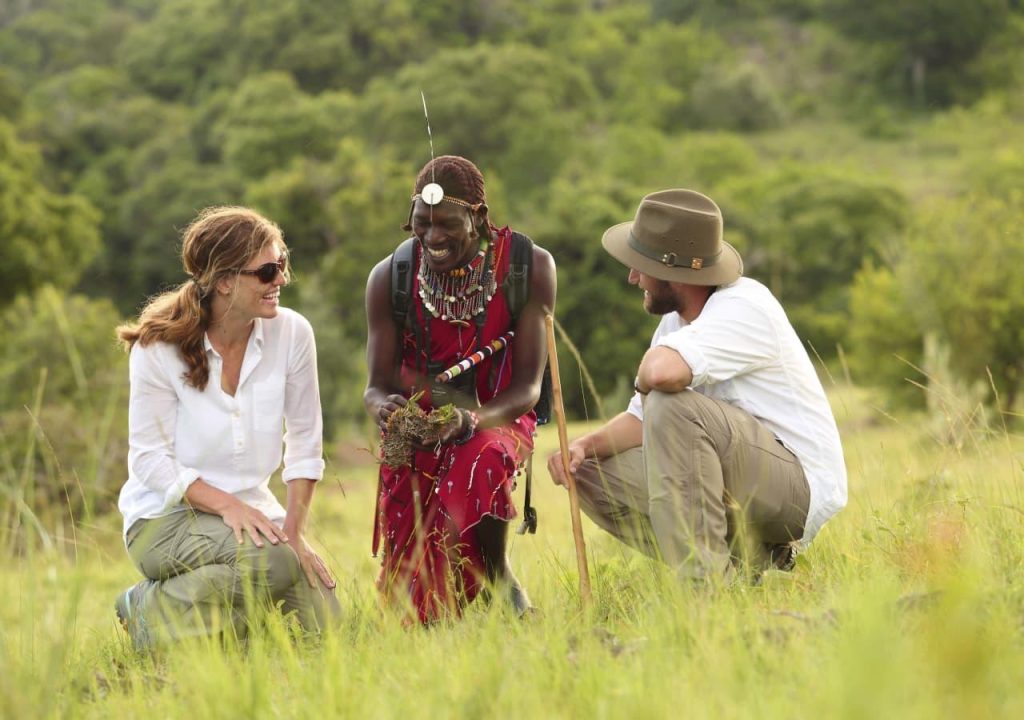
Language barriers can impact several aspects of your journey, including:
- Transport: Asking for directions or understanding schedules.
- Accommodation: Checking into hotels or guesthouses.
- Dining: Ordering food or deciphering menus.
- Shopping: Negotiating in markets or purchasing souvenirs.
- Cultural Experience: Connecting with locals and understanding traditions.
By mastering strategies for leaping over Africa’s language barriers, travellers can ensure their journey is smooth and culturally enriching.
Strategies for Leaping over Language Barriers in Africa
1. Learn Basic Phrases
Every word in a local language makes a difference. Focus on:
- Greetings: Hello, Good morning, Good evening.
- Courtesies: Thank you, Please, Excuse me.
- Directions: Where is…? How much?
- Numbers: Helpful for shopping and transport.
Apps such as Duolingo, Memrise, or Google Translate can help travellers learn key phrases before departure.
2. Use Translation Apps
Technology has made it easier to leap over Africa’s language barriers. Recommended apps include:
- Google Translate: Offers offline language packs for use without internet.
- Microsoft Translator: Provides live conversation translation.
- iTranslate: Features voice recognition and phrasebooks.
Offline translation features are especially useful in markets and rural areas where internet may be slow.
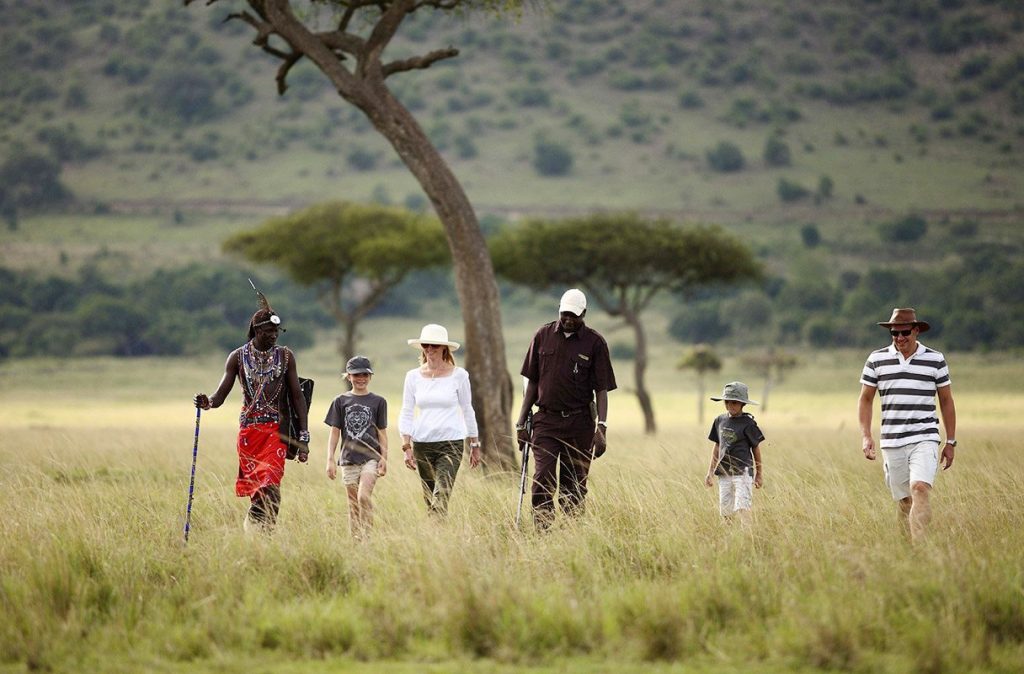
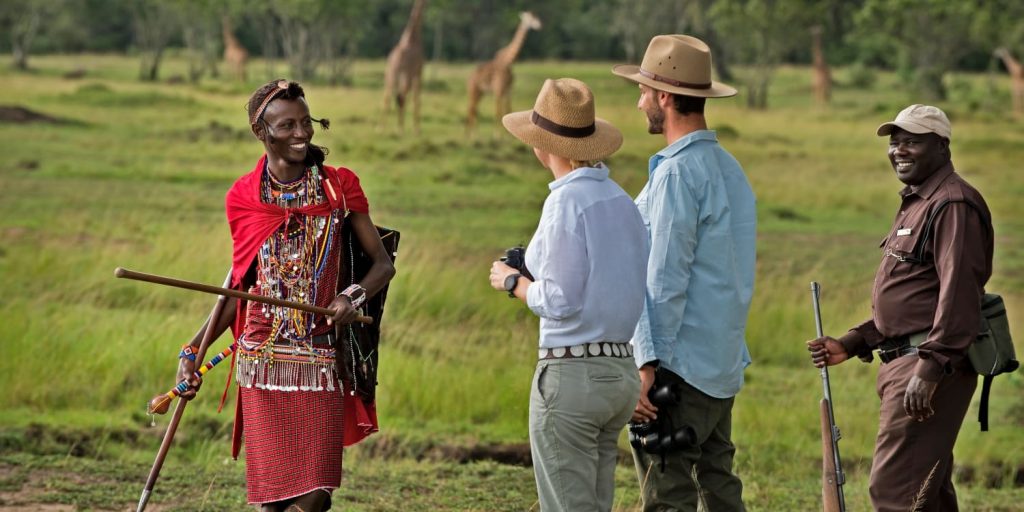
3. Hire Local Guides or Translators
Local guides are invaluable for communication and cultural interpretation. Benefits include:
- Translating complex instructions and local customs.
- Providing historical and cultural context.
- Assisting with price negotiation or transport arrangements.
Guides are particularly helpful in remote areas where English or French may not be widely spoken.
4. Use Non‑Verbal Communication
Facial expressions, gestures, and body language are universal tools for overcoming language barriers:
- Point to objects or pictures to clarify meaning.
- Nod, smile, or use handshakes to convey friendliness.
- Observe and mirror local non‑verbal cues.
Non‑verbal communication often serves as a bridge in rural or multilingual environments.
5. Use Visual Aids
Prepare simple visual aids to overcome language barriers:
- Maps of your destination.
- Images of food or attractions.
- Written key words and numbers.
Visual messages can be communicated quickly and with less misunderstanding.
Country‑Specific Advice
North Africa
- Mostly Arabic and French.
- Learning basic Arabic greetings is highly valued.
- In Morocco, French is widely spoken in urban areas, though rural regions may rely on Berber languages.
West Africa
- Countries such as Senegal and Ivory Coast speak French; Ghana and Nigeria speak English.
- Local languages like Wolof (Senegal) or Yoruba (Nigeria) are used daily.
- Learning local greetings is respectful and creates opportunities for connection.
East Africa
- Swahili is commonly spoken in Kenya, Tanzania, and Uganda.
- English is also common in city centres and tourist areas.
- Using Swahili words like “Jambo” (Hello) or “Asante” (Thank you) enhances local interactions.
Southern Africa
- English is widely spoken in South Africa, Botswana, and Zimbabwe.
- Local languages such as Zulu, Xhosa, and Shona are also common.
- Local greetings build respect and relationships.
Central Africa
- French and Portuguese are spoken in countries such as the Democratic Republic of Congo and Angola.
- In many rural areas, foreign languages are limited – a local guide is invaluable.
Overcoming Challenges in Rural Areas
Language challenges are more pronounced in rural Africa, where local dialects are used and English or French may be limited. To navigate these areas:
- Hire a local guide familiar with the region and dialects.
- Carry paper maps, phrase sheets, and photos.
- Approach interactions with friendliness and patience – locals appreciate effort.
- Learn key phrases in the dominant local language.
These tactics make leaping over Africa’s language barriers more manageable, even in the most remote regions.
Language and Cultural Sensitivity
Communication goes beyond words:
- Learn when to speak and when to listen.
- Avoid slang or offensive gestures.
- Observe how locals greet and address each other.
- Show respect for formalities and titles.
Cultural awareness enhances communication and makes interactions more meaningful.
Technology and Offline Solutions
In rural areas, internet connectivity may be limited. To maintain communication:
- Download offline language packs on Google Translate.
- Use offline maps (Google Maps or Maps.me).
- Preload phrasebooks or audio guides with key phrases.
Offline tools ensure you can communicate safely and confidently even without internet access.
Building Confidence in Multilingual Environments
Travellers can feel overwhelmed when faced with multiple languages. Confidence comes from:
- Having prepared phrases and apps.
- Remaining patient and calm.
- Embracing mistakes as learning opportunities.
- Observing and imitating local communication patterns.
When travellers approach language barriers with curiosity, they often find it a rewarding aspect of travel.
Pre‑Travel Preparation Tips
- Listen to podcasts or music in your destination languages.
- Watch local movies or documentaries.
- Practice greetings with friends or language groups.
- Use flashcards for key words and phrases.
Preparation makes leaping over Africa’s language barriers an engaging game rather than a challenge.
Key Takeaways for Travellers
- Africa is linguistically diverse – be prepared.
- Learning basic greetings and phrases is invaluable.
- Technology, translation apps, and visual aids can bridge gaps.
- Local guides and cultural sensitivity enhance communication.
- Flexibility, patience, and humour are essential for positive interactions.
With these strategies, travellers can transform language barriers into opportunities for cultural immersion and authentic connections.
Frequently Asked Questions
Q1: What is the easiest language to learn for a tourist in Africa?
A1: English and French are most useful, depending on the region. Swahili is also valuable in East Africa.
Q2: What should I do if I cannot speak English or French?
A2: Use translation apps, gestures, pictures, or a local guide. Friendliness and patience go a long way.
Q3: Do locals appreciate when tourists try to speak their language?
A3: Absolutely. Even a few words show respect and often lead to warmer interactions.
Q4: Can I rely solely on apps for communication?
A4: Apps are useful, but combining technology with gestures, cultural awareness, and human assistance works best.
Q5: Is it necessary to learn a local dialect for a short visit?
A5: It is not necessary, but learning key phrases makes the experience more enjoyable and reduces stress.
Conclusion
Leaping over Africa’s language barriers is both a challenge and an opportunity. With over 2,000 languages across the continent, preparation, technology, cultural awareness, and curiosity are essential. By learning key phrases, using translation tools, hiring local guides, relying on non‑verbal communication, and respecting cultural norms, travellers can navigate Africa with confidence.
Breaking language barriers opens doors to authentic experiences, meaningful relationships, and a deeper understanding of the continent. Africa’s linguistic diversity should not deter you – it should inspire you to engage, learn, and explore. With the right strategies, leaping over Africa’s language barriers becomes one of the most rewarding parts of your journey.