
Visiting the African continent can be one of the most rewarding experiences of a lifetime. Africa offers untold wonders, from stunning wilderness tours and bustling metropolises to rich cultural and heritage sites. However, despite the adventure and fascination, travellers must also consider their health and safety. Medical care in Africa for travellers is a critical topic that directly affects trip planning, budgeting, and peace of mind. Understanding how healthcare systems operate in various African nations, the quality of medical facilities, and being prepared for health‑related events ensures travellers have a safe and enjoyable trip.
Africa is a large and heterogeneous continent with over 50 nations, each with different healthcare indicators, infrastructure, and medical availability. While some countries have private hospitals that meet global standards with internationally trained doctors, others have limited resources, particularly in rural areas. This article provides practical, up‑to‑date, and actionable information on healthcare access, emergency services, travel insurance, vaccinations, and medical preparedness for anyone planning to visit Africa.
Understanding Medical Care in Africa for Travelers
When discussing medical care in Africa for travellers, it is essential to understand that healthcare quality varies significantly by region. Large urban centres like Johannesburg, Nairobi, Cairo, Cape Town, and Casablanca typically have modern private hospitals meeting international standards. These facilities usually offer high‑quality diagnostic equipment, English‑speaking health professionals, and specialised treatment.
Conversely, public healthcare systems in many African countries are stretched thin and under‑invested. While they serve local populations to the best of their ability, travellers are generally advised to rely on private healthcare facilities whenever possible. Remote and rural areas may have basic clinics, limited medicines, and minimal emergency services.
For travellers, this means that planning is essential. Having the contact number of the nearest reputable hospital, knowing how emergency services can be accessed, and being aware of the possibility of medical evacuation can be crucial during a medical emergency.
Hospitals and Clinics in Africa
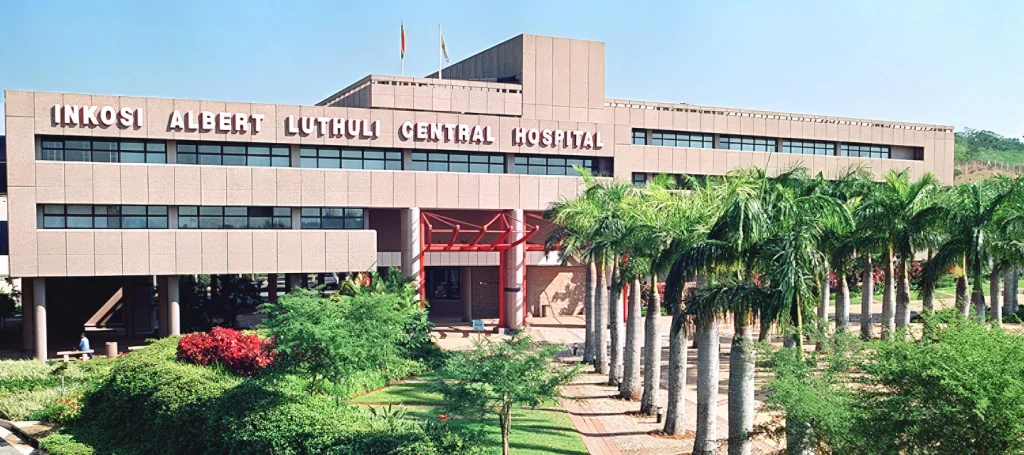
Several African countries have excellent private healthcare systems. South Africa, Tunisia, Egypt, and Morocco are known for the quality of their private healthcare facilities. These destinations are also considered medical tourism destinations due to affordability and qualified professionals.
Private hospitals in Africa typically require payment before receiving care, including in emergencies. They may not accept international insurance directly, so travellers should be prepared to pay upfront and claim reimbursement later. Public hospitals are the most affordable option but often have long queues, limited equipment, and shortages of trained personnel.
Emergency Medical Services and Response Time
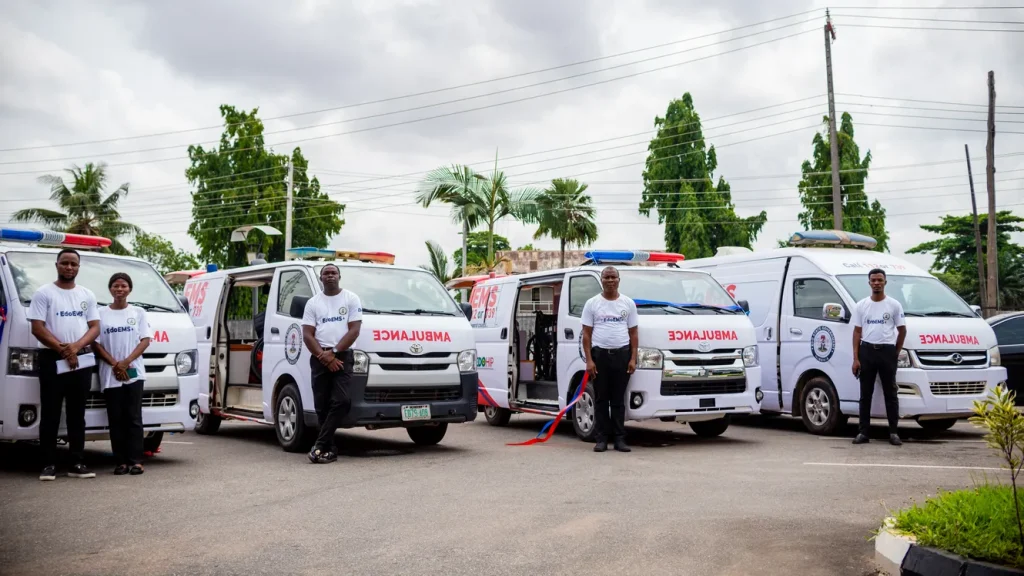
Emergency medical services are not evenly distributed across Africa. In large cities, ambulance services exist but may respond slowly due to traffic congestion, scarce resources, or logistical challenges. In rural areas, emergency response may be basic or non‑existent.
Travellers should not expect rapid help after dialling a universal emergency number. Instead, they should have contact details for private ambulance services, hospitals, and available local emergency numbers readily available. Many travel insurance providers offer 24/7 emergency assistance hotlines that can help arrange treatment and evacuation if necessary.
In critical situations, such as severe injuries or life‑threatening illnesses, medical evacuation to another country or back home may be the best option. This makes comprehensive travel insurance essential.
Medical Evacuation and Travel Insurance
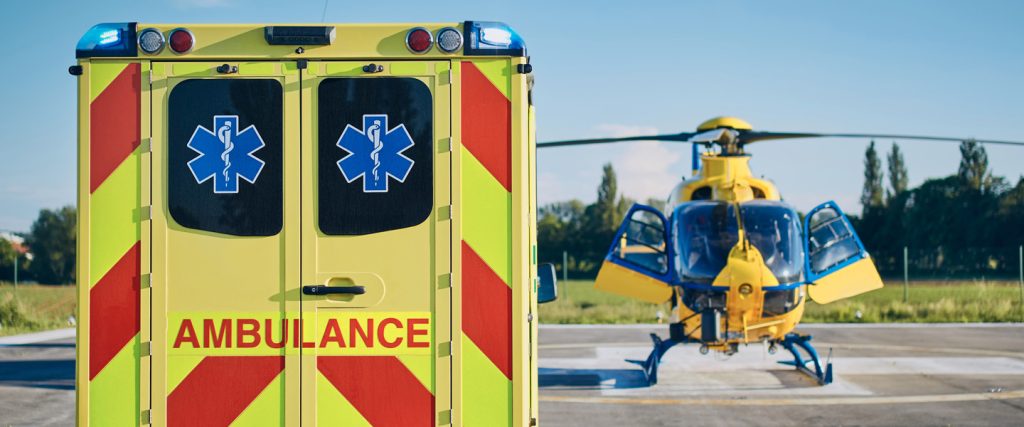
No discussion on healthcare preparedness is complete without highlighting travel insurance. For anyone visiting Africa, medical coverage that includes hospitalisation and evacuation is non‑negotiable. Emergency medical evacuation can cost tens of thousands of dollars.
When choosing travel insurance, ensure it specifically covers:
- Emergency medical care
- Hospitalisation coverage
- Medical evacuation and repatriation
- Adventure activity coverage (where applicable)
Some African countries may require proof of insurance at the port of entry, and most private hospitals request insurance information before treatment. Travel insurance is a critical component of safe travel planning.
Vaccinations and Preventive Healthcare
Preventive healthcare significantly reduces medical risks when travelling. Several African countries require or strongly recommend certain vaccinations before entry. Common vaccinations include yellow fever, hepatitis A and B, typhoid, tetanus, and meningitis.
Malaria prevention is also crucial in many areas. Antimalarial medication, insect repellent, and mosquito nets are essential for travellers, particularly in sub‑Saharan Africa. It is recommended to visit a travel health clinic at least six to eight weeks before departure to allow time for vaccinations and medical consultations.
Preventive care minimises the need to use local medical systems and lowers overall health risks during travel.
Common Health Risks for Travellers
Travellers in Africa may encounter health risks unfamiliar to them. These include food‑ and water‑borne diseases, heat‑related illnesses, insect‑borne diseases, and altitude sickness in some areas.
Food safety practices – such as drinking bottled water, avoiding raw foods, and eating at reputable establishments – can significantly reduce the risk of illness. Travellers are also strongly advised to carry a basic medical kit containing painkillers, anti‑diarrhoeal medication, rehydration salts, and prescription medicines.
Understanding these risks and taking preventive steps is a key part of navigating medical care in Africa for travellers successfully.
Language Barriers and Communication in Healthcare
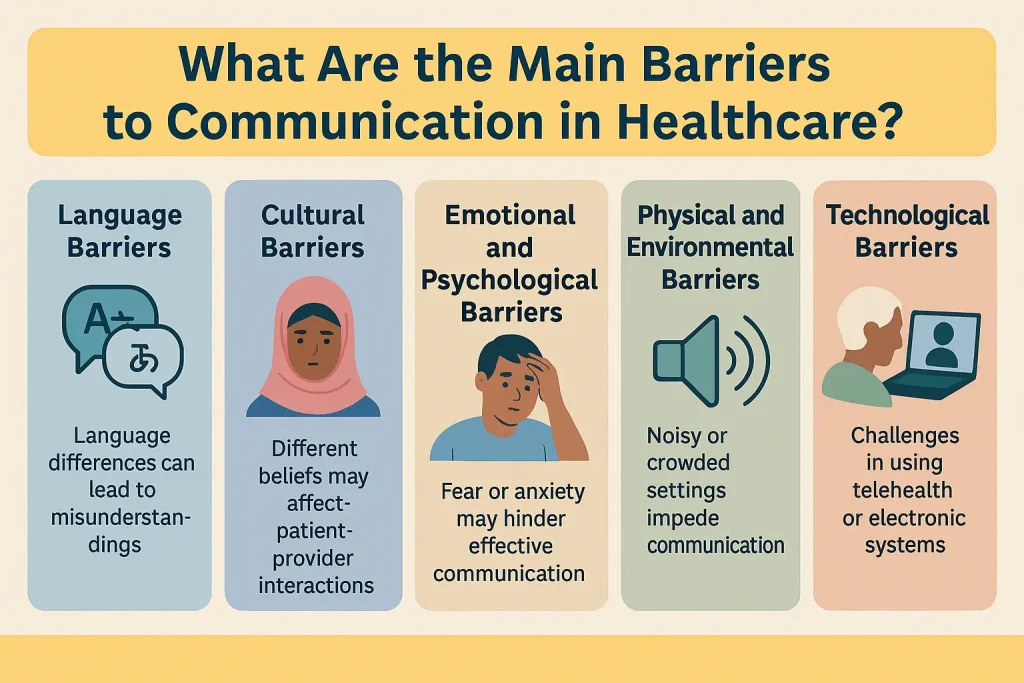
English and French are commonly spoken in most African hospitals, particularly those serving international patients. However, language barriers may arise in public hospitals or rural clinics.
Travellers should consider carrying a medical information card translated into the local language, listing allergies, medical conditions, blood type, and emergency contacts. Translation apps on mobile phones can also be useful during medical consultations.
Effective communication ensures accurate diagnosis and treatment, reducing the risk of misunderstandings when receiving medical care.
Costs of Medical Care for Travellers
Medical care is available across Africa, but costs vary significantly by country, facility, and treatment type. While generally lower than in Western countries, surgeries, hospitalisation, or specialised care can still become expensive very quickly.
Most private hospitals require upfront payment in cash or by credit card. Having emergency funds and understanding insurance reimbursement processes ensures financial security in case of unexpected medical needs.
Special Considerations for Adventure and Safari Travellers

Africa is a popular destination for adventure activities such as safaris, hiking, diving, and wilderness exploration. These experiences are often in remote areas far from major cities and healthcare facilities.
Before embarking on adventure travel, ensure that tour operators have emergency measures in place and evacuation services available. Disclose any medical conditions and carry necessary medication at all times.
Adventure travellers should be particularly mindful of medical care in Africa, as remote locations increase reliance on preparation rather than immediate medical access.
Telemedicine and Digital Health Resources
Telemedicine is becoming more available in parts of Africa. Some private hospitals and international clinics offer virtual consultations, allowing travellers to speak with a doctor remotely.
Telehealth services may also be included in travel insurance policies and can be practical for managing minor illnesses or obtaining medical advice without visiting a hospital. While telemedicine is not a substitute for emergency care, it is a useful addition to travellers’ healthcare options.
Conclusion
Travelling across Africa is an enriching and life‑changing experience, but healthcare preparedness should never be neglected. Medical care in Africa for travellers is not a one‑size‑fits‑all concept; it depends on destination, travel style, and individual health needs. By researching healthcare infrastructure, purchasing comprehensive travel insurance, obtaining required vaccinations, preparing for emergencies, and being aware of potential risks, travellers can minimise dangers and travel with confidence.
From large hospitals in major cities to basic clinics in rural areas, being informed enables travellers to make intelligent choices. With proper preparation, awareness, and respect for local healthcare realities, medical care in Africa becomes a manageable aspect of a safe and enjoyable journey. Ultimately, it is the empowered, informed traveller who will explore Africa carefully and safely, safeguarding their most important resource – their health.