
Experience Mudumu, Beyond Your Imagination
25+ years of expertise in 15 Africa Countries
1000+ thoughtfully selected travel partners
200,000+ travellers, many of whom return year after year

Why Travel With Exodussafaris?
25 Years of Safari Expertise
With over two decades of experience, we design tailor-made African safaris rooted in extensive on-the-ground knowledge and trusted regional relationships.
We Know Because We Go
Our long-standing presence across Africa gives us unmatched insight into every destination, lodge, activity, and hidden treasure we recommend.
24/7 Support
From your initial enquiry to your return home, we provide continuous support, ensuring every detail is handled seamlessly while our local partners deliver exceptional care throughout your journey.
Every Adventure Makes a Difference
Each safari contributes to the protection of vital ecosystems and uplifts local communities, helping preserve the natural and cultural heritage of the region.
Complete Financial Protection
We offer secure and reliable booking processes, giving you peace of mind that your investment is fully protected every step of the way.
World-Class Recognition, Trusted by Travellers
Celebrated by leading travel authorities, our reputation is built not only on awards but on the genuine experiences and trust of our travellers worldwide.
Mudumu Gallery
Where To Go In Mudumu
Mudumu offers a rich variety of landscapes, wildlife zones, and cultural experiences, making it a destination filled with diverse places waiting to be explored.
Mudumu National Park
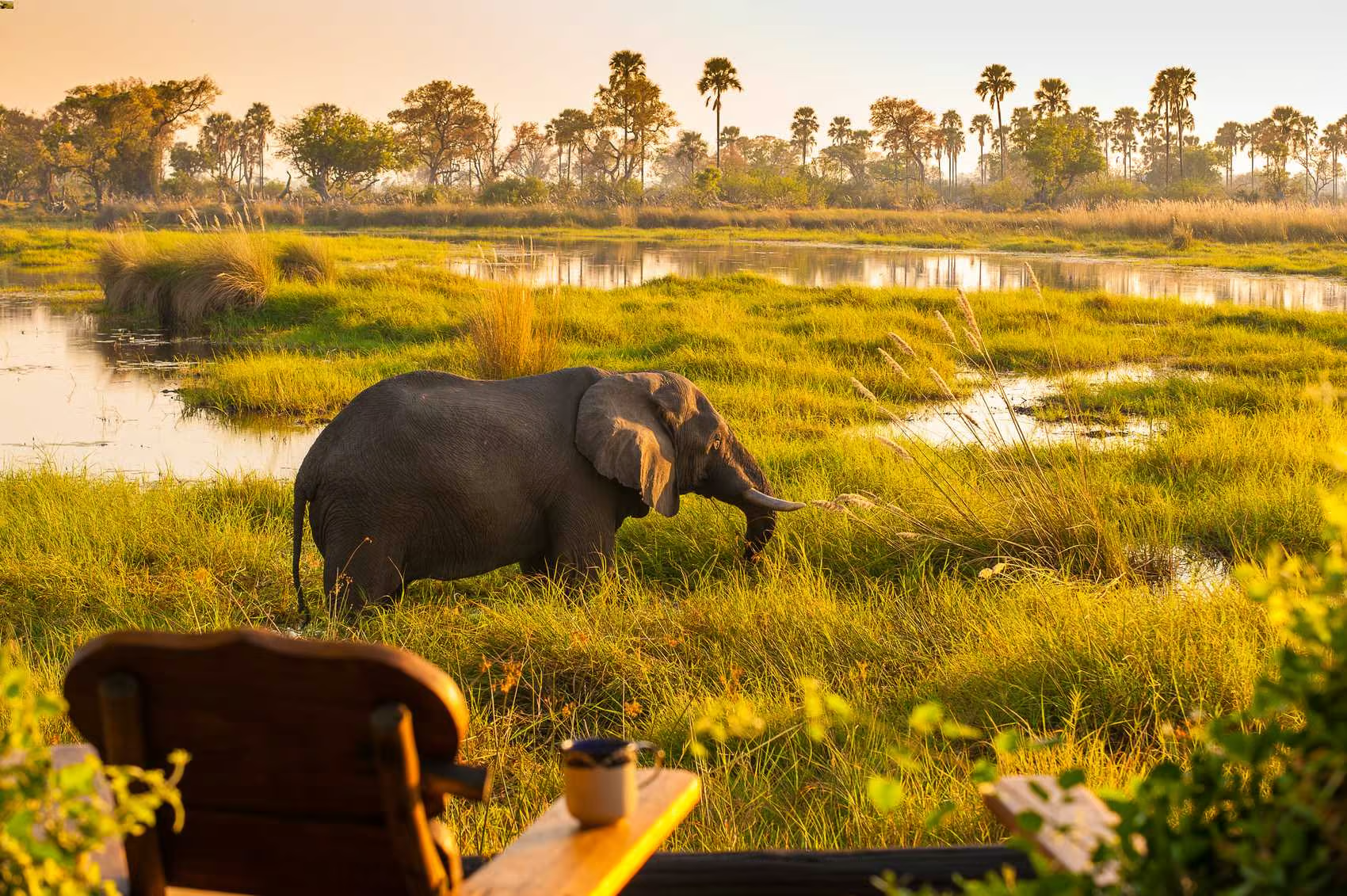
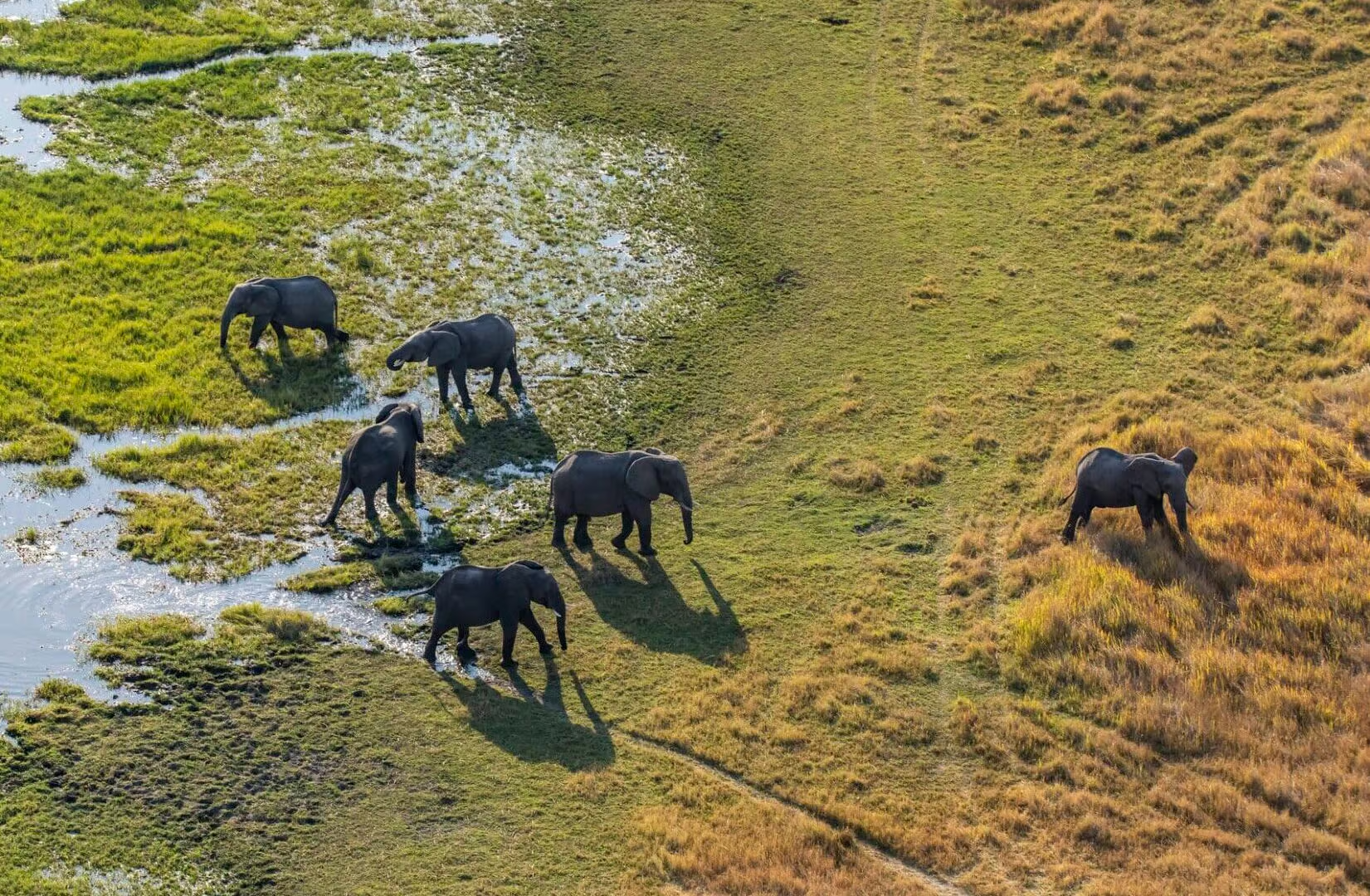
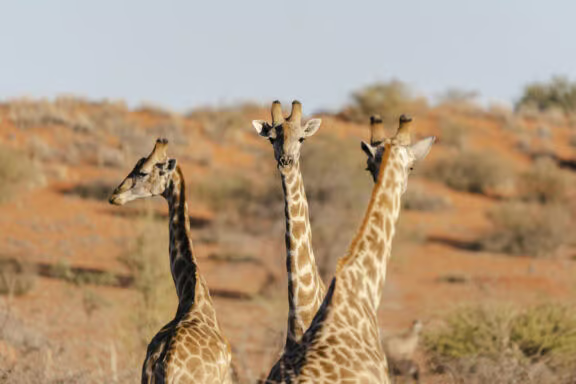
This protected area is the heart of the region, known for its vast floodplains and dense mopane woodlands. It provides excellent opportunities to see elephants, buffalo, and antelope species in their natural habitat. Game drives here feel intimate and uncrowded, offering a true wilderness experience. Birdlife is also abundant, especially along the waterways.
Kwando River
The Kwando River is a lifeline of the region, attracting wildlife throughout the year. Boat safaris along the river offer a unique perspective, with sightings of hippos, crocodiles, and elephants cooling off along the banks. The calm waters and scenic surroundings make it ideal for photography and relaxation. It’s also a hotspot for bird enthusiasts.
Nkasa Rupara National Park
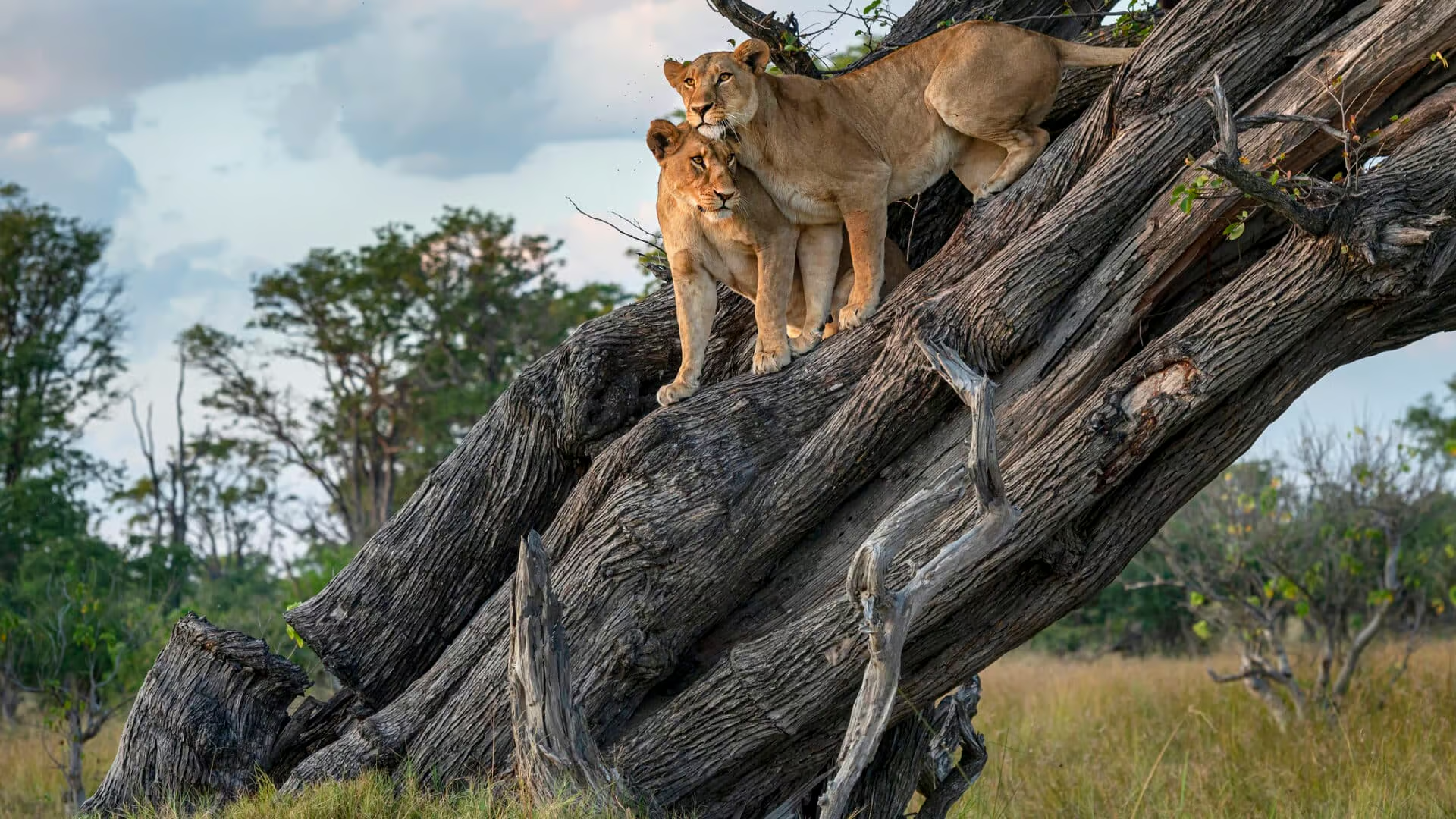
Located nearby, this park complements Mudumu with its wetland ecosystems and seasonal floodplains. It is particularly known for its large herds of buffalo and predators like lions. The landscape transforms dramatically with the seasons, creating ever-changing safari experiences. It remains one of Namibia’s lesser-visited gems.
Lianshulu Lodge Area
This area combines comfort with proximity to wildlife-rich zones. It offers guided activities such as game drives and walking safaris led by experienced guides. The lodge surroundings frequently attract animals, allowing for sightings even without venturing far. It’s ideal for travellers seeking both relaxation and adventure.
Mashi Conservancy
A community-run conservation area that highlights the balance between tourism and local livelihoods. Visitors can engage in cultural experiences while enjoying wildlife viewing. The conservancy plays a key role in protecting biodiversity. It offers a more immersive and meaningful travel experience.
Bwabwata National Park (Kwando Core Area)
This region blends conservation with community living, offering a unique safari dynamic. Wildlife roams freely alongside local villages, creating a rare coexistence. Visitors can explore diverse habitats, from woodlands to riverine forests. It’s particularly rewarding for those interested in conservation models.
Susuwe Area
Known for its remote and untouched feel, Susuwe offers a quieter safari experience. The area is excellent for spotting shy and elusive wildlife. Its isolation enhances the sense of adventure. It’s perfect for travellers seeking solitude in nature.
Nakatwa Wetlands
These wetlands are a seasonal highlight, especially during and after the rains. They attract large numbers of birds and grazing animals. The lush scenery provides a striking contrast to the dry season landscapes. It’s a must-visit for birdwatchers.
Kwandu Conservancy
A vibrant conservation area rich in wildlife and cultural encounters. It supports sustainable tourism initiatives that benefit local communities. Game drives and guided walks reveal diverse flora and fauna. It’s a great place to learn about conservation efforts firsthand.
Mayuni Conservancy
Situated along the Kwando River, this conservancy offers excellent wildlife viewing. Elephants are frequently seen moving through the area. Cultural visits provide insight into local traditions and lifestyles. It’s a blend of nature and heritage.
Horse Shoe Bend (Kwando River)
A scenic curve in the river that attracts wildlife throughout the day. It’s an excellent spot for photography, especially during sunrise and sunset. Animals gather here to drink, creating dynamic viewing opportunities. The peaceful setting enhances the safari experience.
Lizauli Traditional Village
This cultural site offers visitors a chance to experience traditional lifestyles. Guided tours introduce local customs, crafts, and daily activities. It provides a deeper understanding of the region’s heritage. It’s an enriching complement to wildlife safaris.
Kongola Area
A small but lively hub near Mudumu, offering access to lodges and local markets. It serves as a gateway to various attractions in the region. Visitors can interact with locals and explore nearby natural sites. It’s a convenient stop for travellers.
Sangwali Area
This area provides access to both Mudumu and Nkasa Rupara parks. It’s ideal for combining multiple safari experiences. The surrounding landscapes are rich in wildlife and birdlife. It’s a strategic base for exploration.
Best Time To Visit Mudumu
The best time to visit Mudumu is during the dry season from May to October, when wildlife gathers around water sources, making sightings easier and more consistent.
Mudumu Safari in January
January falls in the peak of the rainy season, bringing lush vegetation and vibrant landscapes. Wildlife is more dispersed due to abundant water, but the scenery is at its most beautiful. Birdwatching is exceptional, with migratory species in full display. Roads can be challenging, so travel plans should be flexible.
Mudumu Safari in February
February continues the wet season, with frequent rains and high humidity. The environment remains green and full of life, making it a great time for photography. Birdlife thrives, and young animals are often seen. However, game viewing can be more difficult due to thick vegetation.
Mudumu Safari in March
Rains begin to ease, and the landscape remains lush and fertile. Wildlife starts to become more visible as water sources gradually shrink. Birdwatching is still excellent during this transition period. It’s a quieter time to visit with fewer tourists.
Botswana Safari in April
April marks the transition into the dry season, with pleasant temperatures and reduced rainfall. Vegetation begins to thin, improving wildlife visibility. It’s an ideal time for both game viewing and scenic exploration. Conditions are comfortable for travel.
Mudumu Safari in May
The dry season sets in, bringing cooler mornings and evenings. Wildlife starts concentrating around permanent water sources. Game viewing becomes more predictable and rewarding. It’s a popular time for safaris due to favorable conditions.
Mudumu Safari in June
June offers cool, dry weather with excellent visibility. Animals gather in larger numbers near rivers and waterholes. The lack of rain makes travel easy and reliable. It’s one of the best months for consistent wildlife sightings.
Mudumu Safari in July
July is one of the peak safari months, with dry conditions and abundant wildlife. Vegetation is sparse, making animals easier to spot. Temperatures can be quite cool, especially in the mornings. It’s ideal for both game drives and photography.
Mudumu Safari in August
Dry conditions continue, with increasing wildlife activity around water sources. Predator-prey interactions become more frequent. Days are warm, while mornings remain cool. It’s an excellent time for a classic safari experience.
Mudumu Safari in September
Temperatures begin to rise, and water becomes scarce. Wildlife congregates heavily around remaining water sources, enhancing viewing opportunities. It’s one of the most rewarding months for big game sightings. Conditions are dry and clear.
Mudumu Safari in October
October is hot and dry, with intense wildlife activity. Animals are highly concentrated, making sightings frequent. The heat can be challenging, but the rewards are significant. It’s a prime time for experienced safari-goers.
Mudumu Safari in November
The first rains arrive, bringing relief from the heat. Wildlife begins to disperse as new water sources appear. The landscape starts to turn green again. It’s a transitional month with fewer tourists.
Mudumu Safari in December
December sees increased rainfall and lush scenery returning. Birdlife flourishes, and the environment becomes vibrant. Wildlife viewing can be more challenging due to dense vegetation. It’s ideal for those seeking a quieter, scenic safari.
Our Recommended Activities In Mudumu
Explore our recommended experiences in Mudumu and find your perfect way to connect with its natural beauty.
Chief’s Island
Moremi Game Reserve
Makgadikgadi Pans
Chobe National Park and Savuti Marsh
Khwai
Chief’s Island
Our Recommended Activities In Mudumu
Explore our recommended experiences in Mudumu and find your perfect way to connect with its natural beauty.
Chief’s Island
Moremi Game Reserve
Makgadikgadi Pans
Chobe National Park and Savuti Marsh
Khwai
Chief’s Island
Safari Lodges, Tented Camps and Villas
in Mudumu
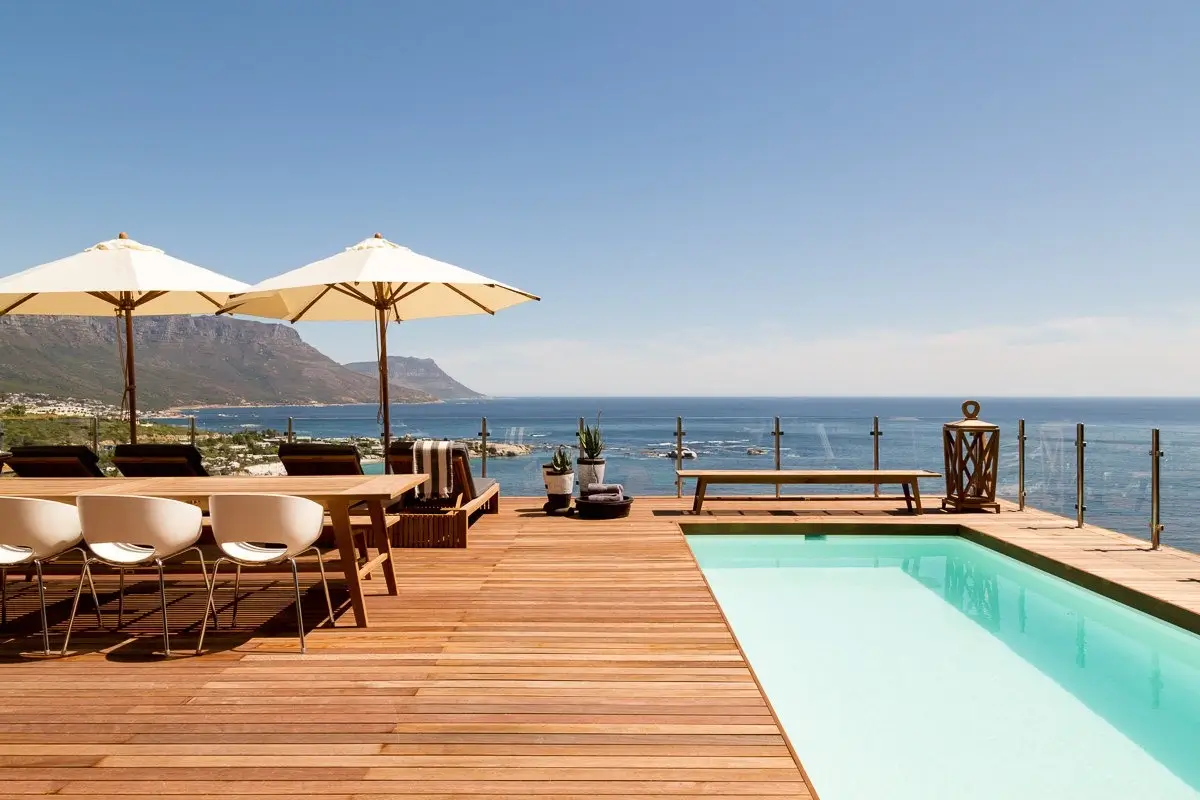
Savute Elephant Lodge, A Belmond Safari
- Botswana Chobe National Park
Belmond Savute Elephant Lodge is a luxury lodge in Chobe National Park known for its...

Luxury
African Bush Camps Atzaro Okavango Camp
- Botswana
Welcome to Atzaro Okavango, a premier safari destination that offers sustainable luxury in the heart...
Luxury
Cha Cha Metsi
- Botswana Okavango Delta
Explore our most popular safaris in Botswana and experience the magic of its untouched wilderness.cvbcccccccccccccccccccccc
Luxury
What You Need To Know About Mudumu Safaris
Find everything you need to know to plan your Mudumu adventure, from travel tips to essential insights for an unforgettable trip.
Mudumu Food and Tipping Practices
Food during Mudumu safaris typically includes a mix of international cuisine and local Namibian dishes, often served at lodges or camps. Meals are usually fresh, hearty, and tailored to dietary needs when requested in advance. Tipping is customary but not mandatory; guides, drivers, and lodge staff generally appreciate gratuities as a sign of good service. It’s advisable to carry small denominations for convenience.
Mudumu Food and Tipping Practices
Cost of a Mudumu Safari
The cost of a Mudumu safari varies depending on accommodation type, season, and level of luxury. Budget options may include basic campsites, while high-end lodges offer all-inclusive packages with guided activities. Prices generally cover accommodation, meals, and game drives. Travel costs to the region and park fees should also be factored in. Planning ahead can help secure better rates.
Cost of a Mudumu Safari
Packing List for Mudumu
Pack lightweight, neutral-colored clothing suitable for warm days and cooler mornings. Essentials include a wide-brimmed hat, sunscreen, insect repellent, and comfortable walking shoes. A good camera, binoculars, and a reusable water bottle are highly recommended. During the dry season, warm layers are necessary for early morning game drives. Don’t forget travel documents and basic medical supplies.
Packing List for Mudumu
Climate in Mudumu
Mudumu experiences a subtropical climate with distinct wet and dry seasons. The dry season is cooler and ideal for wildlife viewing, while the wet season brings heat, humidity, and rainfall. Temperatures can vary significantly between day and night. Understanding seasonal patterns helps in planning the best travel experience.
Climate in Mudumu
Languages in Mudumu
English is widely spoken and used for communication in tourism services. Local languages such as Lozi, Subia, and other regional dialects are commonly spoken by communities. Guides often speak multiple languages, enhancing visitor experiences. Learning a few local greetings can enrich cultural interactions.
Languages in Mudumu
Is Mudumu Safe?
Mudumu is generally safe for travellers, especially when visiting through established lodges or guided tours. Standard safari precautions should be followed, such as listening to guides and avoiding close contact with wildlife. Health considerations include vaccinations and malaria prevention. With proper planning, it is a safe and rewarding destination.
Is Mudumu Safe?
What People Say About Us
We are the leading travel agency offering different programs and higher education diplomas that are designed with global requirements in mind.
Unforgettable Safari Experience!
— Jennifer L., USA
Incredible Service from Start to Finish
— Thomas K., Germany
Wildlife Like You’ve Never Seen!
— Sarah M., Australia
Perfect for First-Time Safari Travelers
— Mark & Ellie B., UK
A Dream Honeymoon!
— Nadia & Carlos R., Spain
Blog and articles
Latest travel tips and blog covering all travel experiences. Check out our mentions in different guides and articles.

Our Trusted Safari Partners in Africa
Latest travel tips and blog covering all travel experiences. Check out our mentions in different guides and articles.