Driving across Africa is one of the most rewarding ways to experience the continent’s incredible diversity. Whether you are exploring the Namibian deserts, the South African Garden Route, Kenya’s wildlife‑rich savannahs, or Morocco’s ancient medinas, the freedom of the open road is unmatched. However, driving through Africa also presents challenges: long distances, variable road conditions, and limited signage in certain areas.
This comprehensive guide provides actionable advice for planning your journey, selecting the right digital tools, staying safe on the road, and making the most of your adventure. Whether you are a long‑term expatriate, a multi‑country tourist, or a safari enthusiast, this guide will help ensure a smooth and enjoyable road trip.
The Unique Challenges of Driving Across Africa
Unlike most other continents, Africa offers a mix of modern highways, gravel roads, and remote tracks that require preparation and flexibility:
- Road Conditions: South Africa’s major highways are well maintained, while rural roads in Kenya or Botswana may be gravel, sand, or prone to potholes.
- Long Distances Between Services: Fuel stations, restaurants, and repair shops may be far apart, especially in desert or safari regions.
- Animal Crossings: Wildlife frequently crosses roads, particularly in national parks and rural areas.
- Varying Traffic Regulations: Speeds limits, driving sides, and alcohol limits differ by country.
To navigate these challenges successfully, a combination of apps, traditional maps, and practical travel planning is essential.
Planning Your Road Trip
1. Choose Your Route Carefully
Before setting off:
- Identify major destinations and attractions.
- Consider road conditions and whether off‑road capability is needed.
- Check seasonal weather patterns – some routes become impassable during rains.
- Allow buffer time for wildlife viewing, cultural stops, and unexpected delays.
Popular routes include:
- Garden Route (South Africa): Scenic coastal roads with good access.
- Skeleton Coast and Dunes (Namibia): 4×4 vehicles required for sandy tracks.
- Maasai Mara and Great Rift Valley (Kenya): Mix of paved and unpaved roads.
- Atlas Mountains and Desert Roads (Morocco): Winding mountain routes with varied surfaces.
2. Check Vehicle Requirements
Vehicle choice is critical:
- City Driving: Compact SUVs or sedans are suitable.
- Off‑Road or Rural: 4×4 vehicles are recommended for gravel, sand, or off‑road tracks.
- Long‑Distance Travel: Ensure the vehicle is fuel‑efficient with adequate trunk space.
Essential items to carry:
- Spare tyres, jacks, and tools.
- First aid kit, fire extinguisher, and emergency triangles.
- GPS or offline navigation devices.
3. Legal Requirements
Ensure compliance with local laws:
- A valid driving licence – an International Driving Permit (IDP) is often required.
- Vehicle registration and insurance papers.
- Knowledge of local traffic regulations, including speed limits and seatbelt laws.
- Awareness of alcohol limits and mobile phone restrictions while driving.
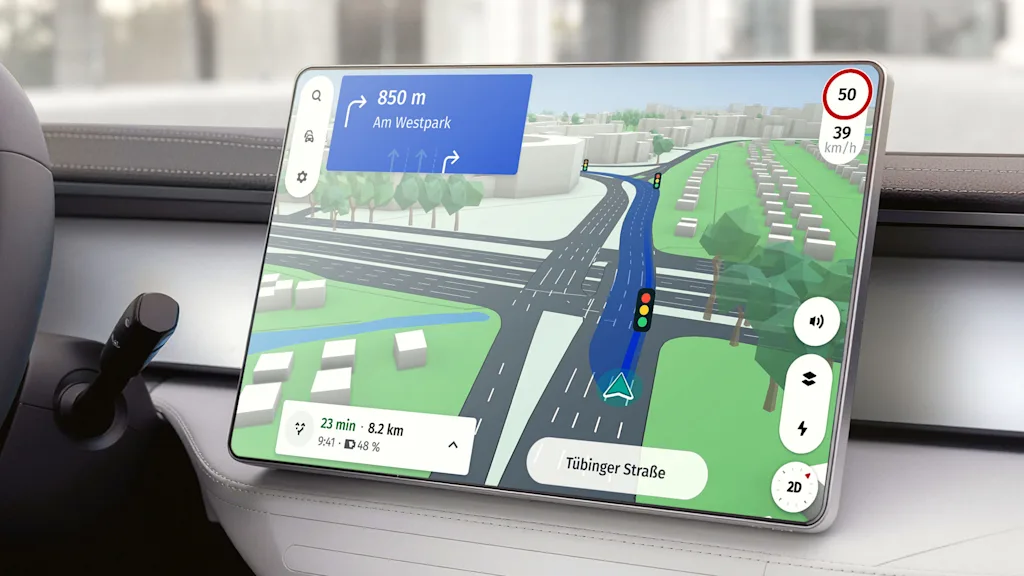
The Best Apps for Driving in Africa
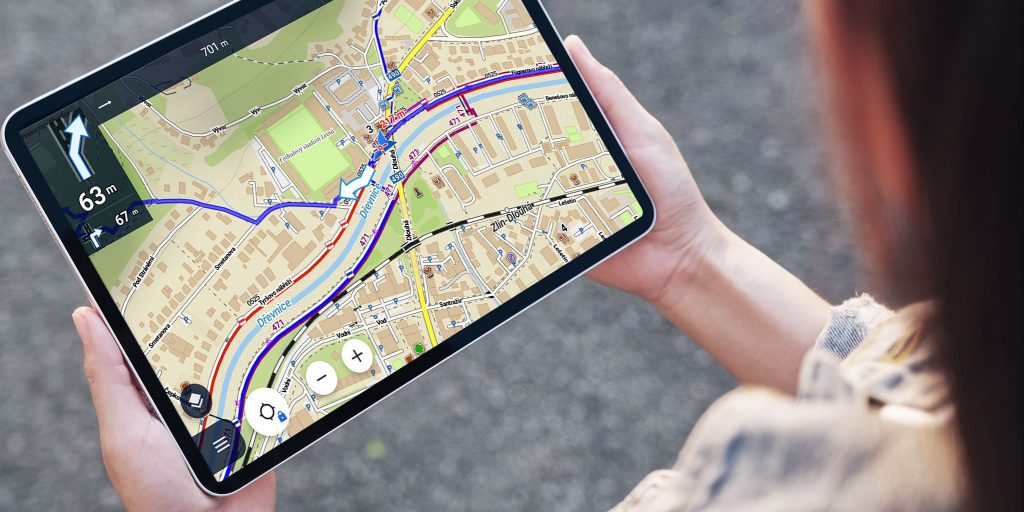
Technology has transformed road travel. Here are the best options:
1. GPS Navigation Apps
- Google Maps: Widely used in cities and towns; offers real‑time traffic, directions, and points of interest. Offline availability is limited in remote areas.
- Maps.me: Fully offline maps with detailed routes, points of interest, and trail navigation – perfect for areas with no mobile data.
- Waze: Useful for traffic updates in countries like South Africa, Morocco, and Egypt; provides live alerts from local drivers.
Download offline maps before entering areas with limited connectivity.
2. Safety and Assistance Apps
- RoadHero (South Africa): Alerts for road hazards, accidents, and emergency contacts.
- MySOS (Kenya/Tanzania): Lists hospitals, police stations, and roadside services.
- Google Translate: Helps with communication at fuel stations or checkpoints where English or French is not widely spoken.
3. Fuel and Service Station Apps
- Petrolprices.co.za (South Africa): Tracks fuel stations, prices, and distances.
- GasBuddy: Useful in cities for finding the latest fuel prices.
- Local Dealer Apps: Some African oil companies offer apps to locate fuel stations.
4. Trip Booking and Accommodation Apps
- Booking.com / Airbnb: Find lodges, guesthouses, and safari camps along your route.
- TripAdvisor: Reviews and ratings for restaurants, attractions, and road stops.
- SafariBookings.com: Ideal for planning wildlife safaris in Kenya, Tanzania, or Botswana.
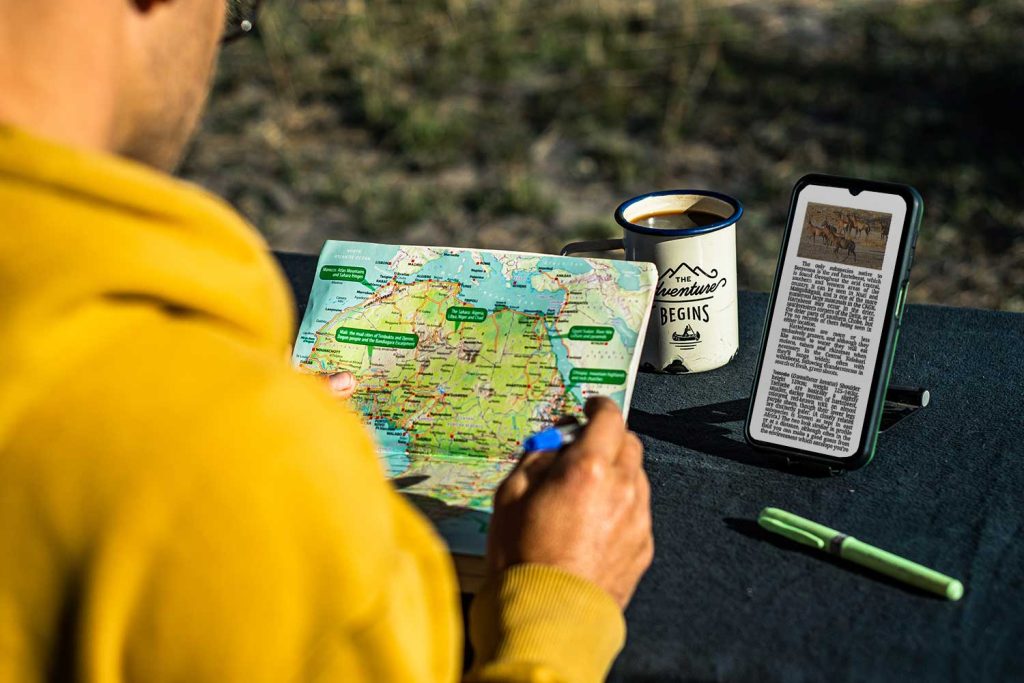
Using Traditional Maps in Africa
While apps are essential, traditional maps remain a vital backup:
- Paper Road Maps: Provide a broad overview when GPS fails.
- Topographic Maps: Useful for off‑road or desert travel.
- Travel Guides: Lonely Planet, Bradt Guides, and Rough Guides often include regional maps and driving tips.
Carrying both digital and paper maps ensures you are prepared for unexpected connectivity issues.
Safety and Navigation Tips
1. Always Know Your Location
- Keep a GPS device or smartphone with offline maps available.
- Mark key points such as fuel stations, rest areas, and lodges.
- Share your route with someone you trust.
2. Anticipate Road Conditions
- Rural routes may have gravel, sand, or mud.
- Rainy seasons can make dirt roads impassable.
- Highways may have potholes or irregular surfaces.
Drive slowly on unfamiliar roads to avoid tyre damage.
3. Watch for Wildlife and Livestock
- Animals often cross roads in parks and rural areas.
- Night driving is more risky; slow down and use high beams cautiously.
- Respect wildlife and do not approach animals in vehicles.
4. Manage Fuel Carefully
- Carry extra fuel for long journeys.
- Plan refuelling stops using apps or local knowledge.
- Check operating hours – rural stations may close early.
5. Be Prepared for Emergencies
- Keep a first aid kit, flashlight, water, and snacks.
- Know local emergency numbers.
- Always carry vehicle insurance and personal ID.
- Keep local currency for fuel, repairs, and tolls.
Tips for Optimising Your African Road Trip
1. Time Your Journey Wisely
- Avoid driving at night in rural areas.
- Plan stops for sightseeing, wildlife viewing, and cultural experiences.
- Allow for delays at checkpoints or border crossings.
2. Use Multiple Navigation Apps
Combining apps is more reliable:
- Google Maps for urban driving and traffic.
- Maps.me for offline rural navigation.
- Waze for real‑time hazard alerts.
3. Combine Technology with Local Knowledge
- Ask locals about shortcuts, road conditions, and secure parking.
- Consult hotel concierges or safari guides for route advice.
- Local intuition is often more accurate than apps in rural areas.
4. Prepare Communication Tools
- Local SIM cards offer better coverage than international roaming.
- Use WhatsApp or Viber to stay in touch with guides or lodges.
- Satellite phones are essential for desert or safari expeditions.
Country‑Specific Driving Insights
South Africa
- Good road network and highway signage.
- Toll roads require cash or e‑tags.
- Fuel stations are widespread in cities and towns.
Kenya and Tanzania
- Major roads are tarmac; rural areas often require 4×4 vehicles.
- Wildlife crossings are common – drive cautiously near parks.
- Mobile coverage may be limited in rural areas.
Morocco
- Mix of highways and winding mountain roads.
- Toll roads are common; carry cash or electronic payment.
- Traffic in Marrakech and Casablanca can be heavy; use apps to avoid delays.
Namibia and Botswana
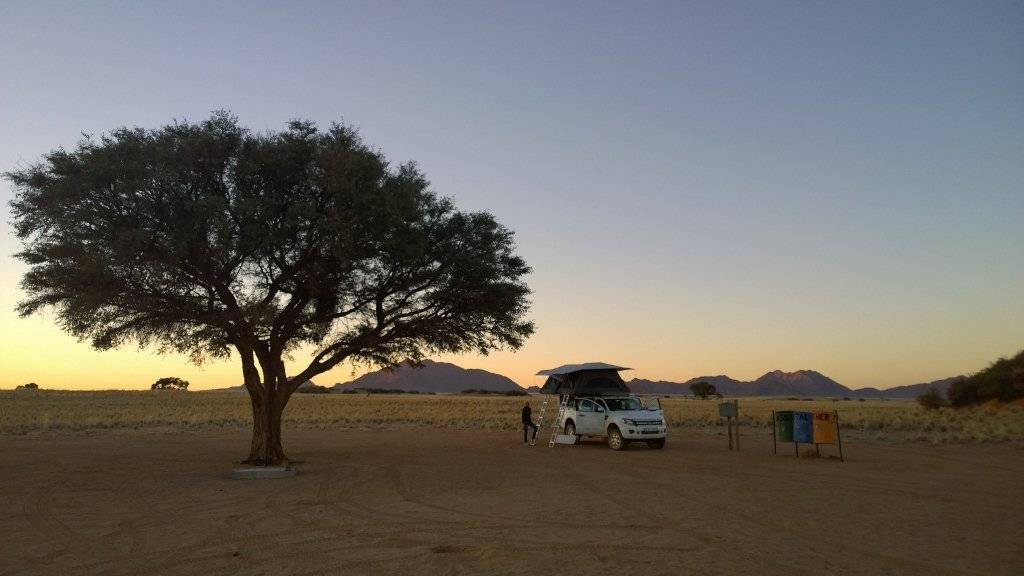
- Gravel roads are common; 4×4 vehicles are strongly recommended.
- Fuel stations are far apart – plan ahead.
- Weather conditions and sandstorms may affect driving.
Additional Travel Tips
- Travel Insurance: Ensure coverage includes roadside assistance, theft, and accidents.
- Car Documentation: Carry registration, insurance, and rental/lease agreements.
- Emergency Money: Keep local currency for fuel, repairs, and tolls.
- Plan Regular Stops: Take breaks every two to three hours to avoid fatigue.
- Respect Local Laws: Traffic regulations, road etiquette, and cultural norms vary widely.
Conclusion
Exploring Africa by car is an adventure that rewards careful planning. With the right apps, maps, and trip strategies, drivers can navigate safely, enjoy breathtaking landscapes, and experience the continent on their own terms.
Key takeaways for a successful African road trip:
- Research routes and road conditions before departure.
- Choose a vehicle suited to your travel style – urban, rural, or off‑road.
- Use GPS and offline maps alongside local knowledge.
- Carry emergency supplies and stay vigilant.
- Combine technology with cultural awareness for a smoother journey.
Driving through Africa can be one of the most unforgettable travel experiences of your life. With preparation, flexibility, and the right tools, you can confidently explore cities, deserts, mountains, and wildlife reserves – truly mastering the art of navigating Africa by car.