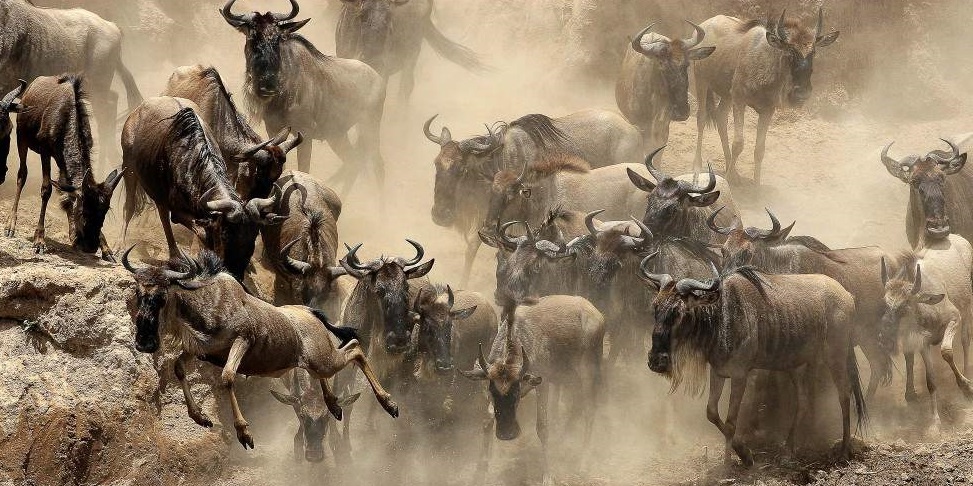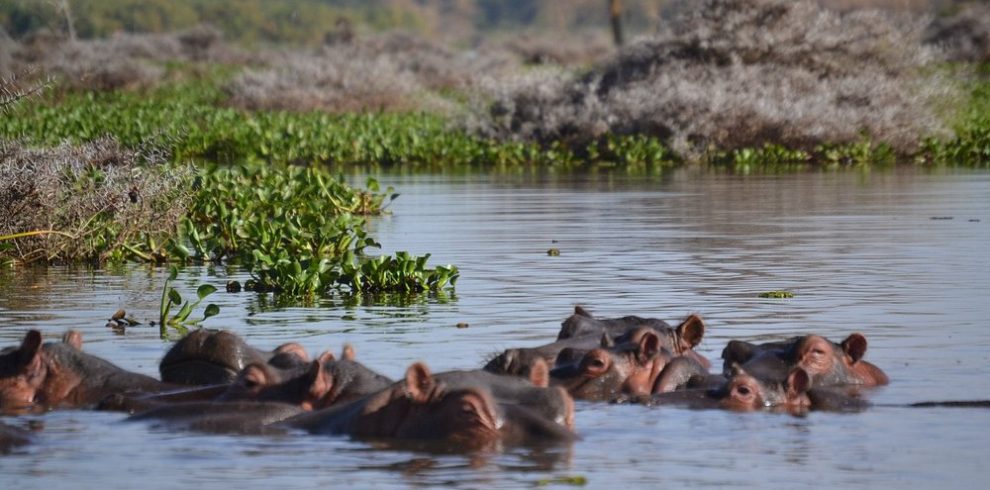

Travelling to Africa is a once‑in‑a‑lifetime experience. From the sweeping savannahs of Kenya to the gorgeous beaches of South Africa, the continent is full of adventure. However, preparation is key to a successful trip, and knowing what to pack is one of the most important considerations. This Africa packing list will ensure you are ready for safaris, city tours, hikes, and cultural visits, without missing anything essential.
Rather than spending time, money, or stress trying to figure out what to pack, this guide will save you days of planning and help you avoid costly mistakes. Whether you are going on a leisure trip, an adventure holiday, or a wildlife safari, this guide covers essential items, packing tips, and travel advice to help you maximise your visit to Africa.
Why a Packing List for Africa Is Essential
Africa is a diverse continent with different climates, wildlife, and travel conditions. Packing without a plan can lead to discomfort, missed experiences, or even health complications. A well‑prepared packing list ensures you will be ready for all situations – from hot deserts and tropical rainforests to cold mountain areas.
Many travellers under‑pack and end up purchasing items at tourist spots at exorbitant prices. Others leave behind important necessities, such as travel documents or healthcare items, which can derail their plans. A customised checklist tailored to Africa’s unique travel requirements keeps you on track and ensures a relaxing holiday.
What You Need in Your Packing List for Africa
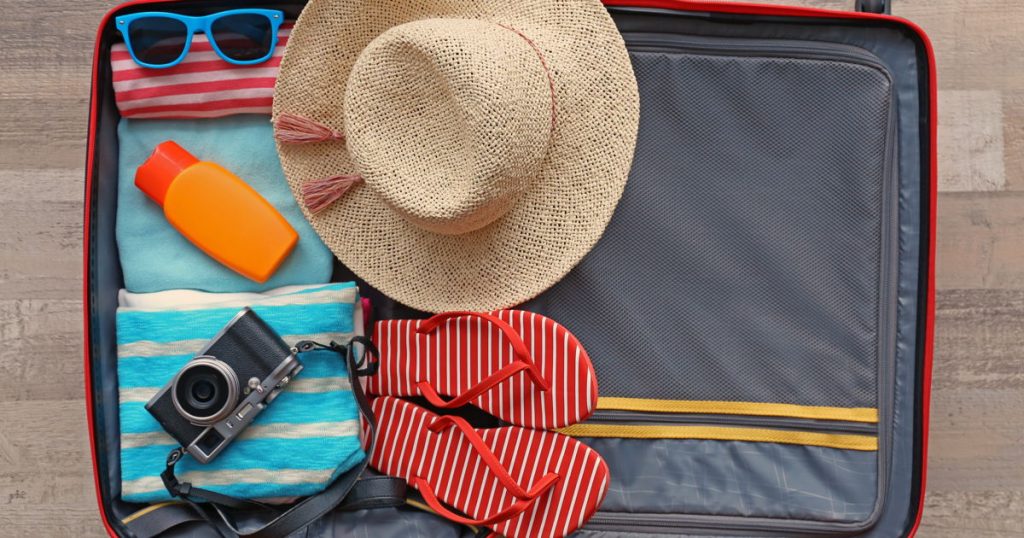
When developing a packing list for Africa, focus on practical and versatile items that can be used across various activities and climates. Here is what you need:
1. Clothing
African weather varies significantly, so pack light and breathable clothing for hot areas and layered items for cooler regions. Essential clothing includes:
- Lightweight trousers and shirts – keep you cool while protecting against sun and insects.
- Long‑sleeved shirts – ideal for evenings or safari excursions when mosquitoes are active.
- Jacket or fleece – necessary for higher altitudes or cool desert nights.
- Swimwear – perfect for coastal areas or hotel pools.
- Sturdy walking shoes – essential for safaris, hiking, and sightseeing.
- Hat and sunglasses – protect your face and eyes from the strong sun.
- Scarf or bandana – useful on dusty roads and in desert areas.
Pro Tip: For safaris, wear neutral colours such as beige, khaki, and olive, which blend with the environment and do not attract wildlife attention.
2. Travel Documents and Money
Organising your travel documents is one of the most critical aspects of your packing list:
- Passport valid for at least six months.
- Visa (if required for your destination).
- Travel insurance documents.
- Flight tickets and hotel reservations.
- Vaccination certificates (yellow fever, malaria prophylaxis as recommended).
- Local currency and credit/debit cards.
- Separate copies of important documents.
Use a waterproof travel wallet or document organiser to prevent loss or damage.
3. Health and Safety Essentials
Proper health and safety planning is crucial for travel in Africa. Include the following in your packing list:
- First aid kit with bandages, antiseptics, and painkillers.
- Prescription medications (carry enough for your entire trip plus extras).
- DEET‑based or picaridin mosquito repellent.
- High‑SPF sunscreen.
- Antibacterial wipes and hand sanitiser.
- Water purification tablets or a filter bottle.
- Anti‑motion sickness pills if you are prone to travel sickness.
Being prepared for minor medical issues will help you avoid stressful situations during your trip.
4. Safari and Adventure Gear
If your visit includes wildlife tours, hiking, or outdoor activities, pack the following equipment:
- Binoculars for wildlife viewing.
- Camera with extra batteries and memory cards.
- Lightweight daypack for excursions.
- Headlamp or flashlight – essential for early mornings and late evenings.
- Reusable water bottle – to stay hydrated and reduce plastic waste.
- Power bank – for charging devices during long safari drives.
- Small travel pillow and blanket – useful for long journeys and flights.
5. Electronics and Communication
Staying connected while travelling is important. Consider these items:
- Smartphone and charger.
- Universal travel adapter (plug types vary across Africa).
- Laptop or tablet (if working remotely or for entertainment).
- Portable Wi‑Fi device or local SIM card for internet access.
- Offline maps and travel apps downloaded before departure.
6. Personal Care and Toiletries
Pack travel‑sized toiletries to save space, including:
- Shampoo, conditioner, and body wash.
- Toothbrush, toothpaste, and dental floss.
- Deodorant and grooming products.
- Moisturiser and lip balm – essential in dry climates.
- Feminine hygiene products.
- Small mirror and travel towel.
7. Miscellaneous Essentials
Other useful items to consider:
- Travel sewing kit.
- Small padlock – for securing luggage and lockers.
- Laundry soap or travel wash.
- Ziplock bags – for wet clothes, electronics protection, and organisation.
- Travel journal and pen – to document your experiences.
- Small gifts or souvenirs to share with locals (e.g., school supplies, photos from home).
Destination‑Specific Packing Tips

East Africa (Kenya, Tanzania, Uganda)
- Pack layers for early morning game drives and cool evenings.
- Bring a waterproof jacket for rainy seasons.
- Include malaria prophylaxis and insect repellent.
Southern Africa (South Africa, Namibia, Botswana)
- Prepare for hot days and cold nights, especially in the desert.
- Pack a warm fleece or jacket for winter months (June to August).
- Bring sturdy hiking boots for safari walks.
West Africa (Ghana, Nigeria, Senegal)
- Pack lightweight, breathable fabrics for humid conditions.
- Include rain gear for the wet season.
- Bring modest clothing for cultural and religious sites.
North Africa (Morocco, Egypt, Tunisia)
- Pack light layers for hot days and cooler evenings.
- Include a scarf or shawl for visiting mosques and markets.
- Bring good walking shoes for city explorations.
Packing Tips for a Smooth Trip
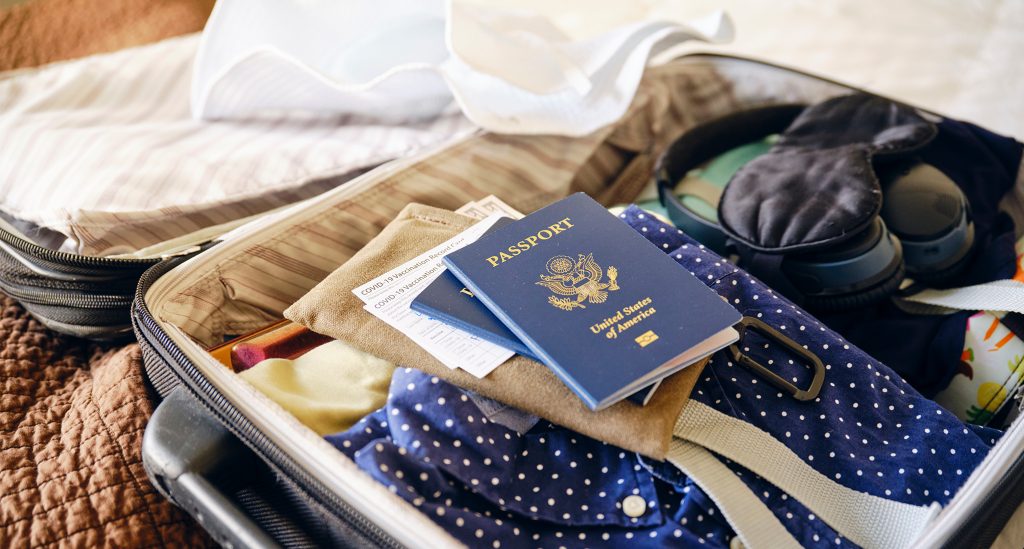
- Roll your clothes – saves space and reduces wrinkles.
- Use packing cubes – keeps your luggage organised.
- Pack versatile items – choose items that can be mixed and matched.
- Carry a spare set of clothes in your hand luggage – in case of lost luggage.
- Keep essentials accessible – documents, medication, and valuables in your carry‑on.
- Check airline baggage limits – avoid excess baggage fees.
- Pack a small first aid kit in your daypack – for easy access during excursions.
What to Leave Behind
- Heavy or excessive jewellery – attracts attention and adds weight.
- Expensive watches or electronics – unless essential for your trip.
- Too many pairs of shoes – two to three versatile pairs are sufficient.
- Bulky guidebooks – download digital versions instead.
- Non‑essential gadgets – focus on versatile items.
Conclusion
Packing for Africa can be straightforward with careful planning and the right checklist. This packing list ensures you are prepared for various climates, activities, and situations, allowing you to focus on enjoying the adventure. By packing practical, versatile items and organising your travel documents and health essentials, you can minimise stress and maximise your African experience.
Whether you are going on a safari, exploring vibrant cities, or relaxing on pristine beaches, this Africa packing list will help you travel smart and stay comfortable throughout your journey. Safe travels and enjoy every moment of your African adventure.