
Africa is an unforgettable destination – from the wild safaris of Kenya and Tanzania to the vibrant cities of South Africa and Morocco. However, packing is one of the greatest challenges facing travellers. Overpacking leads to excess baggage fees, frustration, and cumbersome luggage, while underpacking can leave you unprepared for varying weather conditions and unexpected activities. This is why packing smart and travelling light to Africa is essential for a smooth and enjoyable journey.
By understanding the climate, choosing versatile clothing, and carrying only the essentials, you can travel comfortably while keeping your luggage manageable. This guide provides practical tips on how to pack smart and travel light to Africa, ensuring you are ready for any adventure without being weighed down.
Why Packing Smart and Traveling Light Matters
Africa is a vast continent with diverse environments – deserts, savannahs, rainforests, and urban centres. Overpacking can make transportation difficult, especially when moving between cities or on safari trips where limited vehicle space and lightweight luggage are preferred. Light travel offers several benefits:
- Ease of movement: Carry‑on luggage makes navigating airports, bus stations, and safari vehicles simpler.
- Flexibility: Light packing allows you to change plans when opportunities arise.
- Cost savings: Avoid excess baggage fees and reduce transport costs.
- Comfort and convenience: Less luggage means less stress and more time to enjoy your trip.
Travellers who learn to pack smart and travel light to Africa can enjoy the continent fully while staying organised, comfortable, and prepared for any situation.
Understanding Africa’s Climate and Regions
It is important to consider your destination, as Africa has several climate zones:
1. North Africa (Morocco, Egypt, Tunisia)
- Desert climate with hot summers and cool winters.
- Light, breathable clothing is essential.
2. East Africa (Kenya, Tanzania, Uganda)
- Varied climates with savannahs, mountains, and lakes.
- Hot days and cool evenings – layered clothing works best.
3. Southern Africa (South Africa, Botswana, Namibia, Zimbabwe)
- Hot days and cold nights.
- Layered clothing is recommended.
4. West Africa (Ghana, Senegal, Nigeria)
- Tropical climate with high humidity and occasional rainfall.
- Quick‑drying clothes are suggested.
5. Central Africa (Democratic Republic of Congo, Cameroon, Gabon)
- Tropical with heavy rain and humidity.
- Waterproof clothing is essential.
Understanding the climate helps you decide what clothes and gear you need, making it easier to pack smart and travel light to Africa.
Choosing the Right Luggage
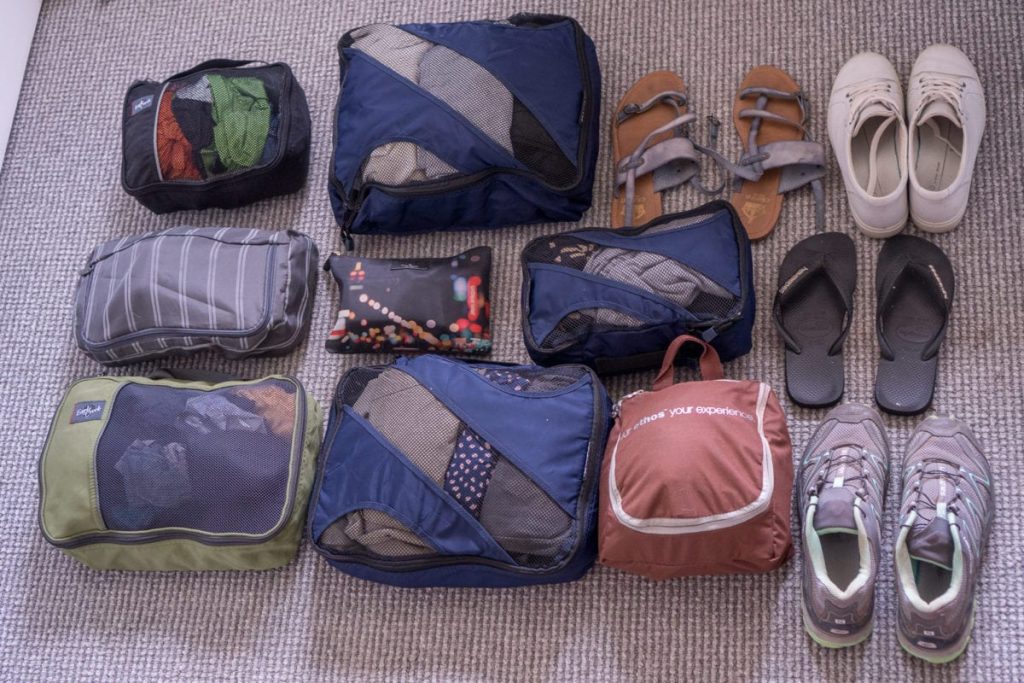
Selecting the right luggage is essential for travelling light.
Lightweight Backpacks or Suitcases
- A 40‑50L backpack is ideal for multi‑country travel.
- Carry‑on suitcases with wheels are convenient for urban travel and airports.
- Choose durable, waterproof materials to protect belongings.
Packing Cubes and Compression Bags
- Packing cubes keep clothes organised and reduce wrinkles.
- Compression bags reduce the volume of bulky items like jackets or sweaters.
Daypack for Excursions
- A small backpack or daypack is essential for safaris, city tours, or hikes.
- Look for padded straps, water bottle pockets, and security compartments.
Clothing Essentials for Packing Smart and Traveling Light
Versatility is key. Focus on lightweight, breathable, and multi‑purpose items:
- Lightweight Layers: T‑shirts, blouses, and breathable fabrics.
- Long‑Sleeved Shirts and Pants: Protection against sun and insects.
- Light Jacket or Fleece: For cool evenings and higher altitudes.
- Neutral Colours: Beige, khaki, and olive are ideal for safaris and mix well.
- Multi‑Purpose Footwear: Comfortable city walking shoes, hiking boots for safaris, and sandals for lodges or beaches.
- Weather‑Specific Items: Rain jacket or poncho for tropical or rainy seasons; swimwear for coastal areas; sunglasses and hats for sun protection.
Electronics and Travel Essentials
When travelling light, carry only essential electronics:
- Smartphone and Charger: Your primary communication and navigation tool.
- Camera: Mirrorless cameras are lightweight and suitable for most travellers.
- Universal Adapter and Converter: Plug types vary across Africa – a universal adapter is recommended.
- Power Bank: Charges devices during safaris or long journeys.
- Travel Apps: Translation apps, offline maps, and travel guides reduce the need for paper materials.
Toiletries and Personal Care
Pack travel‑sized toiletries to save space:
- Toothbrush, toothpaste, shampoo, conditioner, and soap.
- Sunscreen and insect repellent.
- Hand sanitiser and wet wipes.
- Prescription medications in labelled containers.
Use a small waterproof pouch to prevent spills.
Health and Safety Basics
Health and safety are essential for travel in Africa:
- First aid kit with bandages, antiseptics, and painkillers.
- Water purification tablets or a filter bottle.
- Face masks and hand sanitiser.
- Vaccination certificates and travel insurance documents.
These items keep you prepared without adding excess weight.
Tips for Packing Smart and Traveling Light
1. Plan Outfits in Advance
- Choose mix‑and‑match items to create multiple outfits from a few pieces.
- Roll clothes instead of folding to save space and reduce wrinkles.
2. Limit Non‑Essential Items
- Avoid “just in case” items – be selective.
- Use multi‑purpose products, such as a scarf that can serve as a blanket or head covering.
3. Use Lightweight Packing Aids
- Compression bags, packing cubes, and travel organisers minimise clutter.
- Label compartments for easy access to documents, electronics, and toiletries.
4. Choose Multi‑Functional Accessories
- Sun protection items, hats, and scarves that work in different environments.
- Travel wallets and pouches for passports, cash, and cards.
5. Check Airline Luggage Limits
- Avoid excess weight charges by staying within airline limits.
- Keep a small carry‑on with essentials for long flights or layovers.
Packing Smart for Safari Trips
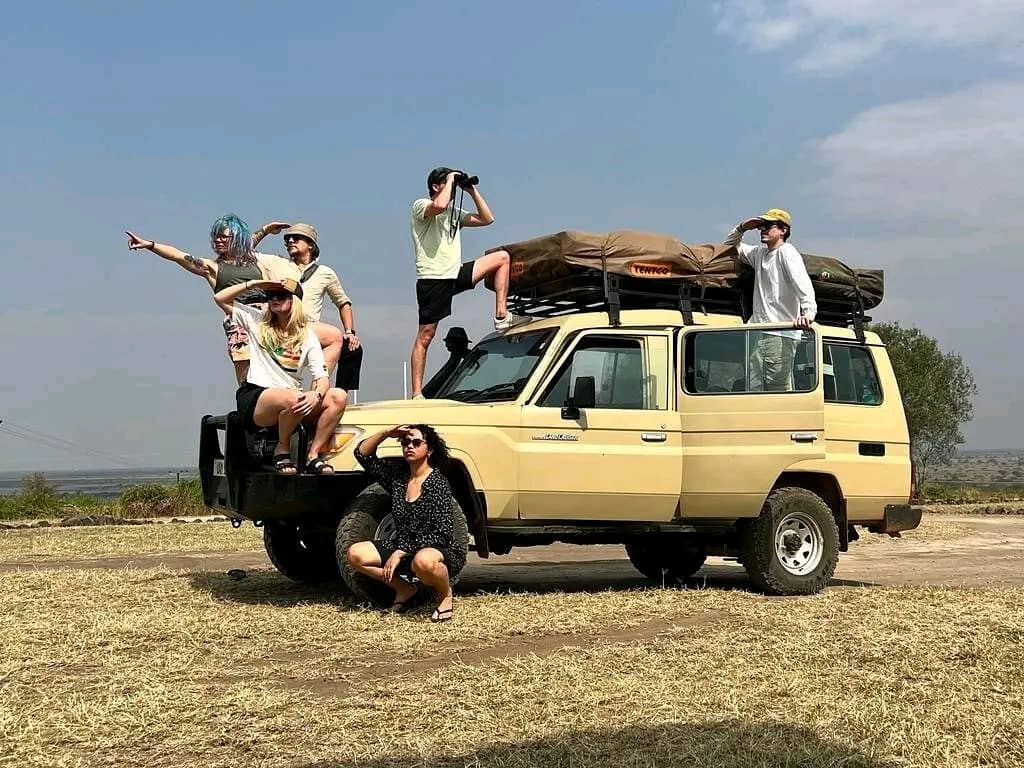
Safaris are one of the most popular African experiences and require specific packing:
- Neutral‑coloured clothing for blending into the environment.
- Long‑sleeved shirts and lightweight trousers for protection against insects.
- Binoculars and a camera for wildlife viewing.
- Sunscreen, sunglasses, and a hat.
- A reusable water bottle to stay hydrated during excursions.
Tailoring your packing to safari activities ensures comfort without carrying unnecessary items.
Minimalist Packing Strategies
Minimalists can fully enjoy Africa with less luggage:
- Limit clothing to five tops and three bottoms.
- Choose footwear suitable for multiple activities.
- Use digital documents instead of paper copies.
- Select lightweight gadgets and travel‑sized toiletries.
A minimalist approach helps you focus on experiences rather than luggage.
Conclusion
Exploring Africa successfully requires preparation, planning, and the right mindset. By packing smart and travelling light to Africa, travellers can fully enjoy safaris, city tours, beaches, and cultural experiences without the burden of heavy luggage. Prioritising versatile clothing, essential electronics, compact toiletries, and health‑related items ensures a comfortable and worry‑free trip.
Whether crossing the deserts of Morocco or the savannahs of Kenya, lightweight packing allows you to move freely, adapt to different climates, and focus on creating memories rather than managing luggage. Those who master packing smart and travelling light to Africa will experience the continent’s adventures with organisation, confidence, and a sense of possibility.
Packing is not merely about convenience – it is the key to a successful and enjoyable journey through Africa’s natural beauty and vibrant cultures.