
Samburu Safari

Authentic Samburu Safari Tours

Experience Samburu, Beyond Your Imagination

We design nature-centred Samburu safaris that stay with you—drawing on more than 25 years of lived experience and profound local ties. Each journey is crafted not just for travellers, but for the land and the communities who call it home, leaving a meaningful footprint beyond the trip itself.


25+ years of expertise in 15 Africa Countries

1000+ thoughtfully selected travel partners

200,000+ travellers, many of whom return year after year

Years Crafting Personalised African Safaris
0
Client Reviews at 5 Stars on Feefo
0
Globally Recognised Travel Awards Won Last Year
0
Travellers, Many Returning Year After Year
0
Travellers, Many Returning Year After Year
0

Interested to know more? Click the link to find out all about Exodussafaris Big 5 Guarantee

Why Travel With Exodussafaris?

25 Years of Safari Expertise ​

For more than twenty-five years, we’ve been handcrafting African journeys that reflect our firsthand insights and strong local relationships.

We Know Because We Go

With roots deeply planted across Africa, we understand each destination, lodge, and little-known treasure intimately—and we share them authentically.

24/7 Support

From your initial inquiry until you’re safely home, we manage every detail around the clock—and our trusted local partners are committed to the same standard of care.

Every Adventure Makes a Difference ​

Every trip supports vital ecosystems and uplifts local communities—with your travel helping them flourish as we travel together.

Complete Financial Protection

We combine our on-the-ground expertise and established partnerships to ensure your plans are protected and your travel investment is safe.

World-Class Recognition, Trusted by Travellers​

Honoured by Condé Nast Traveler, Travel + Leisure, and the World Travel Awards, we’re proud—but what truly matters most are the stories and voices of our guests.
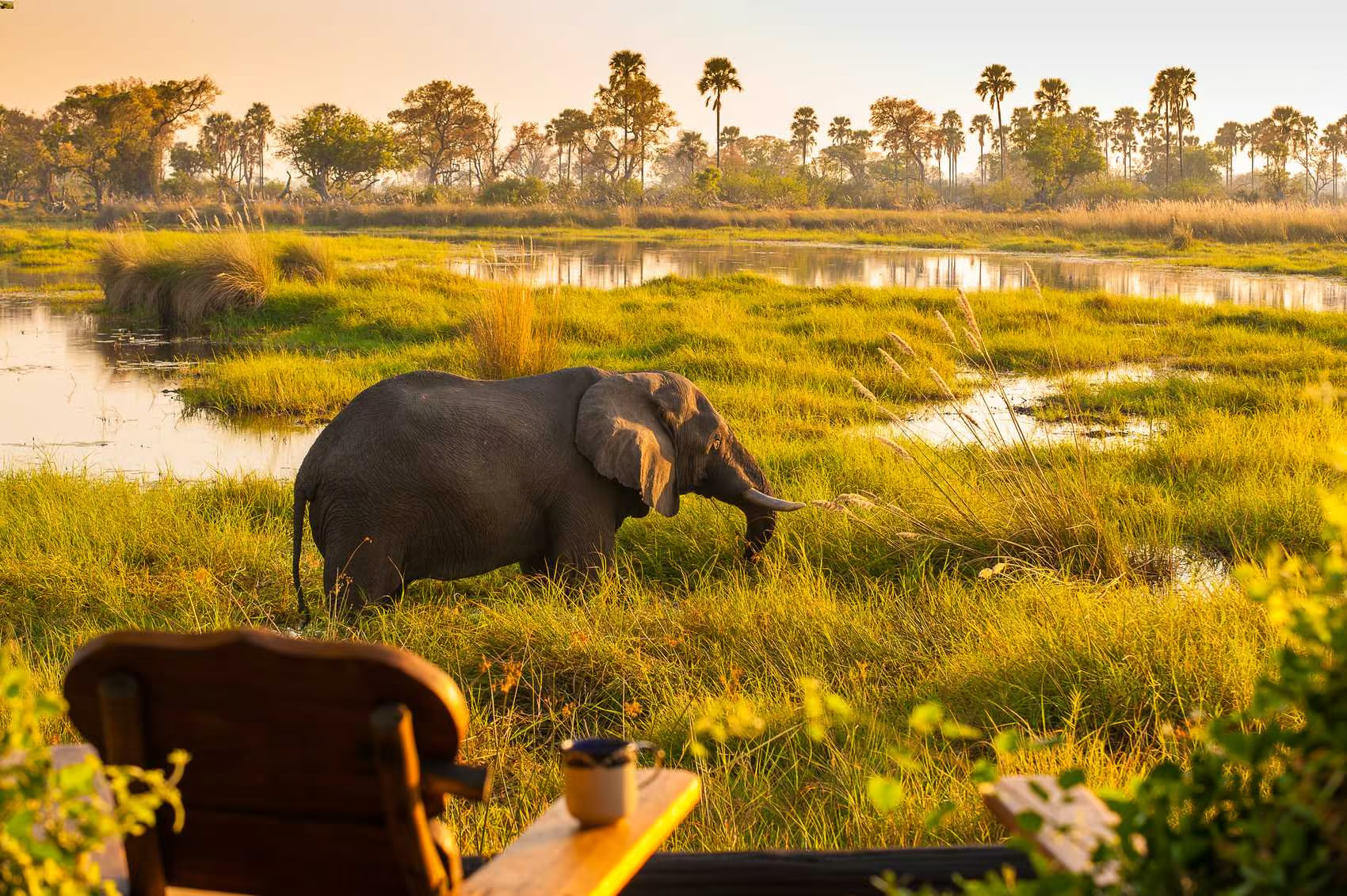
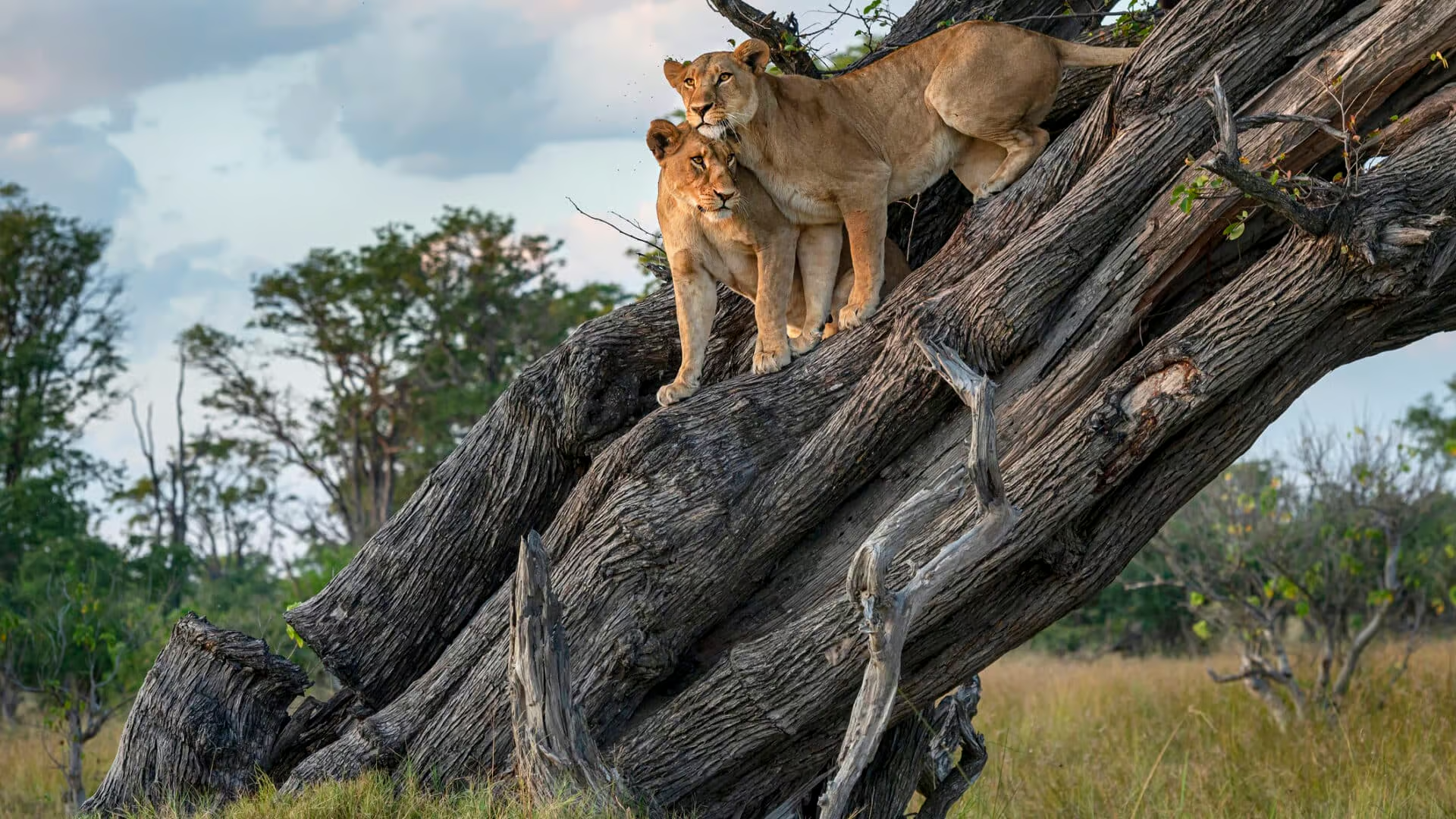
Samburu Gallery

Slide 4
Slide 3
Slide 2
Slide 1

Where To Go In Samburu

Samburu offers a rich tapestry of landscapes and unique wildlife experiences—here are fifteen places you definitely should explore.

Samburu National Reserve

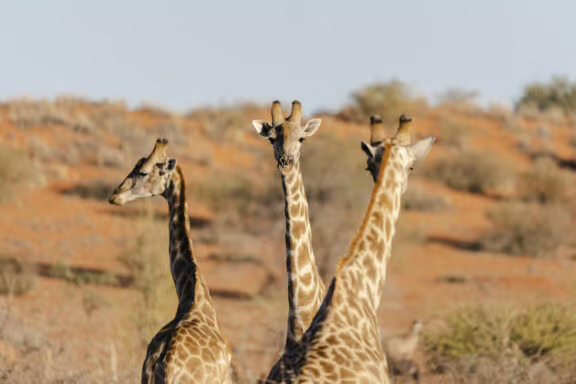
A rugged expanse of riverbanks, woodlands, and savannah that hosts species found nowhere else. Expect the rare reticulated giraffe, Grevy’s zebra, and elephants with uniquely shaped tusks.

Ol Pejeta Conservancy

A community-backed sanctuary that protects critically endangered rhinos and offers excellent chances to see chimpanzees. Its diverse ecosystems span from wetlands to open plains.

Buffalo Springs National Reserve

Dry riverbeds give way to shady gallery forests and acacia woodlands—all framing prolific wildlife sightings. It’s quieter than some parks, making wildlife viewing more intimate.

Shaba National Reserve

Remote and dramatic, this reserve features rocky outcrops and dramatic escarpments. Home to the elusive striped hyena and Somali ostrich, it feels wild and untamed.

Reteti Elephant Sanctuary

A heartwarming haven where orphaned elephants are rehabilitated with care before returning to the wild. The view of tiny trunks in big ears against the red earth is unforgettable.

Kipsing Gap

A transition zone between highland forest and lowland plains—this little-known area is a birdwatcher’s delight. Rare forest species mingle with savannah dwellers as the terrain shifts.

Mount Kenya’s Northern Slopes

Sweeping alpine zones and riverine forests frame spectacular views of Kenya’s second-highest peak. Cooling breezes and clear skies make wildlife encounters and landscape photography superb.

Samburu Woodland

An open woodland of acacias where dry season wildlife gathers—ideal for seeing large cats and herds seeking shade. The golden light here at dawn and dusk is magical.

Ewaso Nyiro Riverbanks

Lush green corridors along the river contrast sharply with the arid surroundings. Crocodiles, hippos, and abundant birdlife make these stretches very rewarding.

Kalama Sanctuary

A private sanctuary that combines conservation with top-tier safari lodges. It’s great for off-the-beaten-path game drives and peaceful nights under the stars.

Lewa Wildlife Conservancy

Globally renowned for its rhino protection and also a sanctuary for elephants, lions, and wild dogs. Wide plains, rolling hills, and excellent lodging options create an immersive wilderness experience.

Marsabit Forest

High up in the hills, this forested region is a cool escape with its own distinct flora and fauna. It’s one of the less visited spots, so you get a sense of solitude and unspoiled beauty.

Namunyak Wildlife Conservancy

Home to Samburu pastoralists and wild species alike, this area offers cultural insights as well as wildlife. Scenic ridges, springs, and rare species reward those willing to explore.

Kulan Group Rhino Sanctuary

A conservation success story where community and wildlife thrive together. Watching rhinos roam largely undisturbed is a powerful experience here.

Best Time To Visit Samburu

If you want ideal wildlife viewing, good weather, and fewer crowds, the period between June and October is generally the peak window to come to Samburu.

Samburu Safari in January

The environment is warming, and as the rains fade, the landscape begins to dry—making animal tracks and wildlife movements more visible. Predators are active and water sources are shrinking, drawing wildlife closer for easier viewing.

Samburu Safari in February

Hot and relatively dry, with more predictable sunshine. Many animals still linger near water, making early morning and late afternoon game drives very productive.

Samburu Safari in March

Rain begins to return, and while some roads may become tricky, the fresh growth brings dramatic scenery and birdlife in abundance. Nascent greenery refreshes Samburu’s palette after the dry months.

Samburu Safari in April

This is one of the wetter months; short, intense storms alternate with clear skies. Wildflowers bloom, river levels rise, and many lodges reduce prices—making it a good value time to visit.

Samburu Safari in May

Rainfall often peaks, making some tracks muddy and game drives more challenging. However, the vegetation is lush and bird diversity peaks, especially for migratory species arriving in late May.

Samburu Safari in June

Beginning of the dry season: skies clear, rivers drop, and wildlife congregates around remaining water sources. This is when game viewing becomes much easier and the mornings are crisp and beautiful.

Samburu Safari in July

Cool mornings and evenings with warm days define this month. Wildlife sightings improve as animals cluster, and the scent of smoke from acacia wood fires adds an unforgettable atmosphere.

Samburu Safari in August

Dry conditions prevail, with minimal rain. Vegetation thins, making spotting big cats and other elusive species more consistent; lodges are busy but the wildlife scenes are at their most dramatic.

Samburu Safari in September

Perhaps the driest month, with low humidity and hot afternoons. Game drives deliver high visibility and excellent chances of encountering predator-prey interactions.

Samburu Safari in October

Temperatures begin rising, and occasional short rains may start toward the end of the month. The light is golden; evening sunsets spectacular—and wildlife still concentrated around water.

Samburu Safari in November

Short rains set in here and there; some roads may get challenging but the new light and fresh landscapes more than compensate. The resurgence of greenery enhances photographic opportunities.

Samburu Safari in December

Rainfall increases, bringing off-season crowds and lush scenery. The heat and moisture are higher, but fewer visitors make it more peaceful—ideal for those seeking serenity and dramatic skies.

Our Recommended Activities In Samburu

Explore our recommended experiences in Samburu and find your perfect way to connect with its natural beauty.

Chief’s Island

Moremi Game Reserve

Makgadikgadi Pans

Chobe National Park and Savuti Marsh

Khwai

Chief’s Island

Our Recommended Activities In Samburu

Explore our recommended experiences in Samburu and find your perfect way to connect with its natural beauty.

Chief’s Island

Moremi Game Reserve

Makgadikgadi Pans

Chobe National Park and Savuti Marsh

Khwai

Chief’s Island

Safari Lodges, Tented Camps and Villas
in Samburu

Savute Elephant Lodge, A Belmond Safari

Belmond Savute Elephant Lodge is a luxury lodge in Chobe National Park known for its...

African Bush Camps Atzaro Okavango Camp

Welcome to Atzaro Okavango, a premier safari destination that offers sustainable luxury in the heart...

Cha Cha Metsi

Explore our most popular safaris in Botswana and experience the magic of its untouched wilderness.cvbcccccccccccccccccccccc

What You Need To Know About Samburu Safaris

Find everything you need to know to plan your Samburu adventure, from travel tips to essential insights for an unforgettable trip.

Samburu Food and Tipping Practices

Cuisine in Samburu tends to include hearty staples—fresh vegetables, grilled meats, chapatis, and local fruits—often adapting Kenyan flavours with influences from pastoralist communities. Tipping is appreciated for guides, lodge staff, and drivers; a customary modest tip at the end of each day or at the end of the stay is standard, and making sure it reaches the right people matters.

Samburu Food and Tipping Practices

Prices vary widely depending on season, lodge type, level of comfort, and tailored experiences. A mid-range safari might include lodge accommodation, guided game drives, meals, and transfers—luxury lodges or private/conservation-focused camps will increase costs accordingly.

Cost of a Samburu Safari

Bring light, breathable clothing in neutral tones, layers for cool early mornings and evenings, a good pair of walking shoes, sun protection (hat, sunglasses, sunscreen), insect repellent, binoculars, and a camera. Also include a light rain jacket (especially for wet months), necessary medications, and any personal comfort items like a refillable water bottle.

Packing List for Samburu

Samburu lies in northern Kenya and has a semi-arid climate. There are pronounced dry and wet seasons, with daytime heat often intense but nights cooling down, especially during the dry season.

Climate in Samburu

English and Swahili are widely spoken, particularly at lodges and among people working in tourism. Locally, the Samburu people retain their own language, and some Maasai, Turkana, Rendille and other neighbouring languages are also heard in the region.

Languages in Samburu

Samburu is generally safe for travellers who follow standard precautions: travel with reputable operators, avoid risky areas at night, be mindful of local customs and wildlife, and heed guidance from lodge staff and guides. As with all remote areas, medical facilities may be limited, so travelling with proper insurance and supplies is wise.

Is Samburu Safe?

Testimonials

What People Say About Us

We are the leading travel agency offering different programs and higher education diplomas that are designed with global requirements in mind.

Your ultimate guide to exploring the world

Blog and articles

Latest travel tips and blog covering all travel experiences. Check out our mentions in different guides and articles.


Our Trusted Safari Partners in Africa

Latest travel tips and blog covering all travel experiences. Check out our mentions in different guides and articles.