
For more than a quarter‑century, we’ve been shaping tailor‑made African safaris, built from firsthand insight and trusted local partnerships.
Our connections run deep across Africa; we’re intimately familiar with each destination, lodge, experience, and those hidden corners only insiders know.
From your initial inquiry until you return safely, we manage every detail and offer round‑the‑clock support. Thanks to strong relationships with our local teams, you’ll receive service that reflects our standards—every step of the way.
As part of the Nawiri Group, each expedition contributes toward conserving precious ecosystems and uplifting local communities—ensuring shared prosperity.
Your investment is protected; we offer comprehensive financial security so you can travel with confidence, knowing you’re well looked after.
We’re proud to be recognised by Condé Nast Traveler, Travel + Leisure, and the World Travel Awards—but what truly matters are the stories and trust of our travellers.
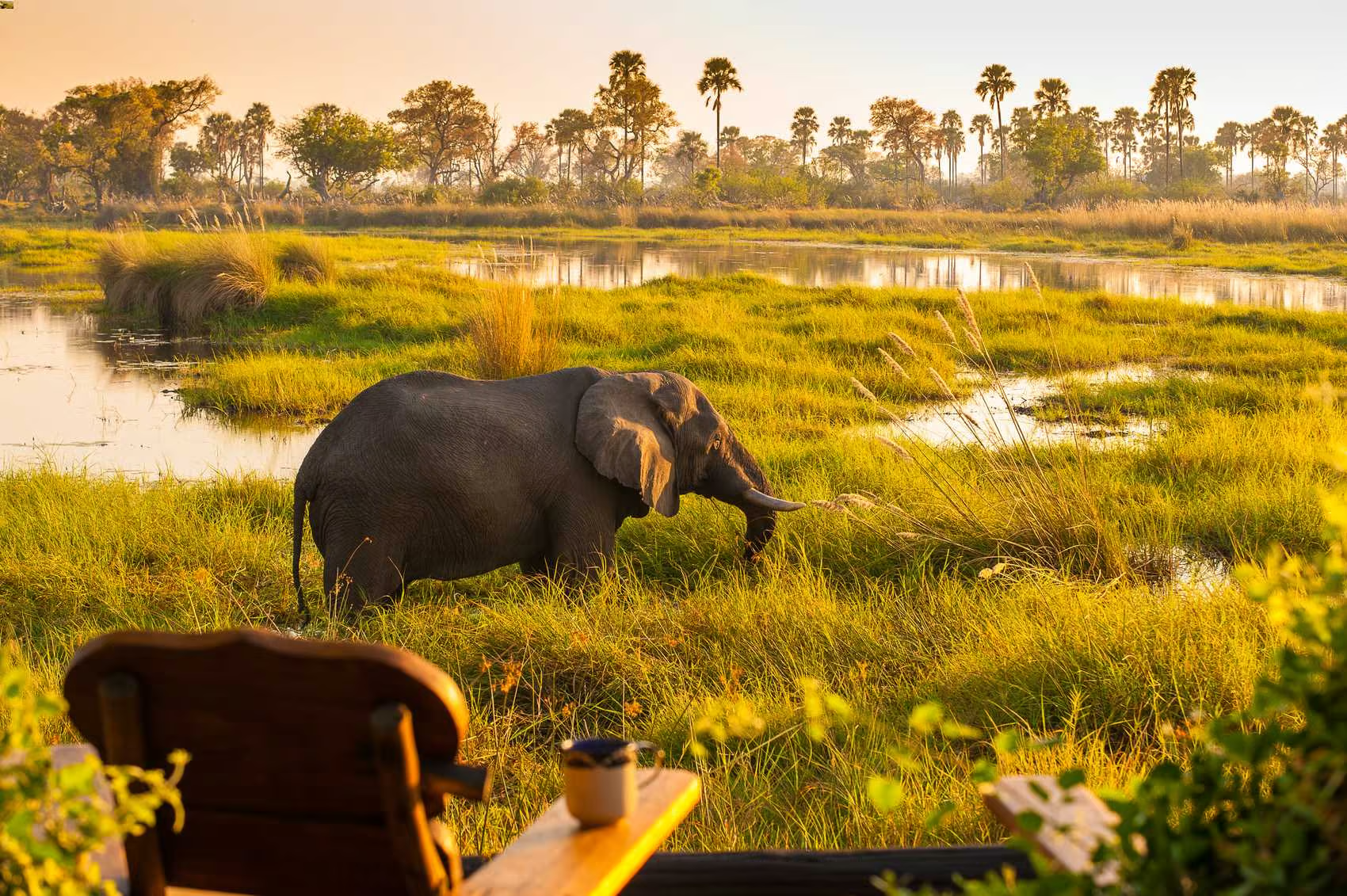

Find everything you need to know to plan your Sehlabathebe adventure, from travel tips to essential insights for an unforgettable trip.
Meals are usually hearty and locally inspired—often featuring maize, vegetables, meats like lamb or chicken, and fresh produce when available. Tipping is appreciated; small gestures to guides, camp staff, and drivers are customary if service is good—discretion and respect go a long way.
Sehlabathebe Food and Tipping Practices
Planning a safari in Sehlabathebe involves several cost considerations, including the chPrices vary depending on accommodation standard, duration, transport, and group size. Expect higher costs during peak dry‑season months; solo travellers or those wanting luxury lodgings should budget more for exclusivity and comfort.oice of destination, type of accommodation, travel season, and trip duration. Here’s a summary to assist in budgeting your adventure: 1. Cost of Destination: Okavango Delta: High demand during peak season (June to October) drives up costs due to ideal wildlife viewing conditions. Central...
Cost of a Sehlabathebe Safari
Bring layers—warm clothing for chilly mornings and evenings, breathable clothes for daytime, rain jacket in wetter months. Also essentials like sturdy hiking boots, sun protection (hat, sunscreen, sunglasses), insect repellent, water bottle, flashlight, and a good camera or binoculars for wildlife and landscapes.
Packing List for Sehlabathebe
The region experiences a high‑altitude climate: warm to hot in daytime during summer, cold at night especially in winter. There are distinct wet and dry seasons, with rainfall peaking in the summer months and winter nights often freezing.
Climate in Sehlabathebe
Sesotho is widely spoken locally, alongside English in lodges, camps, and among guides and those in the tourism sector. You may also hear some isiZulu or other regional dialects depending on the visitors and staff.
Languages in Sehlabathebe
Sehlabathebe is generally safe for visitors; remote and sparsely populated, it faces fewer urban risks. Take usual precautions—know local guidelines, watch weather changes, ensure your guide is qualified, stay updated on any travel advisories—and you’ll have a rewarding, secure experience.
Is Sehlabathebe Safe?
We are the leading travel agency offering different programs and higher education diplomas that are designed with global requirements in mind.
Latest travel tips and blog covering all travel experiences. Check out our mentions in different guides and articles.
Latest travel tips and blog covering all travel experiences. Check out our mentions in different guides and articles.


















Website Usage Terms & Conditions | Booking Terms & Conditions | Privacy Policy | Notice of Collection | Sitemap


WhatsApp us