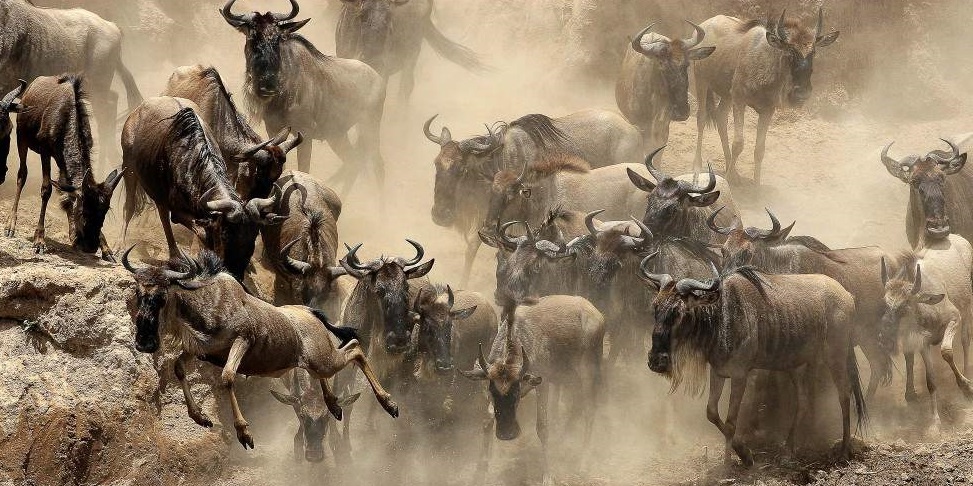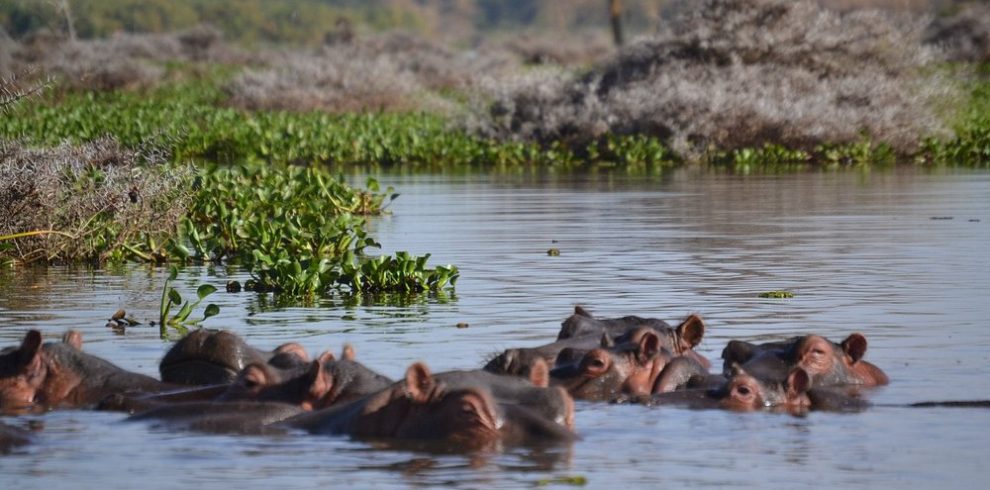
The Masai maras or the masai mara national reserve commonly known as the mara, is one of the most popular conservation areas of wildlife in the world. This scenic reserve is located in southwestern Kenya and is where wildlife abounds with regard to the closely known big five (lion, leopard, elephant, buffalo and rhinoceros) and cheetahs, giraffes, wildebeests, zebras, and others. The mara is particularly known because of the yearly great migration wherein millions of wildebeest, zebras and gazelles across the plains produce an awesome spectacle. Nonetheless, it is not only the national reserve that makes Masai Mara one of the best safari destinations but also the presence of the Masai Mara Conservancies that covers the national reserve and enhances its success as a safari destination.
These conservancies have been adopted as part and parcel of the conservation work in the area as providing a sustainable approach to the interplay between wildlife preservation, community development, and tourism. Exploring the Masai Mara Conservancies, by looking into the contributions that it contributes to the preservation of this unique ecosystem, the value that it offers to the local communities and how it has affected the general wellbeing of the wildlife population within the Mara.
So What Are The Masai Mara Conservancies?
Conservancy is a term used in reference to a section of land that is designated as a conservation land which is usually governed by a private or local organization or a combination of both. The Masai mara conservancies are personal lands bordering the Masai mara national reserve, and local landowners of the Maasai people have joined tourism and conservationists to enhance wildlife protection, sustainable tourism and community empowerment. These conservation of Maasai lands are on a model that enables the local Maasai people the right to own and control their properties whilst enjoying the fruits of tourism and conservation of the wildlife species.
It is significant to note that conservancies unlike national parks or reserves are operated in ways that regard more involvement of private land owners which allows to resolve more relaxed land-use policies and arbors related to conservation of wildlife and local livelihoods. The total area that The Masai Mara Conservancies covers runs at more than half a million acres and a number of conservancies have been made to preserve the wildlife channels of the mara so as to commit biodiversity and defuse the effects of the human-wildlife clash.
Conservancies and the Conservation of Wildlife.
The formation of The Masai Mara Conservancies has turned out to be the game-changer in terms of wildlife conservation in the area. The conservancies are important to preserve the rich biodiversity of the Masai Mara in the following ways:
1. Conservation of Wildlife Corridors.
The Masai mara ecosystem is extensive and interlocked, whereby there are migratory pathways and movements of wildlife across seasons. The Masai Mara Conservancies are also important wildlife corridors whereby the animals move freely around the Masai mara national reserve and the areas to which it is surrounding. This mobility is critical in preserving genetic diversity and enabling wildlife to access food water and favorable nutrition especially in the dry season and among seasonal migrations.
The absence of these conservancies increases the possibility of habitat fragmentation, which may result in inbreeding, loss of biodiversity, and competition over scarce resources. The conservancies also encourage the long term health of the wildlife populations by offering a safe corridor of movement of the animals.
2. Reducing Human-Wildlife Conflict.
One of the biggest problems of the communities residing near conservation areas is human-wildlife conflict. In the Masai mara, the living quarters of human beings and agriculture are usually near the national reserve which in most cases leads to conflict especially with the predators such as lions, leopards and hyenas. These are carnivores, which are known to attack livestock, and as a result, local farmers and herders make retaliatory killings.
Masai mara conservation works have contributed to solving this conflict by providing an alternative to the old farming methods. These conservancies have seen the livestock flourish without having direct interactions with agricultural practices by the fact that they provide the livestock with lion-proof fences and establishing buffer zones where human activities are limited. Also the conservancies facilitate the introduction of compensation plans to the farmers when wildlife kills their livestock to discourage retaliatory killing.
3. Promoting Biodiversity and Habitat Protection.
The conservancies strive to see the habitats which are considered crucial with regard to the existence of different species, safeguarded. The conservancies provide safe places to the wildlife by reducing the adverse effects of agriculture, livestock grazing, and deforestation. Moreover, the budget collected in the form of tourism is also returned into the habitat restoration and anti-poaching efforts. This holistic strategy assists in safeguarding the fragile ecosystem of Mara and helps to preserve most of the threatened and endangered species.
Conservancies also help in preservation of wetlands, forests and grasslands which are vital to the existence of an expansive variety of species. As an example, the conservancies have major wetland habitats which are critical to the migratory birds, amphibians and other aquatic species.
4. Cattle Grazing Management
Controlled grazing of livestock is one of the most sustainable land-use practices that have been put in place by The Masai Mara Conservancies. Maasai people have always needed cattle farming and the most important to their culture and economy is the livestock. Nevertheless, the effects of unmanaged grazing may be an overgrazing and degradation of the land as well as biodiversity loss.
The livestock grazing is carefully controlled in the conservancies to prevent these adverse effects. Special grazing strips are formulated to make sure that cattle of herders have access to pasture and that this does not adversely affect the places of the wildlife. This will mean that livestock farming will coexist with the preservation of wildlife, which will be beneficial to people and other animals in the area.
The Masai mara conservancies advantages to the local communities.
The great asset of The Masai mara conservation is that they bring real gains to communities especially to the Maasai land owners who occupy the periphery of the Masai mara national reserve. These benefits include:
1. Sustainable Tourism Economic Benefits.
The major source of revenue to the conservancies is tourism and as a result of the partnership with the international safari operators and lodges, Maasai owners of land are given a portion of the revenue that is reaped by visits by tourists to the conservancies. Such revenue may be re-invested into community projects, including education, health and infrastructure.
The conservancies are at a model whereby the landowners are paid to supply land to be conserved to make sure that they personally gain out of the existence of wildlife. Another impact of tourism is the creation of employment to the locals where they work as guides, lodge attendants, cooks, and wildlife hunters. Such income assists in enhancing the living standard of the people in society and diminishes challenges that face individuals depending on agriculture.
2. Cultural Preservation
There is a long history of co-existence between the Maasai people and wildlife in the Mara region. The Maasai can maintain their cultural heritage by means of the conservancies and enjoy the economic rewards of tourism. The conservancies provide an avenue through which they are able to display the Maasai traditions, customs and craft to the tourists thereby forming a mutual benefit between conservation and culture.
3. Social Development
The conservancies also make a huge contribution towards the betterment of the social infrastructure of adjacent communities. Tourism contributes to revenue to finance educational schemes as well as medical facilities and construction, including roads and water. The conservancies play a role in the well being of the Maasai people as they look at the fundamental needs of the community.
4. Environmental Education and Sensitivity.
Through the conservancies, the local communities living in the Maasai have been sensitized about the roles of conserving wildlife. Community members, through education programs and outreach are food and beverage exhibit knowledge of the importance of protecting wildlife and the environment. With this knowledge they are now in a position to participate in conservation preservation efforts, and make sure that wildlife and the human community will always live together in harmony.
Problems of The Masai Mara Conservancies.
Although The Masai Mara Conservancies are very successful and have almost countless advantages, it has certain challenges which should be resolved:
• Reliance on Tourism: Although tourism is the primary source of revenues, it is also easily affected by changes like economic crisis, political unrest, or world pandemics. Revenue pools are to be diversified, and sustainable practice is to be encouraged to ensure the conservancies are financially stable in the long term.
• Increased Pressure on the Human Population: The mounting human population within the region exerts mounting strain on the land resources resulting in possible land use conflicts and encroachment into the conservation sections. The conservancies should manage use of land policies wisely to avoid population overpopulation and degradation of land.
• Climate Change: Climate change having adverse impacts on the rain patterns is threatening the supply of water to wildlife and livestock. The conservancies are supposed to fit in these changes by adopting climate-smart conservation measures that will sustain the livelihood of the wildlife and human beings.
Conclusion
The Masai Mara Conservancies have transformed into an example of sound land management and conservation of wildlife. They play a vital role in the buffer zone around the Masai mara national reserve that protects the vital wildlife passages, diminishes the human wildlife tensions, and provides economic gains to local people. Through the active involvement of the local Maasai land owners in the process and their direct financial gain through conservation of the wildlife, these conservancies have shown a strong case study of how conservation and community development efforts can coexist.
Nevertheless, weaknesses prevail and the future prosperity of the conservancies will rest on the further investment in the sustainable practices, the land-use management, and the adherence to the modification of the environmental circumstances. In case such hurdles can be overcome, the Masai Mara Conservancies will remain important in sustaining the biodiversity of the Masai Mara ecosystem to future generations.