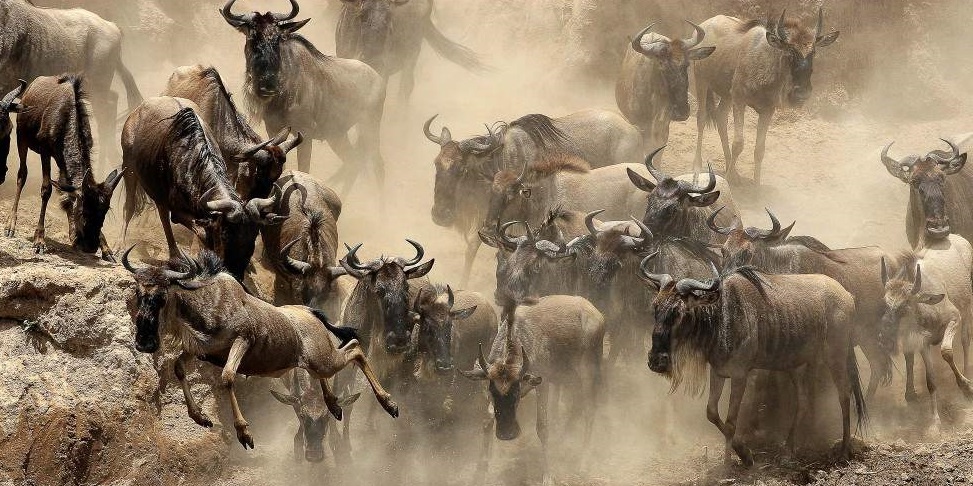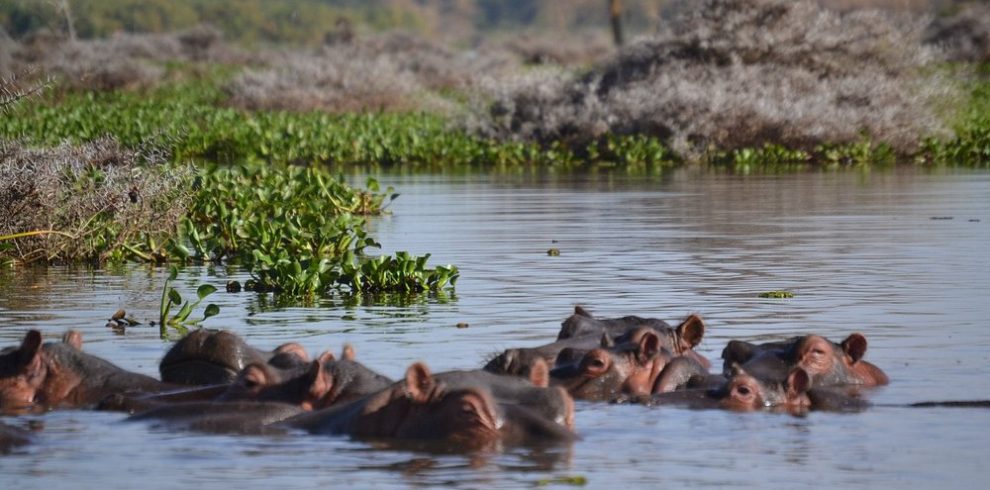
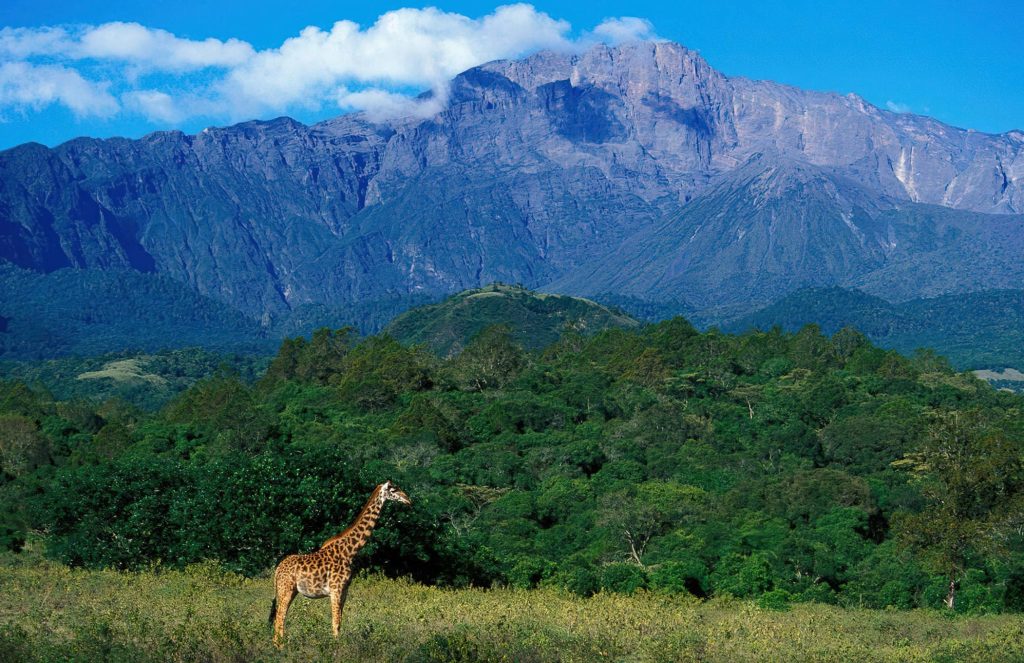
One of the most beautiful and challenging mountains in Africa is Mount Meru, located in northern Tanzania. It is the second-highest mountain in the country after Mount Kilimanjaro, standing at 4,562 meters (14,968 feet). While it is less famous than its towering neighbor, climbing Mount Meru offers a rewarding adventure filled with scenic beauty, wildlife encounters, and physical challenge.
Whether you’re an experienced mountaineer or a first-time hiker, proper preparation is essential. This guide outlines everything you need to know before climbing Mt Meru to ensure a safe, enjoyable, and successful journey.
1. Physical Preparation is Key
Climbing Mount Meru requires good physical fitness. The trek involves steep slopes, rocky terrain, and high altitude, all of which can be physically demanding. Preparing your body in advance is essential.
Focus on cardiovascular exercises like hiking, running, or cycling to build endurance. Strength training, especially for your legs and core, will help you handle long trekking days. Even though Mount Meru is lower than Kilimanjaro, altitude sickness is still a risk, particularly during the final ascent.
2. Best Time to Climb Mount Meru
The best time to climb Mount Meru is during the dry seasons:
- June to October
- December to February
These months offer clearer skies, better visibility, and safer trekking conditions. The rainy season (March to May) brings slippery trails, poor visibility, and increased difficulty, making the climb more hazardous.
3. Understand the Difficulty Level
Mount Meru is considered moderately to highly challenging. The climb typically takes 4 to 5 days, passing through forests, rocky ridges, and alpine terrain.
The final summit push is done at night or early morning and involves steep inclines and cold temperatures. While the route allows for gradual acclimatization, pacing yourself is crucial.
4. Altitude Acclimatization is Crucial
Altitude sickness can affect climbers even on Mount Meru. Symptoms include headaches, nausea, and dizziness.
To minimize risk:
- Ascend slowly
- Stay hydrated
- Listen to your body
If symptoms persist, inform your guide immediately. Descending is the safest solution in severe cases.
5. Hiring a Guide and Porters is Mandatory
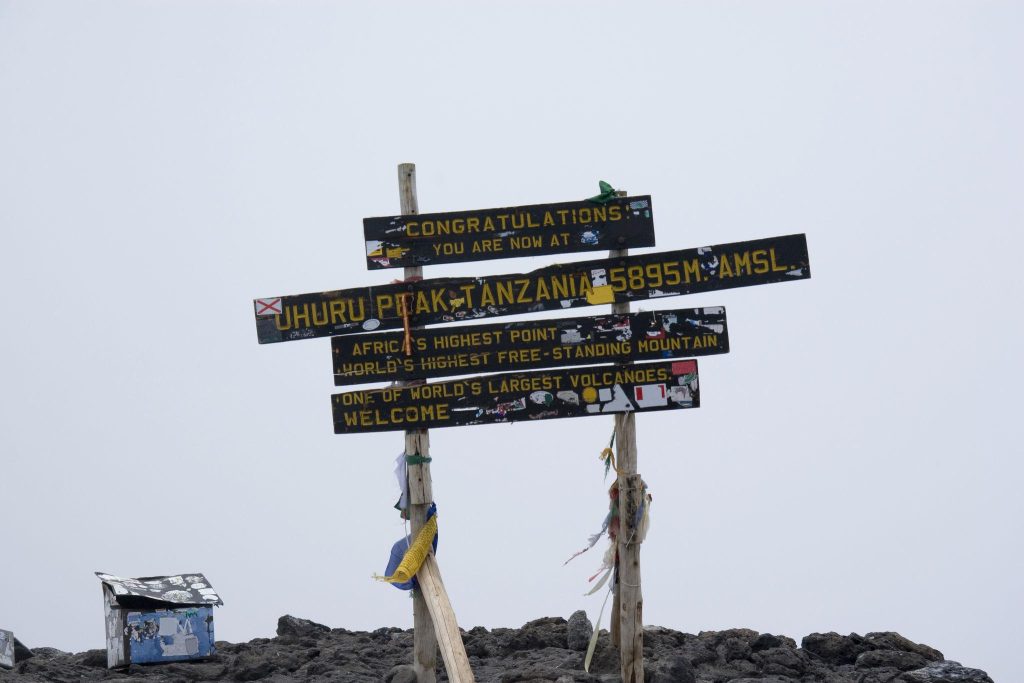
Climbing Mount Meru requires a licensed guide as it lies within Arusha National Park. This regulation ensures safety and supports local employment.
Guides provide navigation, safety oversight, and knowledge about wildlife and terrain. Porters carry your equipment, allowing you to focus on the climb. Tipping is customary and expected.
6. Pack the Right Gear
Proper gear is essential due to changing weather conditions across different altitudes.
Key items include:
- Layered clothing (moisture-wicking base layers, waterproof jacket, warm summit gear)
- Sturdy hiking boots
- Cold-rated sleeping bag
- Water bottles or hydration system
- High-energy snacks
- Sunscreen and sunglasses
- Headlamp for early morning summit climb
Being well-equipped significantly improves comfort and safety.
7. Know the Ecological Zones
Climbing Mount Meru takes you through diverse ecological zones:
- Rainforest Zone (1,500–2,500m): Dense vegetation with wildlife like monkeys and birds
- Heather Zone (2,500–3,500m): Thinner vegetation and rocky terrain
- Alpine Desert Zone (3,500m and above): Sparse vegetation, cold temperatures, and thin air
Understanding these zones helps you prepare mentally and physically for changing conditions.
8. Wildlife Encounters
Unlike many mountains, Mount Meru offers wildlife sightings, especially in the lower slopes. You may encounter giraffes, buffaloes, monkeys, and various bird species.
Always follow your guide’s instructions:
- Stay on marked trails
- Keep a safe distance from animals
- Never attempt to feed or approach wildlife
Safety is always the priority.
9. Camping on Mount Meru
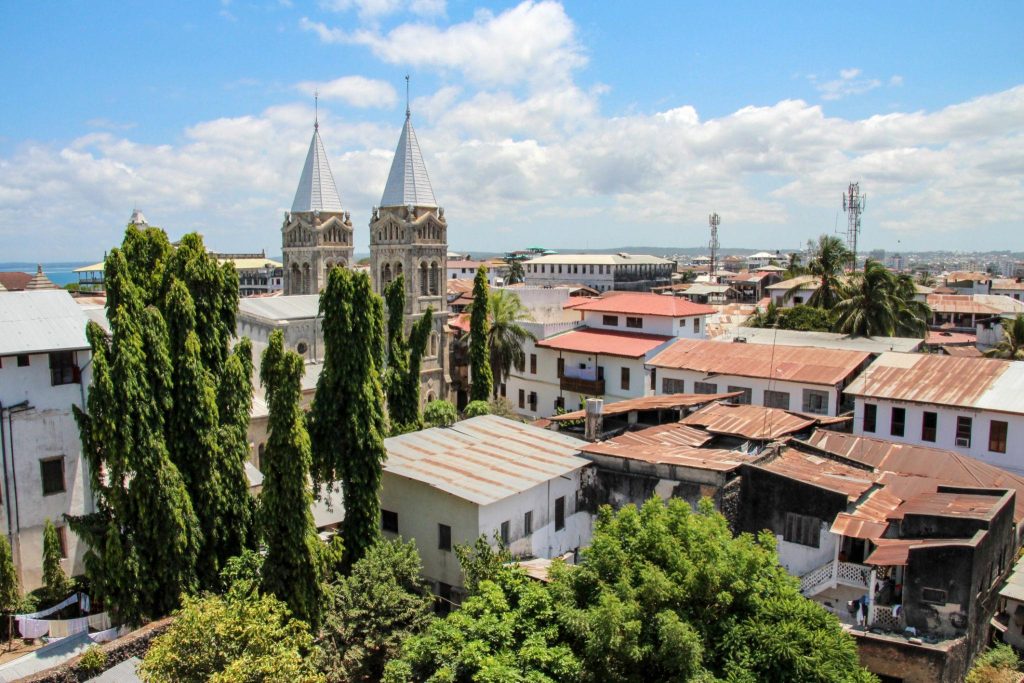
Accommodation on Mount Meru is in designated mountain huts or camps. These are basic but functional, offering shelter and meals.
Expect:
- Cold nights
- Simple facilities
- Shared sleeping areas
A quality sleeping bag and warm clothing are essential for comfort.
10. Permit Requirements
Climbing Mount Meru requires permits arranged through a registered tour operator. Fees typically include:
- Park entry fees
- Guide and porter services
- Accommodation
- Camping fees
Booking in advance is recommended to secure availability.
11. Safety Considerations
Safety should always come first:
- Follow your guide’s instructions
- Avoid rushing the climb
- Stay hydrated and well-rested
- Have travel insurance that covers high-altitude trekking and emergency evacuation
While rescue services exist, the remote nature of the mountain means response times can vary.
Conclusion
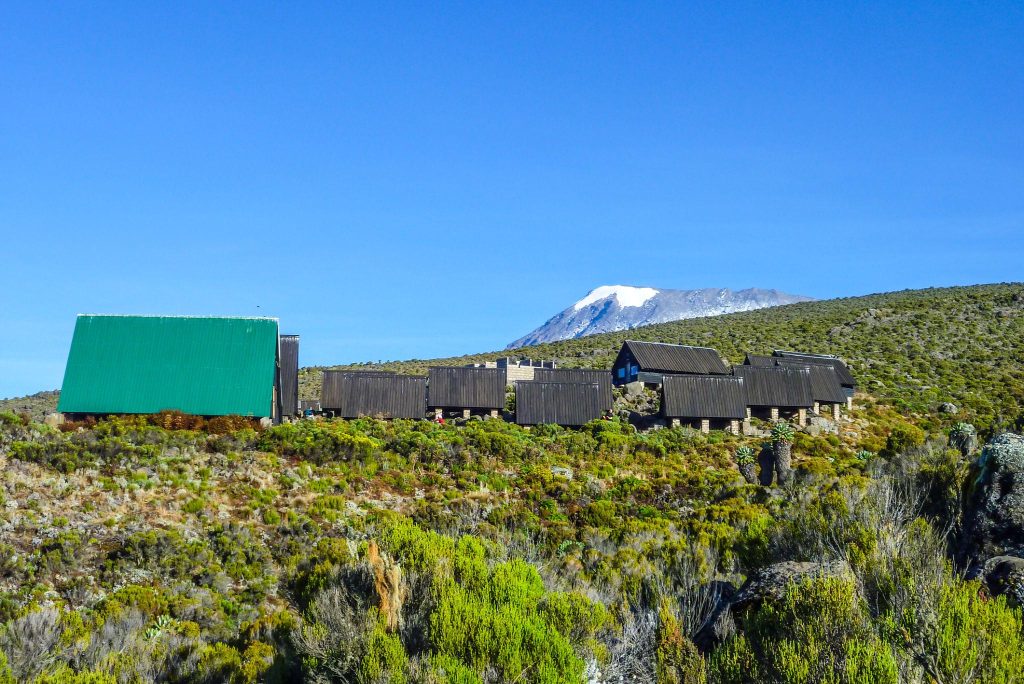
Climbing Mount Meru is a remarkable adventure that combines breathtaking landscapes, diverse ecosystems, and personal achievement. Though demanding, it is incredibly rewarding for those who prepare properly.
With the right training, gear, and mindset, you will not only reach the summit but also create unforgettable memories on one of Africa’s most remarkable mountain adventures.