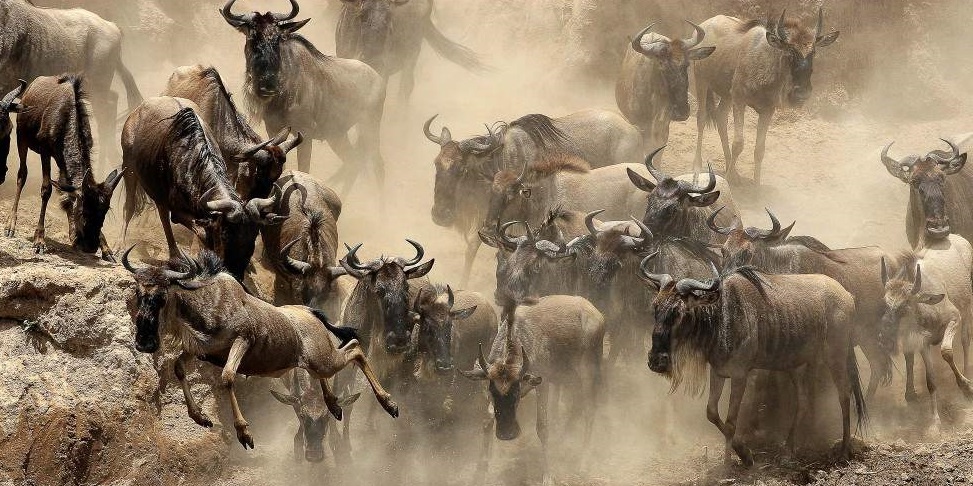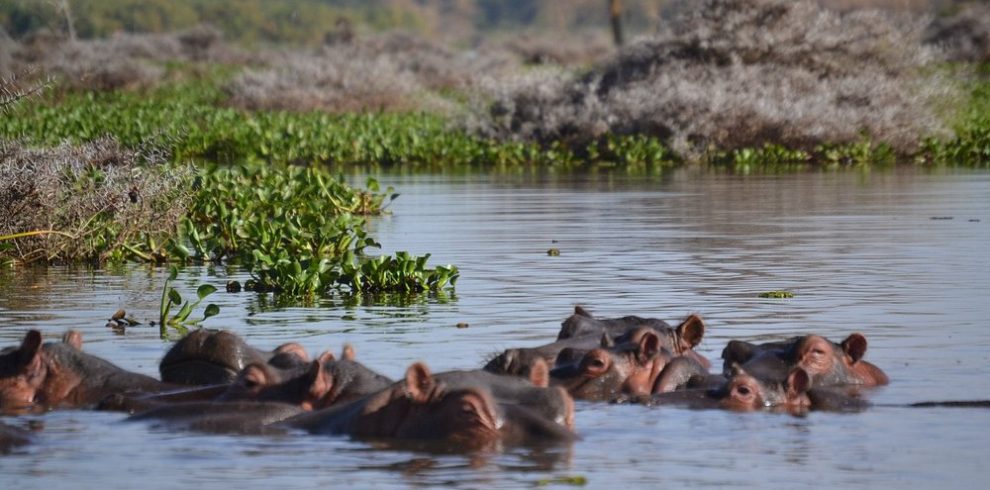

Solo travel can be one of the most rewarding experiences you can have. When it comes to exploring Africa, the adventure becomes even more incredible. With its vast landscapes, diverse cultures, and extraordinary wildlife, Africa is an ideal destination for those seeking excitement and personal growth. This guide provides practical advice for solo travellers to Africa, helping you navigate the continent safely, maximise your experience, and make your trip truly memorable.
Whether you are exploring the urban centres of South Africa, the deserts of Namibia, the savannahs of Kenya, or the historical wonders of Egypt, safe solo travel in Africa requires proper planning. These tips will help you travel with confidence, understand cultural norms, and ensure you have an unforgettable journey.
Why Africa Is a Great Destination for Solo Travellers
Africa offers solo travellers a unique combination of adventure, culture, and natural beauty. The continent’s diversity means there is something for everyone – from wildlife safaris and mountain treks to beach relaxation and cultural immersion. Many African countries have well‑established tourism infrastructure, and locals are generally welcoming and hospitable. Solo travel in Africa allows for self‑discovery, flexibility, and the opportunity to connect with people from different backgrounds.
1. Plan Your Itinerary in Advance
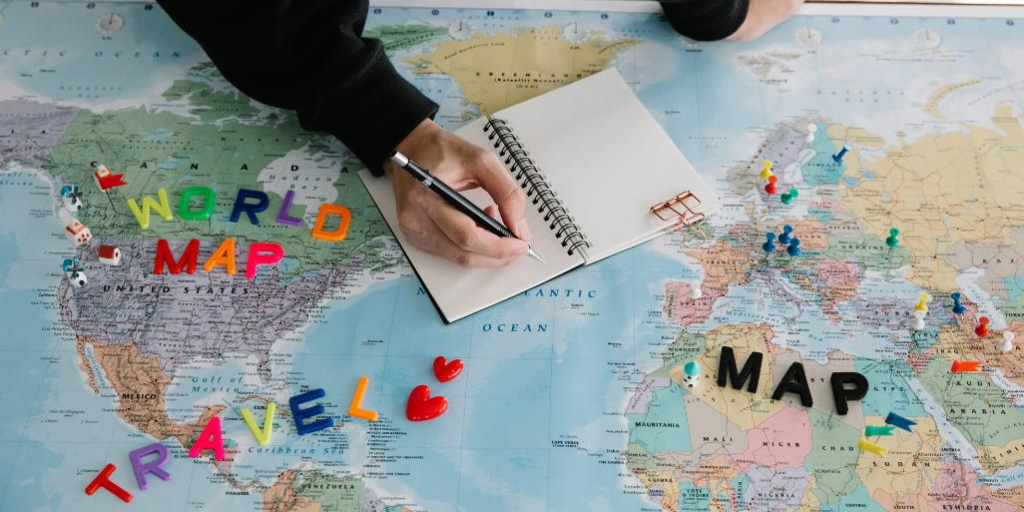
Planning your itinerary is one of the most important tips for solo travellers visiting Africa. Africa is a vast continent with 54 countries, each offering different experiences. Knowing where you are going, how long you will stay, and what activities you want to prioritise will save you time and stress.
- Research your destinations: Some countries require visas, vaccinations, or specific safety precautions. Check recent travel advisories.
- Arrange transportation: In some areas, public transport may not be reliable. It is often better to hire a reputable driver or use well‑reviewed transport services.
- Plan activities carefully: Solo travellers often find guided tours helpful for both safety and cultural exploration.
Planning ahead helps you avoid common pitfalls and ensures a more comfortable and safer trip.
2. Prioritise Safety and Security

Safety is a primary concern for solo travellers, and Africa is no exception. While the continent has a welcoming tourism environment, taking precautions will ensure your trip is safe.
- Stay informed: Check local news and travel advisories regularly. Some regions may experience political instability or natural disasters.
- Avoid unsafe areas: Do not walk alone at night in unfamiliar places.
- Use trusted accommodation: Book hotels or hostels with positive reviews from solo travellers. Many hotels offer concierge services to assist with local directions.
These measures will help you stay at ease and enjoy your adventure.
3. Embrace Local Cultures
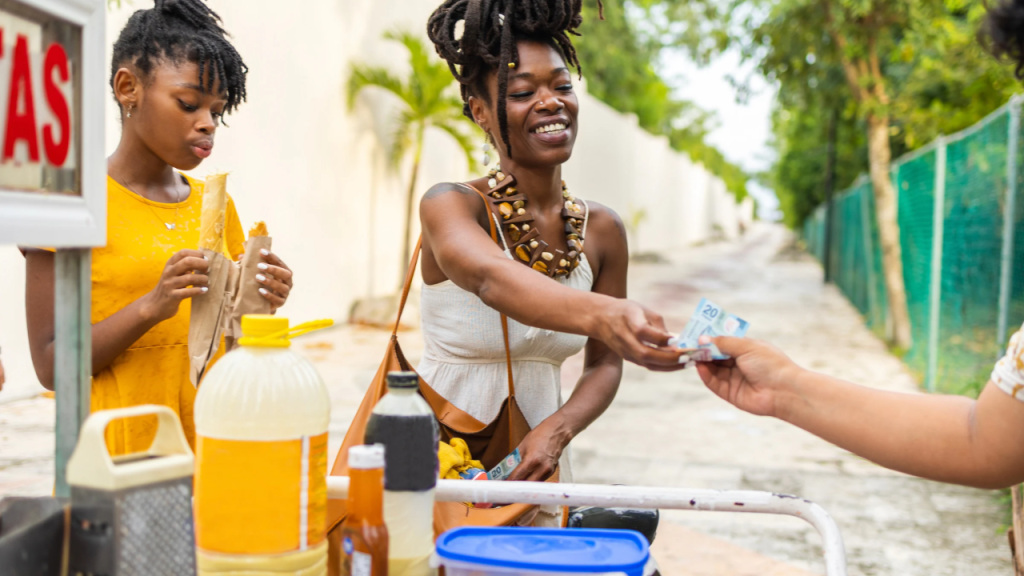
Engaging with local communities and experiencing their traditions is one of the most rewarding aspects of solo travel in Africa. Immersing yourself in local culture enhances your adventure and creates lasting memories.
- Learn simple phrases: Greeting locals in their own language builds trust and shows respect.
- Attend cultural events: Festivals, music performances, and local markets offer authentic cultural experiences.
- Be mindful of traditions: Dress codes, religious values, and social conventions vary widely – observing local manners and behaviour is essential.
Cultural immersion enriches your travel experience and helps you build meaningful relationships with locals.
4. Budget Wisely

Budgeting is essential for solo travellers in Africa. While some countries are more affordable, others can be unexpectedly costly.
- Track expenses: Use apps to monitor your spending and avoid overspending.
- Mix accommodation types: Consider a combination of hostels, guesthouses, and mid‑range hotels.
- Eat local food: Street food and local restaurants offer good meals at a fraction of the cost of tourist establishments.
A balanced budget allows you to enjoy your time without financial stress and enables you to visit more places.
5. Pack Essential Items for Solo Travel
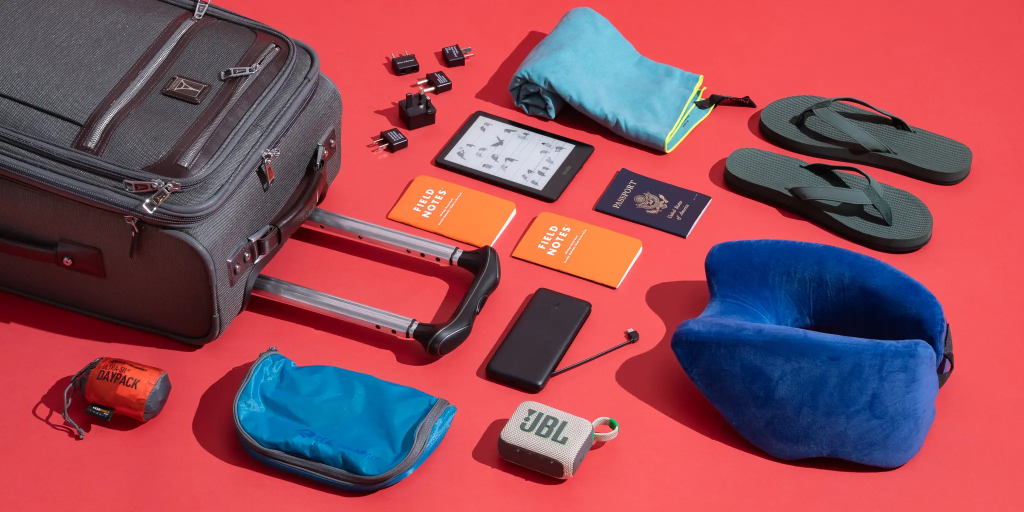
Having the right essentials makes solo travel more comfortable and safe.
- Travel insurance: Protect yourself against medical emergencies, trip cancellations, and lost belongings.
- First‑aid kit: Include basic medicines, insect repellent, and bandages.
- Reliable internet access: Stay connected with a local SIM card or international roaming plan.
- Backpack essentials: Comfortable clothes, durable shoes, a reusable water bottle, and sun protection.
Being prepared allows you to enjoy Africa’s beauty without worrying about the details.
6. Connect with Other Travellers

Although solo travel can be peaceful, meeting other travellers can provide company, advice, and security.
- Hostels and guesthouses: Many organise group tours or social events for solo travellers.
- Travel apps and forums: Platforms such as Couchsurfing or Meetup can help you find travel companions.
- Guided tours: These are safer and allow you to meet like‑minded people while exploring iconic destinations.
These connections can make your solo journey more social and rewarding.
7. Document Your Journey
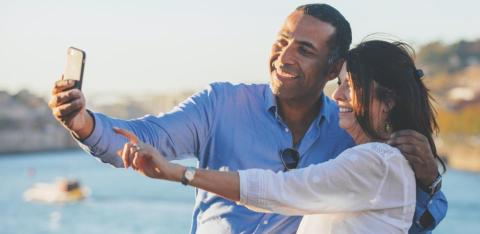
Recording your travel experiences helps you preserve memories and share them with friends and family.
- Photography and journaling: Keep a journal and take photos to remember your adventures.
- Travel blogs or social media: Documenting your journey online can inspire others and serve as a personal record.
- Respect privacy: Always ask permission before photographing people or cultural ceremonies.
Documenting your travels creates lasting memories and allows you to reflect on your personal growth.
8. Take Health Precautions
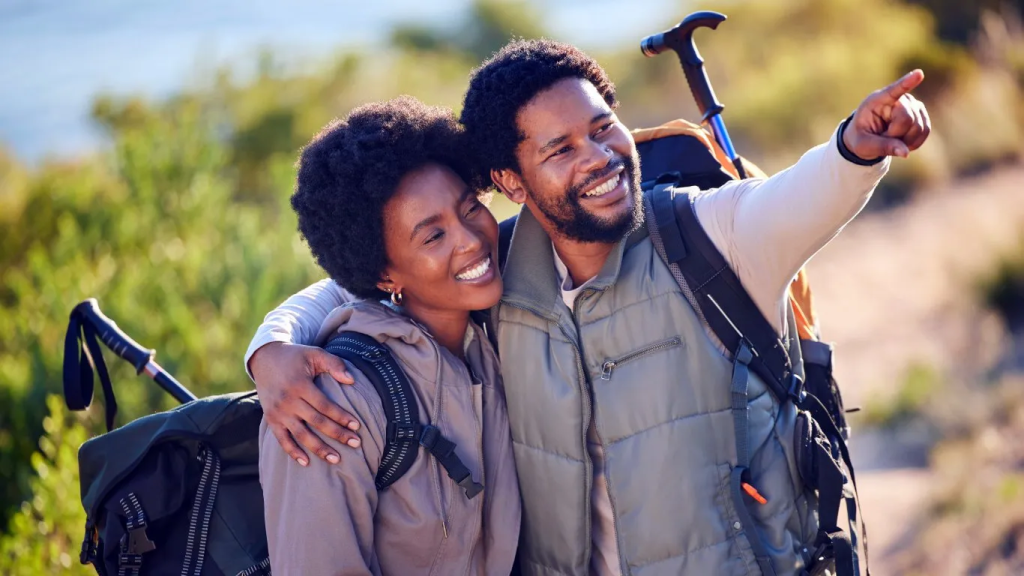
Health is an important consideration for solo travellers in Africa. Some areas may expose you to preventable diseases.
- Vaccinations: Depending on your destination, you may need vaccines for yellow fever, hepatitis, or typhoid.
- Stay hydrated: Africa’s climate can be hot, and dehydration is common. Carry filtered or bottled water.
- Food safety: Eat well‑cooked foods and avoid unpasteurised dairy products in high‑risk areas.
Looking after your health ensures a hassle‑free and enjoyable trip.
9. Be Flexible and Open‑Minded
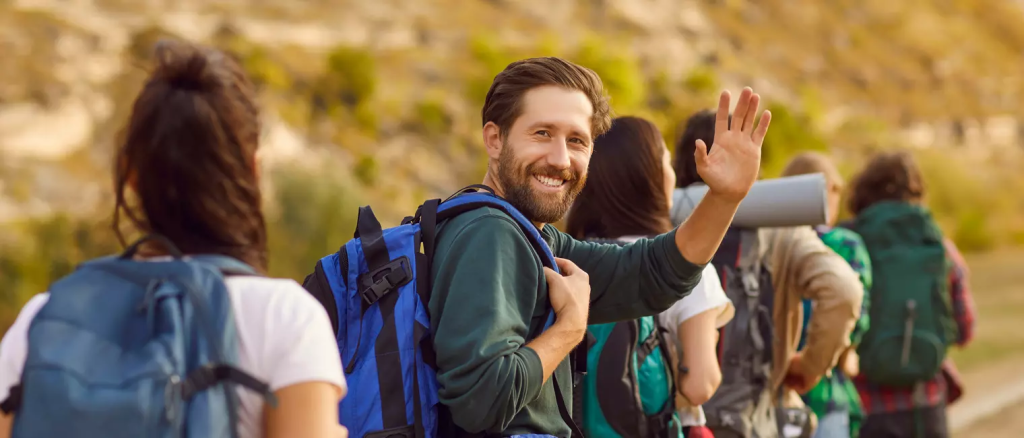
Flexibility is one of the greatest assets for solo travellers in Africa. Travel plans can change unexpectedly – the more adaptable you are, the more you will enjoy your trip.
- Expect the unexpected: Transport delays, weather changes, or local holidays may affect your plans.
- Stay positive: Approach challenges as part of the adventure.
- Go off the beaten track: Explore beyond the most common tourist attractions.
Flexibility allows you to embrace the spontaneity and unpredictability of solo travel.
10. Trust Your Instincts
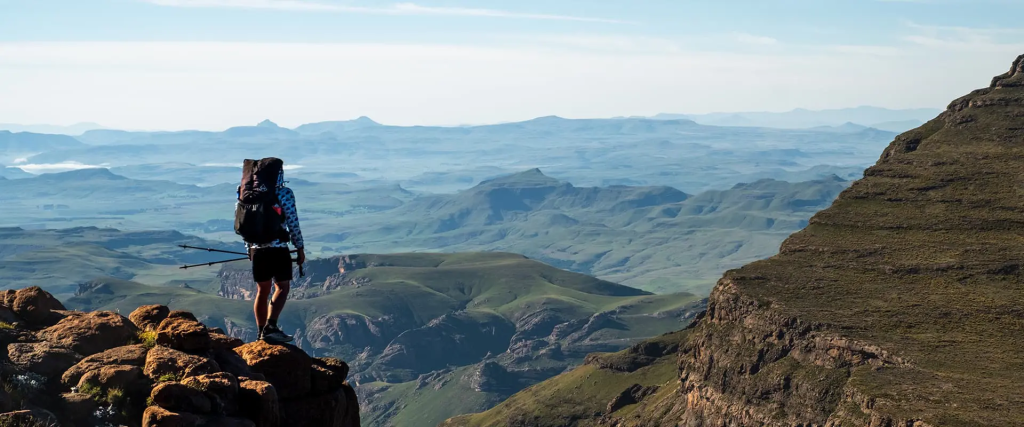
As a solo traveller, your intuition is one of your most valuable tools. If a situation or person feels uncomfortable, remove yourself from it.
- Stay aware of your surroundings: Pay attention to the people and environment around you.
- Listen to local advice: Locals often have valuable insights about safe and unsafe areas.
- Be confident: Projecting confidence can deter potential threats.
Trusting your instincts helps you stay safe and make better decisions during your journey.
Best Destinations for Solo Travellers in Africa
- South Africa: Cape Town, Johannesburg, and the Garden Route offer a mix of urban and natural experiences.
- Kenya: Nairobi and the Maasai Mara are popular for wildlife and cultural encounters.
- Tanzania: The Serengeti, Ngorongoro Crater, and Zanzibar are ideal for solo adventurers.
- Namibia: The desert landscapes and wildlife parks offer a unique and safe solo experience.
- Egypt: Cairo, Luxor, and the Pyramids provide rich historical exploration.
Final Tips for Solo Travellers
- Always share your itinerary with someone you trust.
- Keep digital and physical copies of important documents.
- Stay in well‑reviewed accommodation with 24‑hour reception.
- Learn basic phrases in the local language.
- Carry a portable phone charger for emergencies.
Conclusion
Travelling alone in Africa is a life‑changing experience that offers self‑discovery, connection with nature, and stunning scenery. With these tips for solo travellers to Africa, you can make your trip safe, enriching, and unforgettable through proper planning, prioritising safety, learning about local cultures, budgeting wisely, and staying flexible.
Solo travel is liberating, and the adventure is unlike any other – whether you are exploring the wildlife of East Africa, the vibrant cities of West Africa, or the history of North Africa. With the right preparation and attitude, your African adventure will be filled with meaningful connections, amazing sights, and memories that last a lifetime.
Remember that the key to a successful solo journey is staying safe, being open to new experiences, and enjoying every moment. These solo travel tips for Africa are your guide to an epic adventure. Africa is waiting – a continent to be explored, respected, and enjoyed with confidence.