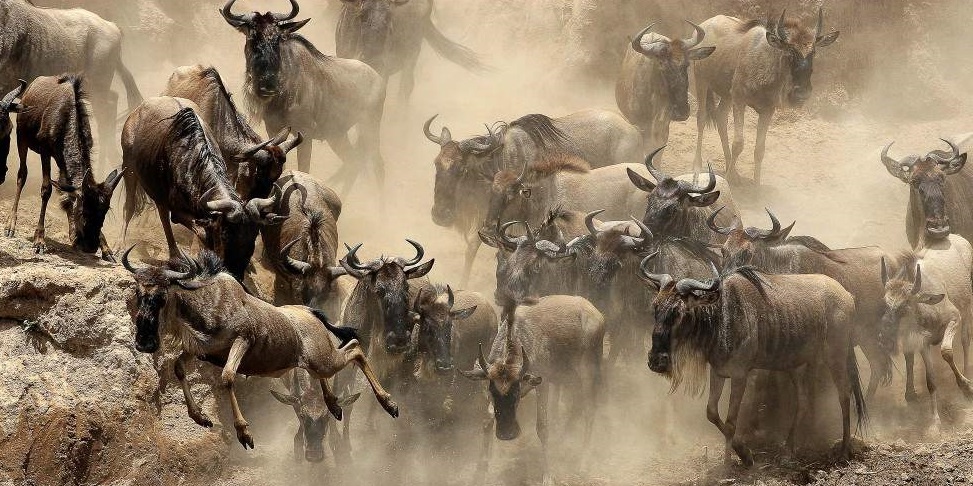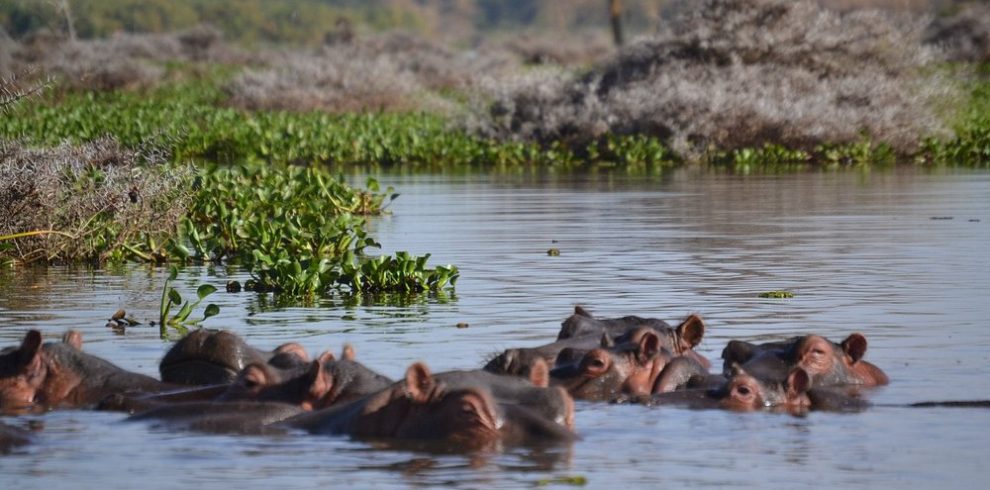
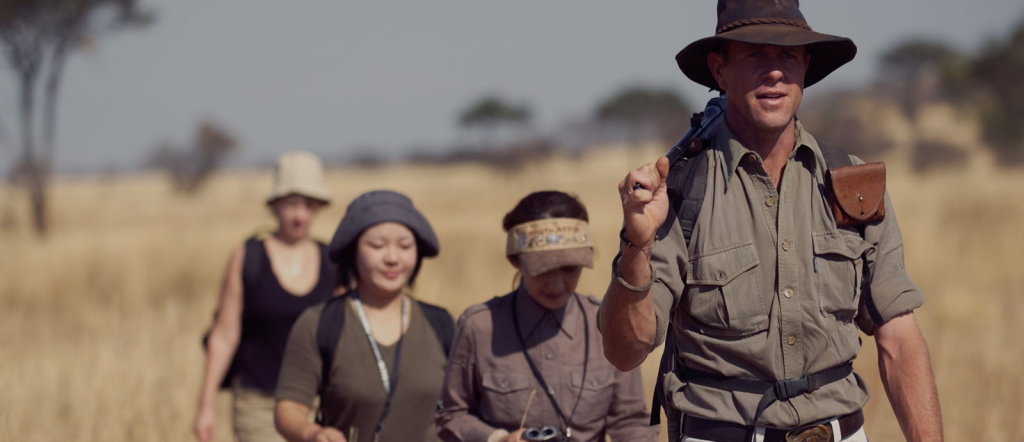
Safari guides are the backbone of any safari tour, transforming a mere tour of Africa’s beautiful scenery into a truly memorable experience. Whether you are exploring the expansive plains of the Serengeti, the dense jungles of Uganda, or the iconic savannah of Kenya, the right safari guide can make all the difference. But what exactly makes great safari guides stand out from the crowd? What traits and competencies should travellers look for to ensure a memorable and safe wildlife experience?
This article explores what constitutes a great safari guide, shedding light on the qualities, skills, and personal attributes that make a safari truly exceptional. Great guides possess a unique set of characteristics – from extraordinary animal tracking abilities to a deep appreciation of the environment and cultural knowledge that enables them to connect with both their guests and the land.
1. Deep Knowledge of Local Wildlife and Ecosystems
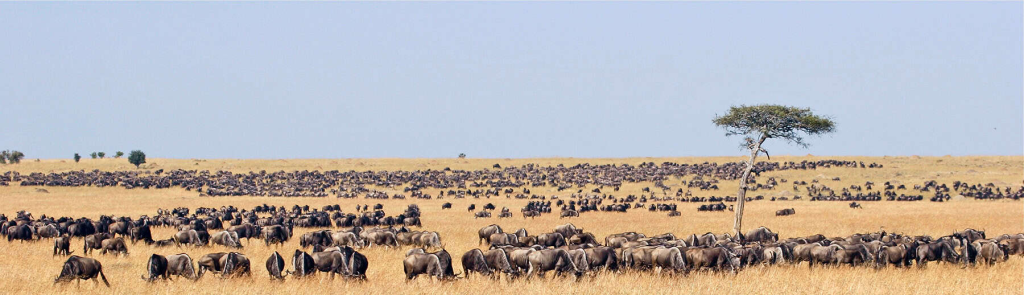
The first essential quality of a great safari guide is the ability to be a walking encyclopaedia on the wildlife, vegetation, and ecosystems of their region. They do not simply know animals – they understand animal behaviour, interspecies relationships, movement patterns, and the delicate balance of ecosystems. This knowledge allows them to anticipate what is happening around you, predict animal movements, and explain behaviours during your game drive.
A trained guide will answer questions about species’ life cycles – why certain animals behave in particular ways, what they eat, how they hunt, and how they adapt to different seasons. They also help visitors appreciate the complexity of ecosystems, explaining how even the smallest insects contribute to biodiversity. For example, an experienced guide will explain why vultures are essential for cleaning carcasses or how elephants shape the landscape they inhabit.
2. Excellent Animal Tracking and Spotting Skills
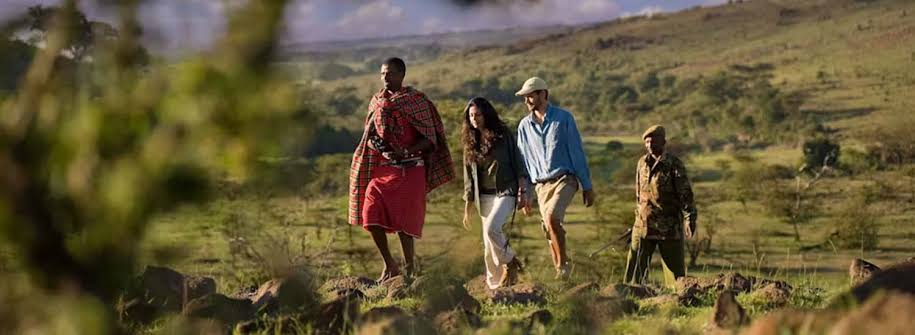
Great safari guides possess intimate knowledge of tracking animals through signs such as footprints, droppings, and broken branches. They have exceptional eyesight, capable of spotting animals at great distances even when they are camouflaged or hidden in bushes. Their ability to find animals, predict where to look, and position the vehicle for optimal viewing is an art developed through years of experience and dedication.
Superb safari guides read the most delicate hints – how birds move, how small mammals behave – to locate large animals such as lions, leopards, and elephants. They recognise animal tracks, making it possible to follow specific animals and giving guests the chance to see elusive creatures they might otherwise miss. This tracking ability makes the safari experience more exciting, as you never know what will happen next.
3. Expertise in Birdwatching
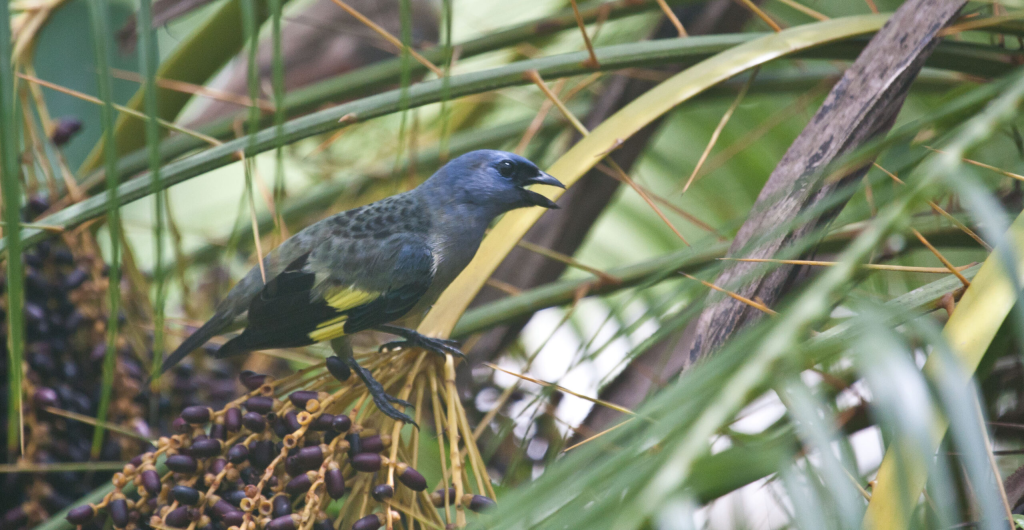
While most safari-goers want to observe the Big Five – lions, leopards, buffaloes, elephants, and rhinos – great safari guides also possess extensive knowledge of birdlife. Africa is home to thousands of bird species, many found nowhere else on Earth. An experienced guide will identify different bird species, understand their behaviour, and share fascinating facts about their lives.
A guide might point out the colourful lilac‑breasted roller perched on a tree, explain how hornbills nest, or describe the complex migration patterns of certain bird species. Birds are an integral part of the safari experience, and a knowledgeable guide makes birdwatching far more rewarding.
4. Passion for Conservation and Sustainable Tourism

A genuine passion for conservation is one of the most vital qualities of great safari guides. Many of Africa’s iconic animals face threats from poaching, habitat loss, and human‑wildlife conflict. Good guides are keen advocates for environmental and wildlife conservation, ensuring they educate visitors on conservation issues. They understand sustainable tourism practices and always follow ethical guidelines when interacting with animals and the environment.
Safari guides often collaborate with conservation organisations, local communities, and park rangers to protect endangered species and restore ecosystems. Their passion for conservation inspires safari‑goers to be responsible, encouraging them to minimise their footprint on the land and wildlife.
5. Exceptional Communication and Storytelling Skills

A great safari guide is not only a reservoir of knowledge but also an excellent storyteller and communicator. They integrate facts, anecdotes, and cultural information into engaging narratives, making the safari experience immersive and memorable. Whether sharing the history of the Maasai people, explaining predator behaviour, or describing a memorable sighting, a good guide captivates and inspires their guests.
Great guides know when to speak and when to let the natural sounds of the bush take over. Their storytelling helps guests develop a deeper connection to the animals and landscapes, turning the safari into a journey of learning and discovery.
6. Effective Safety Awareness and Leadership
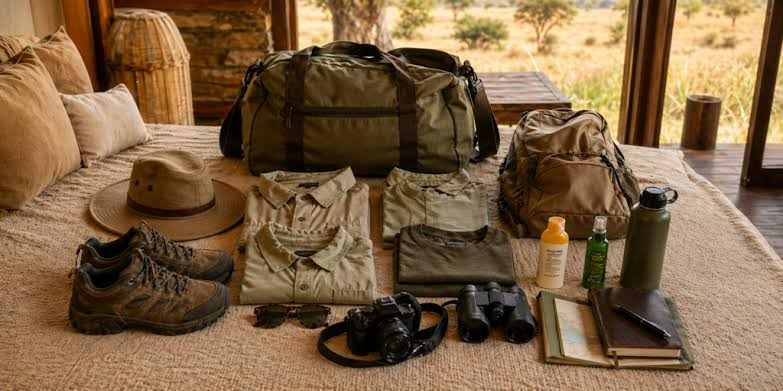
Safety is the primary concern on any safari, and a good guide ensures guests feel secure throughout the experience. Whether on game drives or walking safaris, guides are trained to assess potential risks and act decisively in dangerous situations. From close predator encounters to navigating challenging terrain, a great guide remains calm, cool, and confident.
Great guides also emphasise respect for wildlife and the environment – not just physical safety. They set clear boundaries for visitors to ensure animals are not disturbed, creating a rich experience for both guests and wildlife.
7. Local Knowledge and Cultural Sensitivity
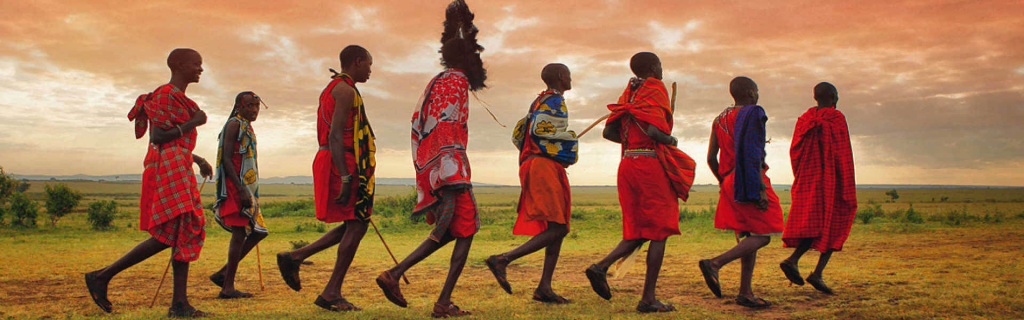
Beyond natural history, great safari guides are knowledgeable about local people and cultures. Many safari destinations lie within or near traditional tribal territories, and guides can offer a different and enlightening experience by sharing their understanding of local practices, traditions, and ways of life.
For example, a guide might arrange a visit to a local Maasai or Samburu community, explaining their traditional lifestyle, their relationship with wildlife, and how they have lived in harmony with nature for generations. Guides understand the cultural significance of the land and the contributions local communities make to conservation, offering visitors an authentic and respectful cultural experience.
8. A Genuine Love for the Wilderness
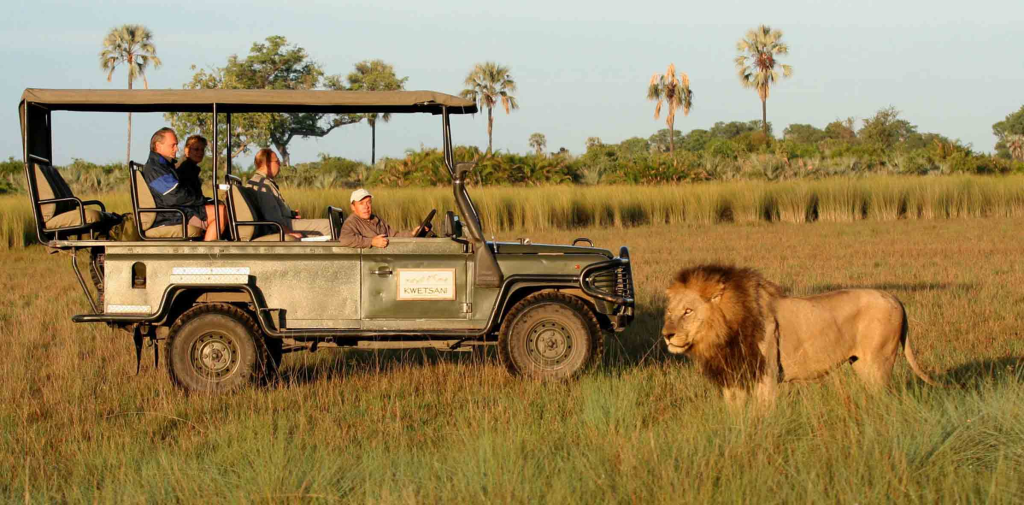
Great safari guides are motivated by a deep love for the wilderness and the animals they work with. This passion is infectious and inspires travellers to develop their own appreciation for the natural world. It is this connection to the environment that makes great guides stand out – they genuinely care about their work and take pride in offering guests a unique experience.
Whether it is the thrill of spotting a leopard in the forest or the joy of watching an African sunrise, great safari guides share their passion for the wilderness, making every moment of the safari special. Their enthusiasm is reflected in how they share their knowledge, stories, and experiences, helping guests develop a deeper appreciation for Africa’s wildlife and ecosystems.
9. Patience and Attentiveness
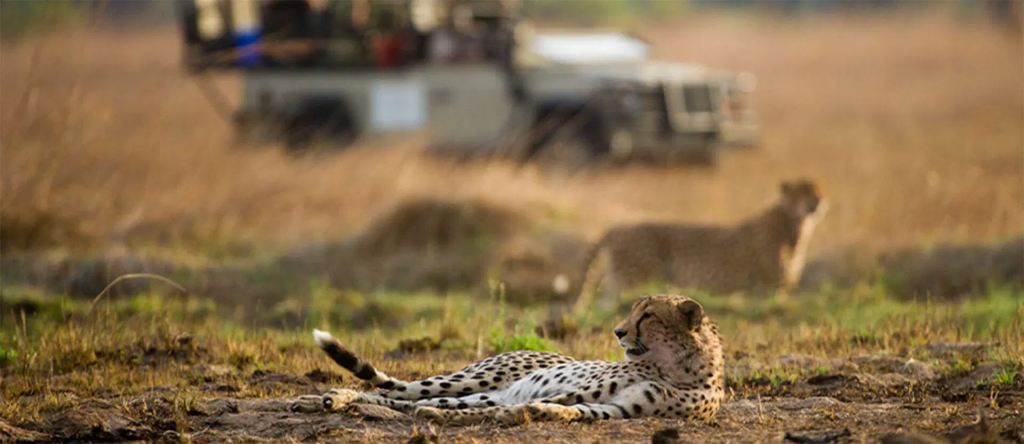
Patience and attentiveness are essential qualities for safari guides. The safari experience is unpredictable, and animals cannot be found on demand. Good guides understand that time is of the essence and are willing to spend hours watching the landscape for any sign of movement or subtle changes in animal behaviour.
They are also attentive to their guests’ needs, ensuring everyone feels comfortable, safe, and engaged throughout the safari. Whether repositioning the vehicle for better viewing or giving everyone an opportunity to take photographs, an exceptional guide goes out of their way to provide a personalised and enjoyable experience.
10. A Commitment to Lifelong Learning
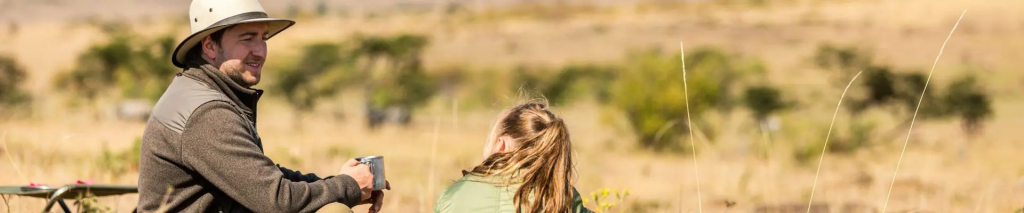
Finally, great safari guides are lifelong learners. They stay informed about current research, conservation activities, and local wildlife developments, ensuring they offer guests the most accurate and up‑to‑date information. Many leading guides regularly attend training programmes, workshops, and conferences to refine their skills.
This commitment to continuous learning enables them to bring new knowledge and perspectives to visitors, making each safari a fresh and interesting experience.
Conclusion
Great safari guides are defined by a combination of knowledge, passion, patience, and a genuine interest in wildlife and conservation. These guides are more than people who lead tours through the wilderness – they are teachers, storytellers, conservationists, and leaders all in one. Their expertise and dedication form the foundation of a safari adventure that is not only entertaining but also educational and life‑changing.
Whether it is spotting leopards in the trees, tracking rhino footprints in the dust, or learning about local cultures, the most competent safari guides connect with guests on a personal level, making their adventure truly memorable. The next time you go on a safari, take a moment to appreciate the amazing individuals who make it all possible – it is their passion and expertise that make the African wilderness feel so magical.